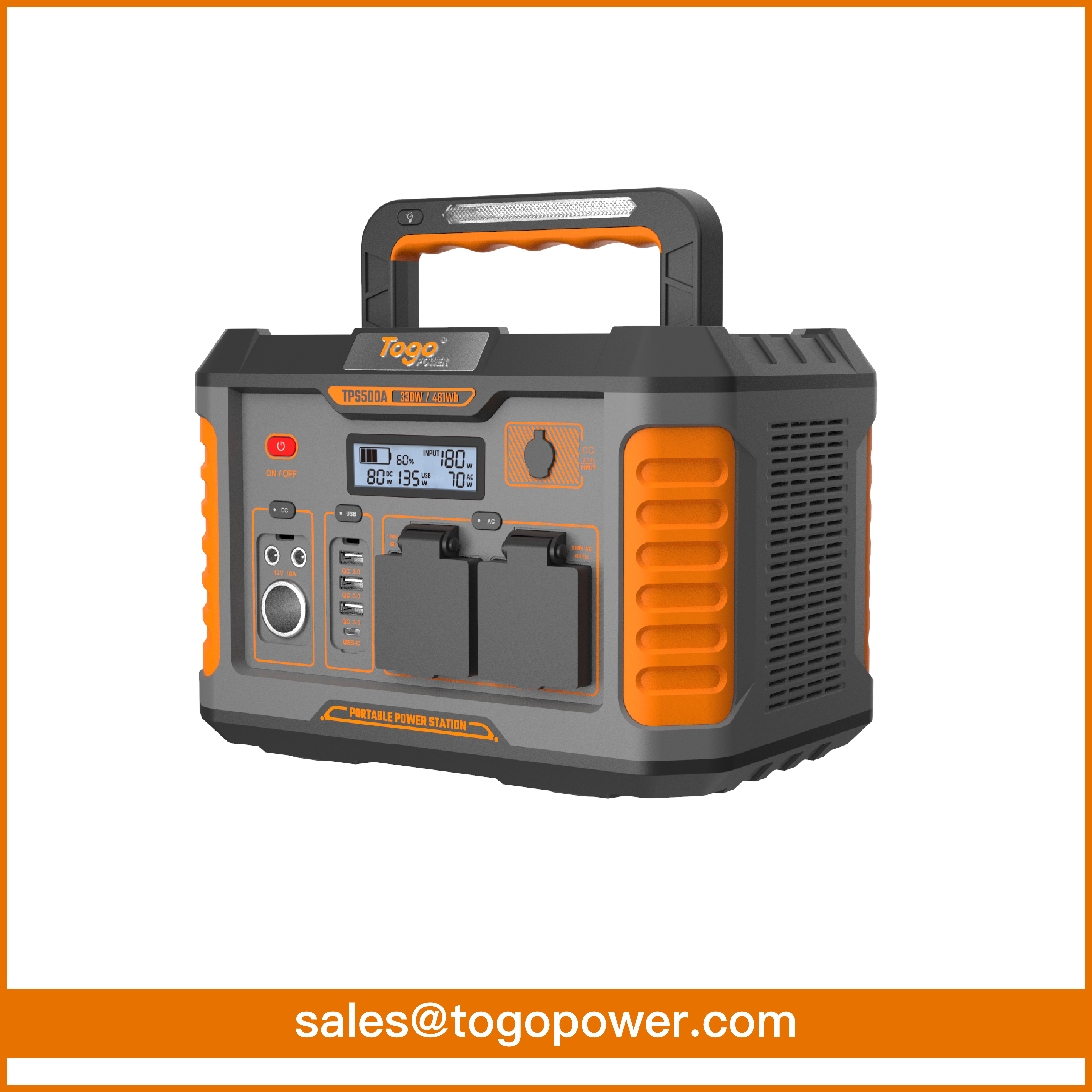
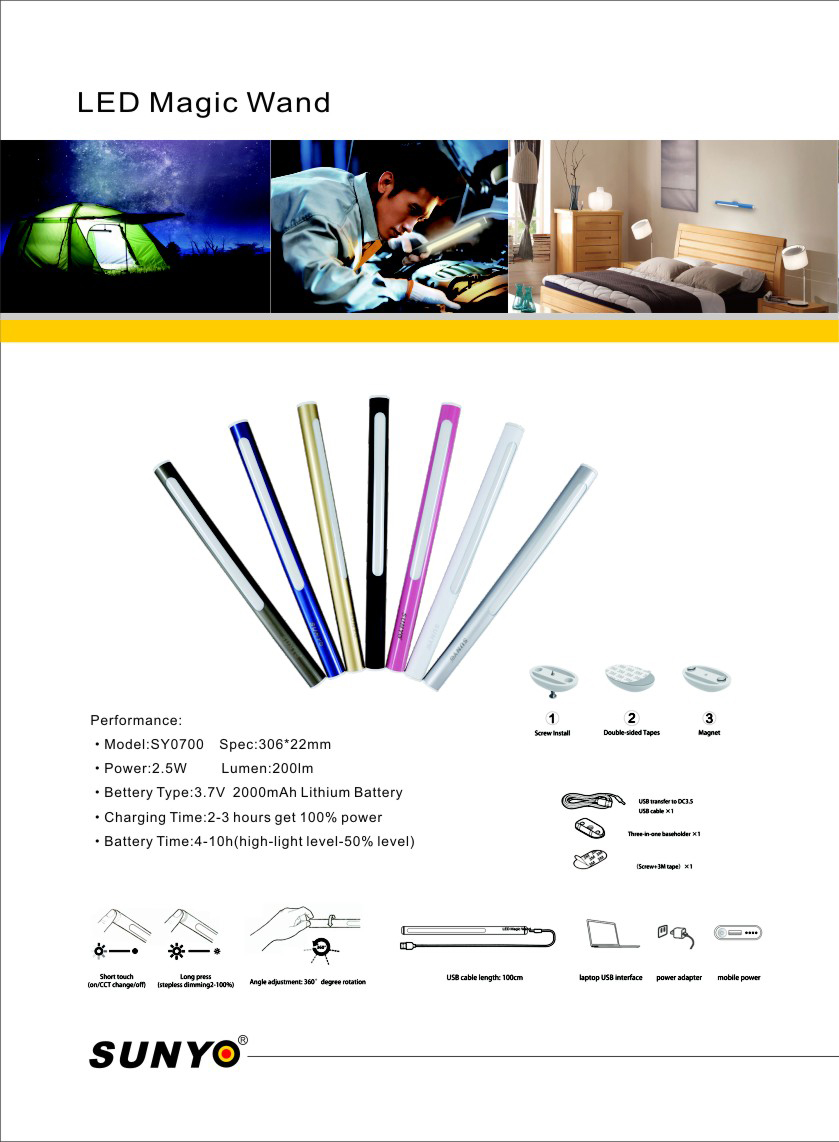
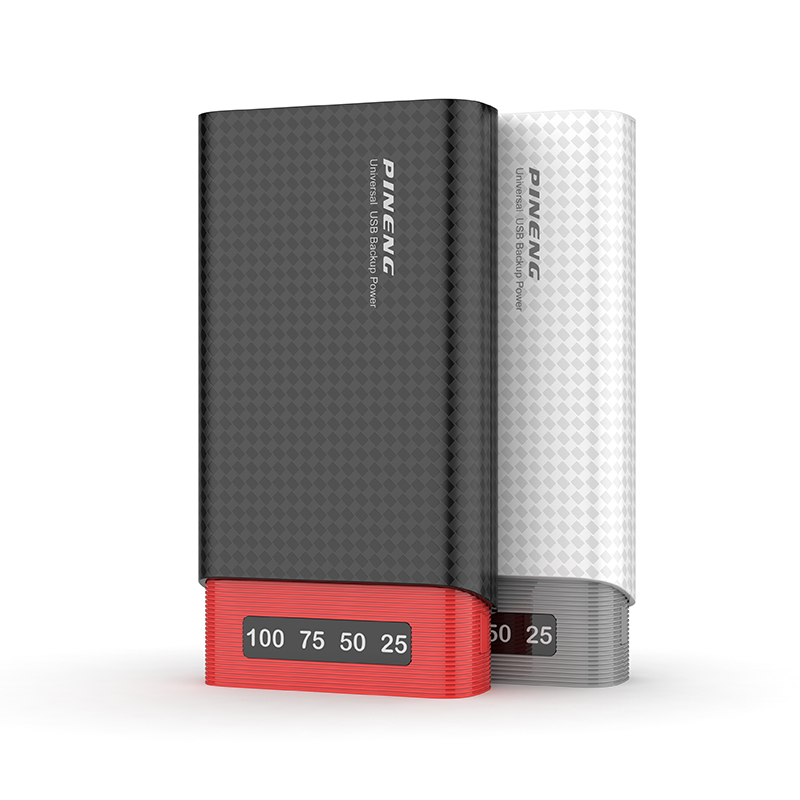
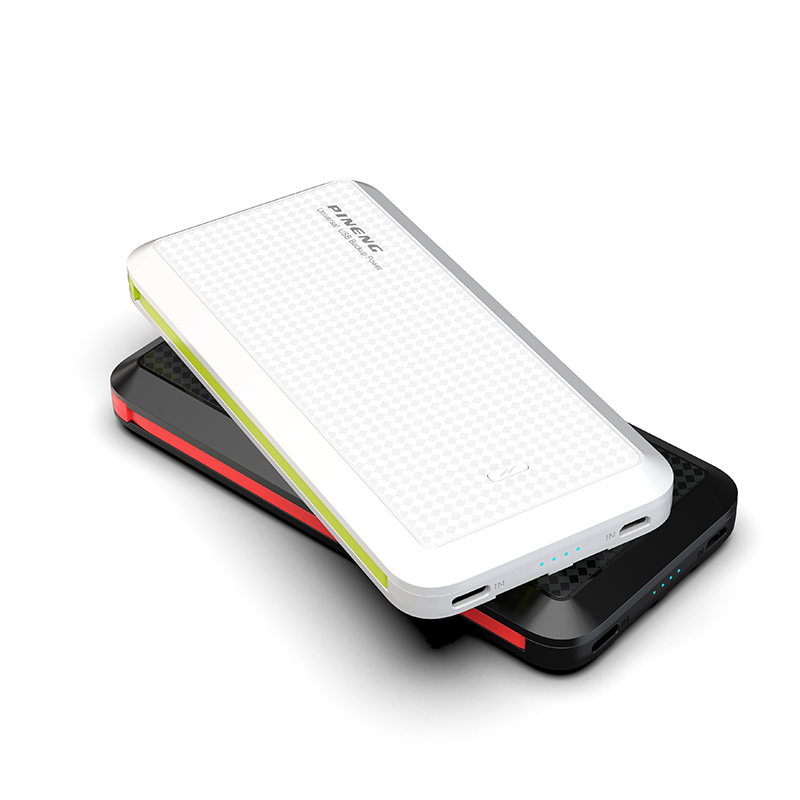
Mobile Power Pack, MPP
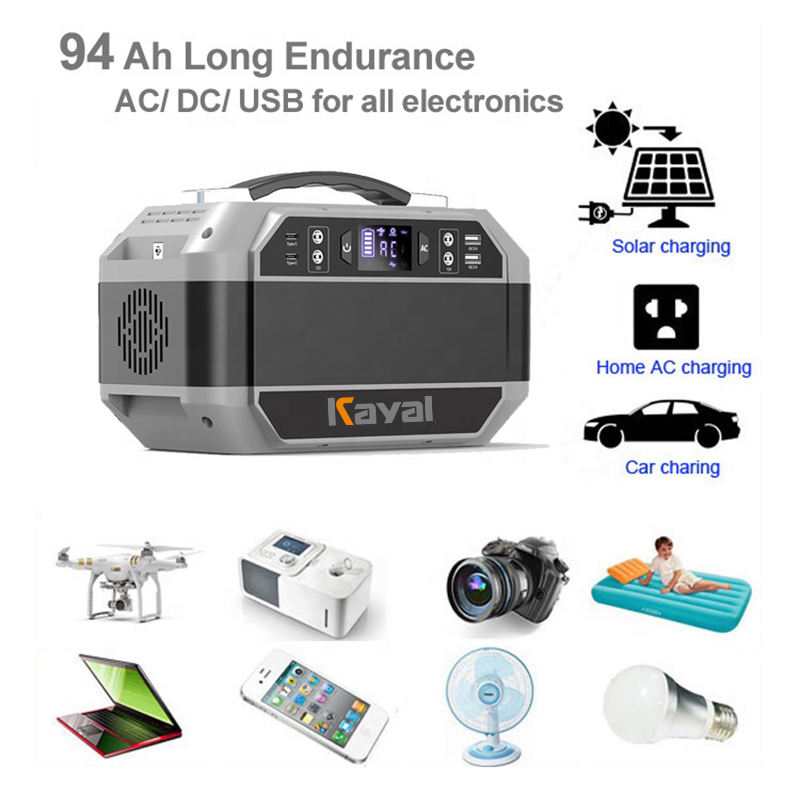
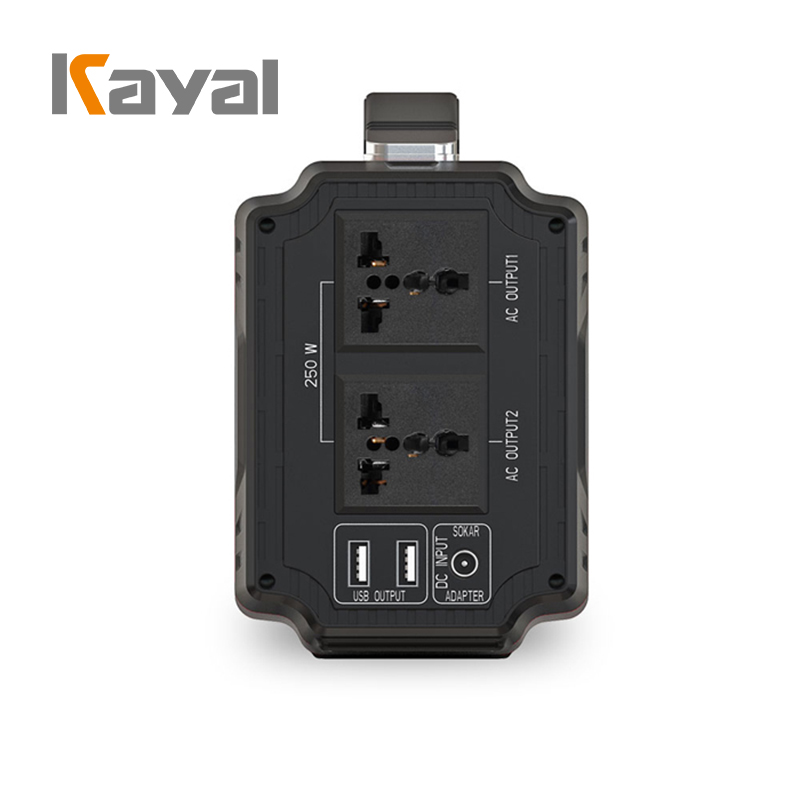
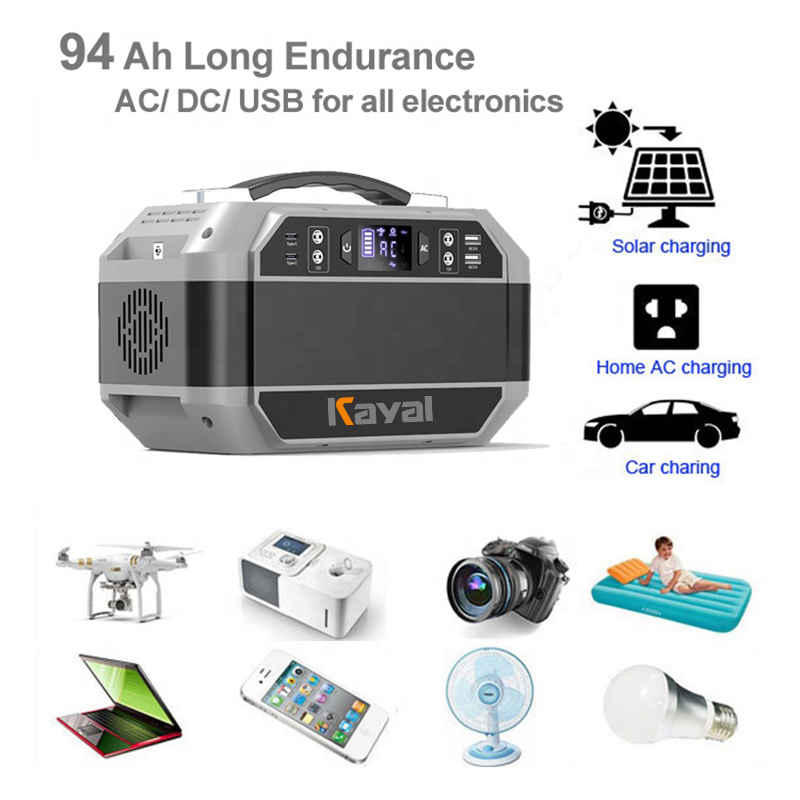
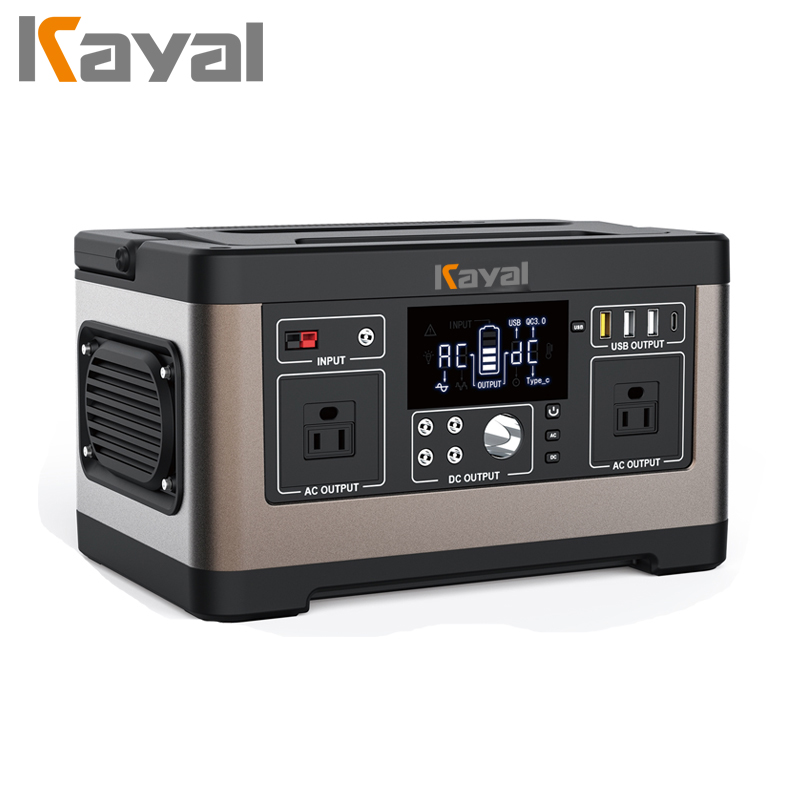
Source Mobile Power Pack (MPP) units directly from vetted Chinese manufacturers and suppliers. Designed for importers, wholesalers, and consumer electronics brands looking for reliable wholesale bulk purchasing, custom OEM/ODM development, or private-label production.
Sourcing mobile power packs (MPPs) at scale requires balancing aggressive unit costs with uncompromising safety standards. In the portable power supply market, the difference between a reliable product and a costly recall usually comes down to battery cell grade, the sophistication of the Battery Management System (BMS), and rigorous factory-level testing.
Critical Components & Specifications
When evaluating an MPP manufacturer, the bill of materials (BOM) is your primary focus. The core cost and performance drivers are the battery cells and the Printed Circuit Board Assembly (PCBA).
Battery Cell Selection
Most manufacturers use either cylindrical Lithium-Ion (Li-ion) cells or Lithium-Polymer (Li-Po) pouch cells. The choice dictates the product's form factor, weight, and thermal management requirements.
| Specification | Li-Ion (18650 / 21700) | Li-Polymer (Pouch) |
|---|---|---|
| Form Factor | Fixed cylindrical | Highly customizable, thin |
| Energy Density | High | Moderate to High |
| Cost per mAh | Lower | Higher |
| Safety Profile | Requires rigid housing | Swells instead of venting under stress |
PCBA and Charging Protocols
The PCBA houses the BMS and the power conversion ICs. For modern MPPs, buyers must specify the supported fast-charging protocols. Standard 5V/2A charging is largely obsolete for high-capacity packs. Ensure your factory integrates genuine ICs for USB Power Delivery (PD 3.0/PPS) and Qualcomm Quick Charge (QC 3.0/4.0). The BMS must also include robust protections against overcharge, over-discharge, short-circuit, and thermal runaway.
Manufacturing & Quality Control Checkpoints
Defects in MPPs are rarely visible on the surface. They occur during internal assembly and cell grading. If you are running an OEM/ODM Services project, verifying the factory's internal quality control procedures is non-negotiable.
Critical Factory QC Checks
- Cell Grading & Matching: Cells must be matched by internal resistance and voltage before assembly to prevent uneven degradation.
- Spot Welding Quality: Nickel strips must be securely welded without penetrating the cell casing. Weak welds cause high resistance and heat.
- PCBA Testing: Automated Optical Inspection (AOI) to verify component placement on the board.
- Aging Tests: 100 percent of assembled units should undergo a full charge/discharge cycle (aging) to catch early-life failures.
Need reliable MPP manufacturers? We vet suppliers, audit facilities, and manage the entire production process.
Talk to our teamCompliance & Safety Certifications
MPPs are classified as dangerous goods for transport and are heavily regulated in major markets. Never assume a factory's certifications are valid for your specific product variation without verification.
- UN38.3 & MSDS: Mandatory for international shipping (air and sea). Without these, freight forwarders will reject the cargo.
- UL 2056 / UL 1642: Critical for the US market. UL 2056 specifically covers power banks, while UL 1642 covers the lithium cells inside.
- CE, RoHS, FCC: Required for European and North American market entry.
Working with a partner who handles Compliance & Testing ensures your units are tested by accredited third-party labs before they leave the factory.
Pricing Drivers, MOQs, and Lead Times
MPP pricing is highly volatile and directly tied to global lithium commodity prices. Quotations are typically valid for a short window (often 7 to 14 days).
Cost is primarily driven by true capacity (mAh), cell brand (Tier 1 brands like LG/Samsung command a premium over domestic Chinese cells), and the output wattage of the PCBA (e.g., a 100W PD board costs significantly more than a 20W board).
Beware of Exaggerated Capacities
A common tactic among low-tier suppliers is overstating capacity (e.g., labeling a 10,000mAh pack as 20,000mAh). Always require a BOM detailing the exact cell count and capacity, and verify it through independent Quality Control & Inspection before shipment.
Protect your margins and your brand reputation. Let us handle supplier negotiation, quality control, and compliance for your next order.
Get a free consultationFrequently Asked Questions
Successfully sourcing mobile power packs means looking past the outer casing and strictly controlling the internal electronics. By prioritizing cell matching, BMS safety features, and rigorous aging tests, buyers can secure reliable products that protect both their margins and their end-users.
Get Sourcing Help for Mobile Power Pack, MPP
Tell us your requirements and our experts will connect you with verified manufacturers.