Mining Machinery
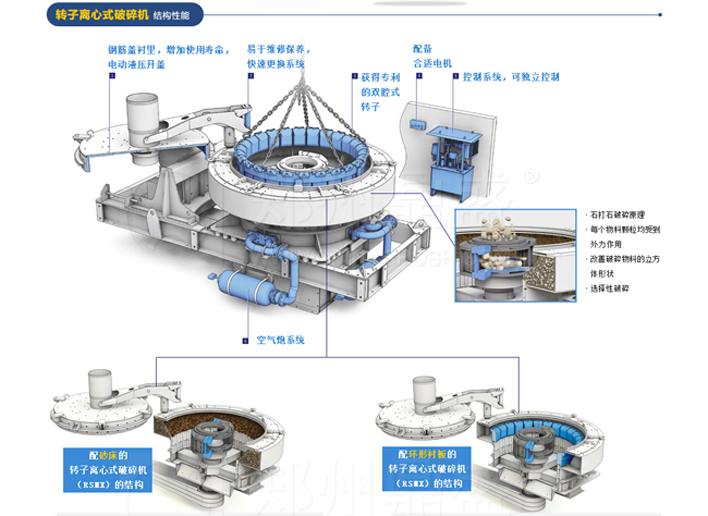
Source heavy-duty mining machinery from vetted manufacturers and suppliers built for extreme operational environments. This catalog is designed for importers, distributors, and procurement managers requiring bulk orders, custom specifications, and OEM production.
Sourcing heavy-duty mining machinery from overseas manufacturers requires more than just comparing spec sheets. For equipment subjected to continuous abrasion, high impact, and extreme loads, the difference between a profitable asset and a maintenance liability lies in metallurgy, core component sourcing, and rigorous factory-level quality control. When importing at scale, ensuring the factory has the engineering capability to meet specific regional emissions and safety standards is critical.
Critical Specifications and Component Sourcing
The baseline quality of mining equipment—whether crushers, drills, or loaders—is dictated by the bill of materials (BOM). Many manufacturers offer tiered pricing based on the origin of critical internal components. Relying on default "standard" configurations often results in localized components that may not survive continuous high-yield mining operations.
Experienced buyers specify exact brands or performance grades for the "Big Three" systems: engines, hydraulics, and wear metallurgy.
| Component System | Standard Factory Spec | Premium / Export Spec |
|---|---|---|
| Engine & Emissions | Domestic brand, Tier 2/3 equivalent | Cummins/Weichai, EPA Tier 4 Final / Stage V |
| Hydraulic Pumps & Valves | Local generic (lower pressure limits) | Rexroth, Kawasaki, or Danfoss |
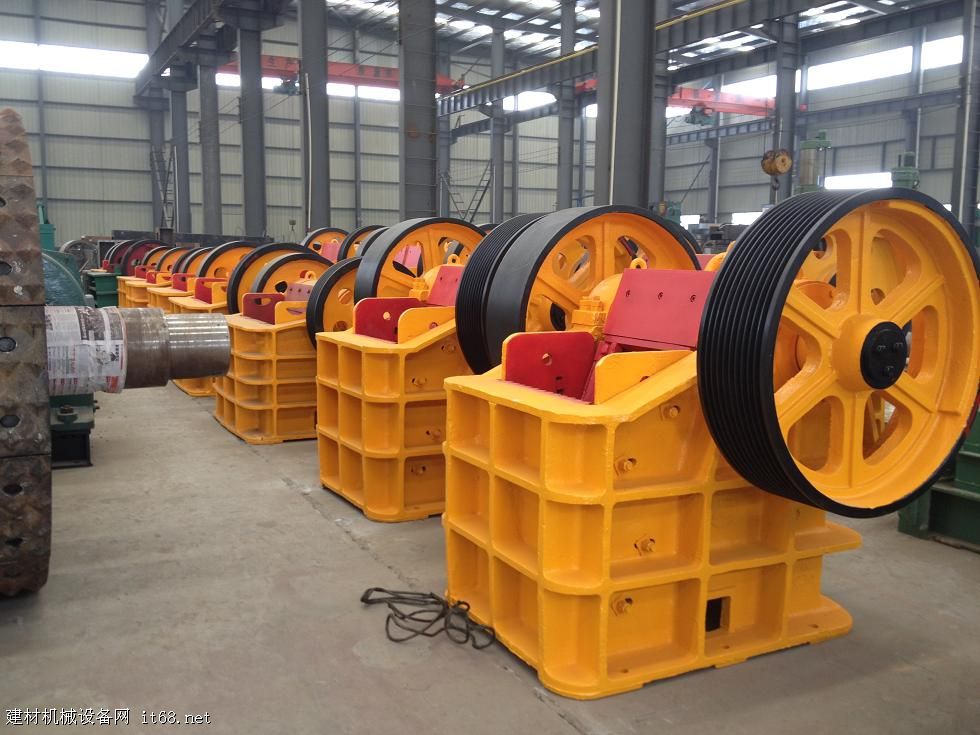
| Wear Parts (Crushers/Buckets) | Standard carbon steel (Q345) | High-manganese steel (Mn13Cr2), Hardox 450/500 |
| Bearings | Domestic standard | SKF, Timken, or FAG |
Ensure your mining equipment meets rigorous international standards with our on-the-ground engineering and sourcing support.
Talk to our teamManufacturing Tolerances and Quality Control
Heavy machinery manufacturing is highly decentralized in China, with hubs in Shandong, Hunan, and Jiangsu. The primary risk when sourcing is partnering with an assembler who lacks in-house machining and metallurgical control, rather than a true manufacturer.
Validating a supplier's production capability requires on-site Factory Audits to assess their welding robotics, CNC machining centers, and heat-treatment facilities. If a factory outsources heat treatment for critical shafts and gears, the risk of premature catastrophic failure increases significantly.
To prevent receiving sub-standard equipment, your Quality Control & Inspection protocol must include:
Essential Factory-Level Inspections
- Non-Destructive Testing (NDT): Ultrasonic or X-ray inspection on all primary structural welds (booms, chassis, crusher frames).
- Hydraulic Pressure Testing: Sustained load tests to check for seal integrity and pressure drops over a 24-hour period.
- Metallurgical Verification: PMI (Positive Material Identification) testing on high-wear components to confirm manganese and chromium content.
- Operational Load Testing: Running the machinery under simulated maximum load conditions prior to final sign-off.
If your target market requires strict adherence to CE, EPA, or ROPS/FOPS (Roll-Over/Falling Object Protective Structures) standards, you must verify that the factory's certifications apply to the exact model you are purchasing, not just their general facility. Integrating Compliance & Testing early in the procurement cycle prevents customs seizures and liability issues.
Pricing, MOQs, and Lead Times
Mining machinery is capital-intensive, and the procurement mechanics differ vastly from standard industrial goods. Pricing is highly volatile, indexing closely to global steel prices and the cost of imported core components.
Logistics for this category are complex. Oversized mining equipment rarely fits in standard High Cube containers. You will frequently deal with Flat Rack containers, Open Top containers, or RoRo (Roll-on/Roll-off) shipping for fully assembled vehicles. Coordinating these Out of Gauge (OOG) shipments requires specialized Shipping & Freight expertise to avoid exorbitant port storage fees and ensure safe lashing.
Need help negotiating technical specifications, securing favorable terms, and managing heavy equipment logistics?
Get a free consultationFrequently Asked Questions
Maximizing Total Cost of Ownership
Successfully importing mining machinery is about optimizing the Total Cost of Ownership (TCO), not just securing the lowest FOB price. A machine that costs 15 percent less upfront but suffers from frequent hydraulic failures or structural cracking will quickly erode your margins through downtime. By enforcing strict component specifications, conducting rigorous on-site inspections, and managing the complex logistics of heavy freight, you ensure your equipment performs reliably in the field.
Get Sourcing Help for Mining Machinery
Tell us your requirements and our experts will connect you with verified manufacturers.