Micrometers
Source high-precision micrometers directly from vetted manufacturers and wholesale suppliers. Built for importers, industrial distributors, and brands requiring reliable OEM and private-label production. Secure bulk orders with strict quality control, verified factory capabilities, and competitive factory-direct pricing.
Sourcing precision measuring tools requires strict adherence to international metrology standards, such as DIN 863. The core challenge when buying micrometers in bulk is not simply finding a supplier; it is identifying a manufacturing partner capable of maintaining exact spindle thread accuracy and anvil parallelism across production runs of thousands of units. A minor deviation in the thread pitch or a poorly lapped measuring face renders the tool useless for professional applications.
Core Specifications for Bulk Procurement
When negotiating with factories, your technical specifications must be exact to avoid receiving hobbyist-grade tools masquerading as industrial equipment.
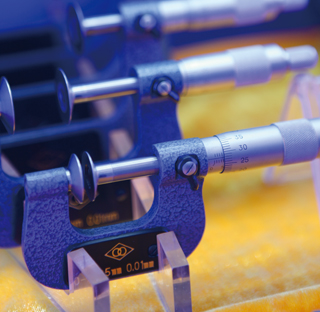
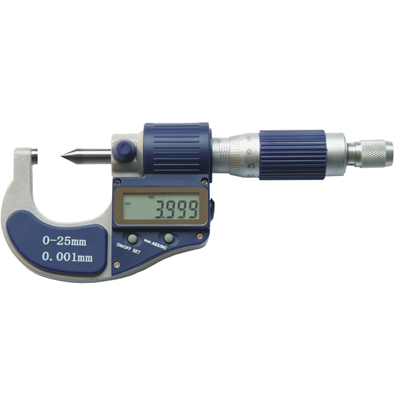
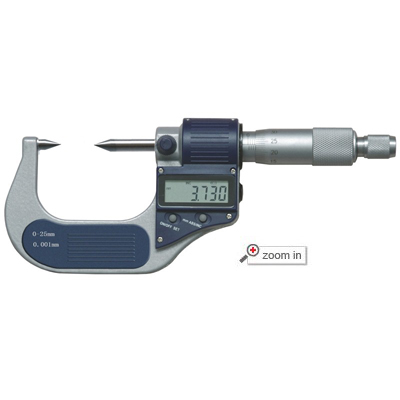
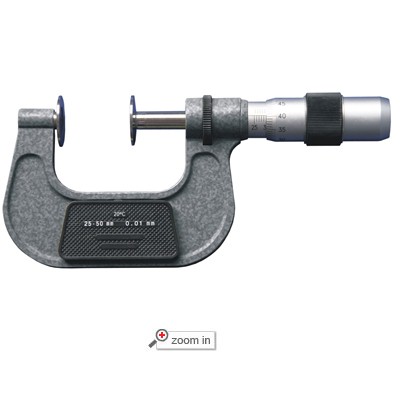
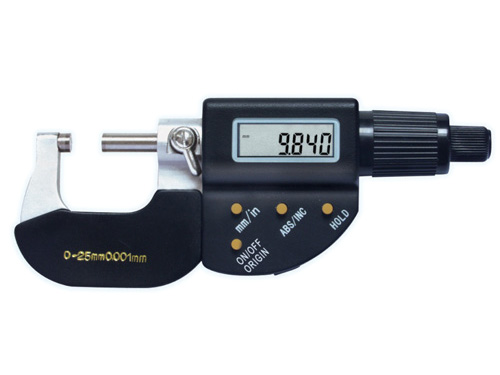
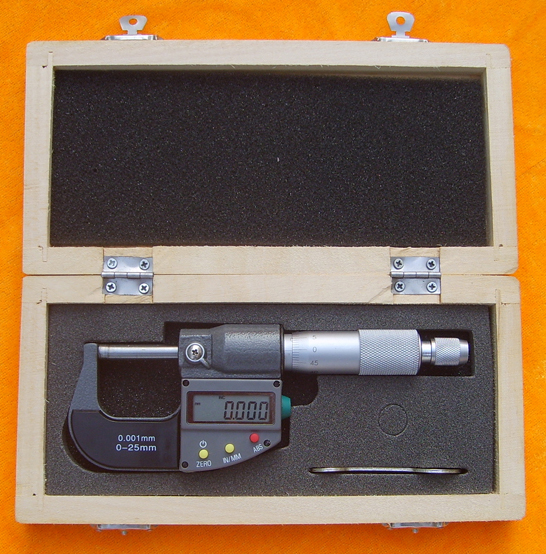
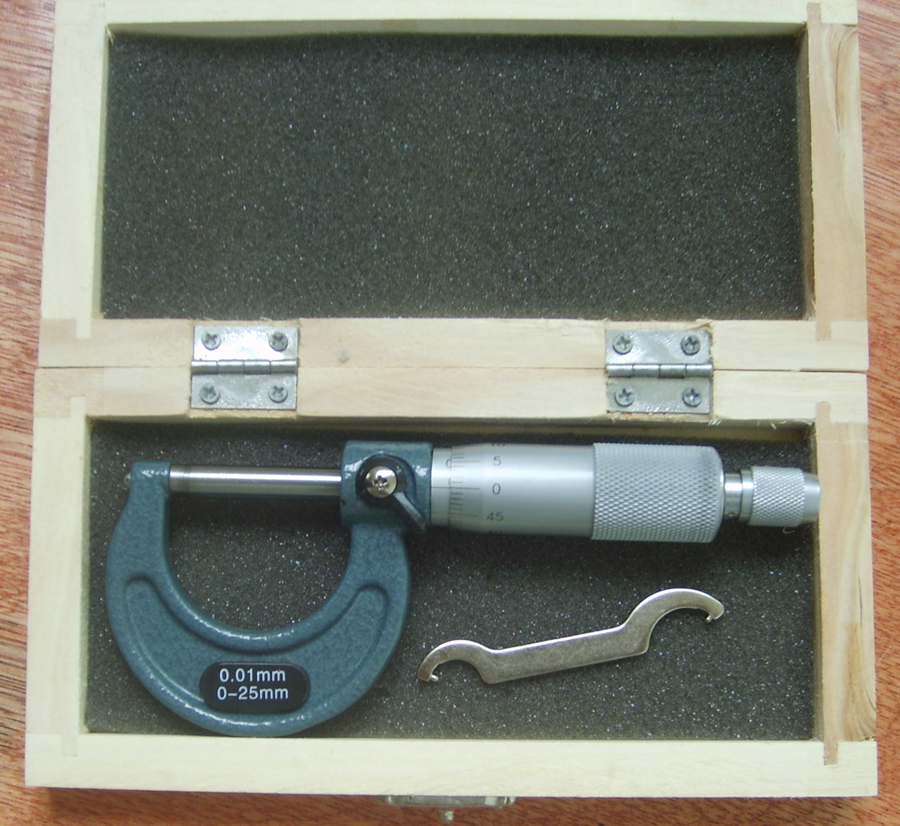
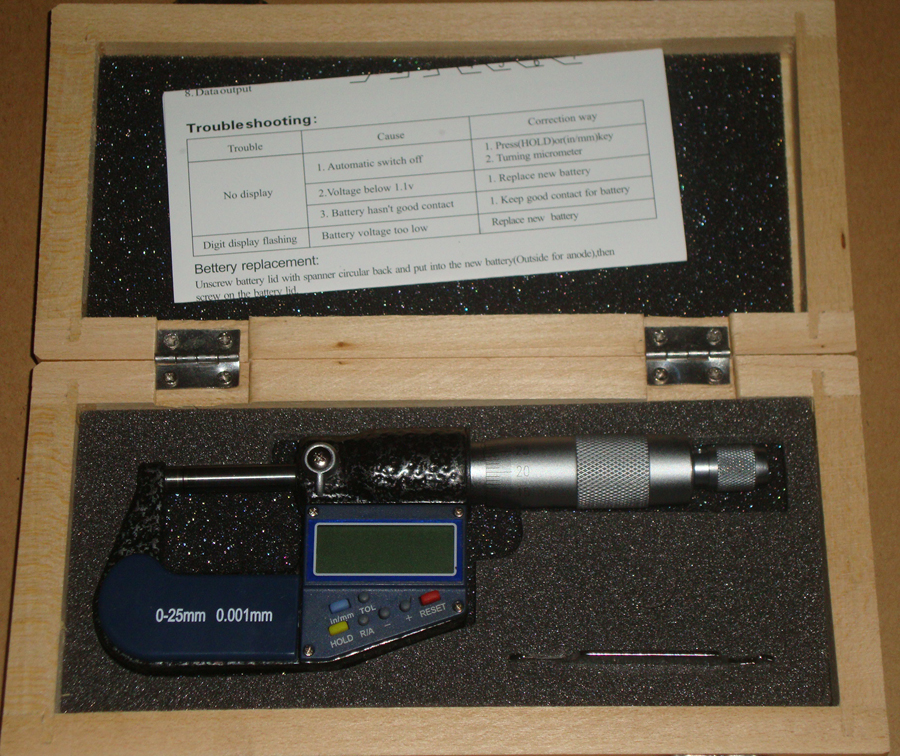
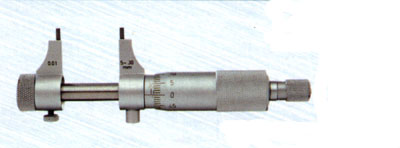
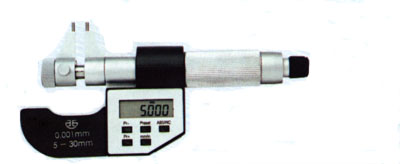
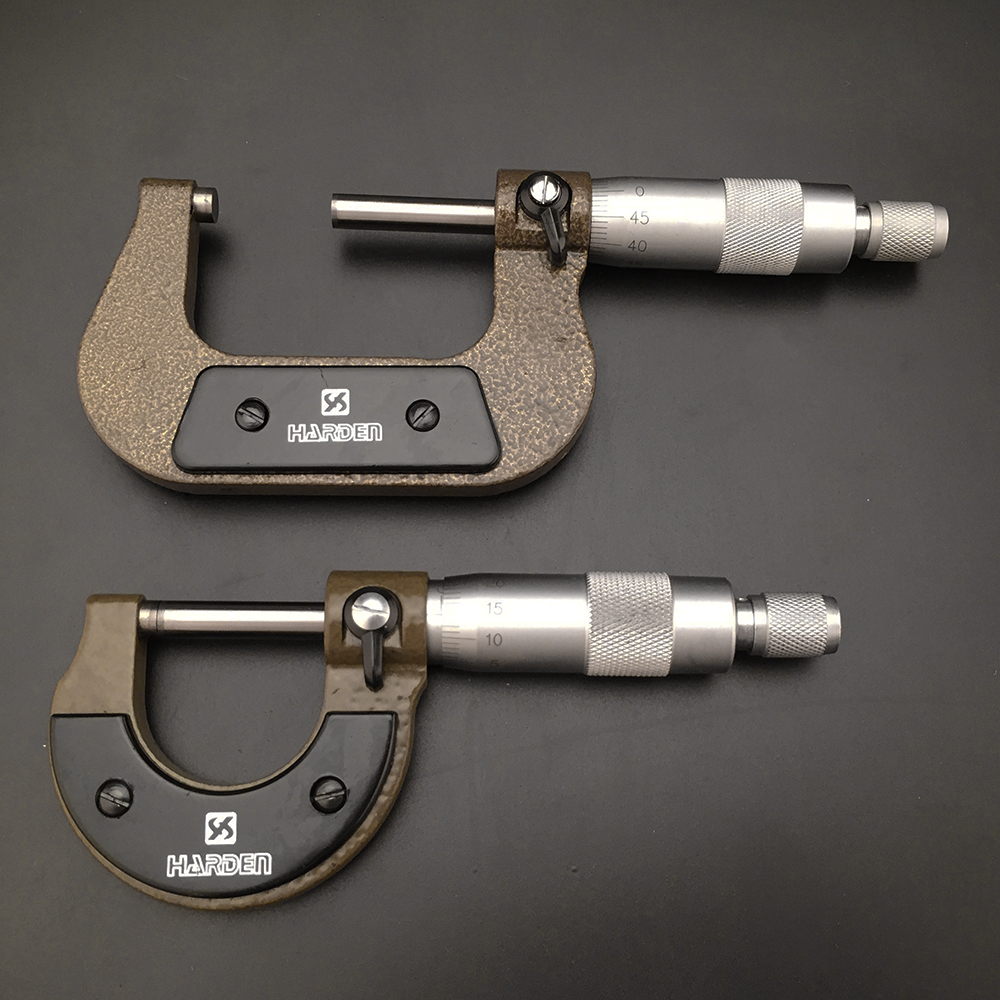
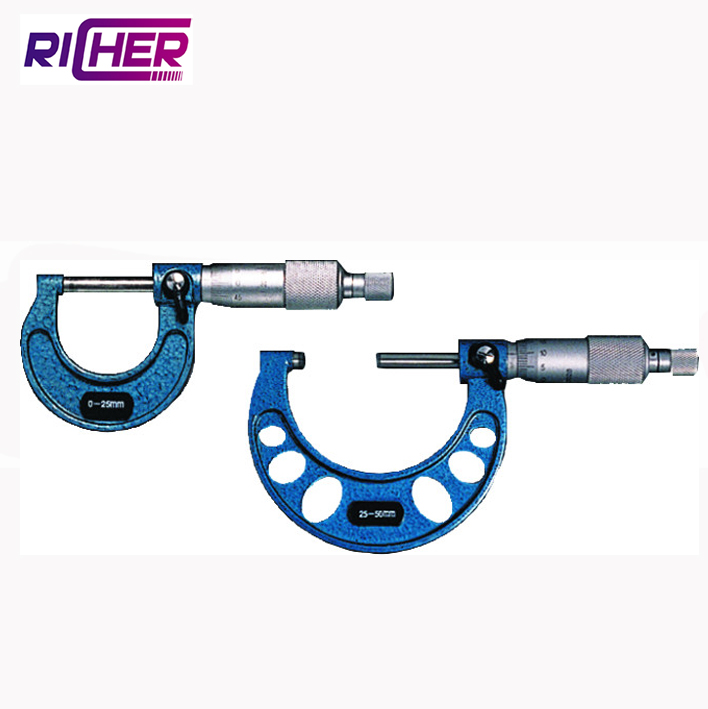
- Measuring Range & Resolution: Standard ranges (0-25mm, 25-50mm, up to 300mm) dictate the frame size. Mechanical micrometers typically offer a resolution of 0.01mm, while digital variants provide 0.001mm.
- Measuring Faces: Industrial-grade micrometers require carbide-tipped anvils and spindles. Specify the thickness of the carbide insert; budget suppliers often use extremely thin layers that wear down quickly.
- Constant Force Mechanism: Specify whether you require a ratchet stop, friction thimble, or ratchet thimble. The ratchet stop is standard for ensuring consistent measuring force, but the internal spring tension must be calibrated correctly.
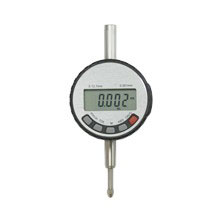
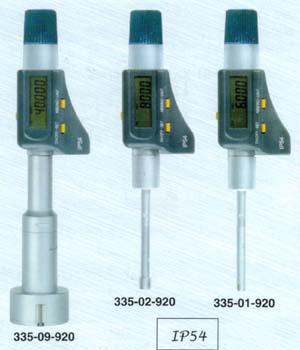
- Digital Protection: For digital (electronic) micrometers, specify the required Ingress Protection rating. IP65 is the standard for shop-floor environments, protecting against coolant and dust.
Struggling to find a factory that meets strict metrology standards? Let us connect you with vetted manufacturers capable of true industrial precision.
Talk to our teamWhere Quality is Won or Lost on the Factory Floor
The difference between a reliable precision instrument and a defective one comes down to the factory's machining and environmental controls.
| Component | Standard Production | High-Precision Production |
|---|---|---|
| Spindle Thread | Standard lathe cut | Precision ground in climate-controlled rooms |
| Measuring Faces | Basic machine lapped | Optically flat, micro-lapped for parallelism |
| Frame | Stamped steel or basic cast | Drop-forged steel or stabilized cast iron |
| Finish | Standard chrome | Satin-chrome finish to eliminate glare |
The most critical step is the grinding of the micrometer's internal thread. If a factory does not maintain a strict temperature-controlled environment during thread grinding, thermal expansion will introduce non-linear pitch errors. When evaluating a new supplier, on-site factory audits are essential to verify that their grinding and calibration rooms meet these environmental requirements.
Pre-Shipment Calibration Checks
- Zero-point setting stability across multiple uses
- Parallelism of measuring faces using optical parallels
- Accuracy check at multiple points using calibrated gauge blocks
- Ratchet stop engagement force consistency
- Battery drain testing for digital modules
Implementing robust quality control and inspection protocols before the goods leave the facility ensures that out-of-tolerance units are caught and reworked at the factory's expense, not yours.
Production Realities: MOQs, Pricing, and Lead Times
Pricing for micrometers is heavily dependent on the type (mechanical vs. digital), the accuracy grade, and the level of custom branding required.
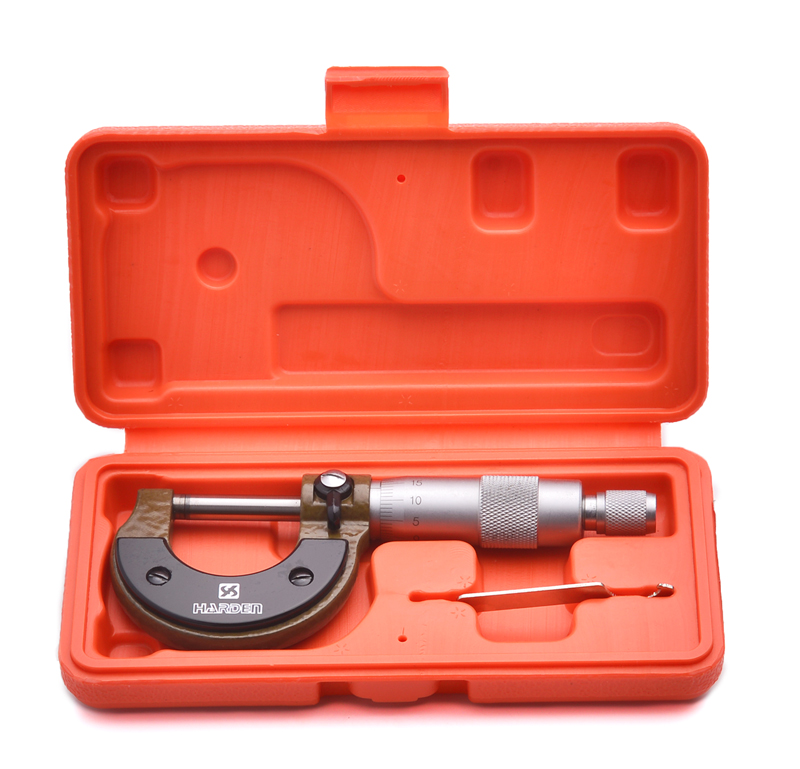
If you are developing a private-label line of measuring tools, utilizing OEM/ODM services allows you to customize the frame color, thimble style, and protective casing. Keep in mind that digital modules often have longer lead times due to electronic component sourcing.
Need accurate pricing and lead times for your next bulk order? We can negotiate terms and manage the production schedule on your behalf.
Get a free consultationSuccessfully sourcing micrometers requires looking past the polished exterior to verify the factory's underlying metrology capabilities. By enforcing strict tolerances and validating the manufacturing environment, you can secure reliable measuring tools that protect your brand's reputation in the industrial market.
Get Sourcing Help for Micrometers
Tell us your requirements and our experts will connect you with verified manufacturers.