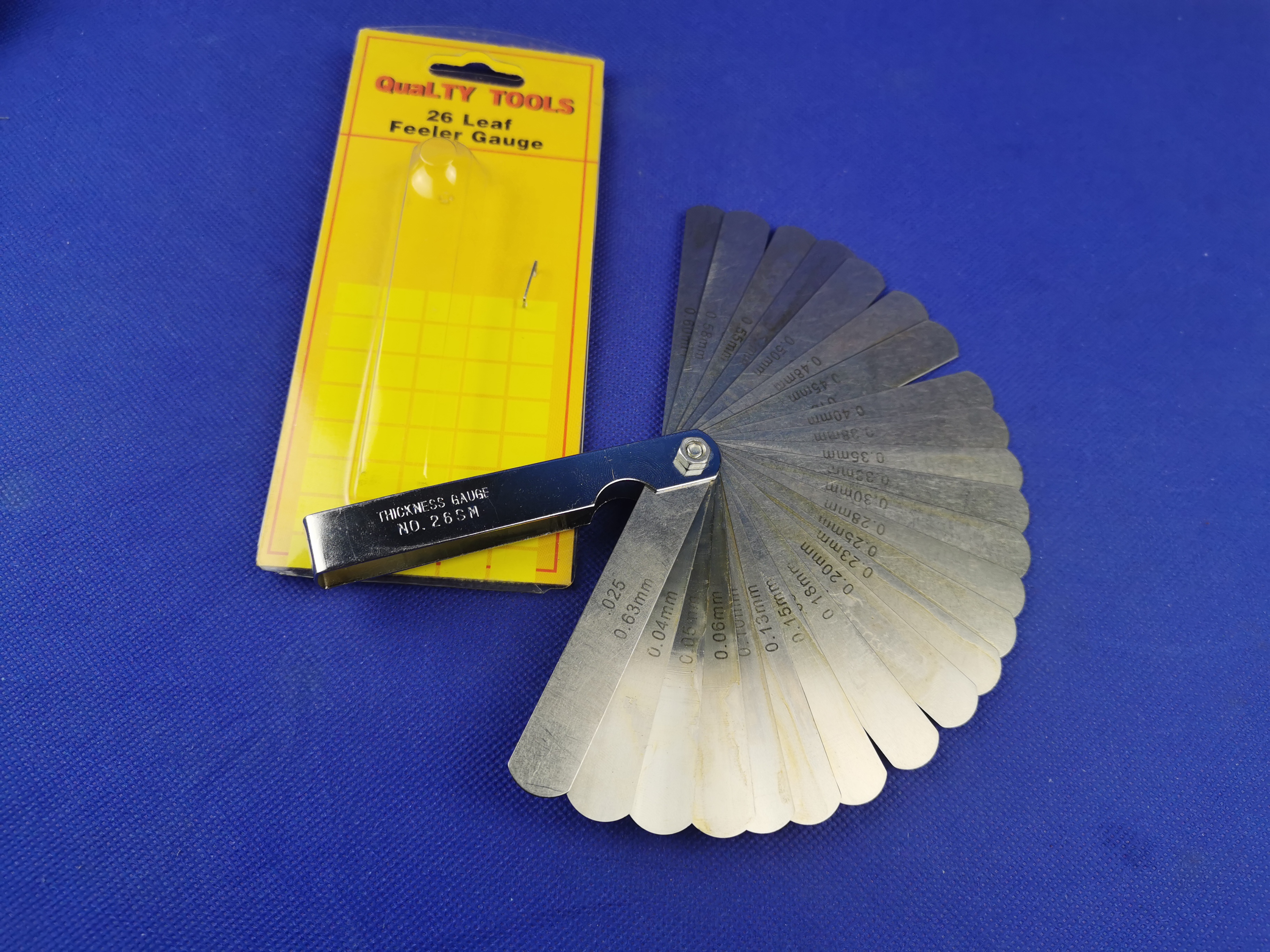
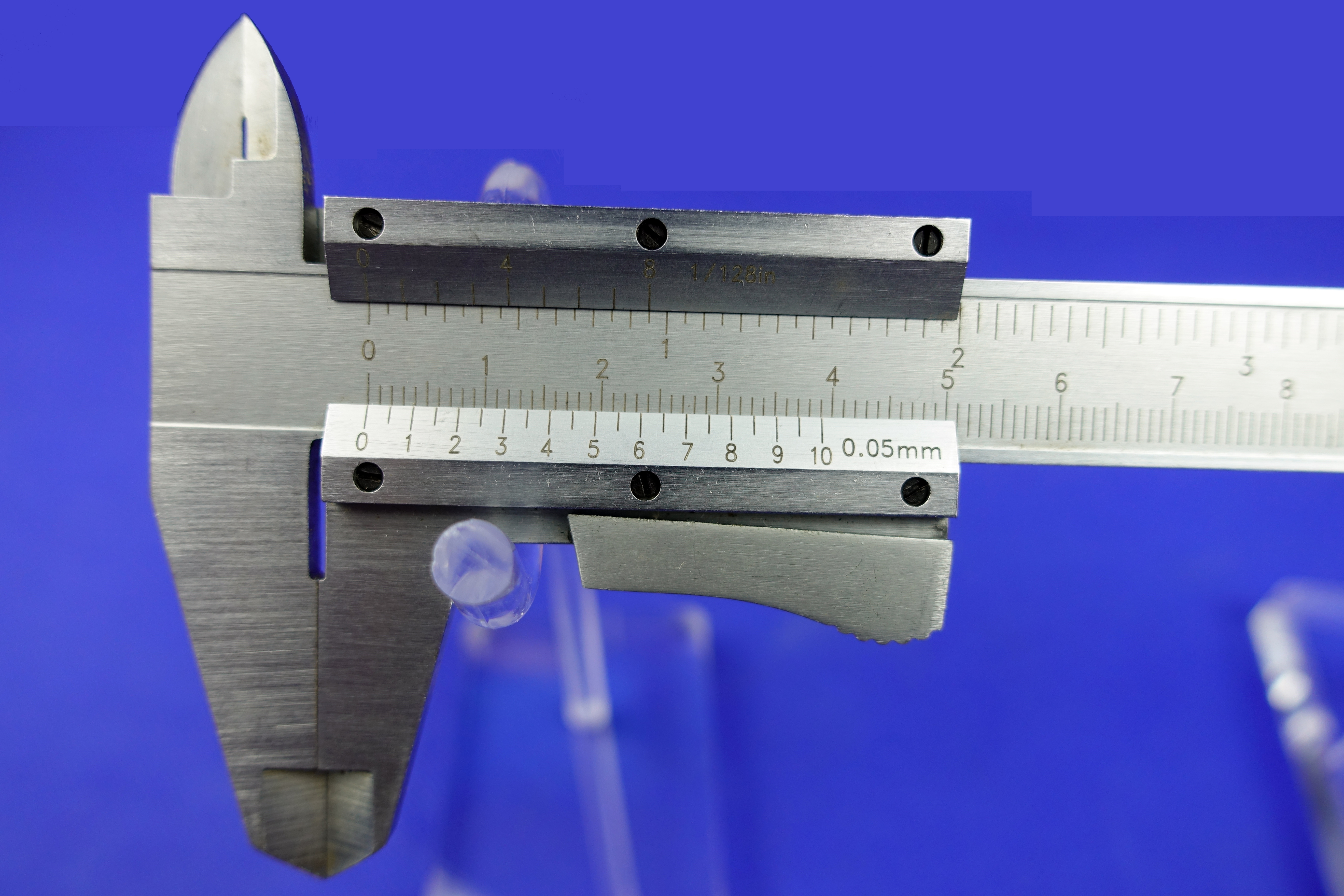
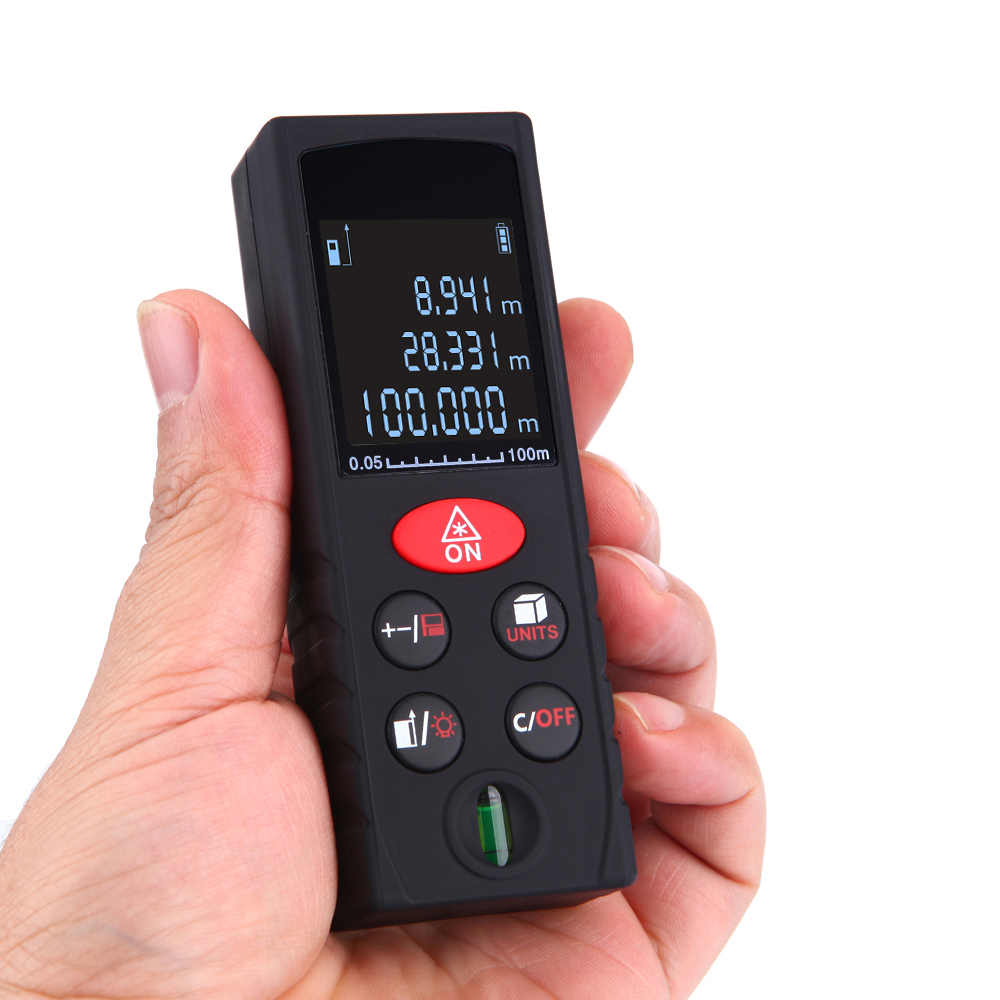
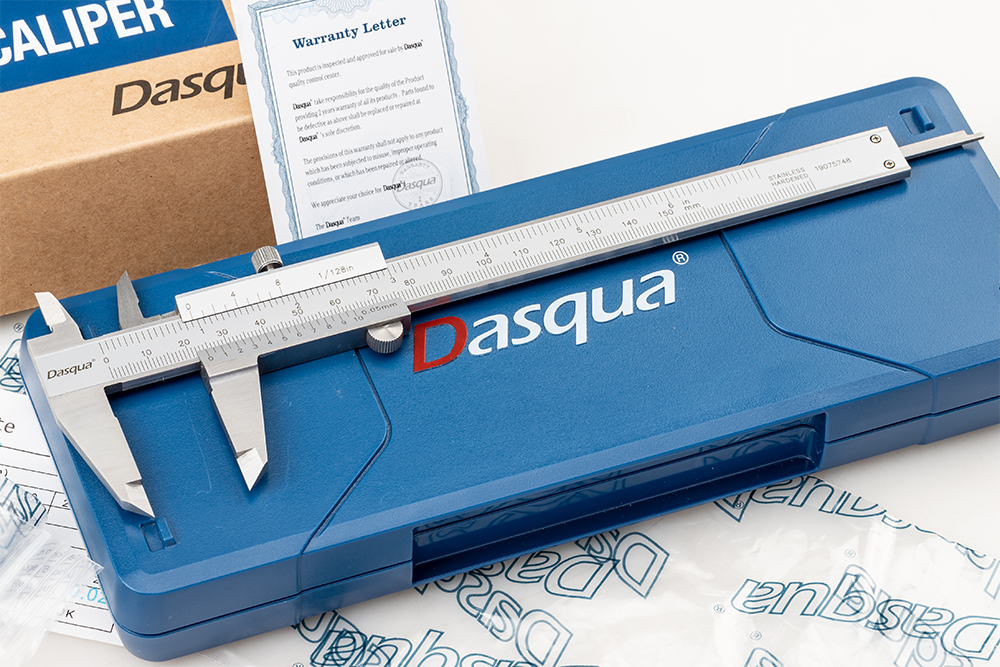
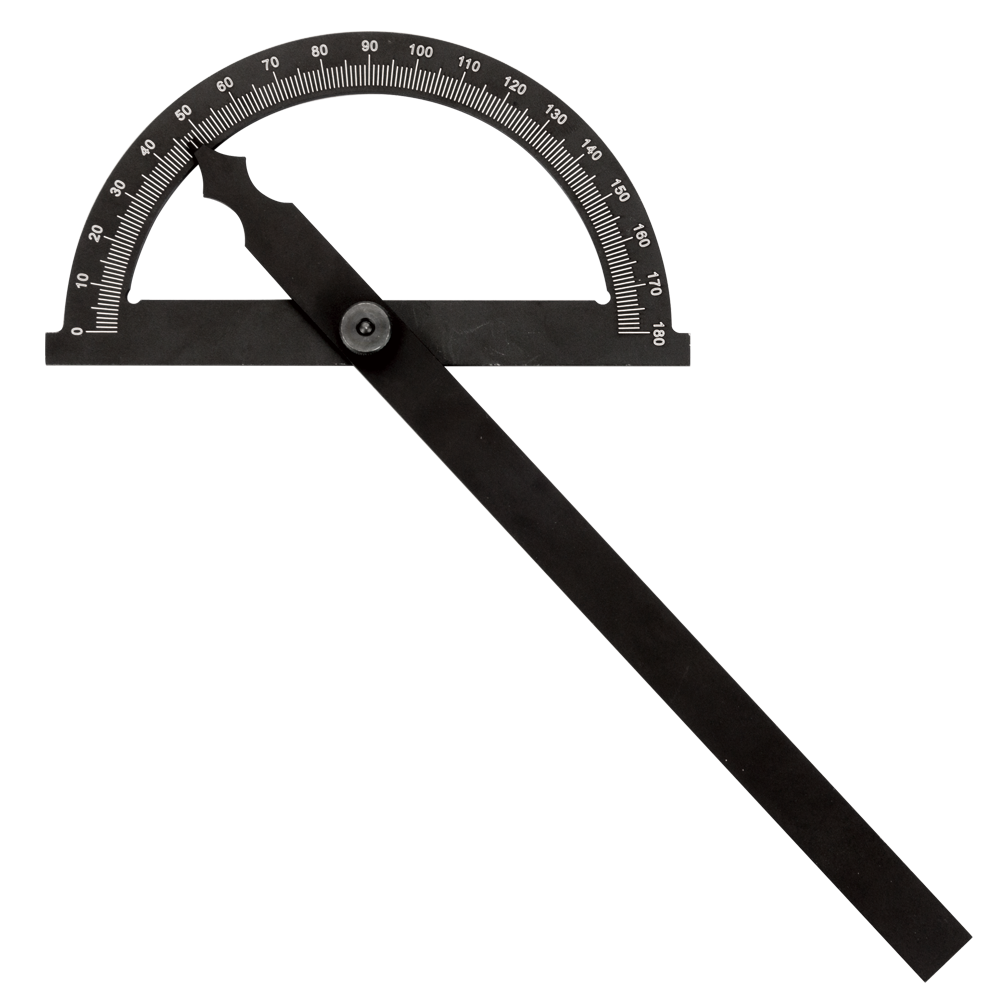
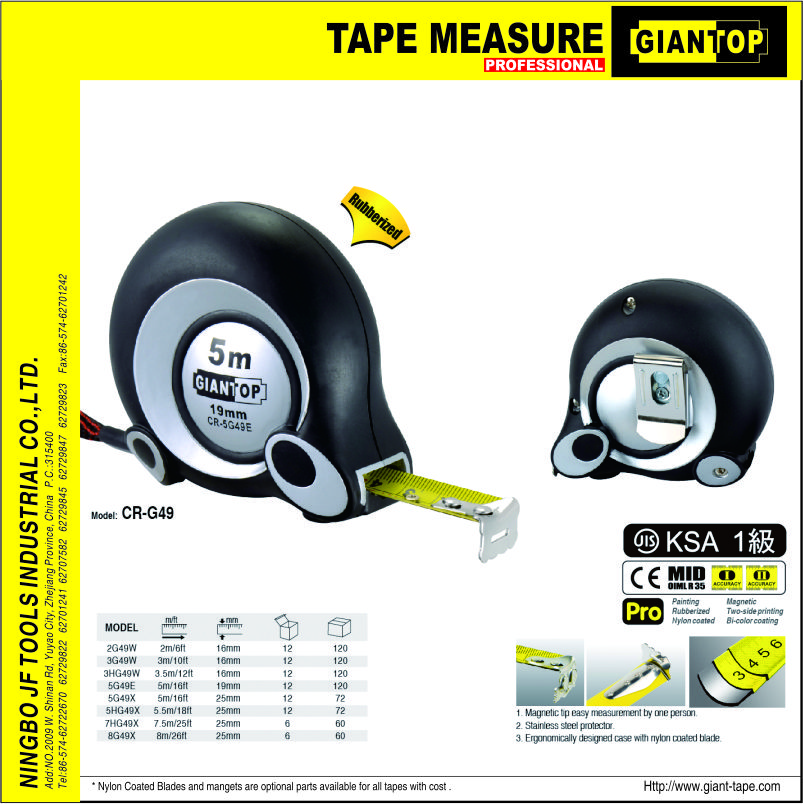
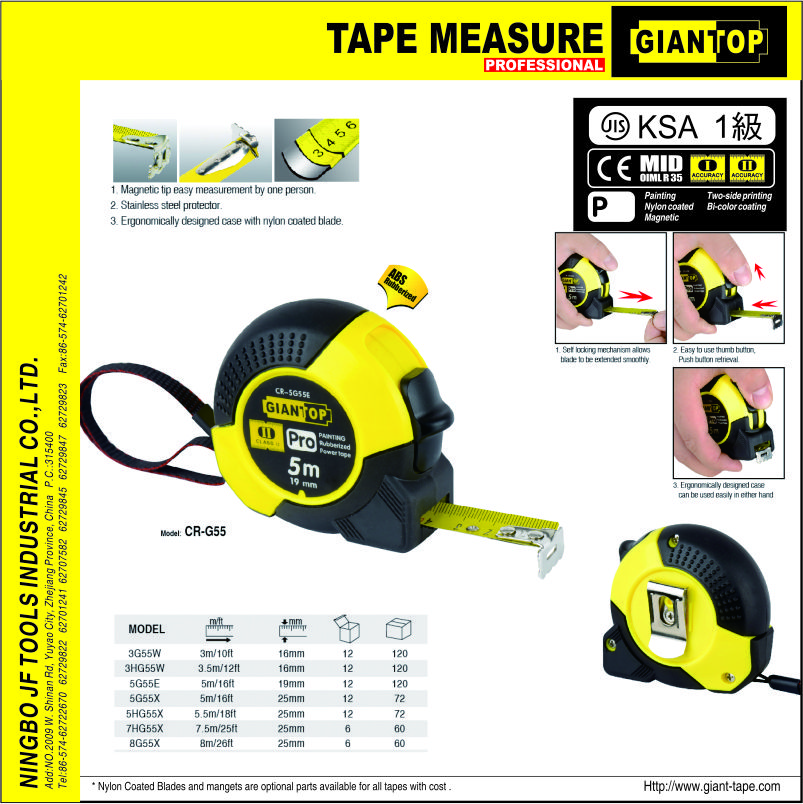
Measuring tools and machines
Source precision measuring tools and machines from vetted suppliers and manufacturers. Designed for industrial importers, wholesale distributors, and brands seeking reliable OEM and private-label production, our network delivers bulk quantities of high-accuracy metrology equipment built to rigorous international standards.
Sourcing metrology equipment requires strict adherence to dimensional tolerances, material stability, and electronic reliability. The core challenge for volume buyers is identifying manufacturing partners capable of maintaining consistent calibration and sensor accuracy across high-volume production runs, without inflating unit costs beyond market viability.
Key Specifications for Metrology Sourcing
When drafting purchase orders or technical files for measuring tools, vague specifications lead to unacceptable calibration drift. Professional buyers must define the exact mechanical and electronic parameters expected from the factory.
Critical Specifications to Define
- Material and Hardness: Specify hardened stainless steel (typically HRC 50-55) for beams and frames, and carbide or ceramic for measuring faces.
- Accuracy and Resolution: Define maximum permissible error (MPE) and resolution based on international standards (e.g., DIN 862, ISO 3611).
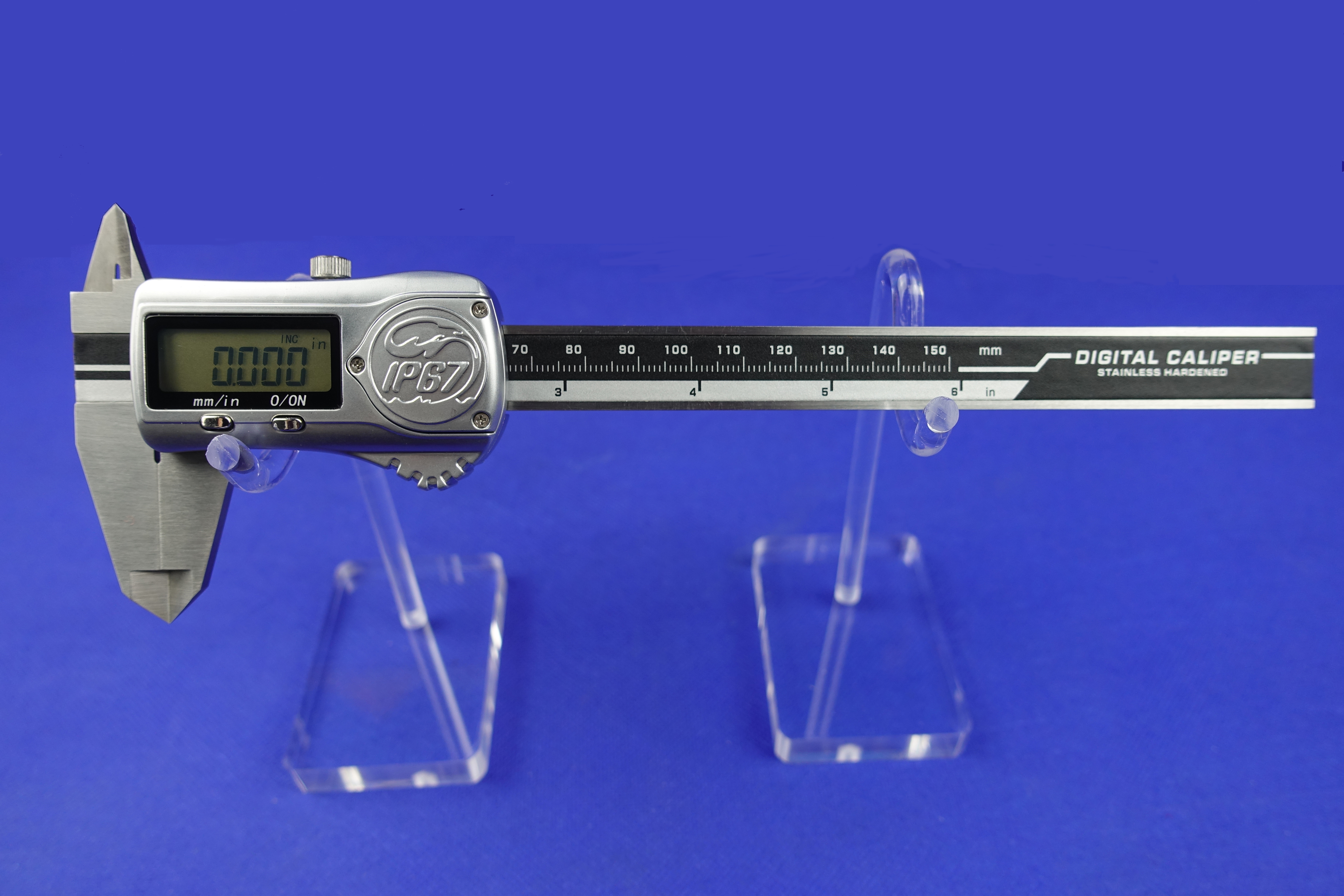
- Ingress Protection: For digital tools used in machining environments, specify IP54 for coolant resistance or IP67 for full liquid immersion.
- Data Output Protocols: Specify required interfaces for statistical process control (SPC), such as RS232, USB, or integrated wireless transmission.
- Operating Environment: Define acceptable temperature ranges for accurate operation, typically 0 to 40 degrees Celsius.
Struggling to find suppliers who can meet strict DIN or ISO accuracy standards at scale? Let us match you with vetted metrology manufacturers.
Talk to our teamManufacturing Quality and Supplier Capabilities
The precision of measuring tools is entirely dependent on the factory's own machining and assembly environment. High-end metrology manufacturers utilize temperature-controlled grinding rooms to prevent thermal expansion during the machining of tool frames.
If a factory lacks these environmental controls, the baseline accuracy of the tool is compromised before assembly even begins. Conducting comprehensive Factory Audits is essential to verify the presence of laser interferometers and high-precision gauge blocks used for in-house calibration.
Electronic Integration and OEM/ODM
For digital measuring instruments, the quality of the capacitive or inductive sensor grid dictates performance. Cheaper sensors suffer from "speed errors"—losing track of position if the tool is moved too quickly.
When utilizing OEM/ODM Services to develop private-label digital tools, buyers must specify the refresh rate of the sensor and the quality of the main PCB. Customization often includes branded ABS casings, localized software interfaces for advanced measuring machines, and custom firmware for specific SPC data formats.
| Component | Standard Quality | Industrial/Premium Quality |
|---|---|---|
| Measuring Faces | Standard hardened steel | Micro-lapped tungsten carbide |
| Digital Sensors | Standard capacitive (speed sensitive) | Inductive or high-speed absolute encoders |
| Machining Process | Standard ambient grinding | Temperature-controlled precision grinding |
To ensure these specifications are met, rigorous Quality Control & Inspection must be implemented. Pre-shipment inspections should include AQL sampling that tests tools against certified gauge blocks across their full measuring range, not just at the zero point.
Pricing, MOQs, and Lead Times
The metrology sector features distinct tiers of pricing and minimum order quantities based on the complexity of the equipment. Handheld mechanical tools are volume-driven, while advanced optical or coordinate measuring machines (CMMs) are sourced on a per-project basis.
Need realistic pricing models for a new line of private-label measuring tools? Our sourcing experts can provide detailed cost breakdowns.
Get a free consultationFrequently Asked Questions
Successfully sourcing measuring tools and machines requires looking past the outward appearance of the instrument to validate the factory's underlying machining capabilities and sensor technology. Partnering with experienced sourcing professionals ensures your supply chain is built on verified precision, protecting your brand's reputation in the industrial market.
Get Sourcing Help for Measuring tools and machines
Tell us your requirements and our experts will connect you with verified manufacturers.