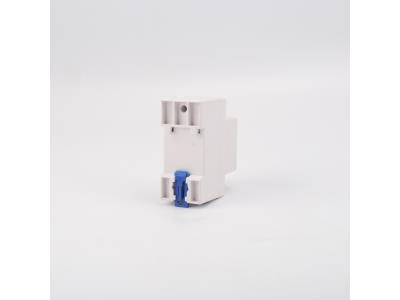
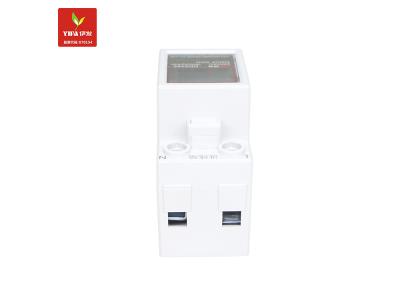
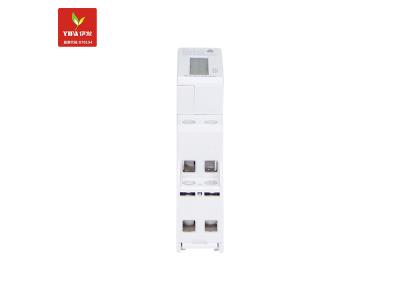
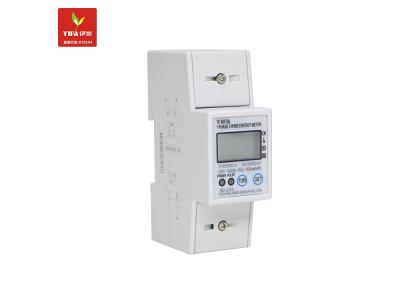
Measuring Meter
Source industrial-grade Measuring Meters directly from vetted manufacturers and wholesale suppliers. Engineered for electrical distributors, procurement managers, and brands seeking reliable OEM production, our network delivers precision T&D instruments built for accuracy, compliance, and long-term stability.
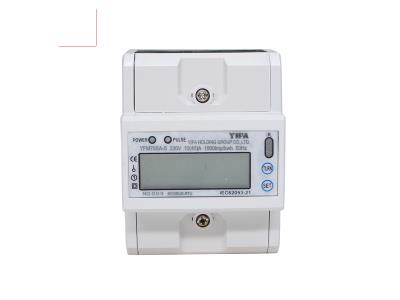
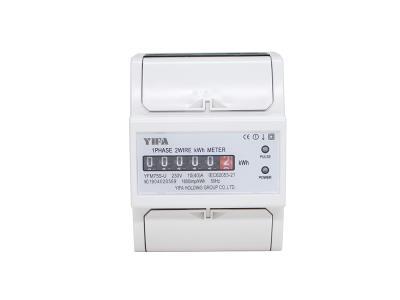
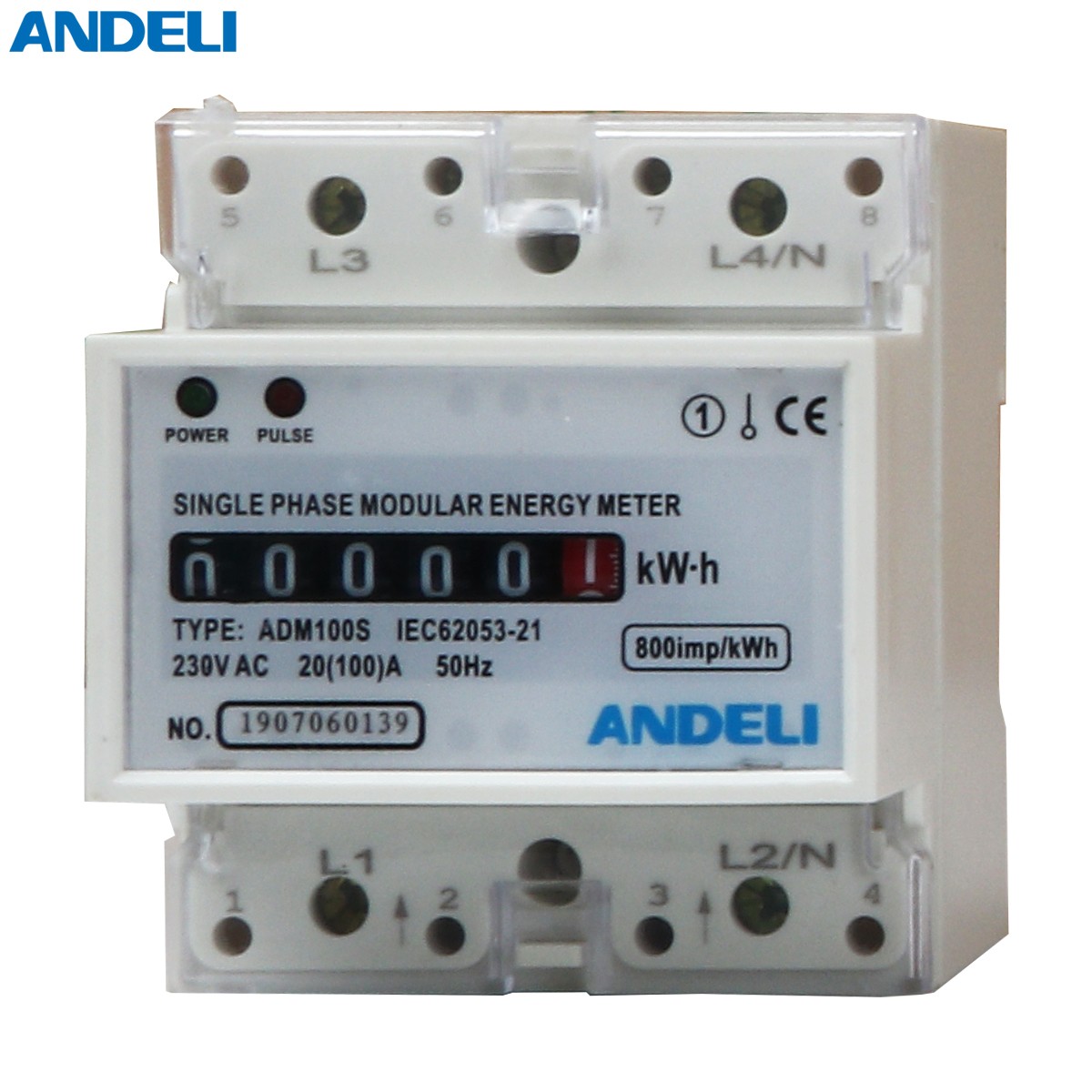
Sourcing measuring meters for power transmission and distribution (T&D) requires strict attention to component quality, calibration stability, and protocol compatibility. Whether you are procuring standard panel meters for industrial switchgear or advanced smart energy meters for utility grids, the factory's engineering capabilities dictate the instrument's field lifespan.
Core Specifications for T&D Measuring Meters
When negotiating with manufacturers, vague specifications lead to substitute components and calibration drift. You must clearly define the hardware and software architecture before production begins.
- Accuracy Class: Utility and revenue-grade applications demand 0.2s or 0.5s accuracy, requiring high-precision analog-to-digital converters (ADCs) and premium current transformers (CTs). General industrial monitoring can often operate on Class 1.0 or 2.0.
- Input Ratings: Specify the nominal and maximum voltage (e.g., 3x230/400V) and current inputs (e.g., 1A or 5A via CT, or direct connect up to 100A).
- Communication Protocols: Smart meters and power quality analyzers must integrate seamlessly with SCADA systems. Specify the exact protocol (Modbus RTU, Modbus TCP/IP, IEC 61850, DNP3) and the physical layer (RS485, Ethernet, LoRa, NB-IoT).
- Environmental Protection: T&D environments are harsh. Specify IP54 or IP65 ratings for the front panel, conformal coating on the PCBs to prevent moisture ingress, and an operating temperature range suitable for the deployment region (typically -25°C to 70°C).
| Meter Type | Typical Accuracy | Primary Application | Key Sourcing Focus |
|---|---|---|---|
| Digital Panel Meters | Class 0.5 - 1.0 | Switchgear monitoring | Display lifespan & basic Modbus stability |
| Smart Energy Meters | Class 0.2s - 0.5s | Utility billing & sub-metering | ADC chip authenticity & firmware security |
| Power Quality Analyzers | Class 0.2s | Grid harmonic analysis | High-frequency sampling rates & memory |
Need help verifying a manufacturer's technical capabilities? Our engineers can evaluate supplier specs before you order.
Talk to our teamManufacturing Tolerances and Quality Control
The physical assembly of a measuring meter is straightforward; the difficulty lies in component authenticity and the calibration process. Many low-tier factories use cloned ICs or rush the aging process, resulting in meters that pass initial testing but drift out of tolerance within months.
The Production and Calibration Process
SMT & Component Assembly
Automated Pick-and-Place machines mount the ADCs, microcontrollers, and communication chips onto the PCB. Premium factories use automated optical inspection (AOI) to verify solder joints.
Conformal Coating
PCBs intended for T&D applications receive a protective chemical coating to prevent short circuits from humidity and dust.
Burn-in Testing
Assembled boards are powered on in environmental chambers at elevated temperatures (often 60°C to 70°C) for 24 to 72 hours to force early component failures.
Automated Calibration
Meters are connected to highly accurate reference standard test benches. Software automatically calibrates the meter across multiple load points and power factors.
To ensure long-term reliability, professional buyers implement rigorous Quality Control & Inspection protocols, focusing heavily on the calibration records and component bill of materials (BOM).
Factory Evaluation Checklist
- Does the factory own automated calibration test benches (e.g., from brands like ZERA or MTE)?
- Are their reference standards calibrated annually by a certified third-party lab?
- Do they perform 100% burn-in testing, or only batch sampling?
- Can they provide traceability for critical components (ADCs, microcontrollers)?
Compliance and Certification
In the T&D sector, uncertified meters are a liability. Regional standards are non-negotiable, and proving compliance requires extensive documentation.
- International Standards: IEC 62052 (General Requirements) and IEC 62053 (Particular Requirements) are the baseline for most global markets.
- Regional Approvals: The MID (Measuring Instruments Directive) is required for billing meters in Europe. North America relies on ANSI C12 standards.
- Type Testing: Factories should provide full Type Test Reports from accredited laboratories (like KEMA or SGS) for the exact model you are purchasing.
If you are modifying a standard design or developing a new product, you will need to undergo fresh Compliance & Testing to ensure the modified unit meets regulatory requirements.
Pricing, MOQs, and Lead Times
Pricing for measuring meters varies drastically based on the accuracy class, communication modules, and the origin of the internal components.
When utilizing OEM/ODM Services to build custom meters, expect longer lead times for the initial batch due to firmware debugging and protocol integration testing. High-end smart meters with advanced cellular modules (NB-IoT/LTE-M) will carry a significant price premium over standard RS485 units, and component shortages in the semiconductor market can occasionally impact lead times for these specific models.
Struggling with high MOQs or inconsistent pricing? Let us negotiate with top-tier T&D meter manufacturers on your behalf.
Get a free consultationFrequently Asked Questions
Successfully sourcing T&D measuring meters requires looking past the external casing to scrutinize the PCB design, component sourcing, and calibration infrastructure. By partnering with factories that invest in automated testing and strict BOM control, you ensure your instruments deliver reliable data for years to come.
Get Sourcing Help for Measuring Meter
Tell us your requirements and our experts will connect you with verified manufacturers.