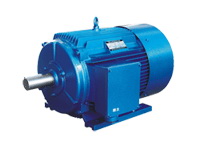
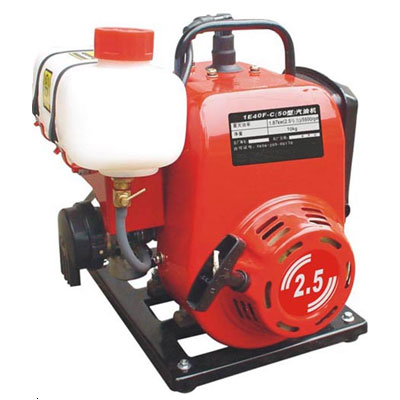
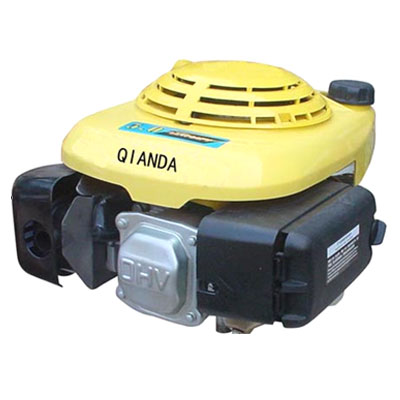
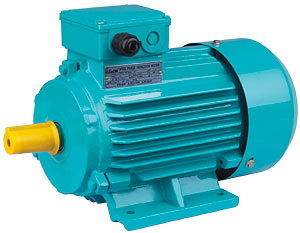
Machinery Engines
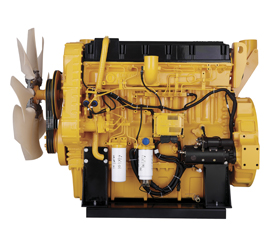
Source industrial Machinery Engines directly from vetted manufacturers and wholesale suppliers. Engineered for heavy-duty applications, this category serves importers, distributors, and OEM brands seeking reliable bulk production, rigorous quality control, and strict adherence to global emissions standards.
Sourcing industrial machinery engines requires balancing raw power output with stringent regulatory compliance. Whether you are integrating power plants into agricultural equipment, construction machinery, or stationary generator sets, the engine is the beating heart of the machine. A failure in the field means catastrophic downtime and reputational damage. Success in bulk procurement relies on identifying manufacturers with advanced machining capabilities, rigorous testing protocols, and the ability to meet international emission standards consistently.
Defining Your Core Engine Specifications
Manufacturers need highly specific technical requirements to quote accurately and build correctly. Vague specifications lead to mismatched torque curves or inadequate cooling systems for the intended operating environment.
Critical Engine Specifications to Define
- Rated Power & Peak Torque: Specify continuous horsepower (HP) or kilowatts (kW) and the exact RPM where peak torque is achieved.
- Cooling System: Determine if the application requires air-cooled (simpler, lighter) or liquid-cooled (better for continuous heavy loads) architecture.
- Aspiration: Specify naturally aspirated, turbocharged, or turbocharged after-cooled setups based on altitude and power density needs.
- Mounting & PTO: Define the Power Take-Off (PTO) configuration, flywheel housing standard (e.g., SAE sizes), and mounting point dimensions.
Need help matching your machinery's power requirements to the right engine manufacturer? Let's review your technical specifications.
Talk to our teamManufacturing Tolerances and Quality Control
The durability of an internal combustion engine is won or lost in the foundry and on the CNC machining line. The block and cylinder head casting process must be free of porosity, and the machining of the cylinder bores, crankshaft journals, and valve seats must be held to micron-level tolerances.
When evaluating a factory, look for automated machining centers and strict in-house metallurgical testing. We strongly recommend conducting comprehensive factory audits before placing high-value engine orders to verify the supplier's actual production capabilities versus their marketed claims.
Metallurgical Analysis
Verifying the alloy composition of engine blocks and forged internals (crankshafts, connecting rods) prior to pouring or forging.
Dimensional Inspection
Using Coordinate Measuring Machines (CMM) to ensure cylinder honing and bearing clearances meet exact engineering tolerances.
Cold Testing
Spinning the assembled engine without fuel to check for compression leaks, oil pressure, and sensor functionality.
Hot Testing (Dynamometer)
Running the engine under load to verify rated power, fuel consumption, and thermal stability before final sign-off.
Relying solely on the factory's internal testing is risky. Implementing independent quality control inspections, including witness testing on the dyno, ensures that the engines you receive perform exactly as promised.
Navigating Emissions Standards
Perhaps the most complex aspect of sourcing machinery engines today is regulatory compliance. Engines imported into North America or Europe must meet strict environmental standards (e.g., EPA Tier 4 Final, EU Stage V).
Compliance Verification
Never take a manufacturer's emissions certificate at face value. Always verify the certificate number with the issuing regulatory body. Fake or expired EPA/CE certificates are a common cause of customs seizures.
Upgrading from lesser-regulated engines (like Tier 2 or Tier 3) to Tier 4 Final involves complex additions like Common Rail fuel injection, Diesel Exhaust Fluid (DEF) systems, and Diesel Particulate Filters (DPF). If you are importing into highly regulated markets, ensure your supplier has proven experience with these systems and utilize professional compliance and testing services to validate their certifications.
Typical Pricing, MOQs, and Lead Times
Machinery engines are capital-intensive products. Pricing scales dramatically based on displacement, emission tier, and electronic management systems.
Ready to negotiate pricing and production schedules for your engine procurement? Our sourcing experts can help you secure the right terms.
Get a free consultationFrequently Asked Questions
Sourcing machinery engines in bulk is a high-stakes procurement exercise where precision, compliance, and reliability dictate success. By clearly defining your technical requirements and rigorously auditing your manufacturing partners, you can secure power plants that deliver relentless performance in the field. If you need experienced boots on the ground to manage supplier vetting and technical negotiations, Merhein is here to support your supply chain.
Get Sourcing Help for Machinery Engines
Tell us your requirements and our experts will connect you with verified manufacturers.