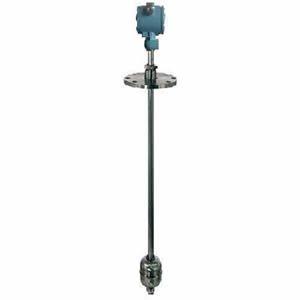
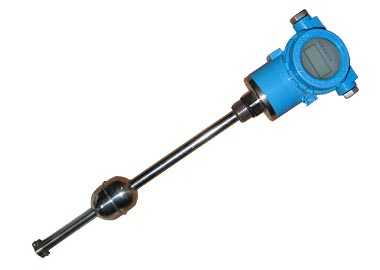
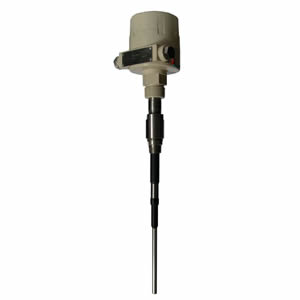
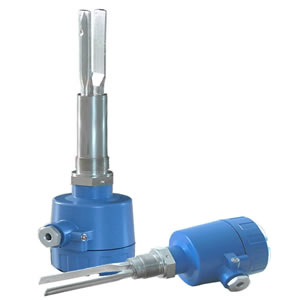
Liquid Level Sensors
Source industrial-grade Liquid Level Sensors in bulk from vetted Chinese suppliers and manufacturers. Designed for importers, distributors, and brands seeking reliable OEM and private-label production, our network delivers high-performance components for diverse fluid management applications at competitive wholesale prices.
Sourcing liquid level sensors for industrial, commercial, or automotive fluid management requires balancing material compatibility, measurement accuracy, and environmental resilience. The primary challenge for volume buyers is ensuring the factory's production tolerances and sealing methods hold up under continuous exposure to harsh or pressurized liquids without signal degradation or catastrophic failure.
Specifying Liquid Level Sensors for Bulk Production
When engaging a manufacturer, generic specifications lead to high failure rates in the field. Buyers must define exact parameters based on the fluid dynamics, temperature extremes, and integration requirements of the end product.
Critical specifications to define include:
- Operating Voltage & Output Signal: Industrial systems typically require 4-20mA or RS485 (Modbus RTU) for noise immunity over long cable runs, while consumer appliances often use 0-5V or simple dry-contact reed switches.
- Housing and Wetted Materials: The material must match the fluid's chemical profile. Specifying the wrong polymer or steel grade will lead to rapid corrosion.
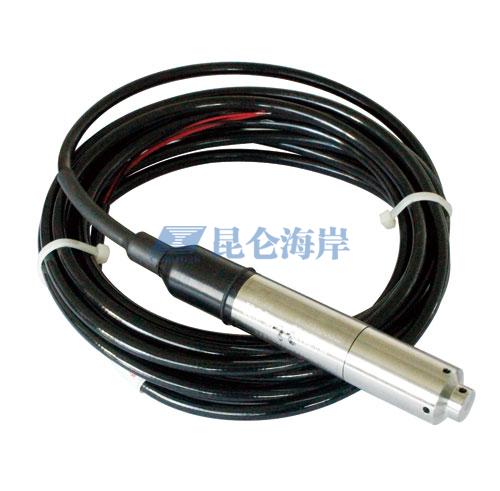
- Ingress Protection: For submersible sensors, a true IP68 rating is non-negotiable, requiring specific potting and cable gland designs.
| Material | Primary Applications | Cost Profile |
|---|---|---|
| PP (Polypropylene) | Water, mild chemicals, food-grade appliances | Low |
| PTFE (Teflon) | Highly corrosive acids, high-temperature liquids | High |
| SUS316L (Stainless Steel) | High pressure, industrial solvents, fuels | Medium-High |
Need help matching sensor materials and output protocols to your application? Talk to our engineering and sourcing team.
Discuss your specificationsManufacturing Quality and Defect Control
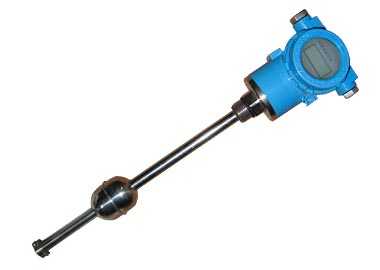
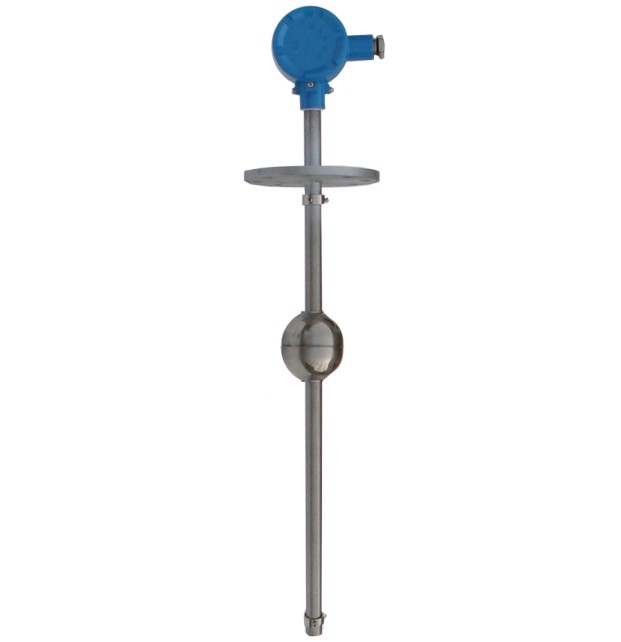
The reliability of a liquid level sensor is won or lost during the sealing and assembly phases on the factory floor. For float switches, the integrity of the laser welding on stainless steel floats is critical; micro-porosity can cause the float to take on fluid and sink. For optical and capacitive sensors, the PCB potting process must be entirely void-free to prevent condensation from shorting the internal electronics.
When evaluating a supplier's capabilities, you should look beyond their assembly lines and examine their testing infrastructure. Thorough factory audits are essential to verify that the supplier actually possesses the equipment to test pressure, temperature cycling, and chemical resistance, rather than just outsourcing these critical validations.
Critical Quality Control Checkpoints
- Hermetic seal integrity (helium leak testing for stainless steel units)
- PCB potting compound void inspection via X-ray or destructive sampling
- Signal calibration accuracy across the full specified temperature range
- Cable strain relief pull-testing and jacket chemical resistance verification
Implementing rigorous quality control & inspection protocols before shipment is the only way to catch calibration drift or sealing defects before they are integrated into your final product.
Pricing Drivers, MOQs, and Lead Times
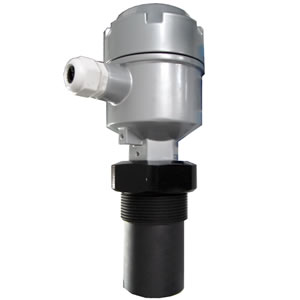
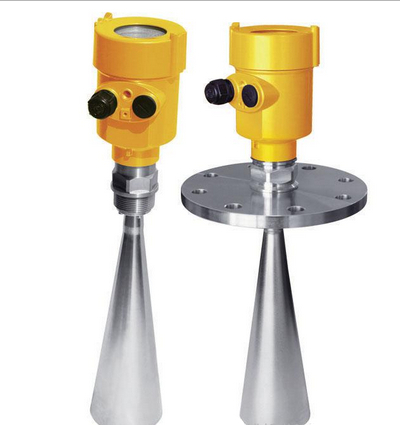
Pricing for liquid level sensors varies significantly based on the sensing technology (e.g., simple magnetic reed switches versus ultrasonic or radar sensors), the grade of the wetted materials, and the length/type of the integrated cable.
Customization also plays a major role. While standard off-the-shelf sensors have low barriers to entry, utilizing OEM/ODM services for custom stem lengths, specific float specific gravities, or proprietary mounting threads will alter the cost structure and minimum order quantities.
Cable Length Costs
Buyers often underestimate the cost impact of custom cable lengths. High-grade, chemically resistant cables (like PUR or PTFE) can account for a significant percentage of the total unit cost in submersible applications. Always specify the exact cable length and material during the initial RFQ.
Ready to price out your volume order? Connect with us to negotiate directly with vetted sensor manufacturers.
Get a sourcing quoteFrequently Asked Questions
Securing a reliable supply chain for liquid level sensors means looking past the unit price and focusing on material traceability, factory testing capabilities, and rigorous defect control. Properly vetted suppliers ensure your fluid management systems operate flawlessly in the field.
Get Sourcing Help for Liquid Level Sensors
Tell us your requirements and our experts will connect you with verified manufacturers.