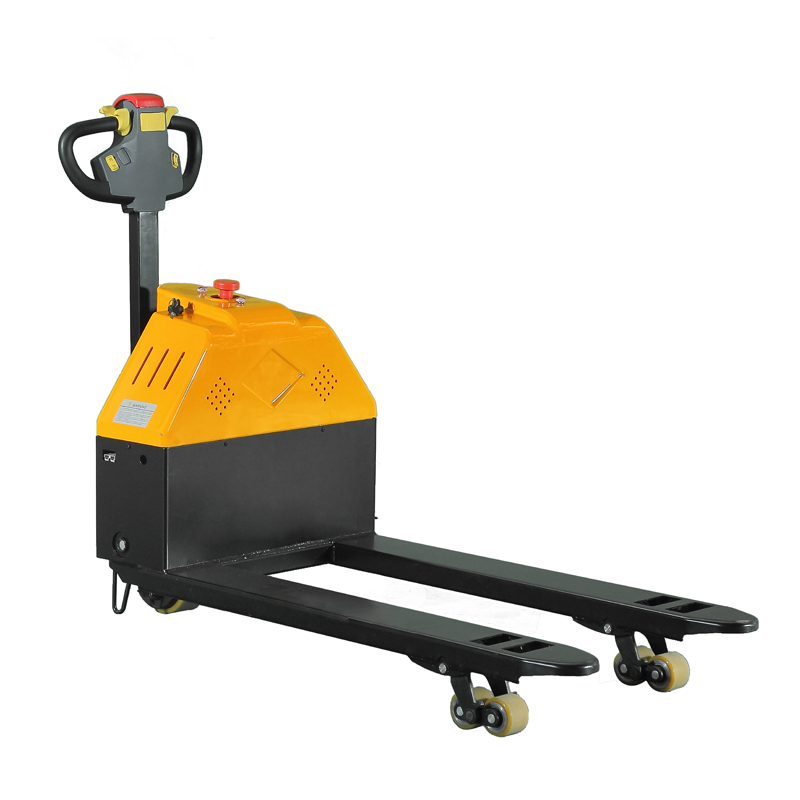
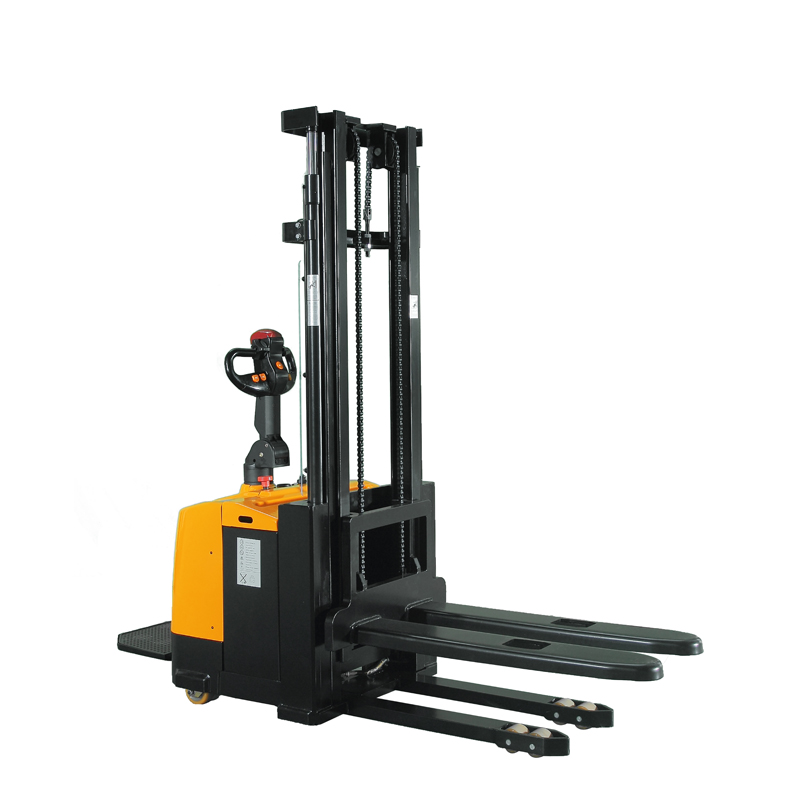
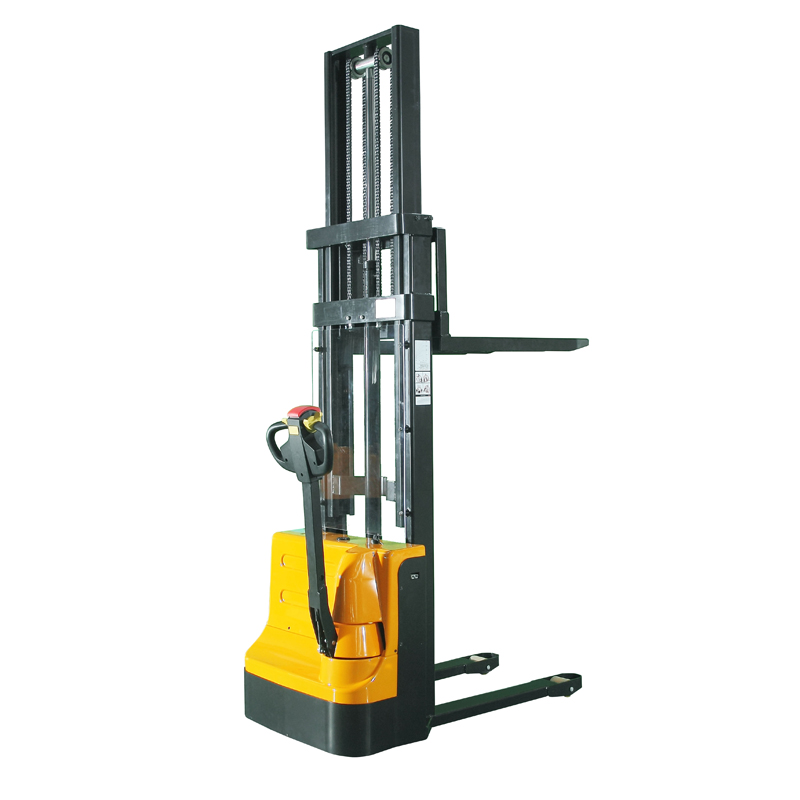
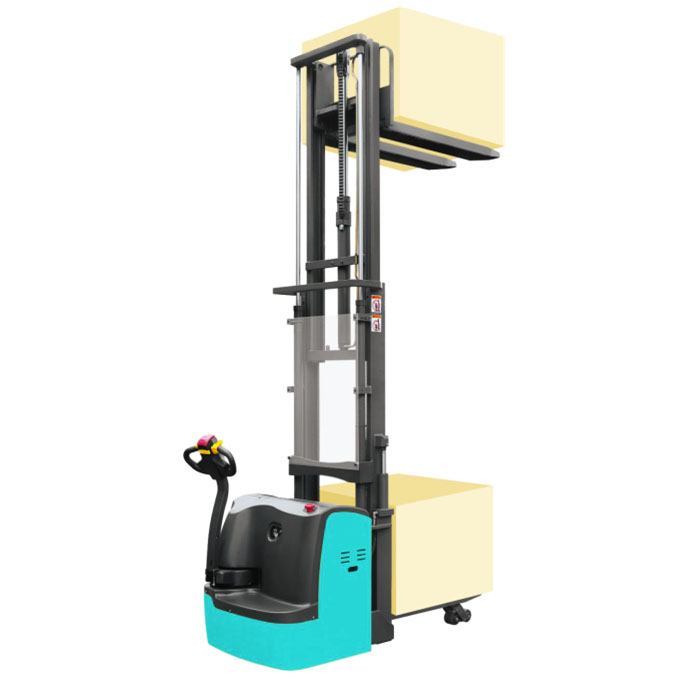
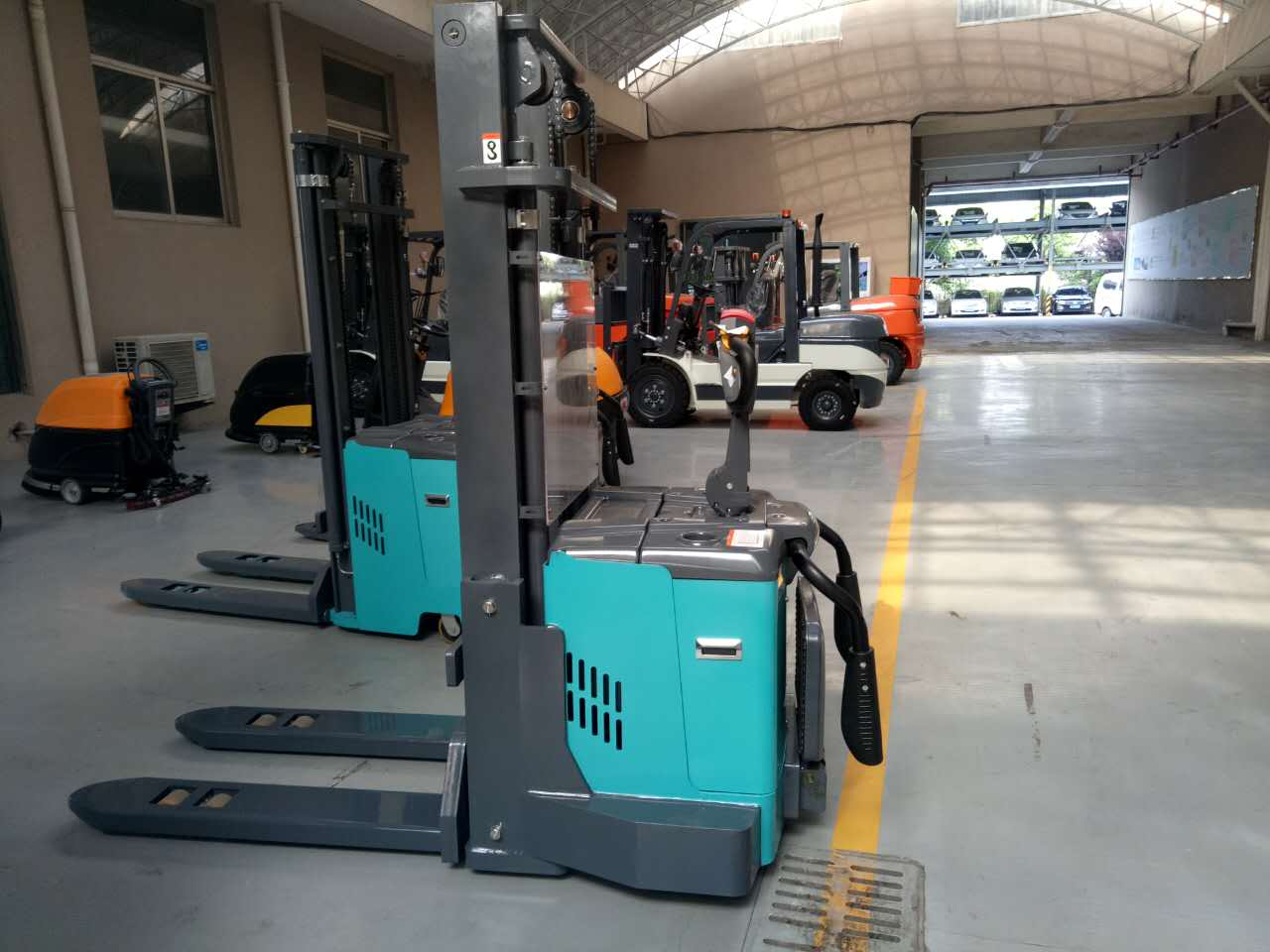
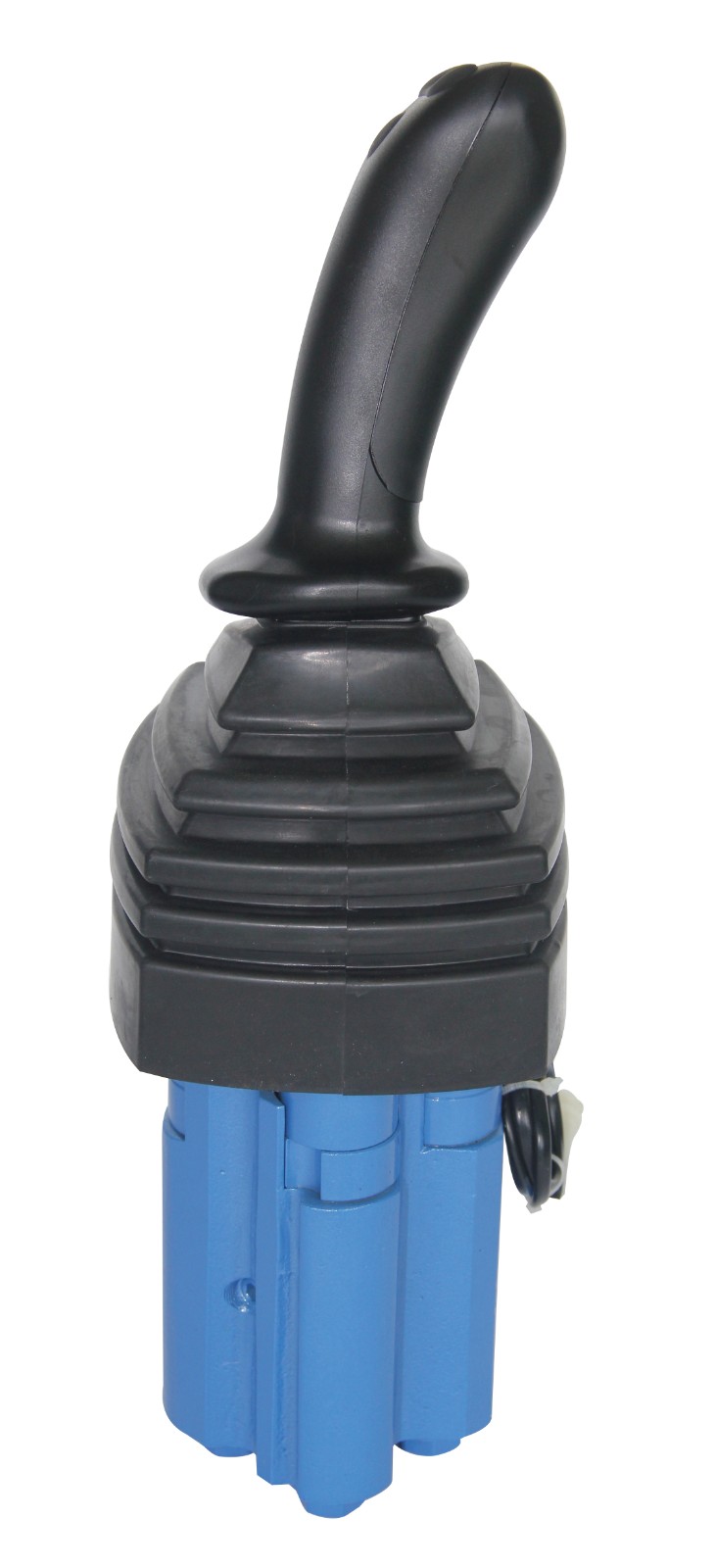
Lifting, Carrying, Loading and Unloading Mechanical Appliances
Source heavy-duty Lifting, Carrying, Loading and Unloading Mechanical Appliances from vetted suppliers and manufacturers. Designed for agricultural importers, equipment wholesalers, and brands seeking OEM production, our network delivers reliable bulk manufacturing and competitive pricing for all farm material handling needs.
Sourcing agricultural lifting, carrying, and loading equipment requires a strict focus on structural integrity and hydraulic reliability. When equipment fails under load on a farm, it causes severe operational delays and significant safety risks. For buyers importing these mechanical appliances in volume, success depends on partnering with manufacturers who utilize high-grade materials, precision welding, and standardized linkage systems that integrate seamlessly with end-user machinery.
Critical Specifications for Agricultural Loading Equipment
When negotiating with manufacturers, vague specifications lead to substandard production. Factory-grade agricultural material handling equipment must be engineered to withstand dynamic loads, harsh weather, and corrosive environments (such as exposure to fertilizers and livestock waste).
You must clearly define the following parameters in your purchase orders:
- Structural Steel Grade: Standard Q235 steel is common but often insufficient for high-stress pivot points. Specify Q345 or Q460 high-tensile steel for load-bearing booms, forks, and lifting arms.
- Hydraulic System Ratings: Specify the required operating pressure (typically measured in MPa or PSI) and demand high-quality, dual-acting cylinders. Seal quality is paramount; specify recognized seal brands to prevent premature leaks.
- Linkage and Compatibility: Ensure the equipment matches international standards, such as Category 1, 2, or 3 three-point hitches, or universal skid-steer quick-attach plates.
- Surface Treatment: Liquid paint degrades quickly on farms. Mandate sandblasting followed by UV-resistant powder coating with a specified micron thickness to ensure long-term rust prevention.
| Specification | Light/Standard Duty | Heavy Duty / Commercial |
|---|---|---|
| Main Frame Material | Q235 Carbon Steel | Q345 / Q460 High-Tensile |
| Hydraulic Pressure | Under 16 MPa | 20 to 25+ MPa |
| Welding Method | Manual Arc Welding | Robotic MIG Welding |
| Surface Finish | Standard Spray Paint | Sandblasted + Powder Coat |
Need help verifying technical specifications with overseas manufacturers? Our engineering team can translate your requirements into strict factory standards.
Talk to our teamManufacturing Tolerances and Quality Control
The gap between a reliable supplier and a risky one is often found on the factory floor. Heavy mechanical appliances require rigorous manufacturing controls, particularly in metal fabrication and hydraulic assembly.
Before committing to a high-volume order, conducting thorough Factory Audits is essential. You need to verify that the facility has the tooling and certifications (such as ISO 9001 and specific welding certifications) capable of producing consistent batches.
Where Quality is Won or Lost
Key Factory Inspection Points
- Weld Penetration: Inspecting for porosity, undercutting, or cold laps at high-stress joints.
- Pin and Bushing Tolerances: Ensuring pivot points are machined with tight tolerances and include grease zerks for maintenance.
- Hydraulic Cleanliness: Verifying the factory flushes hydraulic lines prior to assembly to prevent debris from destroying seals.
- Load Testing: Mandating static and dynamic load tests at 125 percent of the rated capacity before packaging.
Implementing strict Quality Control & Inspection protocols before shipment ensures that these structural and mechanical benchmarks are met, preventing costly container-loads of defective machinery from reaching your warehouse.
Sourcing Mechanics: MOQs, Packaging, and Logistics
Purchasing bulky agricultural machinery requires a strategic approach to logistics and minimum order quantities (MOQs). Unlike smaller consumer goods, MOQs for lifting and loading appliances are typically dictated by container utilization rather than strict unit counts.
Typical Order Volumes and Lead Times
For large implements, factories usually require a minimum of 5 to 20 units, or enough to fill a 20-foot container. Lead times for standard designs generally range from 35 to 45 days. If you are utilizing OEM/ODM Services to customize attachment brackets, hydraulic layouts, or brand colors, expect initial lead times to extend to 60 days to account for prototyping and tooling adjustments.
The Importance of SKD Packaging
Shipping fully assembled agricultural loaders is economically unviable due to wasted container space. Suppliers should pack equipment in a Semi Knocked Down (SKD) format.
Disassembly
Main booms, hydraulic cylinders, and buckets are separated to minimize volume.
Crating
Components are secured in heavy-duty steel crates (avoid wood to bypass fumigation delays and ensure stability).
Container Optimization
Crates are stacked to maximize the internal dimensions of a 40ft High Cube container, significantly reducing the landed cost per unit.
Coordinating this requires precise Shipping & Freight management to ensure the steel crates are properly lashed and balanced within the container, preventing transit damage.
Struggling with high freight costs for bulky machinery? Let us optimize your packaging and shipping strategy to improve your landed margins.
Get a free consultationFrequently Asked Questions
Sourcing reliable agricultural lifting and loading appliances at scale demands rigorous technical oversight, from material selection to container loading. By defining exact specifications and enforcing strict pre-shipment inspections, buyers can secure durable machinery that performs flawlessly in demanding agricultural environments.
Get Sourcing Help for Lifting, Carrying, Loading and Unloading Mechanical Appliances
Tell us your requirements and our experts will connect you with verified manufacturers.