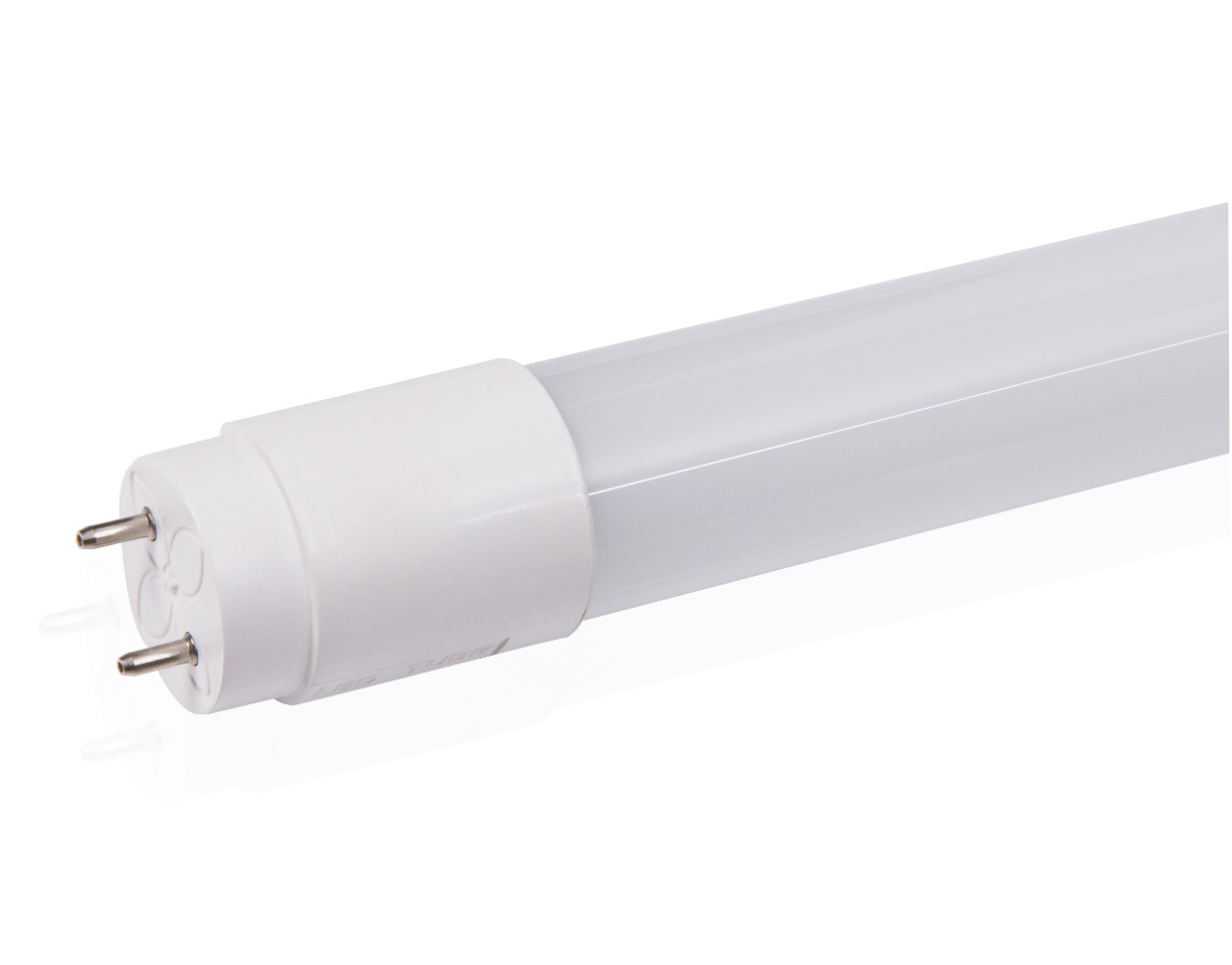
LED Tubes
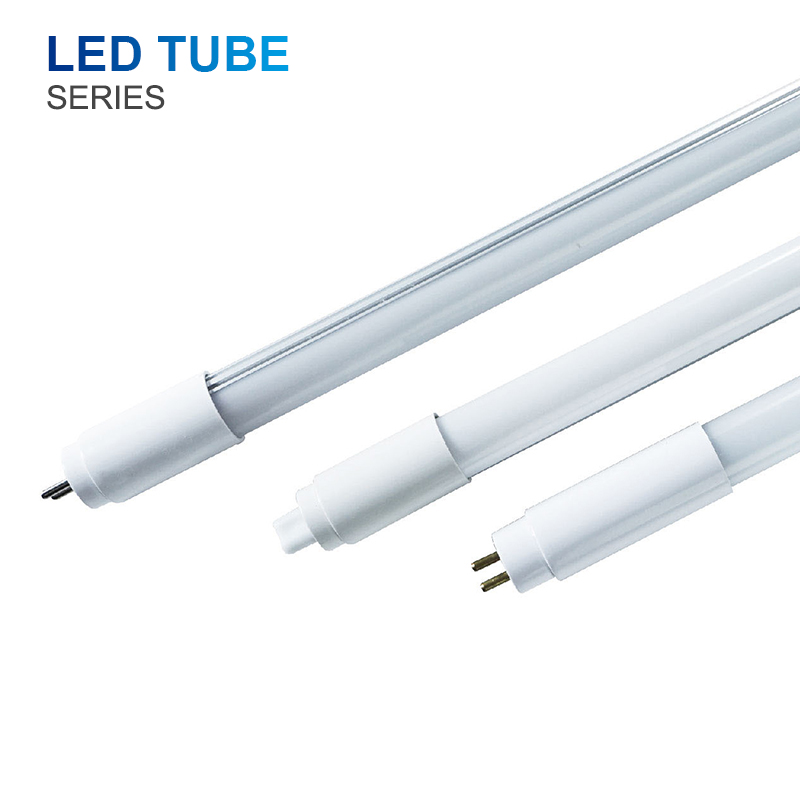
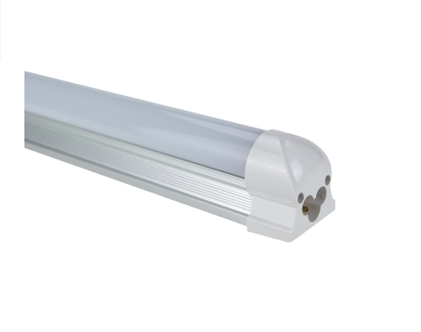
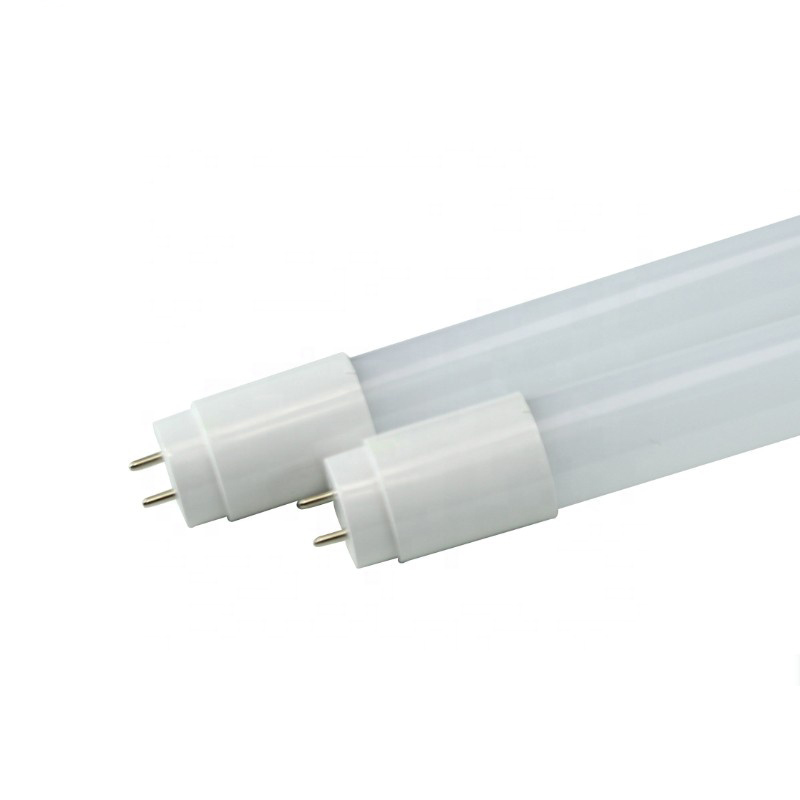
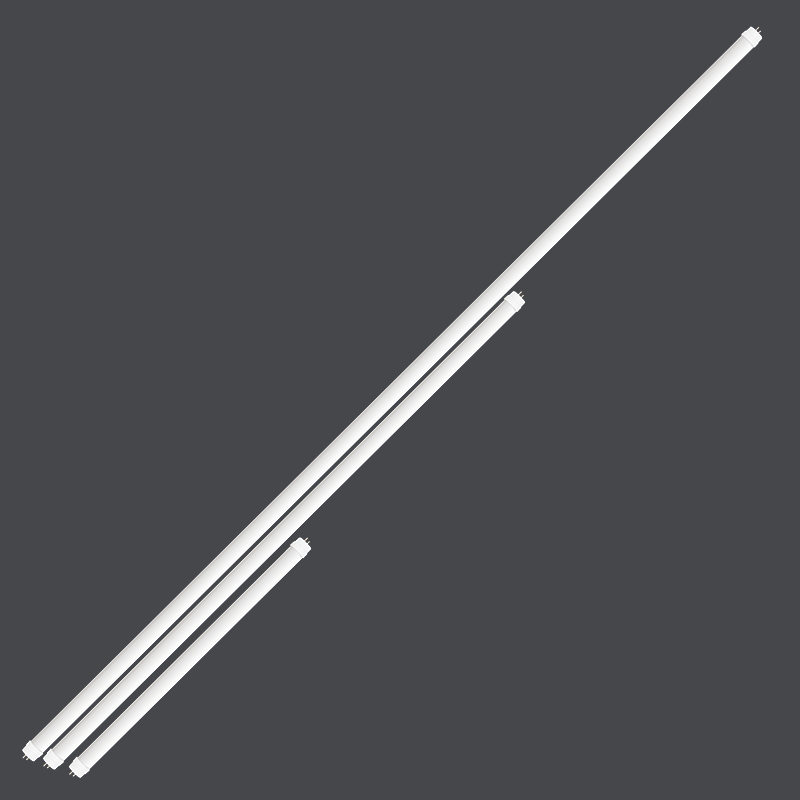
Source high-quality LED tubes directly from vetted manufacturers and wholesale suppliers. Designed for importers, electrical distributors, and brands seeking reliable OEM and private-label production, our network delivers competitive pricing, strict compliance, and rigorous quality control for bulk orders.
Sourcing commercial-grade LED tubes requires navigating a highly saturated manufacturing landscape where visual similarity often masks massive differences in internal component quality. For volume buyers, the challenge isn't just finding a factory with available capacity; it is securing consistent luminous efficacy, reliable thermal management, and driver longevity across thousands of units without overpaying.
Critical Specifications for Volume Sourcing
When negotiating with manufacturers, vague specifications lead to component substitution. To ensure consistent performance, your Bill of Materials (BOM) and purchase agreements must explicitly define the core components.
1. Driver Architecture
The driver is the most common point of failure in LED tubes. You must specify whether the tubes require isolated or non-isolated drivers. Isolated drivers offer better safety and surge protection, making them ideal for commercial applications, but they are physically larger and slightly more expensive. Non-isolated drivers are highly efficient and cost-effective but offer less protection against voltage fluctuations. Furthermore, specify the acceptable ripple current (aim for under 5 percent for flicker-free performance) and the required power factor (typically over 0.90 for commercial grade).
2. Housing and Thermal Management
The material of the tube directly impacts both heat dissipation (and thus LED lifespan) and shipping durability.
| Housing Material | Heat Dissipation | Durability | Typical Application |
|---|---|---|---|
| Full Glass | Fair | Fragile (high transit risk) | Budget retrofits, basic commercial |
| Nano-Plastic | Good | High (shatterproof) | General office, retail spaces |
| Aluminum + PC | Excellent | Very High | Industrial, high-bay, continuous operation |
3. LED Chip Binning
Inconsistent color temperature (CCT) across a single batch is a common defect when buying from lower-tier suppliers. Require strict MacAdam ellipse steps (SDCM). For high-end commercial applications, specify SDCM under 3; for standard wholesale, SDCM under 5 is generally acceptable.
Struggling to verify a factory's component claims? We conduct technical audits and verify BOMs before production begins.
Get a free consultationManufacturing & Quality Control Milestones
Quality is won or lost on the factory floor. Relying solely on end-of-line testing is risky. A robust sourcing strategy involves monitoring the production process at critical junctures. If you cannot be on-site, arranging professional Factory Audits before placing an order is non-negotiable.
SMT (Surface-Mount Technology) Inspection
Verifying solder paste application and chip placement accuracy on the PCB to prevent cold solder joints.
Driver Integration
Ensuring proper insulation and secure connections between the driver board and the LED strip, especially in aluminum-backed tubes.
Integrating Sphere Testing
Batch testing during production to verify lumens per watt (lm/W), CRI, and exact color temperature.
Aging Test
A mandatory burn-in period. High-voltage and low-voltage cycling should be performed for a minimum of 4 to 8 hours to identify early driver failures.
Catching defects early requires in-line Quality Control & Inspection. Waiting until the goods are packed in cartons means rework will delay your shipment by weeks.
Compliance and Market Certifications
Customs authorities and commercial clients are increasingly strict about electrical safety and energy efficiency certifications.
Mandatory Certifications to Verify
- UL / ETL (North America): Critical for liability and commercial installation.
- DLC (DesignLights Consortium): Required for commercial end-users to claim energy rebates in the US and Canada.
- CE / TUV (Europe): Mandatory for entry into the EEA.
- RoHS: Restricts hazardous materials; required globally for modern electronics.
Do not take a supplier's word for their certification status. Certificates are frequently forged, expired, or belong to a parent company for a different product line. Independent Compliance & Testing verification is essential before finalizing your supplier agreement.
Pricing, MOQs, and Lead Times
LED tube pricing is highly commoditized, meaning significant price deviations usually indicate a compromise in driver quality, chip count, or housing material.
If you are a brand looking to differentiate, OEM/ODM Services allow you to customize end-caps, adjust beam angles, or create proprietary branded packaging. Note that custom molds or specific driver designs will push MOQs closer to 5,000 pieces.
Need reliable pricing and production schedules? Let us handle the supplier negotiation and supply chain coordination.
Talk to our teamBuyer FAQ
Securing a reliable supply of LED tubes means looking past the outer housing and focusing heavily on driver architecture and thermal management. By specifying exact component standards and enforcing rigorous aging tests, you can eliminate the costly failure rates that plague budget importers.
Get Sourcing Help for LED Tubes
Tell us your requirements and our experts will connect you with verified manufacturers.