Laundry Appliance Parts
Source high-quality laundry appliance parts from vetted suppliers and manufacturers across Asia. Designed for importers, wholesalers, and brands managing bulk procurement or OEM production, our network delivers reliable components for washers and dryers at competitive wholesale prices.
Sourcing reliable components for washing machines and dryers requires balancing strict safety tolerances with aggressive cost targets. Because these parts operate in punishing environments—enduring constant vibration, high thermal loads, and direct moisture exposure—substandard manufacturing quickly leads to catastrophic failure rates. Whether you are procuring aftermarket replacement parts for distribution or components for new assembly lines, verifying factory capabilities at the material level is critical.
Critical Specifications and Material Variances
The longevity of laundry appliance parts is dictated by the raw materials used on the factory floor. Suppliers often offer tiered pricing based on material grades, and failing to specify your exact requirements can result in receiving lower-grade substitutions.
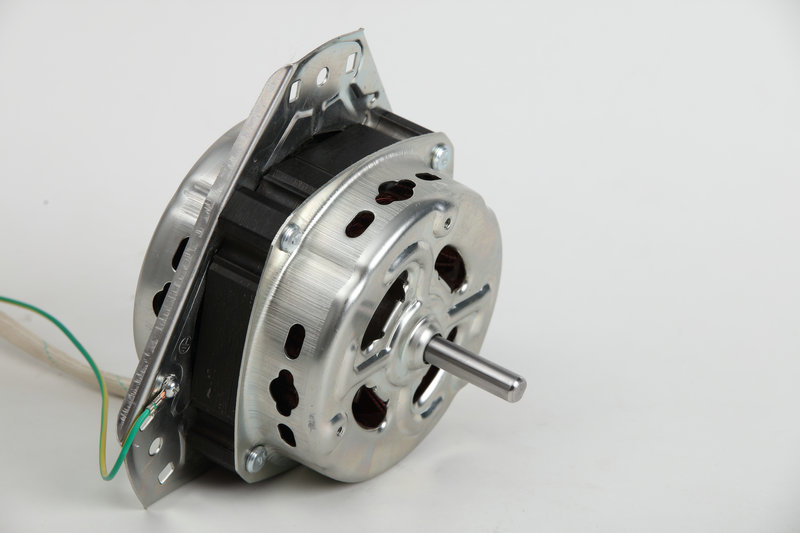
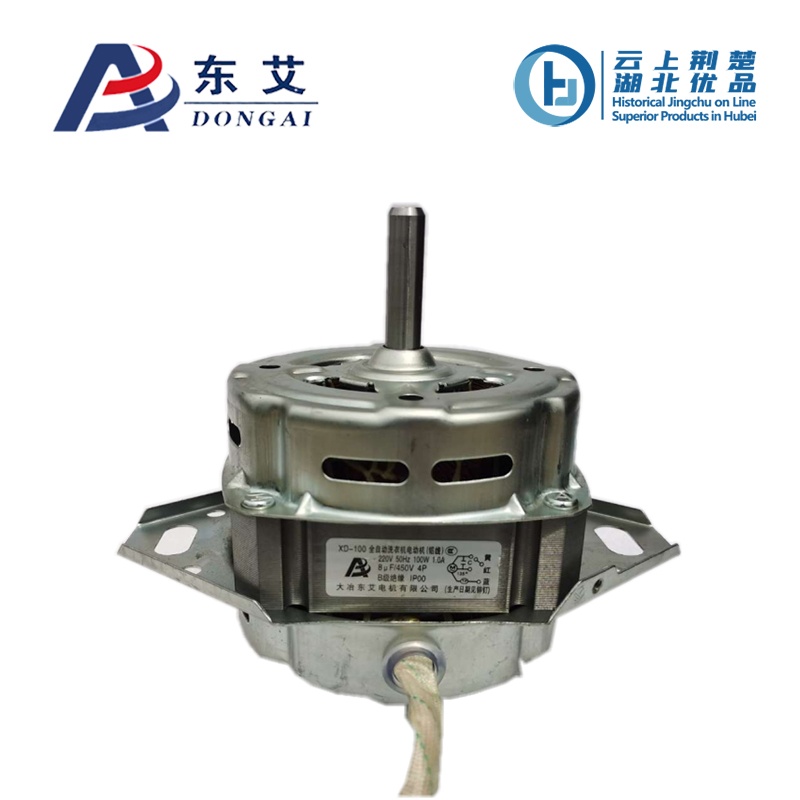
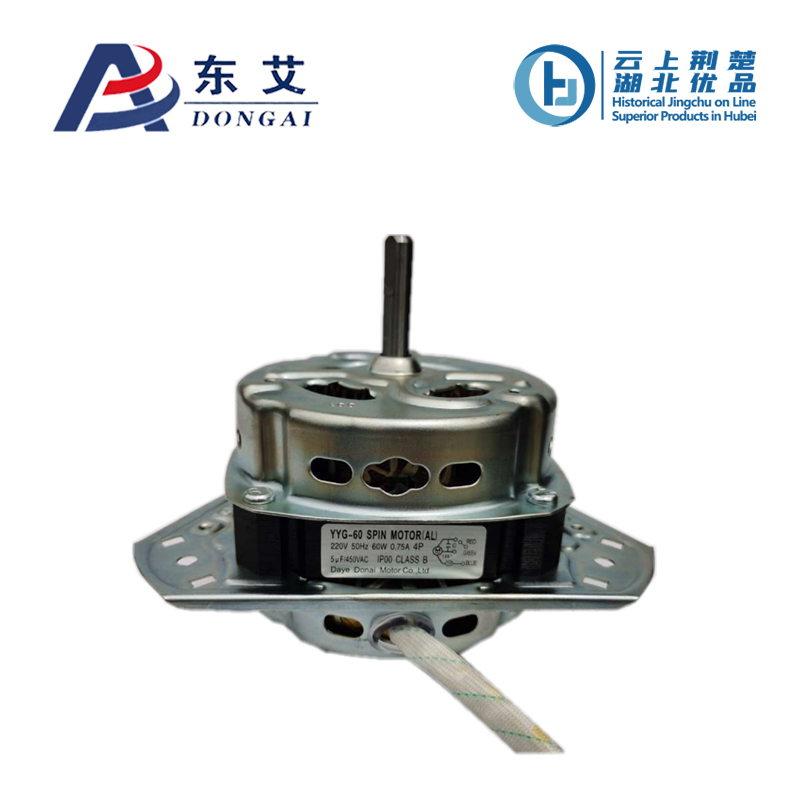
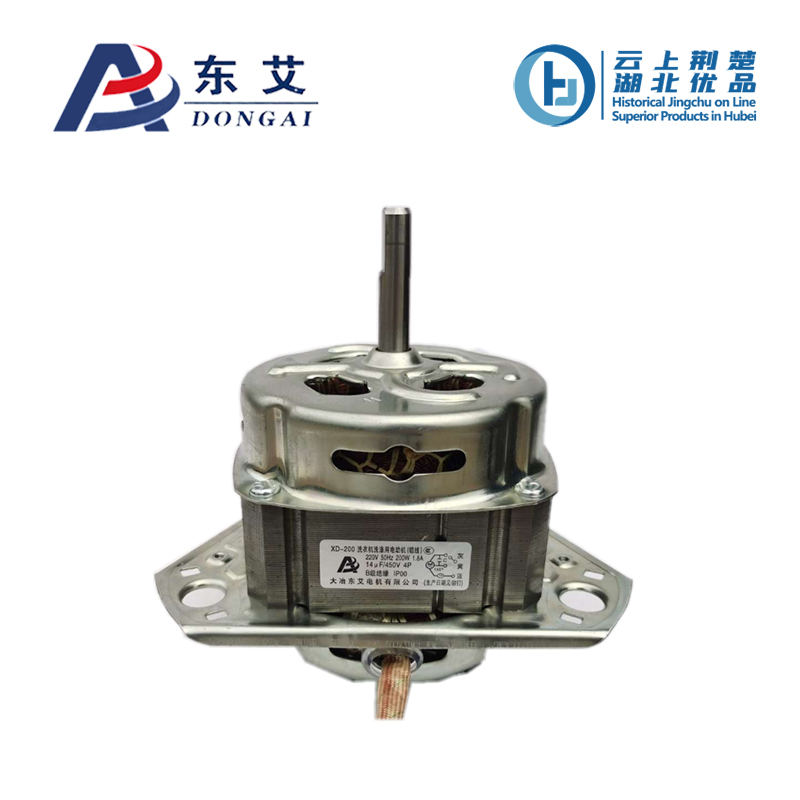
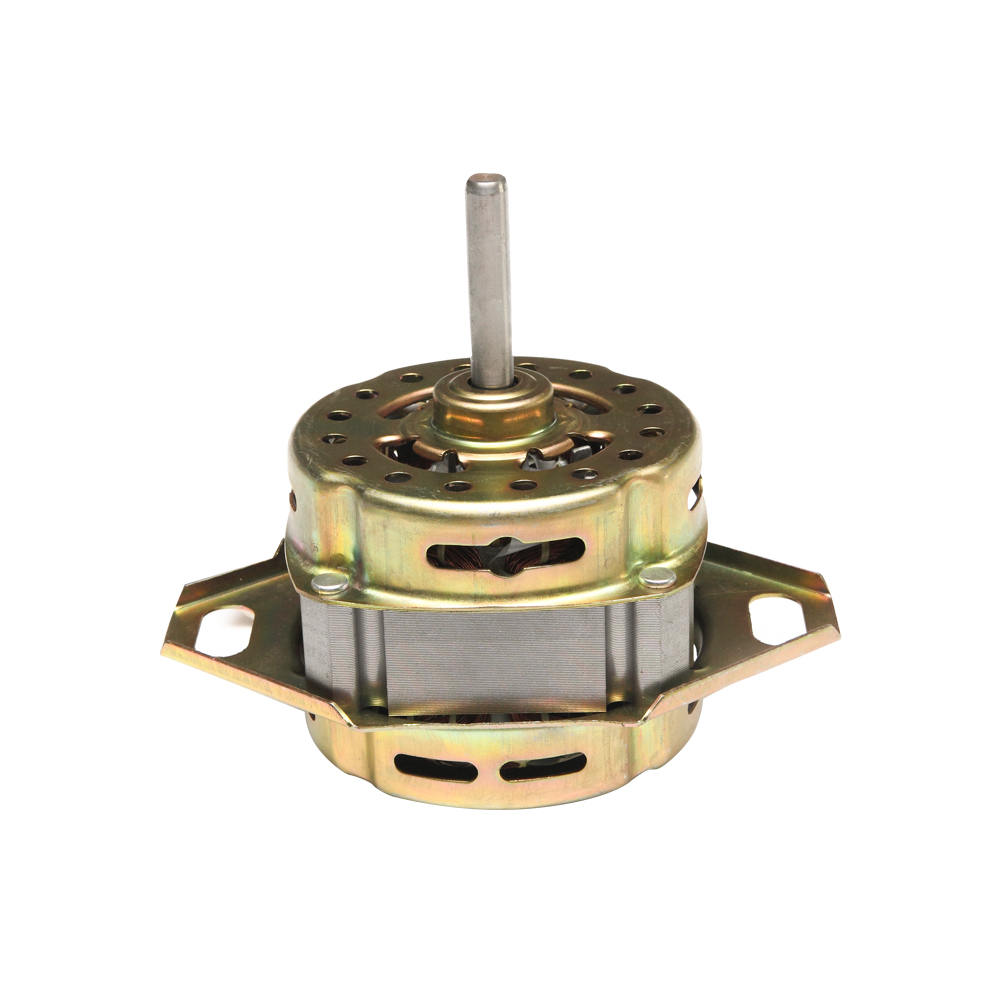
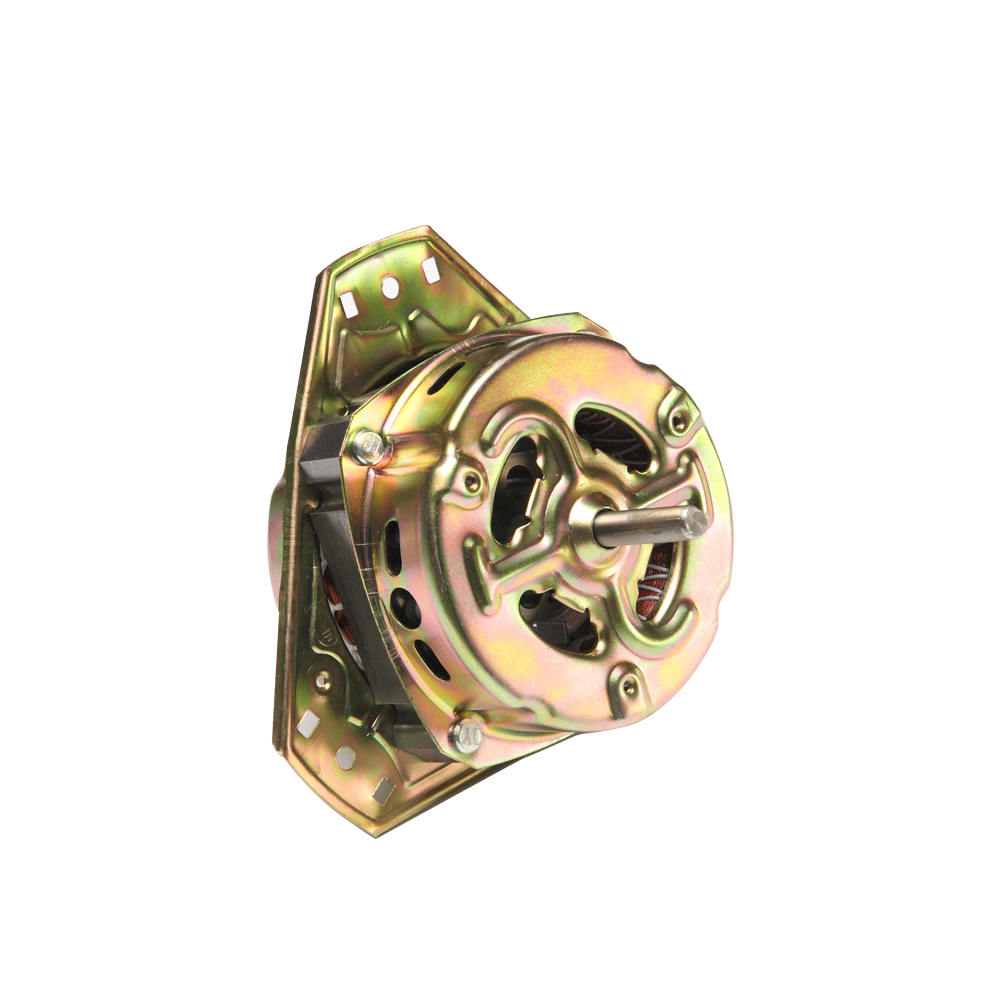
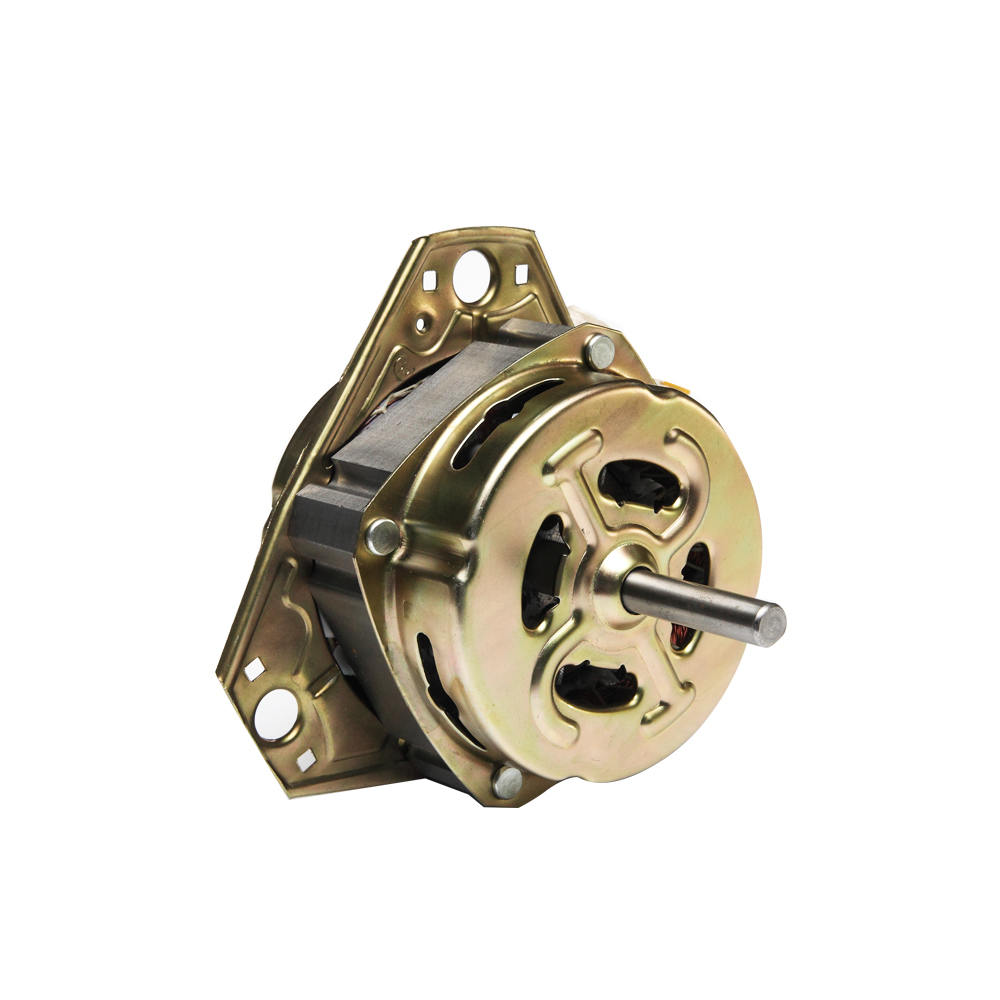
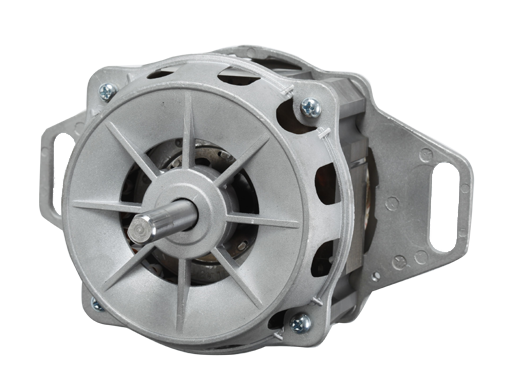
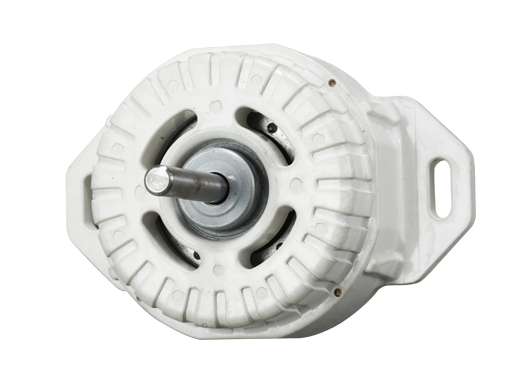
For drive motors and drain pumps, the primary cost driver is the winding material. While pure copper is the standard for OEM applications, aftermarket suppliers frequently use Copper-Clad Aluminum (CCA) to reduce costs. CCA has higher electrical resistance and lower thermal mass, making it prone to overheating under heavy loads.
| Winding Material | Thermal Tolerance | Cost Profile | Typical Application |
|---|---|---|---|
| Pure Copper | Excellent (resists heat spikes) | Premium | OEM & Commercial lines |
| Copper-Clad Aluminum (CCA) | Moderate (prone to failure under load) | Budget (15-20% less) | Light-duty aftermarket |
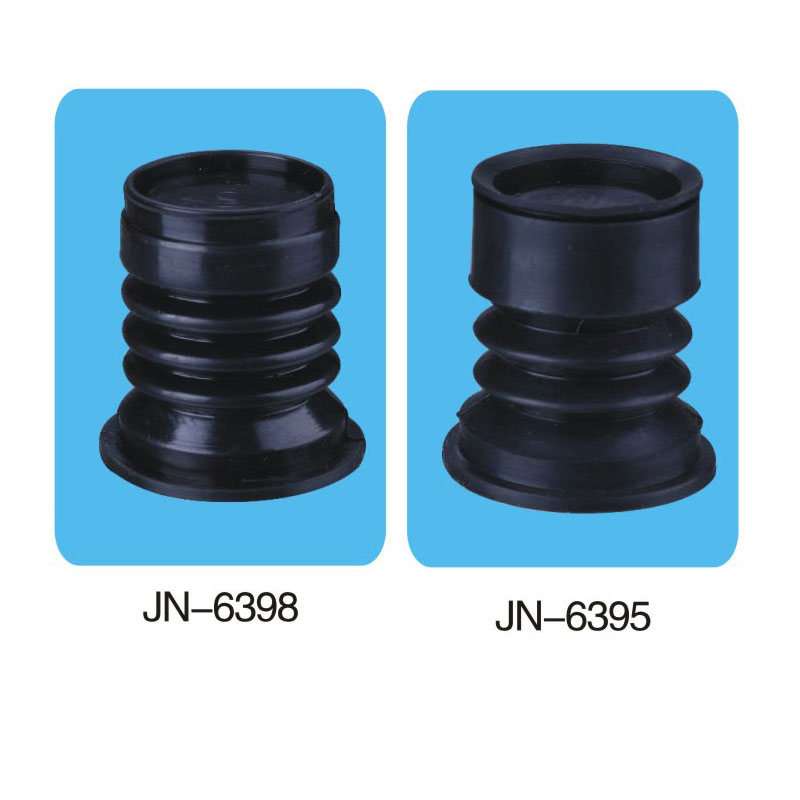
Heating elements demand similar scrutiny. Specify the exact alloy for the outer sheath (typically Incoloy 800 or 840 for high resistance to water scaling and corrosion) and the internal resistance wire (Nickel-Chromium). For rubber components like door bellows and drum seals, EPDM (Ethylene Propylene Diene Monomer) is mandatory; standard natural rubbers will degrade rapidly when exposed to modern detergents and high-temperature water.
Struggling with inconsistent component quality? Let our sourcing engineers audit your supply chain and secure reliable manufacturing partners.
Get a free consultationManufacturing Tolerances and Quality Control
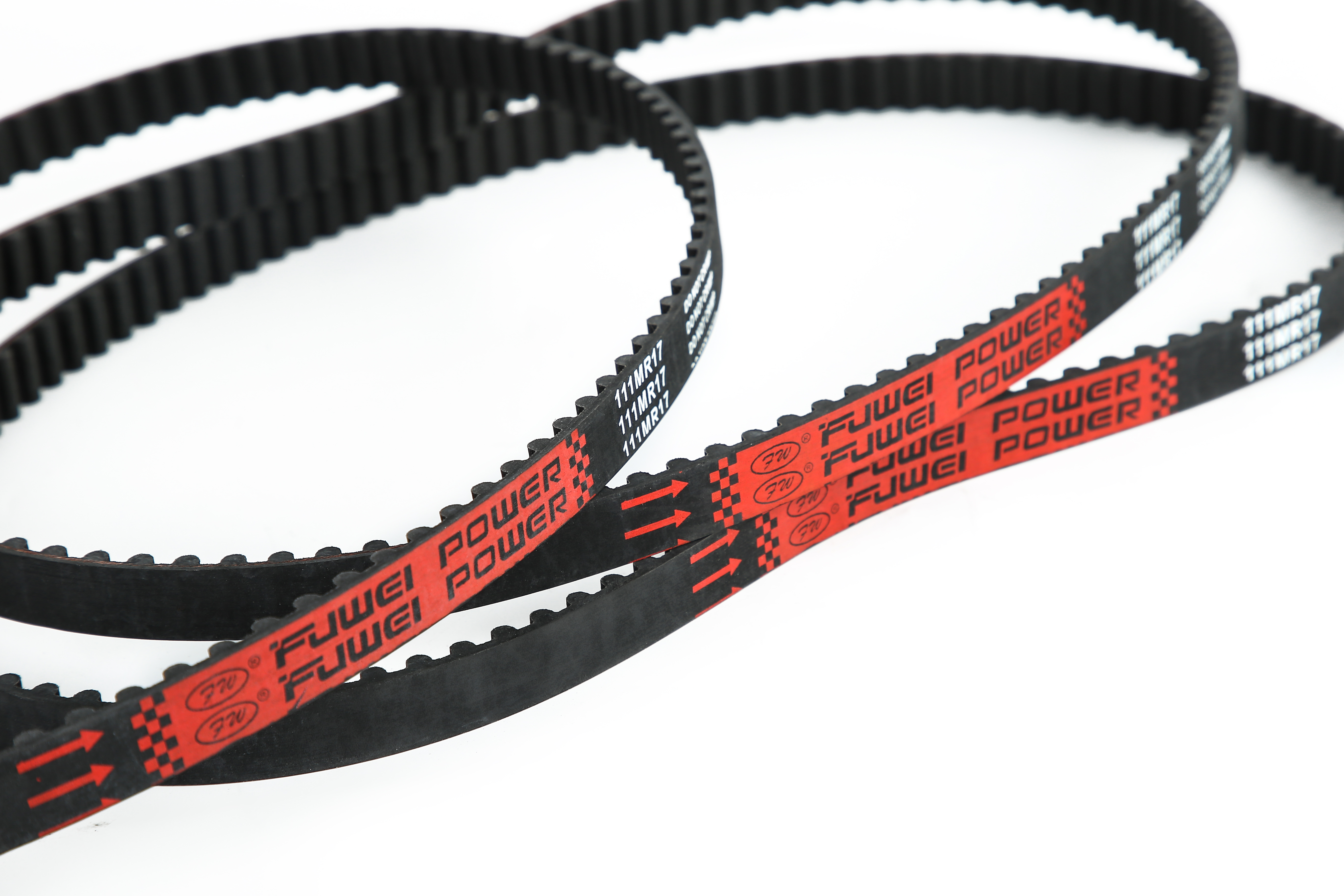
Laundry parts must meet stringent dimensional and electrical tolerances. A variation of just a few millimeters in a drive belt or a drum bearing can cause severe imbalance and vibration during a spin cycle. When engaging a factory for OEM/ODM Services, you must establish clear acceptable quality limits (AQL) before production begins.
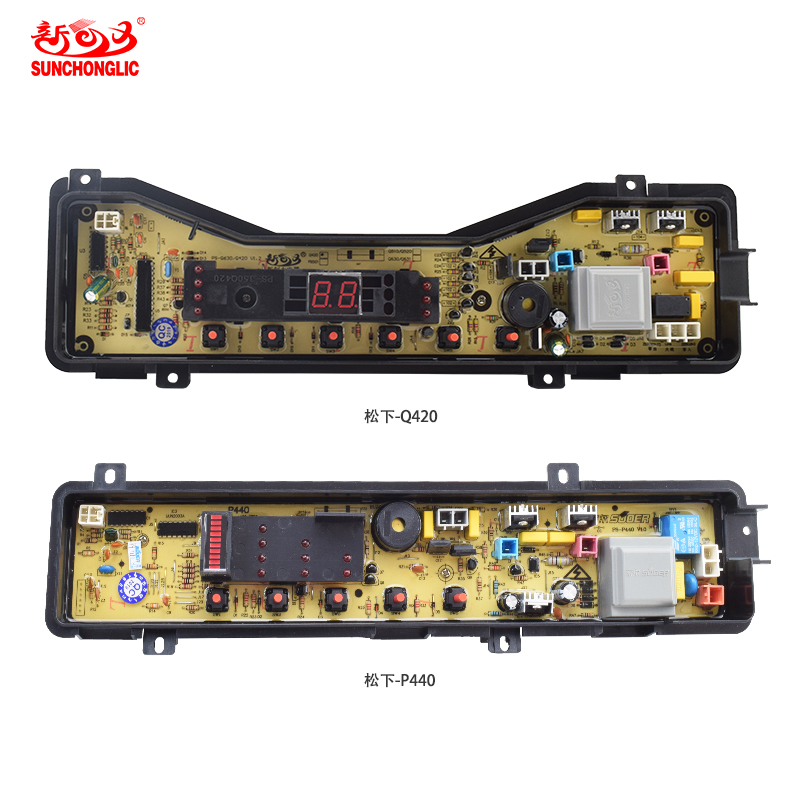
Control boards (PCBs) are particularly vulnerable in laundry environments. Factories must apply a high-quality conformal coating to protect the circuitry from moisture and condensation. Poor soldering or inadequate coating will lead to premature electronic failure.
To mitigate these risks, implement rigorous Quality Control & Inspection protocols.
In-Line and Pre-Shipment Inspection Focus Areas
- Hipot (Dielectric Withstand) testing for all motors and heating elements.
- Visual inspection of PCB conformal coating thickness and coverage under UV light.
- Dimensional verification of bearings and seals using precision micrometers.
- Durometer testing for EPDM rubber bellows to ensure correct flexibility and hardness.
- Dynamic balance testing for pulleys and drum components.
Before placing high-volume orders, conducting comprehensive Factory Audits is essential. You need to verify that the supplier has the necessary testing equipment on-site, such as environmental chambers for humidity testing and dynamometers for motor load testing.
MOQs, Pricing, and Lead Times
Pricing for laundry appliance parts fluctuates with global commodities, particularly copper, steel, and petroleum-based polymers. Volume plays a significant role in unit cost, but minimum order quantities (MOQs) vary heavily depending on the manufacturing process and whether the part is a standard off-the-shelf item or a custom-tooled component.
If your procurement strategy involves custom molds for proprietary plastic housings or specialized rubber seals, expect additional tooling costs ranging from a few thousand to tens of thousands of dollars, depending on mold complexity and cavitation. Tooling typically adds 20 to 30 days to your initial lead time.
Ready to optimize your procurement costs? We negotiate directly with top-tier Asian manufacturers to secure better pricing and terms for your bulk orders.
Talk to our teamFrequently Asked Questions
Successfully sourcing laundry appliance parts requires moving beyond generic supplier directories and directly validating the engineering and quality control capabilities of the factory. By maintaining strict material specifications and enforcing rigorous pre-shipment testing, you can secure components that deliver both competitive margins and long-term reliability. If you need experienced boots on the ground to manage your supply chain, our team is ready to assist.
Get Sourcing Help for Laundry Appliance Parts
Tell us your requirements and our experts will connect you with verified manufacturers.