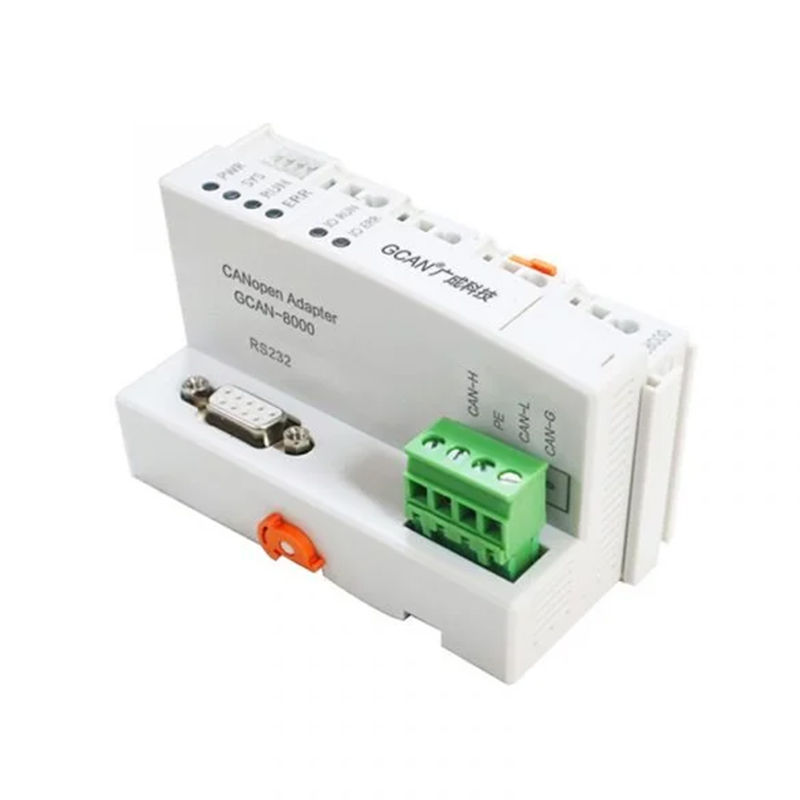
I/O Modules
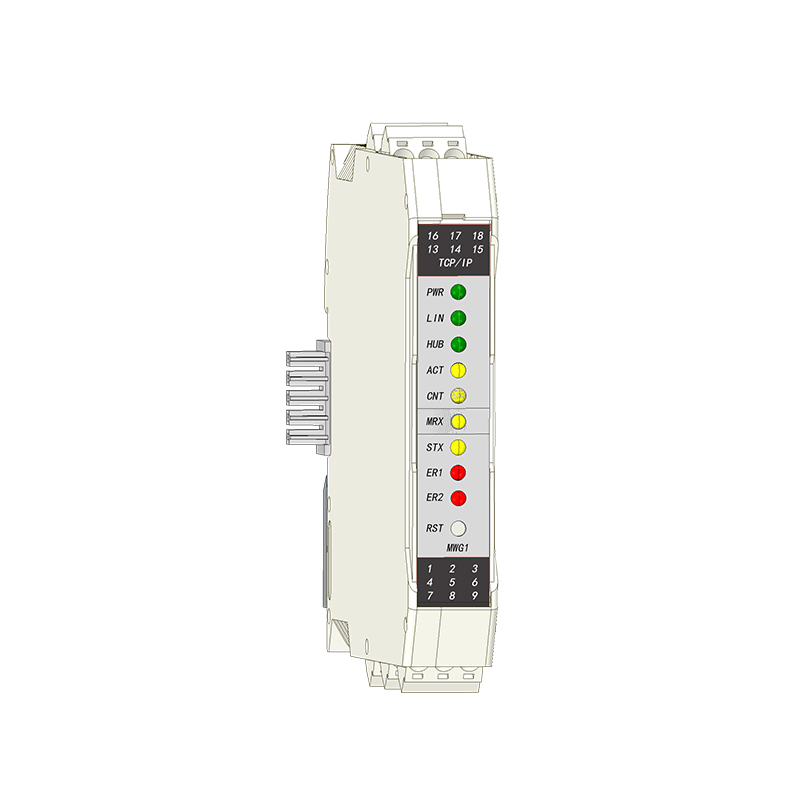
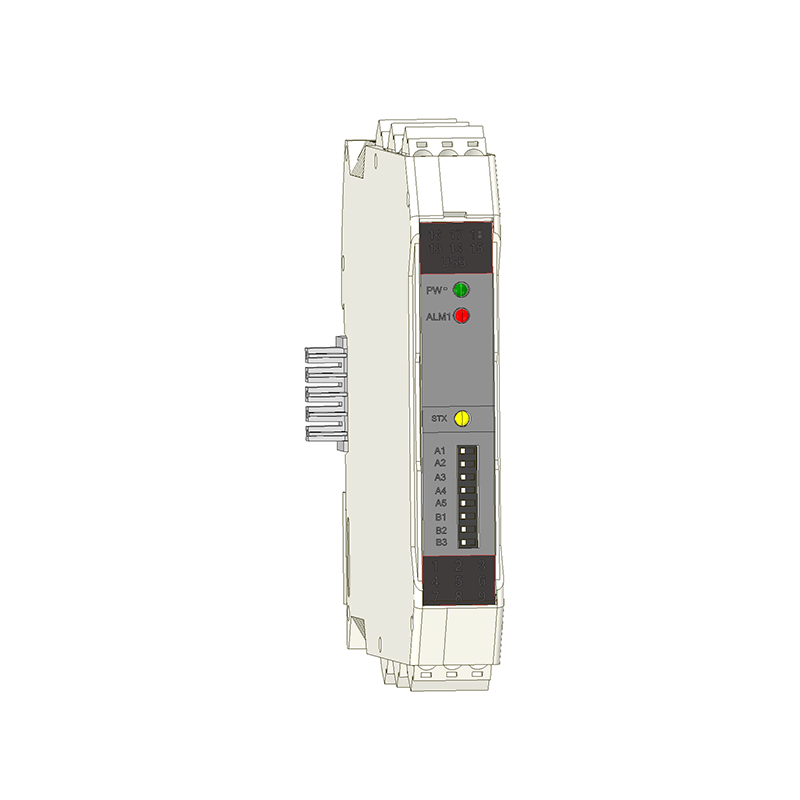
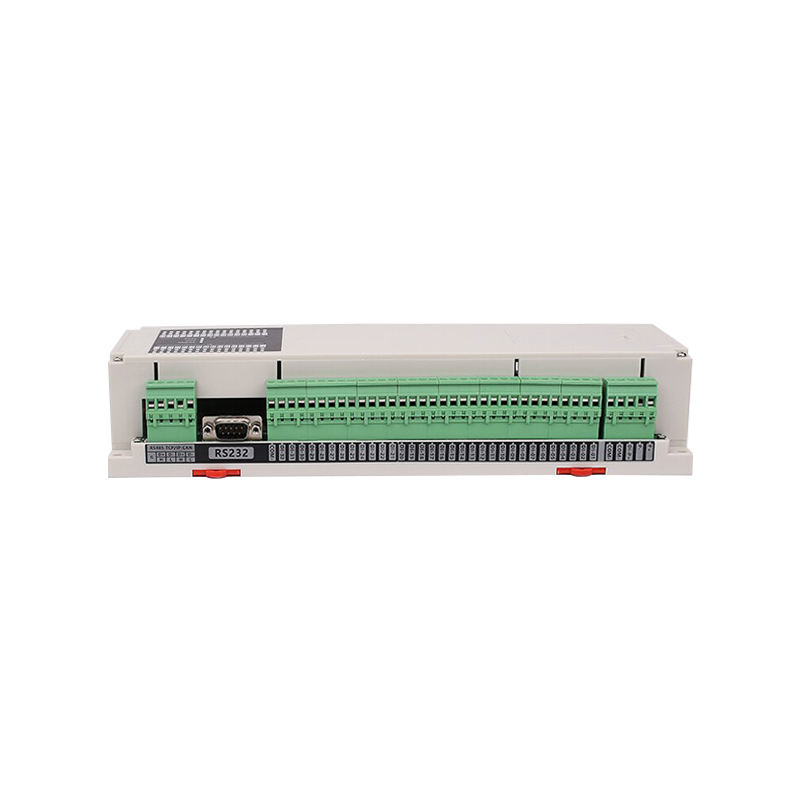
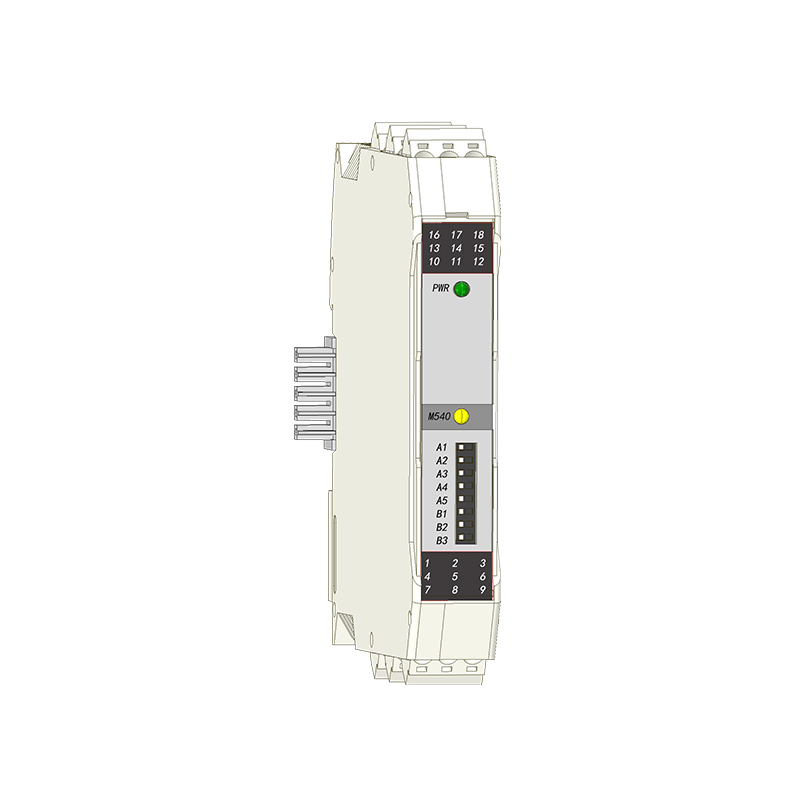
Source high-quality I/O Modules from vetted manufacturers and suppliers. This category is tailored for importers, industrial automation distributors, and brands seeking reliable OEM or private-label production. Secure robust, compliant components built to withstand harsh industrial environments.
Sourcing industrial I/O modules requires balancing stringent performance requirements with cost-effective manufacturing. As the critical bridge between field devices and central controllers—whether PLCs, PACs, or IPCs—these modules must deliver flawless signal conversion and robust isolation in electrically noisy environments. For volume buyers, the challenge lies not just in finding a supplier, but in verifying component authenticity, manufacturing precision, and protocol compliance.
Defining Technical Specifications for Bulk Sourcing
When engaging with manufacturers, precise technical documentation is non-negotiable. Ambiguity in your specification sheet often leads to factories substituting cheaper, lower-grade components that fail under industrial conditions.
Key Specifications to Define with Your Supplier
- Channel Density & Type: Specify exact configurations (e.g., 16-channel digital input, 8-channel analog output, RTD/Thermocouple specific).
- Voltage & Current Ratings: Clearly define nominal operating voltages (typically 24V DC) and acceptable tolerance ranges.
- Communication Protocols: Specify required fieldbus or industrial Ethernet protocols (Modbus RTU/TCP, EtherCAT, PROFINET) and verify if the supplier holds the necessary licensing or hardware chips.
- Environmental Protection: State temperature ranges (standard vs. extended industrial) and whether conformal coating is required for the PCB.
Isolation Strategies: Optical vs. Galvanic
Electrical isolation is the primary defense against ground loops and voltage transients. The type of isolation your factory implements directly impacts both the unit cost and the module's lifespan.
| Specification | Optical Isolation | Galvanic (Transformer) Isolation |
|---|---|---|
| Transfer Mechanism | Light transfer via optocouplers | Magnetic field transfer |
| Signal Speed | Moderate (suitable for standard digital) | High (ideal for precise analog/high-speed) |
| Cost & Complexity | Lower cost, standard implementation | Higher cost, requires precise PCB layout |
Avoid costly field failures with expert supplier vetting and technical validation.
Talk to our teamManufacturing Quality and Component Integrity
The reliability of an I/O module is won or lost on the Surface Mount Technology (SMT) line and during component procurement. The ongoing global fluctuations in semiconductor availability mean that some unvetted factories may turn to grey-market ICs (such as ADCs, DACs, or communication controllers) to meet production deadlines.
Executing comprehensive Factory Audits before placing an order is critical to ensure the supplier has direct, authorized supply chains for their silicon.
Critical Quality Control Checkpoints
To ensure field reliability, your quality control protocols must extend beyond basic power-on testing.
Component Verification
Checking incoming ICs and passive components against the approved Bill of Materials (BOM) to prevent unauthorized substitutions.
SMT and Solder Joint Inspection
Using Automated Optical Inspection (AOI) to detect bridging, cold solder joints, or tombstoning on high-density boards.
Isolation & Hipot Testing
Applying high voltage (typically 1.5kV to 3kV) across the isolation barrier to verify that no current leaks between the field and logic sides.
Burn-In Testing
Running modules at elevated temperatures under load to catch early-life component failures before shipment.
Implementing independent Quality Control & Inspection ensures these tests are actually performed to your standards, rather than pencil-whipped by the factory's internal team.
Pricing, MOQs, and Lead Times
Unit costs for I/O modules are highly variable, driven primarily by channel count, isolation ratings, and the specific communication chipset required.
If you are developing a proprietary control system, leveraging professional OEM/ODM Services can help you navigate the complexities of custom firmware development, custom housing tooling, and protocol certification.
Need to negotiate pricing and MOQs for a custom I/O module run? We can help.
Get a free consultationBuyer FAQ
Sourcing industrial I/O modules at scale is an exercise in risk management. The upfront unit cost is negligible compared to the cost of a machine shutdown caused by a failed optical isolator or a counterfeit ADC. By enforcing strict BOM control, validating factory capabilities, and maintaining rigorous pre-shipment testing, you protect the integrity of the entire control system.
Get Sourcing Help for I/O Modules
Tell us your requirements and our experts will connect you with verified manufacturers.