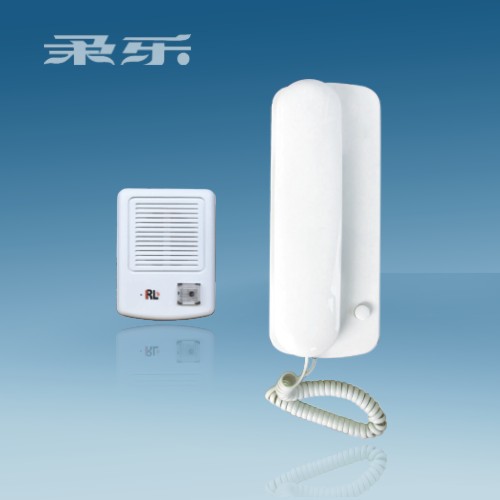
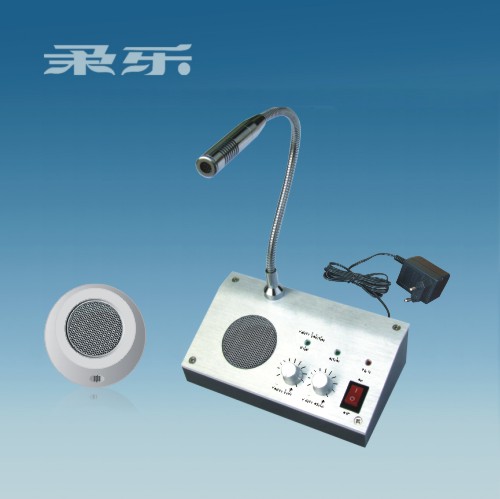
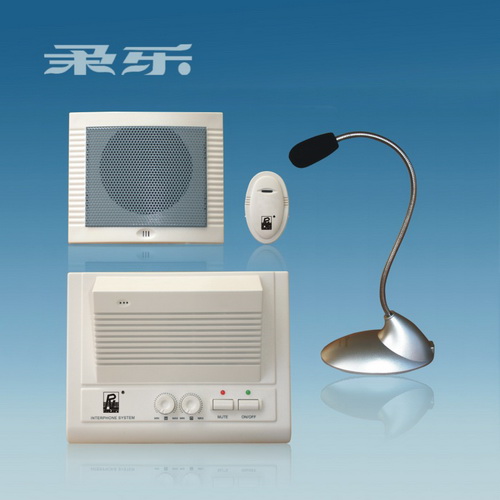
Interphones
Source commercial-grade interphones from vetted suppliers and manufacturers across Asia. Designed for importers, wholesalers, distributors, and brands seeking reliable OEM and private-label production, our network delivers high-performance communication devices built to strict international compliance standards.
Sourcing commercial interphones and two-way communication devices at scale requires balancing RF (Radio Frequency) performance, battery reliability, and rugged durability. The primary challenge for volume buyers is ensuring consistent transmission quality across production batches while navigating strict regional telecommunications regulations. A minor deviation in antenna calibration or PCB assembly can result in dead zones, static interference, or outright regulatory failure at customs.
Core Specifications for Commercial Interphones
When negotiating with manufacturers, vague specifications lead to compromised product quality. You must dictate the exact hardware parameters based on your target market's end-use environment, whether that is construction, hospitality, or security.
VHF vs. UHF Selection
The choice between Very High Frequency (VHF) and Ultra High Frequency (UHF) dictates the physical components required on the factory floor, particularly the antenna and RF amplifier design.
| Frequency Band | Range | Environment | Obstacle Penetration |
|---|---|---|---|
| VHF (136-174 MHz) | Longer over open terrain | Agriculture, Marine, Open fields | Poor through steel and concrete |
| UHF (400-470 MHz) | Shorter absolute range | Warehouses, Urban areas, Hospitals | Excellent through building structures |
Struggling to match hardware specs to your market's regulatory limits? Let us help you define a production-ready specification sheet.
Discuss your product requirementsManufacturing and Quality Control Vulnerabilities
The production of interphones involves precise Surface Mount Technology (SMT) for the mainboard, plastic injection molding for the casing, and delicate acoustic tuning. The most common defects do not stem from the casing, but from poor RF calibration and substandard battery integrations.
If a factory lacks sophisticated RF testing equipment (like network analyzers and shielding boxes), the interphones will suffer from frequency drift.
Critical Factory Verification Points
Before committing to a supplier, ensure they possess the necessary testing infrastructure. Conducting thorough Factory Audits is critical to verify that the manufacturer isn't just assembling off-the-shelf parts without post-assembly calibration.
Essential Factory Testing Capabilities
- RF Shielding Rooms: Required for accurate frequency and power output calibration.
- Acoustic Chambers: To test microphone sensitivity and speaker distortion at high volumes.
- Drop & Vibration Testing: Essential for industrial-grade (MIL-STD-810G) claims.
- Battery Aging Racks: Verifying charge cycle stability to prevent thermal runaway.
- IP Rating Chambers: Water jets and dust chambers for verifying IP54 to IP67 seals.
Once production begins, rigorous Quality Control & Inspection should focus on solder joint integrity on the antenna connector, as this is the most common point of failure when the device is dropped.
Navigating Regulatory Compliance
Interphones are heavily regulated because they transmit on public and private radio frequencies. Importing non-compliant devices can lead to immediate customs seizure and heavy fines.
- North America: Requires FCC Part 90 certification for commercial frequencies, or Part 15 for license-free bands (like FRS/GMRS). The factory must provide a valid FCC ID.
- Europe: Must comply with the Radio Equipment Directive (RED) and carry the CE mark.
- Global: RoHS compliance for the restriction of hazardous substances in the PCB and casing materials.
Relying on a factory's outdated or borrowed test reports is a massive risk. Utilizing professional Compliance & Testing services ensures the specific batch you are importing meets current local laws.
Buying Mechanics: MOQs, Pricing, and Lead Times
Developing a custom interphone line or private-labeling an existing chassis involves specific supply chain realities.
- Minimum Order Quantities (MOQs): For off-the-shelf white-label models, expect MOQs of 500 to 1,000 units. If you require custom casing colors, branded firmware, or specific OEM/ODM Services for a unique chassis, MOQs typically rise to 3,000 units or more to cover injection mold tooling costs.
- Pricing Drivers: Analog UHF interphones with basic IP54 ratings generally range from $12 to $25 per unit. Digital Mobile Radio (DMR) interphones, which offer better spectrum efficiency and encryption, start around $40 and can exceed $120 for intrinsically safe (explosion-proof) models.
- Lead Times: Standard production takes 30 to 45 days. However, chip shortages affecting RF transceivers can occasionally push lead times over 60 days.
Ready to source reliable interphones at scale? We manage supplier vetting, negotiation, and quality control from end to end.
Talk to our teamFrequently Asked Questions
Sourcing interphones is fundamentally about risk management—balancing component costs against the strict demands of RF performance and regulatory compliance. Success requires looking past the outer casing to verify the factory's engineering capabilities and testing infrastructure.
Get Sourcing Help for Interphones
Tell us your requirements and our experts will connect you with verified manufacturers.