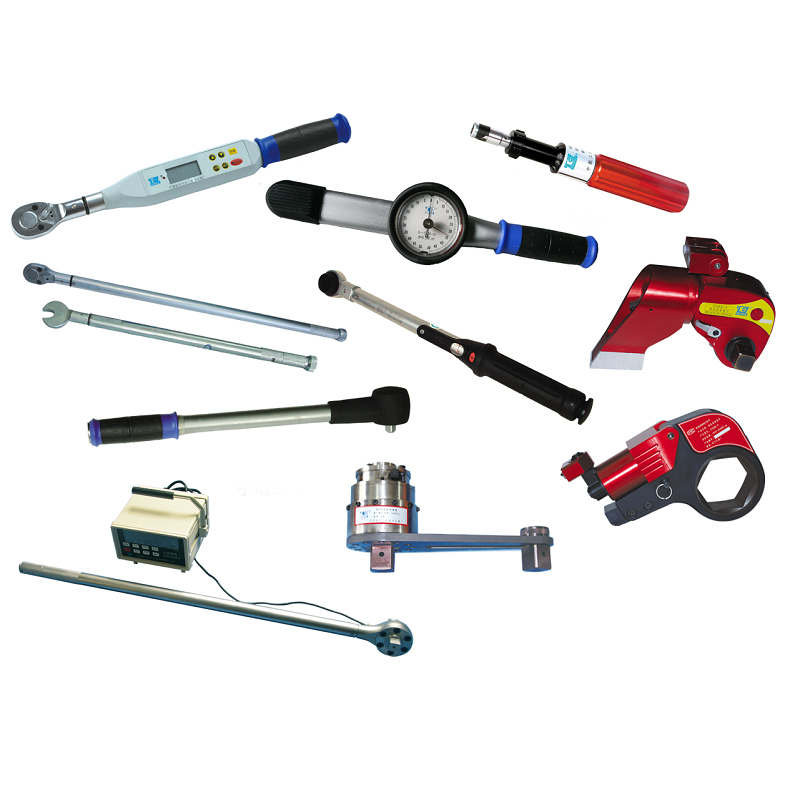
Hydraulic Impact Wrenches
Source high-torque hydraulic impact wrenches directly from vetted manufacturers and suppliers. Designed for importers, industrial distributors, and brands seeking reliable wholesale or OEM production, our network delivers heavy-duty hydraulic fastening solutions built for extreme environments.
Sourcing hydraulic impact wrenches requires navigating a highly specialized manufacturing base. Unlike pneumatic or electric variants, hydraulic tools operate under immense fluid pressure and demand precise machining tolerances for internal motors, valves, and impact mechanisms. The primary sourcing challenge is separating authentic hydraulic equipment manufacturers—who possess the necessary CNC infrastructure and pressure-testing benches—from generic hardware assemblers who lack the engineering depth for high-pressure fluid dynamics.
Critical Specifications for Bulk Procurement
When engaging with suppliers, providing a precise technical specification sheet is mandatory. Hydraulic tools must integrate seamlessly with existing hydraulic power units (HPUs) or heavy equipment hydraulic circuits, leaving no room for compatibility errors.
Key Technical Requirements to Define
- Drive Size & Metallurgy: Specify square drive dimensions (typically 3/4-inch up to 2-1/2-inch) and require high-grade forged alloy steel (such as 4340 or specialized chromium-molybdenum blends) for the anvil.
- Operating Pressure & Flow: Define the required working pressure (e.g., 1500 to 2500 psi) and flow rate (e.g., 4 to 12 gpm) to ensure the internal motor operates efficiently without cavitation.
- Valve Configuration: Specify open-center, closed-center, or dual-spool configurations to match the end-user's hydraulic circuit.
- Torque Output Ranges: Establish the minimum and maximum working torque, and verify the factory uses standardized dynamic torque testing equipment, not just static calculations.
Impact Mechanism Selection
The choice of impact mechanism drastically affects the tool's durability and application suitability. Importers must specify the mechanism based on the target industry (e.g., underwater construction, mining, or heavy rail).
Impact Mechanisms: Pinless vs. Twin Hammer
Advantages
- Pinless Hammer: Exceptional durability for extreme torque applications; fewer moving parts reduce the risk of internal shattering.
- Twin Hammer: Faster rundown speed; smoother operation with lower vibration transfer to the operator.
Disadvantages
- Pinless Hammer: Heavier overall tool weight; generates higher vibration during continuous use.
- Twin Hammer: Prone to faster wear under continuous, heavy-duty industrial cycles; requires more frequent maintenance.
Need help identifying qualified hydraulic tool factories with proven engineering capabilities?
Talk to our teamManufacturing Quality & Factory Vetting
The reliability of a hydraulic impact wrench is won or lost in the machining tolerances of the hydraulic motor (typically a gear or gear-motor design) and the integrity of the sealing system. Poorly machined motor housings lead to internal fluid bypass, resulting in severe power loss under load. Similarly, substandard O-rings and backup rings will extrude or fail under high pressure, causing external leaks.
When conducting Factory Audits, it is critical to verify the supplier's in-house capabilities. A qualified manufacturer must have advanced CNC machining centers, as well as dedicated hydraulic test benches capable of running tools at maximum pressure and flow for extended durations.
Furthermore, stringent Quality Control & Inspection protocols must be established prior to shipment. Inspectors should verify torque calibration, perform pressure hold tests to check for seal integrity, and ensure the directional control valves actuate smoothly without sticking under pressure.
Customization and Private Labeling
For brands looking to establish their own line of heavy-duty tools, OEM/ODM Services offer significant value. Customization in this category rarely involves entirely new motor designs; instead, it focuses on application-specific modifications. This can include modifying exhaust porting for underwater (ROV) use, integrating custom flow-control cartridges to prevent over-speeding when connected to oversized HPUs, or designing ergonomic, vibration-dampening handles.
Typical MOQs, Lead Times, and Pricing Drivers
Hydraulic tools are high-value, specialized items, which is reflected in their sourcing metrics. Volume buyers should expect different terms compared to standard pneumatic tools.
Pricing is heavily dictated by raw material costs (specifically the high-alloy steel used in the impact mechanism) and the quality of the internal seals. Suppliers quoting prices significantly below market average are almost certainly compromising on the alloy grade, heat treatment processes, or bypassing rigorous post-assembly pressure testing.
Optimize your hydraulic tool supply chain and negotiate better terms with vetted manufacturers.
Get a free consultationFrequently Asked Questions
Successful procurement of hydraulic impact wrenches relies on strict technical oversight and partnering with factories that possess genuine fluid-power engineering expertise. Establishing clear specifications and demanding rigorous pre-shipment testing are the most effective ways to ensure long-term reliability in the field.
Get Sourcing Help for Hydraulic Impact Wrenches
Tell us your requirements and our experts will connect you with verified manufacturers.