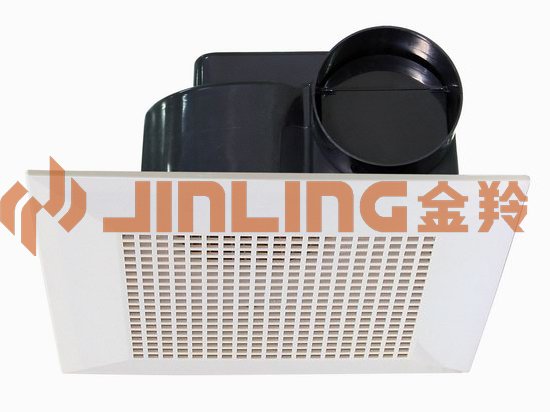
HVAC Systems
Source commercial and residential HVAC Systems from vetted manufacturers and suppliers in Asia. Designed for importers, regional distributors, and brands seeking reliable OEM production, our network delivers scalable heating, ventilation, and air conditioning solutions built to exacting global market standards.
Sourcing HVAC systems in volume requires balancing stringent energy efficiency regulations, component reliability, and volatile freight costs. For importers and OEM brands, the primary challenge isn't just finding a factory that can assemble a unit; it's securing a manufacturing partner capable of consistent brazing quality, rigorous leak testing, and verified compliance with regional performance standards like SEER2 or Eurovent.
Defining Core Specifications
When negotiating with HVAC manufacturers, vague specifications lead to unacceptable defect rates and missed efficiency targets. The bill of materials (BOM) is heavily dictated by the compressor brand, heat exchanger design, and the chosen refrigerant.
Refrigerant and Environmental Compliance
The global phase-down of high-GWP (Global Warming Potential) refrigerants fundamentally alters compressor selection and safety engineering at the factory level. You must specify the refrigerant early, as it dictates the entire system's design parameters.
| Refrigerant | GWP (Approx) | Market Status | Factory Requirement |
|---|---|---|---|
| R410A | 2088 | Phasing out in major markets | Standard assembly |
| R32 | 675 | Current standard for many regions | Ventilated charging stations |
| R290 (Propane) | 3 | Emerging eco-standard | Explosion-proof assembly lines |
Critical Component Sourcing
Most tier-two and tier-three assembly factories do not manufacture their own compressors or inverter drives. Instead, they procure these from major domestic suppliers (e.g., GMCC, Landa, Highly). When developing a product, verify exactly which tier of compressor is being used for your specific production run, as factories may substitute components to maintain margins if copper or aluminum prices spike.
Need to verify a supplier's component sourcing and assembly capabilities? Let us audit the factory before you commit.
Talk to our teamManufacturing Quality and Defect Prevention
HVAC reliability is won or lost during the brazing and assembly of the copper piping network. A single microscopic pinhole leak can ruin a system's performance and trigger a costly warranty claim.
When conducting Quality Control & Inspection at the factory, inspectors must look beyond the cosmetic finish of the chassis and focus on the integrity of the sealed system and electrical boards.
Critical Factory-Level Tests
- Helium mass spectrometry leak detection on all refrigerant circuits (more reliable than water bath testing).
- High-potential (Hipot) electrical safety testing on all finished units.
- Compressor run-in and acoustic/vibration testing to catch mounting defects.
- PCB conformal coating inspection to ensure long-term moisture resistance.
- Condenser and evaporator coil pressure testing prior to final assembly.
For brands requiring custom chassis designs, proprietary smart-home integrations, or specific anti-corrosion treatments (like gold fin or blue fin coatings for coastal markets), utilizing structured OEM/ODM Services ensures that these non-standard requirements are engineered correctly into the production line rather than applied as an afterthought.
Buying Mechanics: MOQs, Pricing, and Lead Times
HVAC systems are high-volume, low-density cargo. Freight economics play a massive role in unit profitability, meaning production is almost always calculated in container loads rather than individual unit counts.
Cost Drivers
Pricing is highly sensitive to raw material fluctuations, specifically copper, aluminum, and steel. When negotiating wholesale contracts, establish whether the quoted price is locked or tied to a raw material index. Furthermore, upgrading to higher SEER/SCOP ratings requires larger heat exchangers and more sophisticated DC inverter boards, which linearly increases the FOB price.
Navigating regional energy standards requires rigorous Compliance & Testing. Units destined for North America must meet AHRI and UL/ETL standards, while European imports require CE, RoHS, and strict adherence to ERP directives. Ensure your supplier holds valid, verifiable test reports for the exact model and capacity you are importing.
Streamline your HVAC supply chain, from factory floor to final destination.
Get a free consultationFrequently Asked Questions
Sourcing HVAC equipment at scale is a capital-intensive process where technical oversight is just as important as price negotiation. By strictly defining component requirements, enforcing rigorous in-line quality control, and managing container utilization efficiently, importers can build a resilient and profitable product line.
Get Sourcing Help for HVAC Systems
Tell us your requirements and our experts will connect you with verified manufacturers.