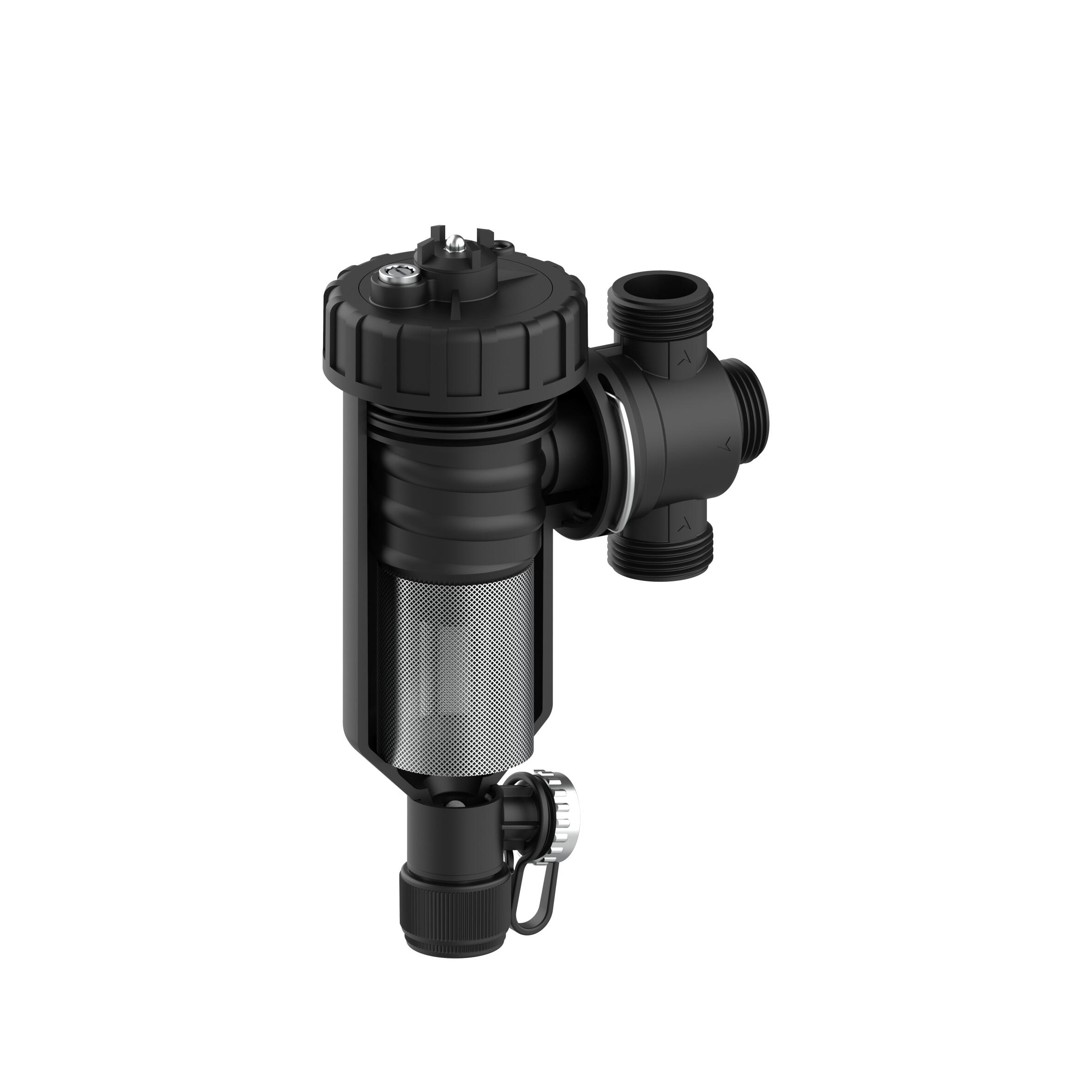
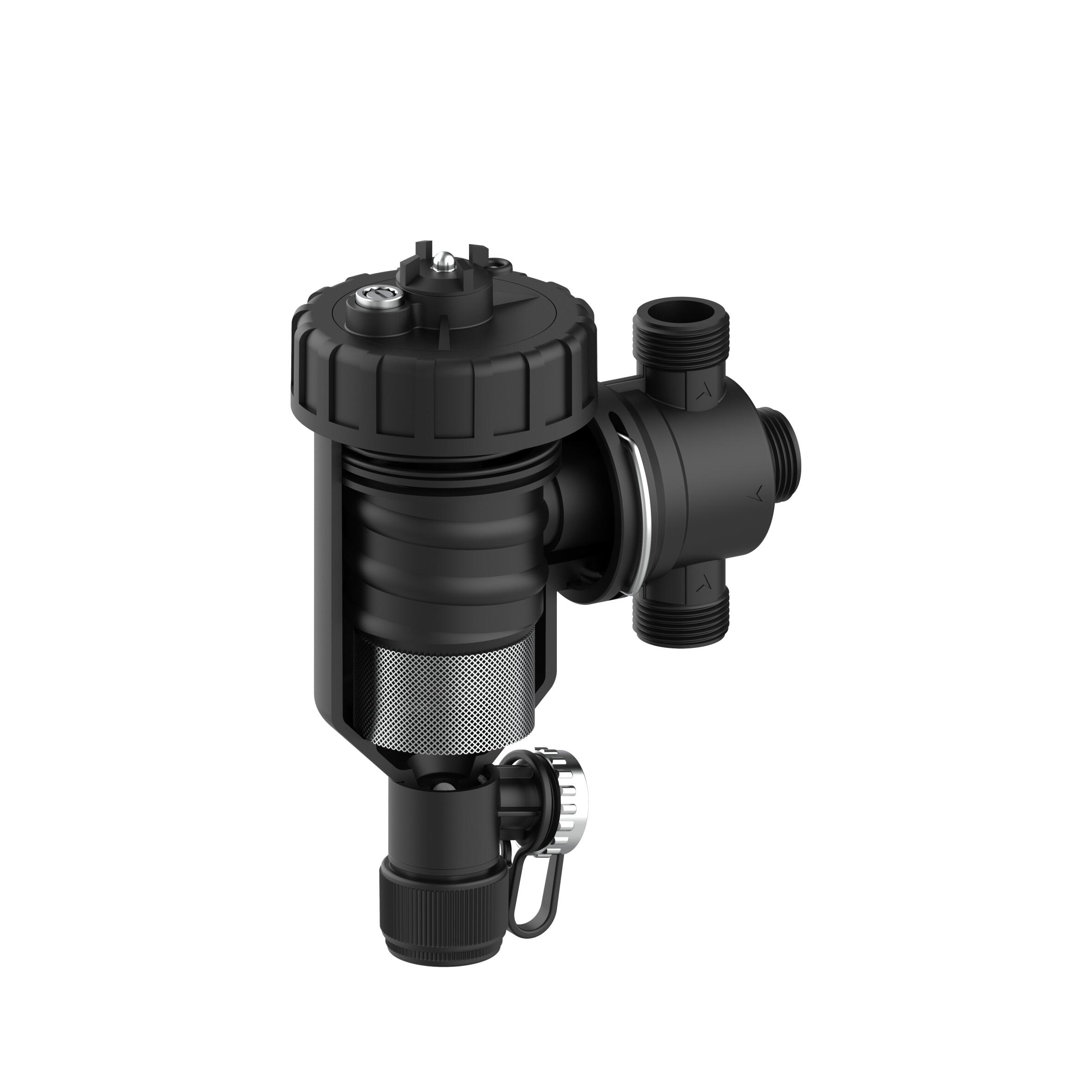
HVAC System Parts
Source commercial and residential HVAC system parts directly from vetted manufacturers and suppliers. Designed for importers, wholesalers, distributors, and brands requiring reliable OEM and aftermarket components in bulk. Secure competitive pricing on high-volume orders with stringent quality control and compliance verification.
Sourcing HVAC system parts at scale requires strict adherence to dimensional tolerances, material purity, and electrical safety standards. Whether you are procuring replacement components for wholesale distribution or custom parts for OEM equipment assembly, the margin for error is zero. A single microscopic brazing defect, a substandard motor winding, or an incompatible valve seal can lead to catastrophic system failure, expensive warranty claims, and compromised energy efficiency.
Critical Specifications and Component Vulnerabilities
The durability of an HVAC system relies heavily on the raw materials and precision engineering of its individual parts. Buyers must specify exact material grades and performance tolerances in their purchase orders to avoid substandard substitutions.
| Component Category | Critical Buyer Specifications | Common Factory Vulnerabilities |
|---|---|---|
| Heat Exchangers & Coils | Copper tube wall thickness, fin density (FPI), hydrophilic coating | Micro-leaks at brazing joints, galvanic corrosion |
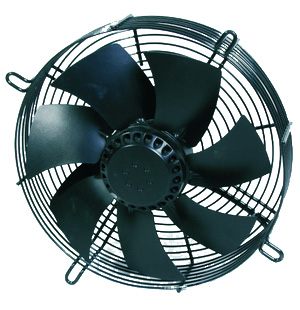
| Blowers & Motors | Insulation class (F or H), IP rating, voltage/frequency compatibility | Premature bearing failure, copper wire substitution (CCA) |
| Valves & Line Components | Refrigerant compatibility (e.g., R32, R410A), max working pressure | Elastomer seal degradation, machining burrs causing blockages |
| Electronic Controls | Conformal coating for moisture resistance, relay cycle life | PCB soldering defects, sensor calibration drift |
When developing custom components, leveraging professional OEM/ODM Services ensures that your proprietary designs are translated accurately into production-ready CAD files and tooling blueprints, minimizing costly revisions.
Ensure your HVAC components meet strict regional compliance and performance standards.
Talk to our teamManufacturing and Quality Control Checkpoints
Quality in HVAC components is won or lost on the factory floor, particularly during assembly and testing phases. Visual inspections are insufficient; rigorous functional and stress testing is mandatory.
Essential Factory-Level QC Verifications
- Helium or nitrogen leak testing for all refrigerant-carrying coils and valves (typically tested at 1.5x to 3x standard operating pressure).
- Hipot (Dielectric Withstand) testing for blowers, compressors, and electronic controls to verify electrical insulation integrity.
- Salt spray testing for outdoor unit chassis components and coated fins to ensure corrosion resistance meets specified hours.
- Dimensional tolerance checks on stamped metal parts and custom mounting brackets to guarantee seamless assembly.
Because HVAC parts are often highly specialized, a factory producing excellent copper fittings may not be equipped to manufacture reliable electronic thermostats. Conducting thorough Factory Audits before placing an order is critical to verify that the supplier has the specific automated machinery and testing chambers required for your exact component type.
Buying Mechanics: MOQs, Lead Times, and Pricing
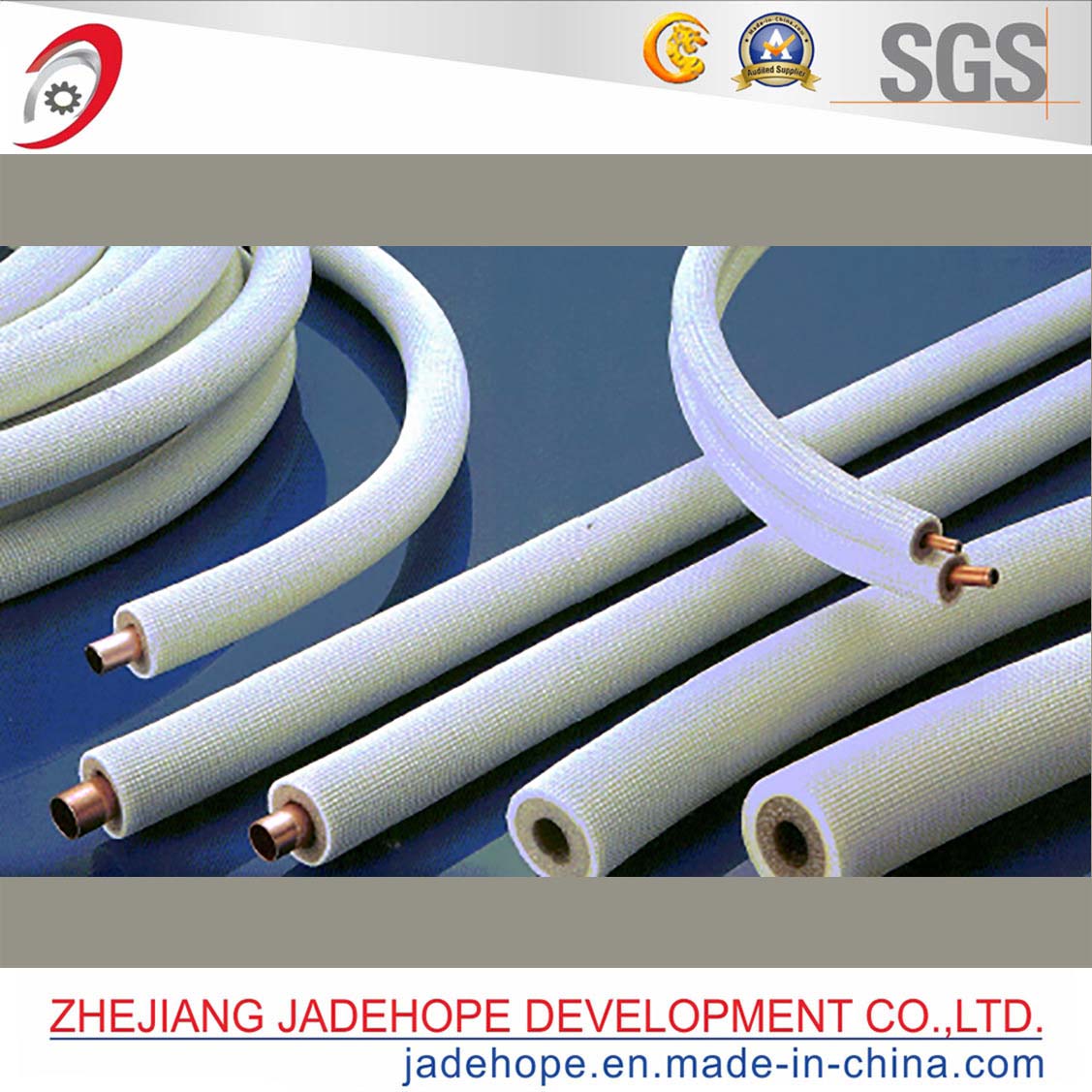
Procurement planning for HVAC parts requires navigating fluctuating raw material costs and specialized production schedules. Prices for coils, compressors, and copper line sets are highly volatile and directly tied to the London Metal Exchange (LME) spot prices for copper and aluminum.
When negotiating contracts, ensure that quotes specify the exact raw material index price at the time of the offer. Quotes are typically only valid for 7 to 14 days due to metal market volatility. Additionally, if you are sourcing different components from multiple specialized factories, coordinating the logistics and Quality Control & Inspection across these facilities is essential to prevent delays in your final shipment consolidation.
Optimize your procurement strategy and secure reliable high-volume pricing.
Get a free consultationFrequently Asked Questions
Successfully sourcing HVAC system parts requires moving beyond standard supplier directories and deeply understanding the engineering and material realities of the products. By enforcing strict testing protocols and validating factory capabilities upfront, buyers can build a resilient supply chain that delivers consistent performance without sacrificing margins.
Get Sourcing Help for HVAC System Parts
Tell us your requirements and our experts will connect you with verified manufacturers.