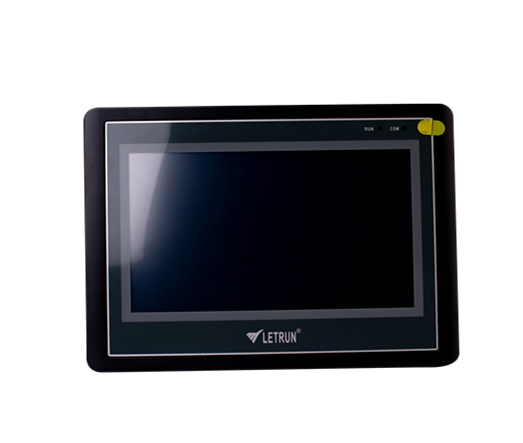
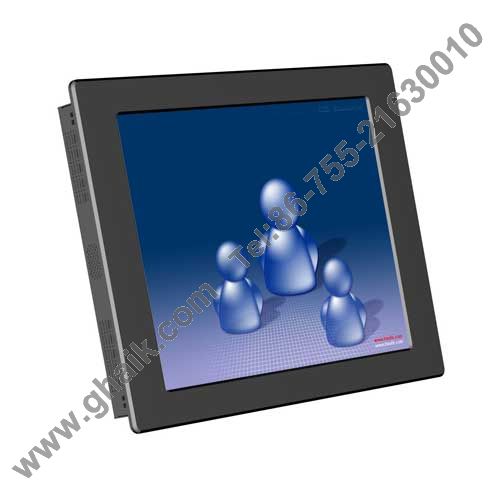
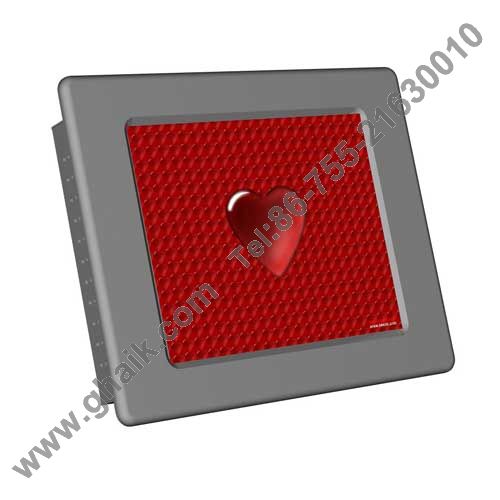
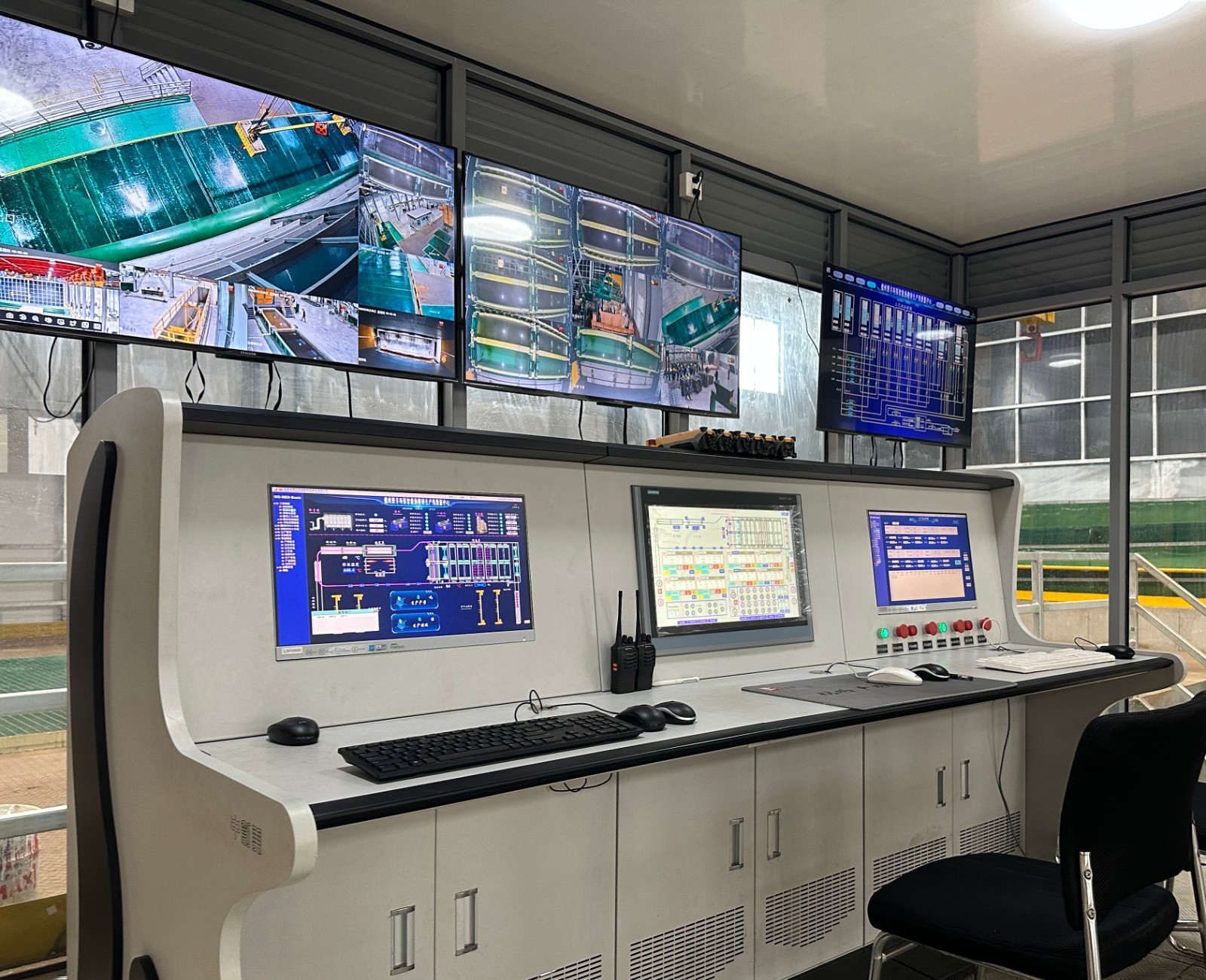
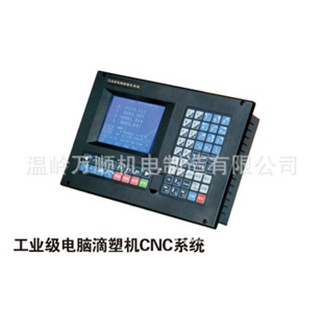
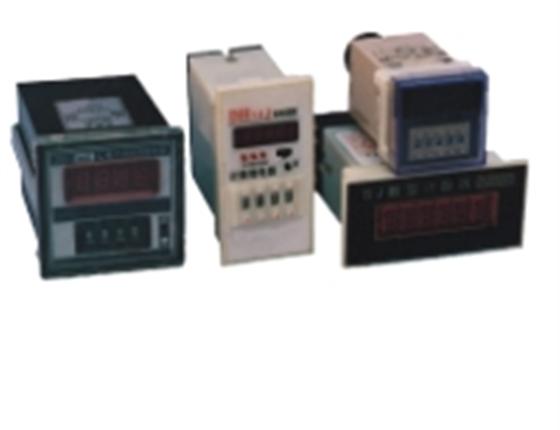
Human Machine Interfaces & Industrial PCs
Source Human Machine Interfaces & Industrial PCs from vetted manufacturers and suppliers. Designed for importers, distributors, and brands requiring OEM/ODM production, our factory-direct network offers scalable solutions. Secure reliable, industrial-grade panels and embedded systems built for harsh environments.
Sourcing industrial controls requires balancing rugged reliability with long-term component availability. Whether you are procuring fanless panel PCs for factory floors or compact HMIs for automated machinery, success depends on specifying the right industrial-grade internals and partnering with a manufacturer capable of consistent assembly and rigorous environmental testing. The consumer-grade electronics supply chain operates very differently from the industrial sector; you need suppliers who understand locked Bills of Materials (BOM) and extended lifecycles.
Specifying the Hardware: Touch Technologies and Environments
The physical interface is the most frequent point of failure in an industrial setting. Specifying the correct touch technology and ingress protection is critical to preventing field returns.
| Feature | Resistive Touch | Projected Capacitive (PCAP) |
|---|---|---|
| Operation Mechanism | Pressure-based (works with heavy work gloves) | Electrical field (supports multi-touch) |
| Durability | Susceptible to sharp object scratches | Highly durable, scratch-resistant glass surface |
| Environmental Performance | Unaffected by heavy water, oil, or dust | Requires controller tuning to handle water droplets or thick gloves |
Beyond the screen, the enclosure must match the environment. Most industrial HMIs require at least an IP65 rating on the front bezel to protect against low-pressure water jets and dust. Full IP67 (stainless steel, fully sealed) is necessary for food and beverage or pharmaceutical applications requiring washdowns.
Navigating the industrial electronics supply chain in Asia can be complex. Let us help you identify and vet suppliers capable of meeting strict industrial standards.
Get a free consultationManufacturing Quality and Thermal Management
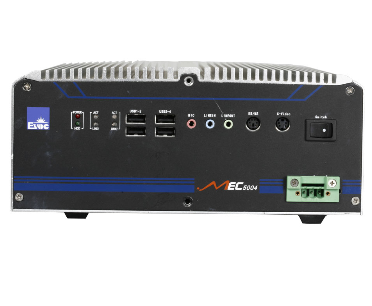
The core advantage of an Industrial PC is its ability to operate reliably in harsh conditions without active cooling. Fanless designs rely entirely on the aluminum chassis to dissipate heat. If the manufacturer cuts corners on thermal compound application or heat sink extrusion quality, the CPU will throttle, leading to system instability.
When evaluating a factory's production line, you must look past the assembly benches and focus on their testing infrastructure. Implementing rigorous Quality Control & Inspection protocols at the factory level is the only way to ensure the units will survive real-world deployment.
Critical Factory-Level QC Checks
- Thermal chamber testing: Verifying sustained operation at temperature extremes (often -20 to 60 degrees Celsius).
- Ingress protection validation: Water spray and dust chamber testing on the front bezels.
- Vibration and shock testing: Ensuring internal cables, RAM, and storage are secured for high-vibration environments.
- EMI/EMC compliance: Pre-compliance testing to ensure the unit meets CE/FCC industrial emissions standards.
- Screen bonding inspection: Checking for delamination or air bubbles in optically bonded displays.
OEM/ODM Customization and BOM Control
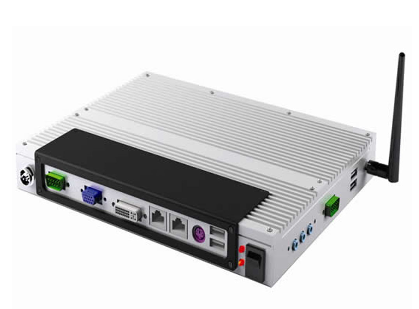
Many buyers require specific I/O configurations—such as legacy RS232/485 serial ports, dual Gigabit LAN, or CAN bus interfaces—that standard off-the-shelf units lack. Engaging in OEM/ODM Services allows you to customize the motherboard layout, integrate specific RFID/NFC readers, or design custom ruggedized enclosures featuring your branding.
A critical factor in industrial sourcing is BOM control. Consumer electronics factories frequently swap internal components (like RAM chips, SSD controllers, or LCD panels) based on spot market pricing. In the industrial sector, an unannounced component change can break OS drivers or invalidate certifications. You must negotiate strict BOM lock agreements with your supplier, ensuring no component changes occur without your explicit engineering approval.
Pricing, MOQs, and Lead Times
Industrial electronics command a premium over consumer equivalents due to the higher grade of components (wide-temperature ICs, industrial-grade flash storage) and the cost of maintaining long-term availability.
Because industrial manufacturing requires specialized testing equipment and stable supply chains, conducting thorough Factory Audits is non-negotiable. You must verify that the supplier actually mounts and tests their own boards, rather than just assembling components bought from a third-party market.
Ready to scale your industrial hardware procurement? We manage the entire process, from factory vetting to BOM control and final inspection.
Talk to our teamSourcing Human Machine Interfaces and Industrial PCs is fundamentally about risk management. By partnering with factories that understand rigorous thermal design, strict BOM control, and long-term component availability, you protect your brand from costly field failures and lifecycle disruptions.
Get Sourcing Help for Human Machine Interfaces & Industrial PCs
Tell us your requirements and our experts will connect you with verified manufacturers.