Homogenizers
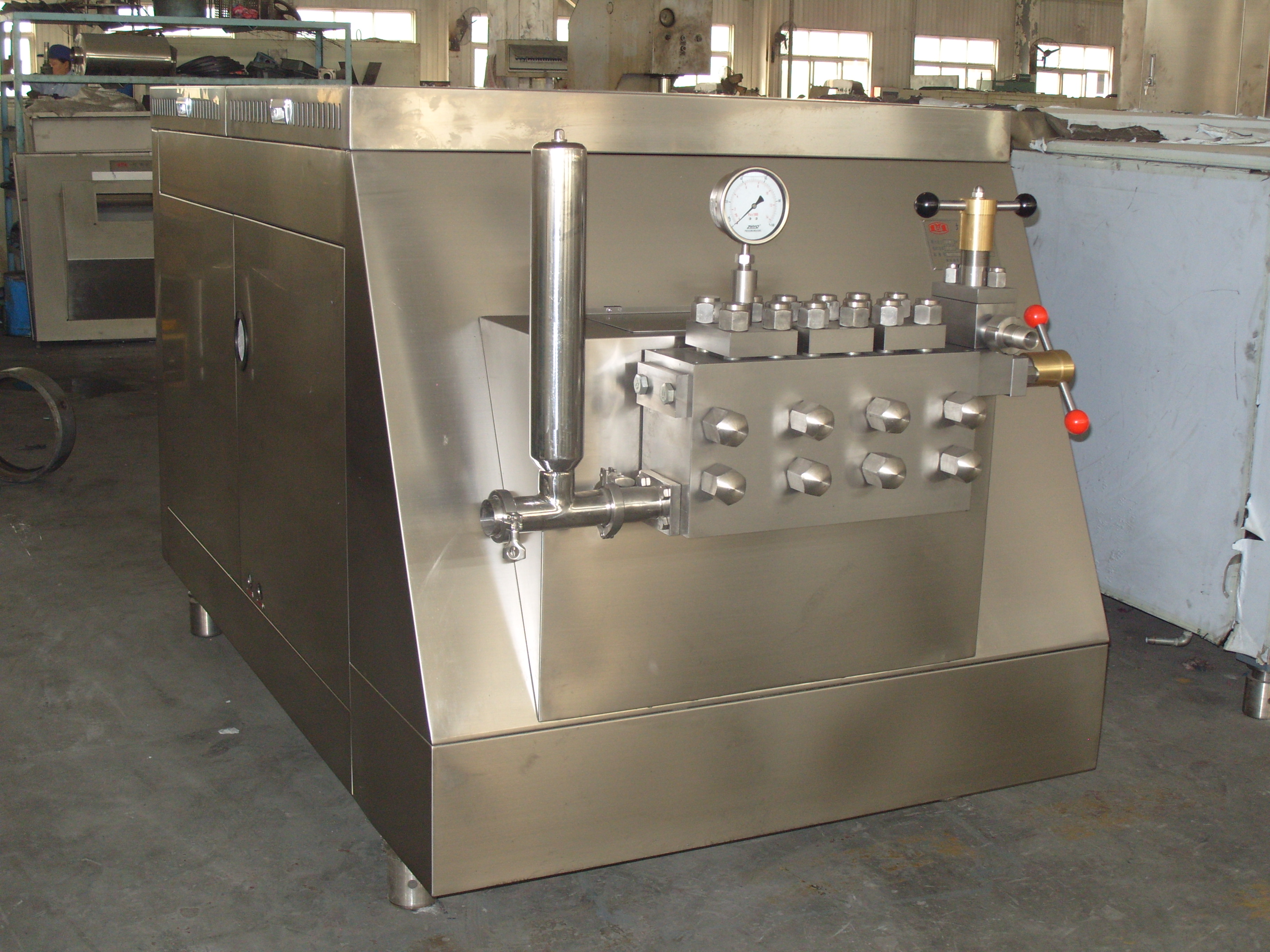
Source industrial-grade homogenizers from vetted suppliers and manufacturers in China and Asia. Designed for importers, distributors, and food and beverage brands looking for reliable wholesale pricing or custom OEM production. Find high-pressure and high-shear equipment built to exacting sanitary standards.
Sourcing industrial homogenizers for beverage and dairy processing is an exercise in balancing precision engineering with cost control. The core challenge isn't just finding a machine that hits the required flow rate; it is ensuring the high-pressure pump block and homogenizing valves can withstand thousands of hours of intense cavitation without premature wear, metal fatigue, or sanitary failure. When buying direct from overseas manufacturers, relying on spec sheets alone is risky.
Critical Specifications for Beverage Processing
To get accurate quotes and avoid under-specced machinery, buyers must define the operational parameters clearly. Manufacturers will configure the motor, gearbox, and fluid end based on these inputs.
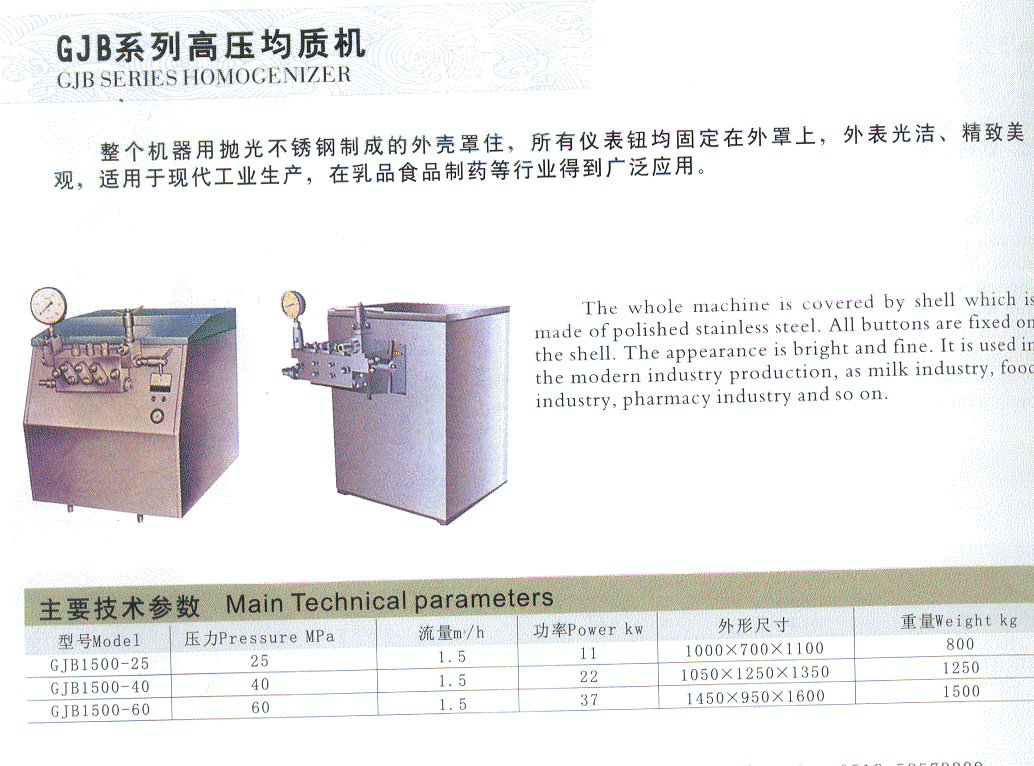
- Operating Pressure: Typically measured in Bar or MPa. Standard dairy and juice processing requires 20 to 25 MPa, while specialized plant-based milks or nano-emulsions may require ultra-high pressure systems operating at 60 to 100 MPa or more.
- Flow Rate (Capacity): Measured in liters per hour (L/H). Specify both your minimum required continuous flow and the maximum capacity of your upstream pasteurization or mixing equipment to ensure seamless integration.
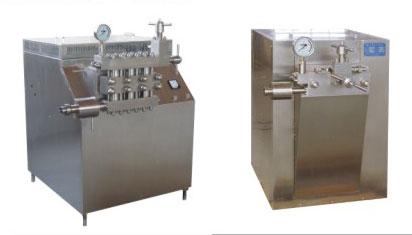
- Valve Configuration: The choice between single-stage and two-stage homogenization drastically impacts the final product's stability.
| Configuration | Primary Application | Mechanical Action |
|---|---|---|
| Single-Stage | High-viscosity products, simple syrups, purees | Single pressure drop for primary particle size reduction |
| Two-Stage | Dairy milk, plant milks, fine beverage emulsions | First stage reduces size; second stage (lower pressure) breaks up particle clusters |
Navigating complex equipment specifications and supplier vetting? Let us help you match your processing requirements with a highly capable manufacturer.
Talk to our teamManufacturing Quality and Material Selection
The longevity of a homogenizer is entirely dependent on the metallurgy of its wetted parts and the precision of its machining. High-pressure environments expose the impact ring and valve seat to extreme abrasive forces.
When evaluating a supplier, you must confirm their material sourcing and machining tolerances. The pump block should be forged from high-grade 316L stainless steel or duplex stainless steel to resist stress corrosion cracking. For the homogenizing valves, standard stainless steel will degrade rapidly; specify Tungsten Carbide, Stellite, or specialized ceramics.
Conducting thorough factory audits is essential when selecting a machinery partner. You need to verify that the factory possesses advanced CNC machining centers capable of achieving the necessary tolerances, rather than outsourcing critical block machining to unverified sub-tier suppliers.
Factory Acceptance Testing (FAT)
Never allow industrial processing equipment to ship without comprehensive testing at the manufacturer's facility. A rigorous Factory Acceptance Test ensures the machine performs under load and meets all sanitary requirements before it leaves the factory floor.
Key FAT Inspection Points for Homogenizers
- Hydrostatic pressure testing of the pump block to ensure zero leaks at peak pressure.
- Vibration and acoustic monitoring under full load to detect gearbox or alignment issues.
- Verification of sanitary welds and surface roughness (Ra under 0.8 micrometers for food grade).
- Validation of the cooling systems for the plunger lubrication.
- PLC logic testing and verification of all safety interlocks.
Implementing professional quality control & inspection services during the FAT phase is the most effective way to catch machining defects or sub-standard component substitutions before you authorize final payment.
Sourcing Realities: Pricing, Lead Times, and Customization
Industrial homogenizers are rarely off-the-shelf items. They are built-to-order based on your specific flow rate, pressure, and automation requirements.
Pricing is driven primarily by the required motor power (kW), the pressure rating, and the level of automation. A basic manual-valve machine will cost significantly less than a fully automated, PLC-controlled unit designed for CIP (Clean-in-Place) integration. If you are a brand or distributor looking to offer equipment under your own name, leveraging OEM/ODM services allows you to customize the HMI interface, exterior housing, and component list to match your target market's expectations.
Ensure your machinery orders are built to spec, rigorously tested, and delivered on time with our end-to-end sourcing management.
Get a free consultationFrequently Asked Questions
Successful machinery sourcing goes beyond negotiating the lowest unit price; it requires a deep focus on the Total Cost of Ownership (TCO). A slightly higher upfront investment in better metallurgy, recognized electrical components, and rigorous pre-shipment testing will save tens of thousands in avoided downtime and maintenance over the life of the equipment. Partnering with experienced sourcing professionals ensures your specifications are respected and your capital investment is protected.
Get Sourcing Help for Homogenizers
Tell us your requirements and our experts will connect you with verified manufacturers.