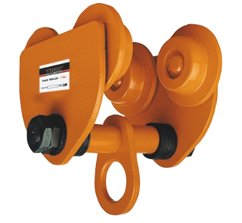
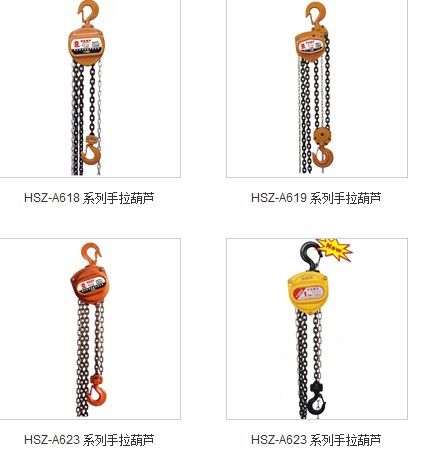
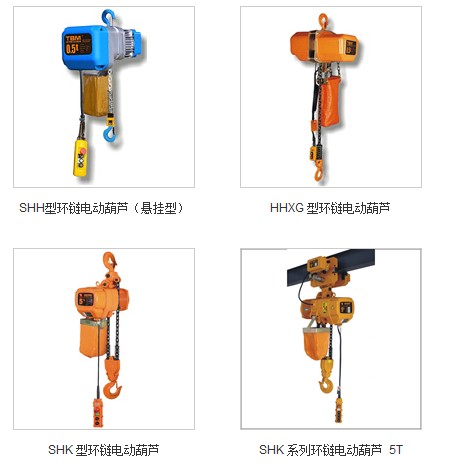
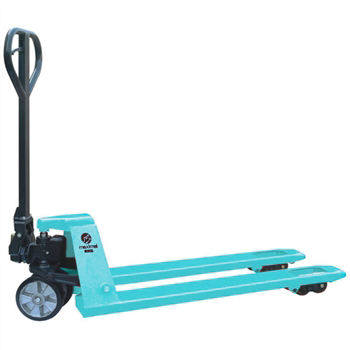
Hoists
Source industrial-grade hoists from vetted manufacturers and suppliers. This category serves importers, distributors, and brands seeking reliable OEM and private-label production in volume. Compare factory-direct options designed for demanding material handling applications.
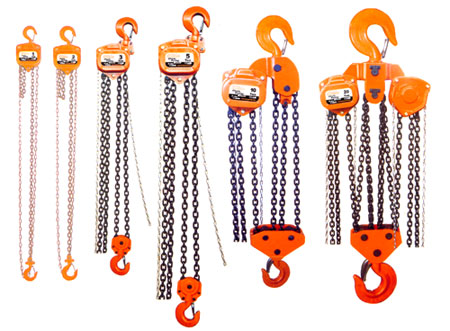
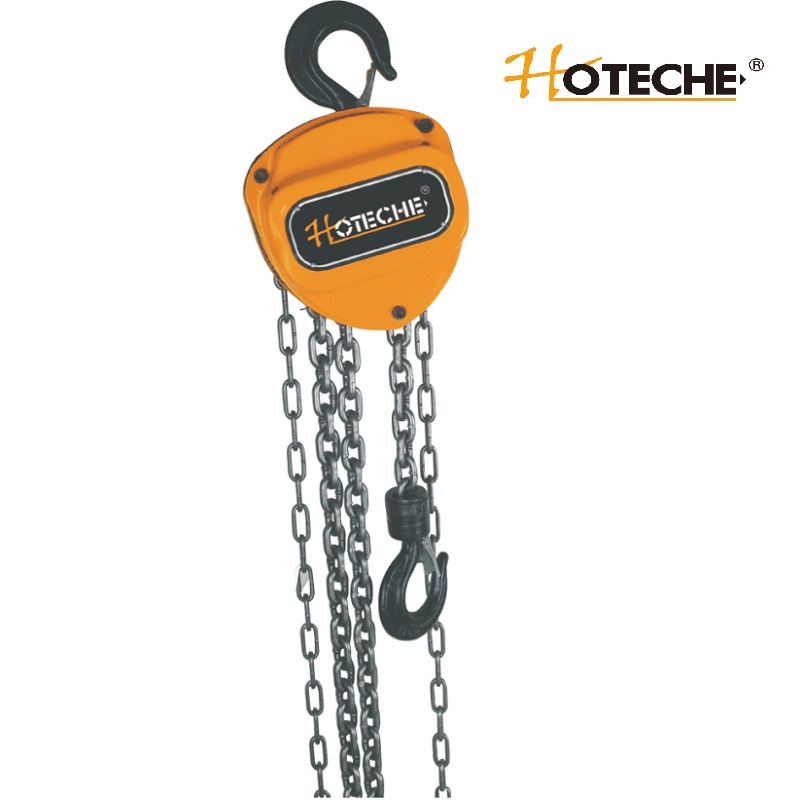
Sourcing hoists in volume requires a strict focus on metallurgical integrity, motor reliability, and fail-safe braking mechanisms. Whether you are importing manual chain blocks for construction or electric wire rope units for heavy manufacturing, the stakes for material handling equipment are absolute. A single component failure—be it a sheared gear tooth or a slipping friction disc—can lead to catastrophic workplace accidents and severe liability.
To build a reliable supply chain for lifting equipment, buyers must look beyond top-line load capacities and scrutinize the factory's internal testing protocols, component sourcing, and compliance with regional safety directives.
Critical Specifications for Bulk Buyers
When specifying hoists for OEM production or wholesale distribution, the technical parameters must align exactly with your target market's industrial standards (such as FEM, ISO, or ASME).
- Duty Cycle and Classification: For powered units, specify the ED rating (percentage of operating time) and motor starts per hour. A standard commercial unit might be rated at 25% ED, while heavy industrial applications require 40% to 60% ED.
- Load Chain and Wire Rope Grades: Chain must meet Grade 80 (T) or Grade 100 (V) standards, typically quenched and tempered alloy steel. Wire ropes must specify construction (e.g., 6x37 IWRC) and minimum breaking loads.
- Braking Systems: Specify dual-braking systems (mechanical load brake plus electromagnetic motor brake) for powered units to ensure redundancy.
- Ingress Protection (IP Rating): IP54 is the baseline for standard indoor industrial use, but outdoor or harsh environments demand IP55 or IP65 for dust and water resistance.
Ensure your hoist shipments meet strict safety and load-bearing standards with on-the-ground engineering support.
Talk to our teamManufacturing Tolerances and Quality Control
The durability of a hoist is determined on the factory floor during machining and heat treatment. Poorly machined gearboxes lead to excessive noise and rapid wear, while inconsistent heat treatment of load hooks can cause brittle fractures under shock loads.
Verifying a supplier's capability requires comprehensive factory audits to ensure they possess the necessary CNC machining centers and metallurgical testing equipment.
Critical Pre-Shipment Checks
- Dynamic load testing at 125 percent of rated capacity
- Static load testing at 150 percent of rated capacity
- Brake slip measurement and engagement timing under full load
- Gearbox oil seal integrity and acoustic noise decibel levels
- Verification of load chain/rope material certificates
Relying on a factory's internal quality assurance is often insufficient for high-liability equipment. Implementing independent quality control inspections ensures that every batch undergoes rigorous dynamic testing before the container is sealed.
Buying Mechanics: MOQs, Lead Times, and Pricing
The hoist manufacturing cluster is heavily concentrated in specific industrial zones across Asia. Pricing is primarily driven by the cost of raw materials (steel and copper), the origin of critical components (e.g., imported vs. domestic contactors), and the required safety certifications (CE, UL, CSA).
Certification and Compliance
Regulatory compliance is non-negotiable. European markets require CE marking (Machinery Directive), while North American markets often demand UL/cUL or CSA approval for the electrical components. Buyers should demand verifiable test reports from recognized third-party labs. If a factory's existing models do not meet your market's requirements, you will need to factor in the time and cost for independent compliance testing during the product development phase.
Navigate complex machinery directives and build a robust, compliant hoist supply chain.
Get a free consultationFrequently Asked Questions
Sourcing lifting equipment requires balancing competitive manufacturing costs with uncompromising mechanical reliability. By focusing on stringent component specifications and rigorous pre-shipment load testing, buyers can confidently import hoists that perform safely in the most demanding industrial environments.
Get Sourcing Help for Hoists
Tell us your requirements and our experts will connect you with verified manufacturers.