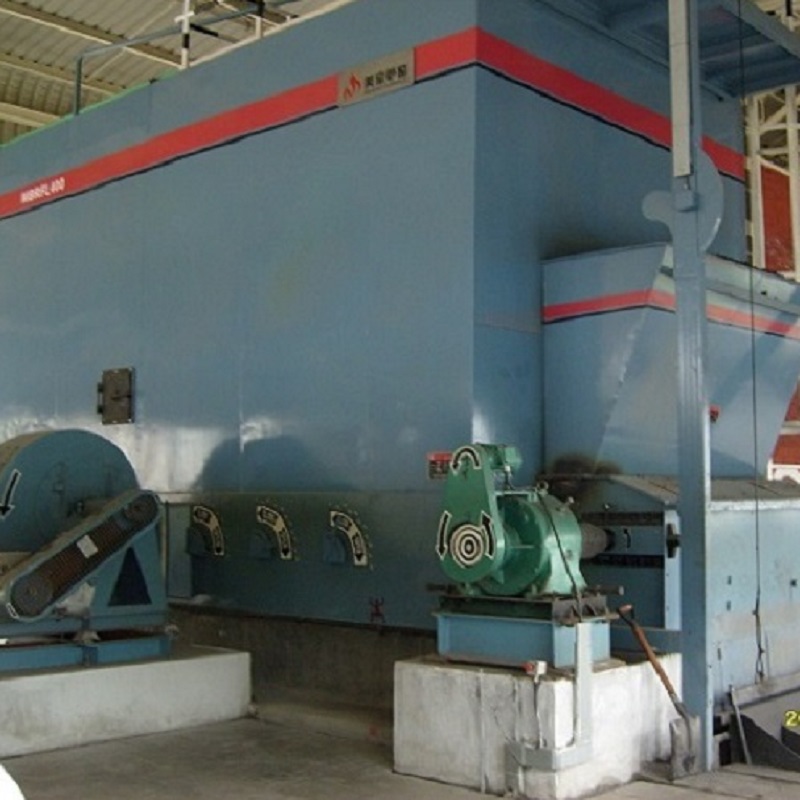
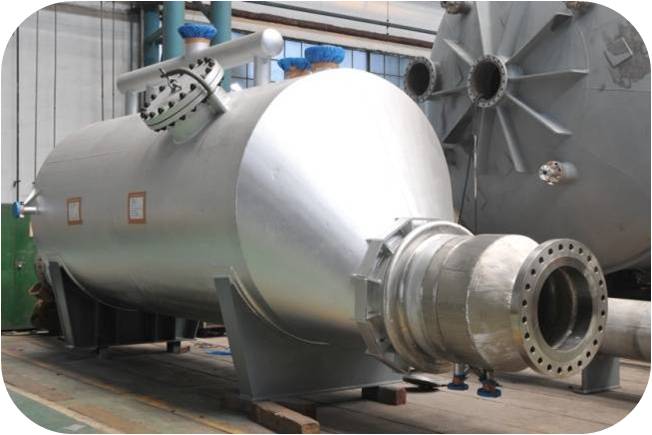
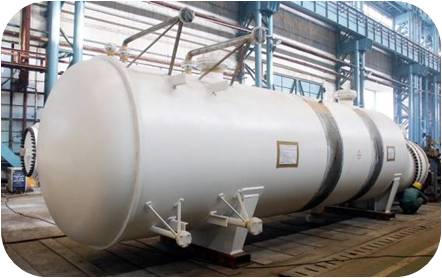
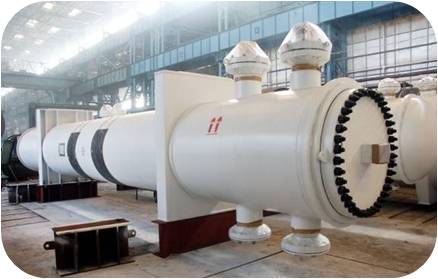
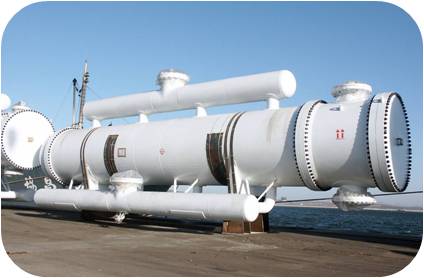
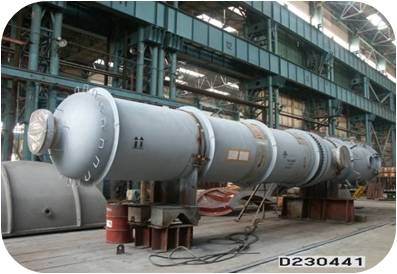
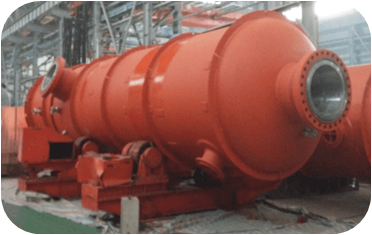
Heat Transfer Equipment
Source industrial Heat Transfer Equipment directly from vetted manufacturers and suppliers in China and across Asia. Designed for procurement managers, wholesalers, and specialized distributors requiring bulk orders or custom OEM production, our network delivers reliable thermal management solutions at scale.
Procuring heat transfer equipment for chemical and industrial applications requires rigorous attention to metallurgy, pressure ratings, and thermal efficiency. Because these units often operate under extreme conditions, the primary sourcing challenge lies in validating that a supplier's fabrication capabilities, particularly in specialized welding and pressure vessel compliance, match the strict safety tolerances your market demands.
Critical Specifications for Thermal Machinery
When sourcing industrial heat transfer units, the technical data sheet is your first line of defense against premature equipment failure. Buyers must clearly define the operational parameters to ensure the factory selects the correct materials and structural design.
Key specifications to define with your manufacturer include:
- Operating and Design Pressures: Specify both standard operating pressure and the maximum allowable working pressure (MAWP).
- Thermal Duty and Flow Rates: Clearly outline the required heat transfer area, specific heat capacities of the fluids, and expected flow velocities to prevent erosion-corrosion.
- Metallurgy and Corrosion Allowance: Standard carbon steel or 304 stainless steel is sufficient for benign environments, but aggressive chemical processing often requires 316L stainless steel, titanium, or Hastelloy. Always specify a corrosion allowance (typically 1.5mm to 3mm) based on the fluid's corrosivity.
| Material Grade | Typical Application | Cost Profile | Corrosion Resistance |
|---|---|---|---|
| Carbon Steel | Non-corrosive fluids, cooling water | Low | Basic |
| SS 304 / 316L | Food grade, mild chemicals | Medium | High (especially 316L) |
| Titanium Alloys | Chlorides, seawater, harsh acids | High | Exceptional |
| Hastelloy / Inconel | Extreme temperature, severe chemical processing | Premium | Ultimate |
Need a supplier capable of handling specialized alloys and high-pressure certifications? We match your technical requirements with vetted, capable manufacturers.
Talk to our teamManufacturing Tolerances and Defect Prevention
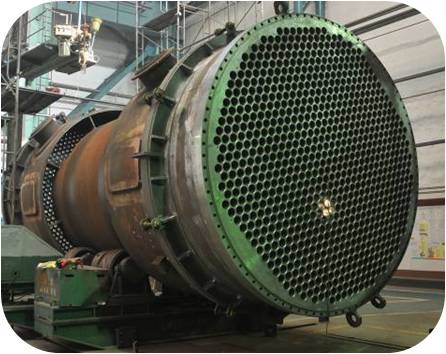
The longevity of heat transfer equipment is won or lost on the factory floor, specifically during the welding and assembly phases. Tube-to-tubesheet joints are notorious failure points if not executed precisely.
Relying solely on final visual inspections is insufficient for chemical machinery. Implementing robust Quality Control & Inspection protocols during the manufacturing process is critical to catching structural flaws before the unit is sealed and pressurized.
Key Factory-Floor Inspection Points
- Verify welder qualifications for the specific alloy being used (e.g., ASME Section IX).
- Inspect tube expansion and welding techniques at the tubesheet joints.
- Review Non-Destructive Testing (NDT) reports, including radiographic (X-ray) or ultrasonic testing on critical seams.
- Witness hydrostatic or pneumatic pressure testing to ensure zero leakage at 1.3 to 1.5 times the design pressure.
- Check baffle spacing and alignment to prevent tube vibration and fretting wear.
Global Compliance and Pressure Vessel Standards
Heat transfer equipment often falls under strict regulatory frameworks governing pressure vessels. A common pitfall for importers is assuming a supplier's domestic certifications translate to international compliance.
If you are importing into North America, the factory must be capable of adhering to the ASME Boiler and Pressure Vessel Code (BPVC), and ideally hold an ASME U-stamp. For the European market, compliance with the Pressure Equipment Directive (PED 2014/68/EU) and CE marking is mandatory. Conducting thorough Factory Audits before placing an order is the only reliable way to confirm a manufacturer genuinely holds these credentials and possesses the quality management systems to maintain them. Furthermore, engaging third-party Compliance & Testing services ensures the final product meets all destination-market legal requirements.
Purchasing Mechanics: Cost Drivers, MOQs, and Lead Times
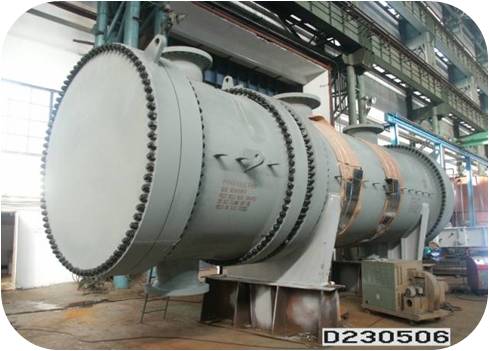
Unlike consumer goods, industrial heat transfer equipment is heavily customized. Even standard shell-and-tube or plate heat exchangers require specific gasket materials, port configurations, and plate patterns tailored to the buyer's application. If you require proprietary designs, leveraging OEM/ODM Services with a capable manufacturer will ensure your intellectual property and custom thermal requirements are securely managed.
Pricing is highly volatile and directly tied to global metal commodity indices (particularly nickel, chromium, and titanium). Quotes are typically only valid for 7 to 14 days.
Planning a complex procurement schedule? Let us help you align factory lead times, quality assurance, and international freight to keep your project on track.
Get a free consultationFrequently Asked Questions
Sourcing heavy chemical machinery is fundamentally an exercise in risk mitigation. A well-vetted supply chain ensures that the equipment arriving at your facility or your client's site delivers the thermal efficiency and operational safety expected. By enforcing strict engineering standards and maintaining continuous oversight from raw material selection to final pressure testing, you protect both your margins and your reputation.
Get Sourcing Help for Heat Transfer Equipment
Tell us your requirements and our experts will connect you with verified manufacturers.