Heat Exchangers
Source industrial heat exchangers from vetted manufacturers and suppliers across Asia. Built for importers, equipment distributors, and OEM brands requiring reliable bulk production, our network delivers custom and standard thermal management solutions at scale.
Sourcing industrial heat exchangers at scale requires strict attention to thermal efficiency, material integrity, and pressure vessel compliance. Whether you are procuring standard brazed plate units for HVAC distribution or engineering custom shell-and-tube systems for chemical processing, the margin for manufacturing error is zero. A single microscopic weld defect or improper material grade can lead to catastrophic system failure, cross-contamination, and severe liability.
Key Specifications and Material Selection
Defining exact operational parameters is the first step in engaging a manufacturer. Suppliers need precise data on fluid types, flow rates, maximum operating pressures, and allowable pressure drops to calculate the required heat transfer area.
Material selection directly dictates pricing and longevity. While standard applications rely on SUS304 or 316L stainless steel, aggressive media (like saline or specific chemicals) require titanium or specialized high-nickel alloys. For brazed plate heat exchangers (BPHE), the brazing material—typically copper or nickel—must also be compatible with the working fluids to prevent galvanic corrosion.
| Design Type | Typical Applications | Manufacturing Challenges | Cost Profile |
|---|---|---|---|
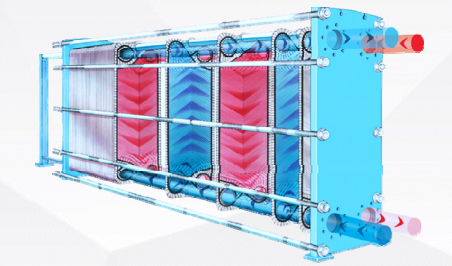
| Brazed Plate (BPHE) | HVAC, refrigeration, heat pumps | Vacuum brazing consistency, plate stamping precision | Lower per unit, high initial tooling for custom |
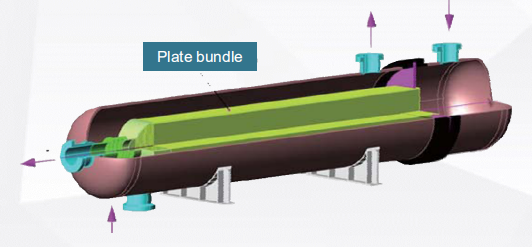
| Gasketed Plate (PHE) | Food & beverage, industrial cooling | Gasket material compatibility, frame rigidity | Moderate, scales with plate count and gasket material |
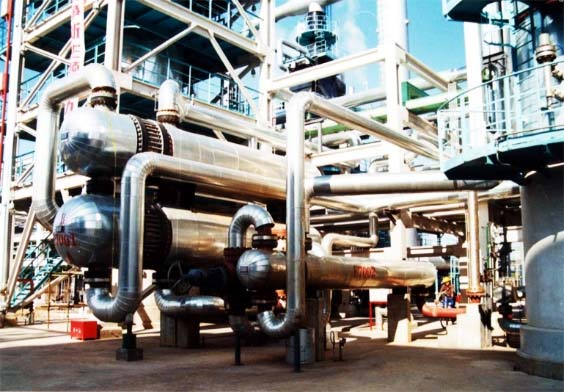
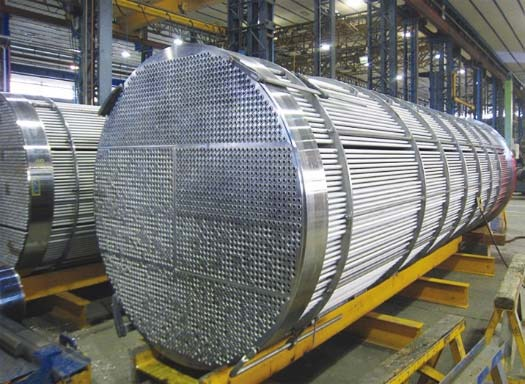
| Shell and Tube | Petrochemical, high-pressure steam | Tube sheet welding, baffle alignment, NDT execution | Higher per unit, heavily dependent on alloy costs |
Need to source standard or custom heat exchangers? Our engineering and sourcing teams can match your specifications with capable, vetted manufacturers.
Discuss your technical requirementsManufacturing Quality and Compliance
The integrity of a heat exchanger is won or lost in the welding and brazing processes. In shell-and-tube designs, the tube-to-tubesheet joints are critical stress points. In plate designs, inconsistent vacuum brazing leads to internal leaks and fluid mixing.
When evaluating suppliers, you must verify their certifications align with your target market's regulatory requirements. In North America, ASME Boiler and Pressure Vessel Code (BPVC) "U" or "UM" stamps are often mandatory. For the European market, compliance with the Pressure Equipment Directive (PED) and CE marking is required. Because many factories claim certifications they do not actively maintain, conducting thorough factory audits is essential to verify their quality management systems and actual engineering capabilities.
Critical Factory Verification Points
- Verify active ASME, PED/CE, or ISO 9001 certifications directly with issuing bodies.
- Inspect raw material intake processes (PMI - Positive Material Identification testing).
- Review in-house Non-Destructive Testing (NDT) capabilities (radiography, ultrasonic, dye penetrant).
- Confirm standard hydrostatic and helium leak testing procedures on the assembly line.
To ensure no defective units leave the factory floor, implement rigorous quality control & inspection protocols. Third-party inspectors should witness hydrostatic pressure tests and review material test reports (MTRs) before shipment.
Pricing Dynamics, MOQs, and Lead Times
Heat exchanger pricing fluctuates heavily based on global commodity indices for stainless steel, copper, and titanium. Buyers should expect pricing to be valid for short windows—often 15 to 30 days—during volatile market periods.
Minimum Order Quantities (MOQs) vary significantly by product type. Standard, off-the-shelf brazed plate units might have MOQs as low as 50 to 100 pieces. However, engaging in OEM/ODM services for custom plate designs requires upfront investment in stamping dies, which can cost tens of thousands of dollars, though the per-unit MOQ may remain flexible during initial production runs. Large shell-and-tube units are often treated as project-based orders with MOQs of 1 to 5 units.
Optimize your procurement strategy. We negotiate pricing, manage production schedules, and ensure strict quality compliance on your behalf.
Talk to our teamFrequently Asked Questions
Securing reliable heat exchangers in bulk is a high-stakes procurement challenge. Success depends on partnering with manufacturers who possess genuine engineering depth, verifiable certifications, and strict internal quality controls. By prioritizing rigorous vetting and continuous oversight, buyers can secure highly efficient thermal solutions while mitigating the substantial risks associated with pressure vessel failures.
Get Sourcing Help for Heat Exchangers
Tell us your requirements and our experts will connect you with verified manufacturers.