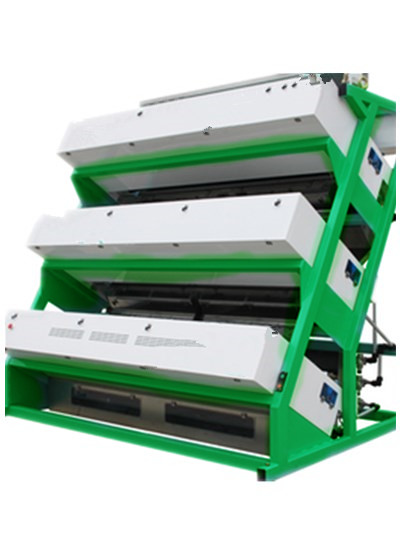
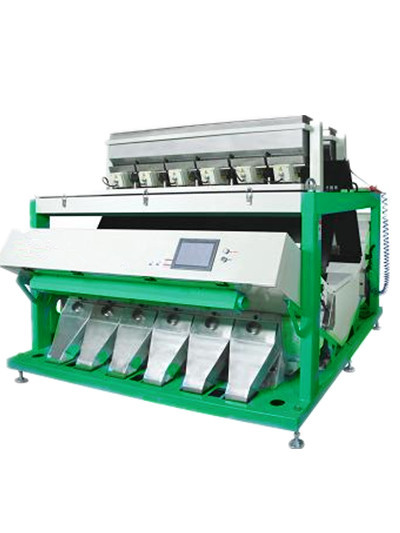
Grain Cleaning & Grading Machines
Source industrial-grade Grain Cleaning & Grading Machines directly from vetted manufacturers and wholesale suppliers. Built for high-volume agricultural equipment importers, distributors, and brands requiring OEM production, our network delivers reliable seed processing machinery at competitive bulk pricing.
Sourcing commercial grain cleaning and grading machines requires balancing high throughput demands with precision separation. Whether you are supplying agricultural cooperatives or outfitting large-scale seed processing facilities, the sourcing challenge is finding manufacturers who deliver consistent vibration stability, durable screen materials, and reliable aspiration systems without cutting corners on internal components.
Key Specifications for Bulk Procurement
When negotiating with suppliers, specifying the exact technical parameters is critical to ensure the equipment meets the operational demands of your target market. Generic terms like "high capacity" leave too much room for interpretation on the factory floor.
You must define the machine's capacity in Tons Per Hour (TPH) based on a specific grain density (usually wheat, as a baseline). Different seeds drastically alter the actual throughput.
| Machine Type | Primary Function | Typical Application |
|---|---|---|
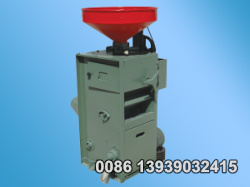
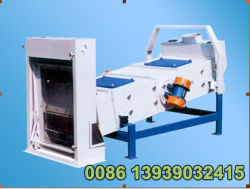
| Air Screen Cleaner | Removes light impurities and grades by size | Primary cleaning for wheat, maize, and beans |
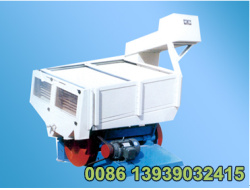
| Gravity Separator | Separates by specific weight/density | Removing blighted or insect-damaged seeds |
| Destoner | Removes heavy impurities (stones, glass, metal) | Pre-milling grain preparation |
Beyond machine type, specify the total screen area (in square meters) and the number of sieve layers. A higher screen area allows for a thinner grain layer during vibration, which significantly improves grading accuracy.
Component Quality & Manufacturing Standards
The visual appearance of agricultural machinery often masks the quality of its internal components. The difference between a machine that lasts a decade and one that vibrates itself to pieces in a year comes down to frame construction and motor quality.
Motor Winding Risks
A common cost-cutting measure in budget machinery is the use of copper-clad aluminum (CCA) motor windings instead of pure copper. These motors are highly susceptible to overheating under continuous agricultural loads. Always specify 100% copper windings and require verifiable documentation.
When evaluating a supplier's manufacturing process, pay attention to how they fabricate the main chassis. High-quality factories use laser cutting and CNC bending for the steel frame to ensure perfect alignment of the eccentric shafts. Misalignment here causes uneven vibration, leading to premature bearing failure and structural metal fatigue.
Need help verifying factory capabilities and component quality before placing a large machinery order?
Talk to our teamCritical Inspection Points
Because these are high-value capital goods, relying on a standard visual check is insufficient. Rigorous Quality Control & Inspection must be conducted at the factory before the machines are crated.
Pre-Shipment Testing Protocol
- Dynamic Balance Testing: Ensure the vibration motors and eccentric shafts are perfectly balanced to prevent excessive chassis resonance.
- Aspiration System Check: Verify the airflow volume and pressure in the cyclone dust collector meet specified parameters.
- Electrical Safety & Compliance: Confirm the control panel wiring meets the destination market's standards (e.g., CE, UL) and includes proper overload protection.
- Sieve Material Verification: Check that sieves are made from the specified gauge of stainless steel or high-grade galvanized steel, not inferior alloys.
Sourcing Realities: Pricing, MOQs, and Lead Times
The market for grain processing equipment in Asia is highly segmented. While there are hundreds of assemblers, there is a much smaller pool of true manufacturers capable of consistent OEM production and heavy-duty fabrication.
Because of the physical size and weight of grain cleaning machines, logistics often represent a significant portion of the landed cost. Proper crating—usually in steel-reinforced plywood cases—is mandatory to prevent transit damage. Coordinating these bulky shipments requires experienced Shipping & Freight management to optimize container space, especially if you are mixing different types of seed processing equipment in a single order.
Furthermore, before committing to a new supplier for capital equipment, conducting comprehensive Factory Audits is essential to verify their production capacity, engineering team, and after-sales support infrastructure.
Ensure your heavy machinery imports are manufactured to spec and shipped securely.
Get a free consultationFrequently Asked Questions
Procuring grain cleaning and grading machines is an exercise in risk management. Success depends entirely on locking down strict technical specifications, verifying component quality at the source, and ensuring the factory has the engineering capability to deliver heavy-duty reliability. Partnering with a sourcing expert on the ground ensures your capital equipment meets the rigorous demands of modern agriculture.
Get Sourcing Help for Grain Cleaning & Grading Machines
Tell us your requirements and our experts will connect you with verified manufacturers.