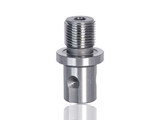
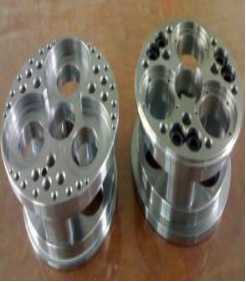
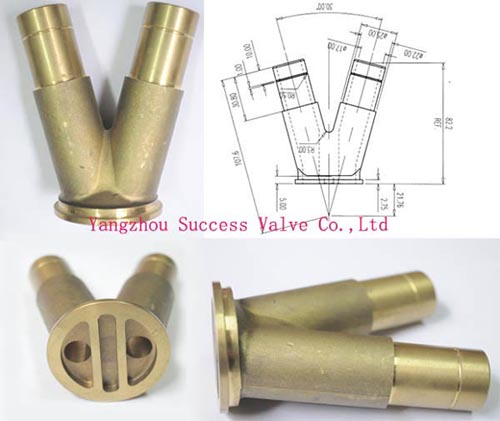
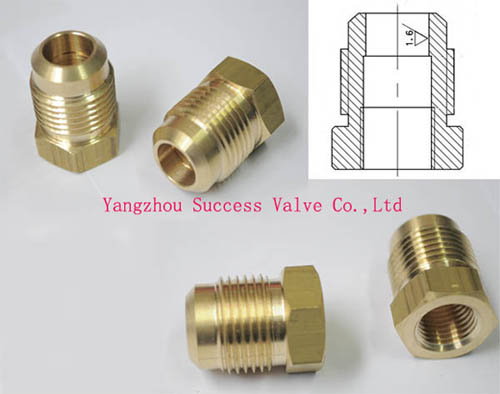
Generic Fitting
Source industrial generic fittings directly from vetted manufacturers and wholesale suppliers in China and Asia. Designed for importers, industrial distributors, and OEM machine builders, our network provides bulk access to precision-machined machine tool accessories, ensuring exacting tolerances, certified materials, and reliable performance across high-volume orders.
Generic fittings are the critical connective tissue in machine tool equipment, handling everything from high-pressure coolant delivery to pneumatic actuation and structural alignment. While these components are often viewed as commodities, the primary sourcing challenge is finding a factory that consistently maintains thread tolerances and uses unadulterated raw materials across high-volume production runs. Material substitution and poor machining can lead to leaks, pressure drops, and catastrophic machine failures.
When procuring generic fittings in bulk, verifying the manufacturer's machining capabilities and quality management systems is just as important as negotiating the unit price.
Critical Specifications for Machine Tool Fittings
The performance of a generic fitting relies heavily on material integrity and dimensional accuracy. Buyers must clearly specify the exact parameters required for their application, leaving no room for supplier interpretation.
| Material Grade | Primary Application | Key Sourcing Risk |
|---|---|---|
| Brass (e.g., CW614N) | Pneumatic systems, low-pressure coolant | Lead content exceeding RoHS limits |
| Stainless Steel 304/316 | Corrosive environments, high-pressure lines | Substitution with 200-series stainless |
| Carbon Steel | Hydraulic systems, structural mounts | Inadequate zinc plating leading to rust |
Thread Standards and Tolerances
A common point of failure in imported fittings is mismatched or poorly cut threads. Ensure your purchase orders explicitly state the required thread standard (e.g., NPT, BSPT, BSPP, or Metric) and the acceptable tolerance class. For critical machine tool applications, threads must be cut using multi-axis CNC machines rather than older, manual lathes to ensure concentricity and pitch accuracy.
Struggling with inconsistent thread tolerances or material quality from your current suppliers? Let us help you identify and transition to capable, vetted precision manufacturers.
Talk to our teamManufacturing Processes and Quality Control
The best fitting manufacturers utilize automated CNC turning centers fed by bar stock, minimizing human error and ensuring high repeatability. However, even with advanced machinery, quality control protocols dictate the final yield.
The Material Substitution Trap
Some lower-tier factories may quote aggressive prices by substituting specified materials with cheaper alloys (e.g., using a lower grade of brass with high lead content). Always require material test reports (MTRs) and consider independent metallurgical testing.
To mitigate risks before shipment, implement a strict inspection protocol. A robust Quality Control & Inspection strategy should include both in-line checks and final pre-shipment verification.
Essential QC Checks for Generic Fittings
- Thread verification using Go/No-Go gauges.
- Visual inspection for burrs, sharp edges, and machining debris.
- Surface treatment thickness testing (e.g., zinc or nickel plating depth).
- Dimensional checks using digital calipers and optical comparators.
- Positive Material Identification (PMI) testing to confirm alloy composition.
If you are establishing a new supplier relationship, conducting comprehensive Factory Audits is highly recommended to verify their actual machining capacity, tool maintenance schedules, and raw material sourcing practices.
Pricing, MOQs, and Production Lead Times
The cost of generic fittings is heavily tied to global commodity prices for copper, zinc, and nickel, combined with the machining time required per piece.
For buyers requiring specialized geometries, proprietary thread combinations, or unique surface treatments, leveraging OEM/ODM Services allows you to produce custom fittings tailored exactly to your machine tool specifications. Keep in mind that custom runs will require initial tooling or setup fees, which are typically amortized over the first few high-volume orders.
Need to consolidate your fitting suppliers or negotiate better terms for custom production runs? Connect with our sourcing experts to optimize your supply chain.
Get a free consultationBuyer FAQ
Sourcing generic fittings for machine tools requires a balance of metallurgical knowledge and strict quality oversight. By partnering with factories that invest in modern CNC equipment and rigorous testing, buyers can secure reliable components that keep industrial machinery running smoothly.
Get Sourcing Help for Generic Fitting
Tell us your requirements and our experts will connect you with verified manufacturers.