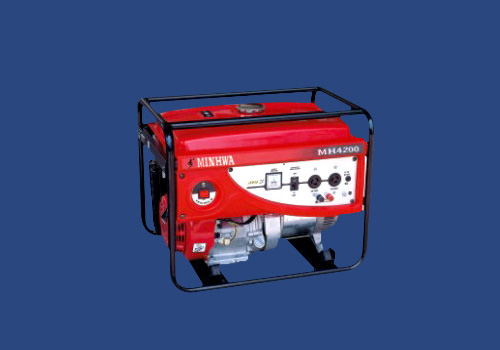
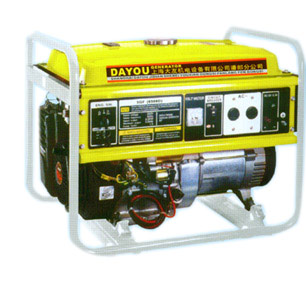
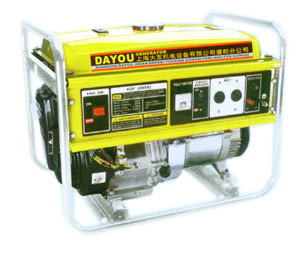
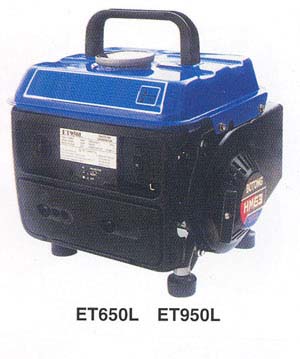
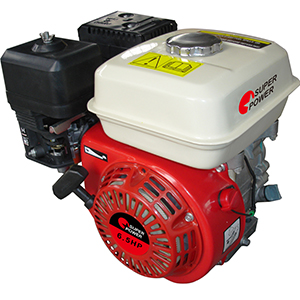
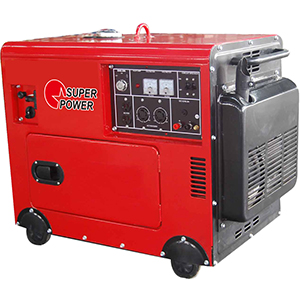
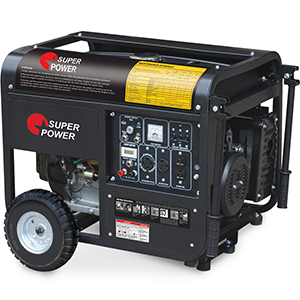
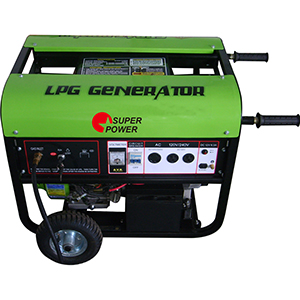
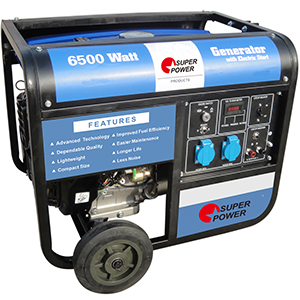
Gasoline Generators
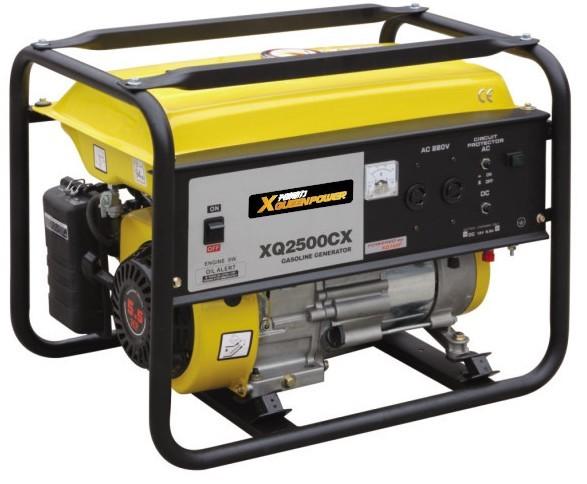
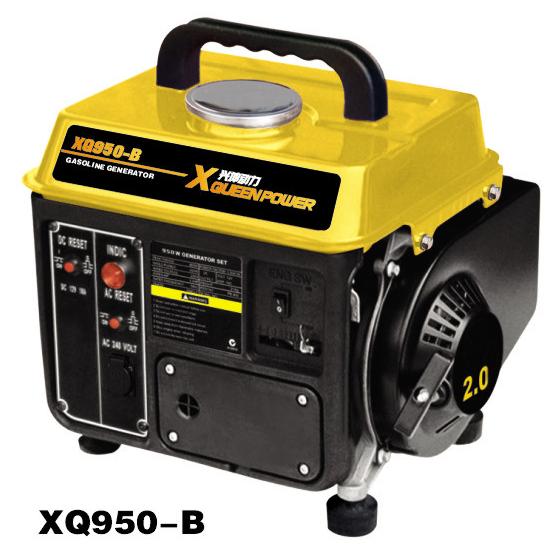
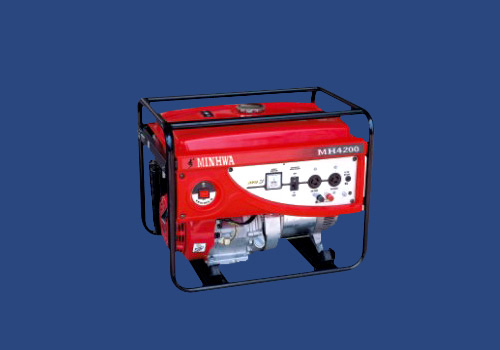
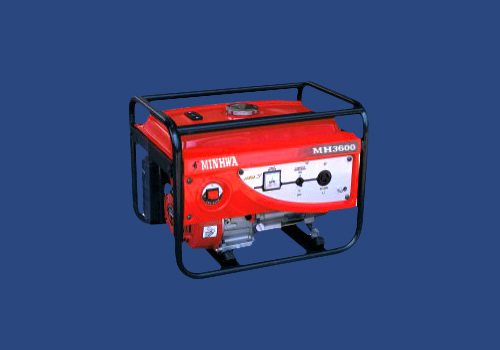
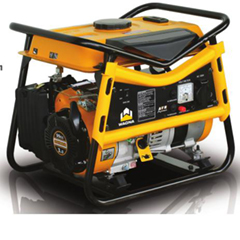
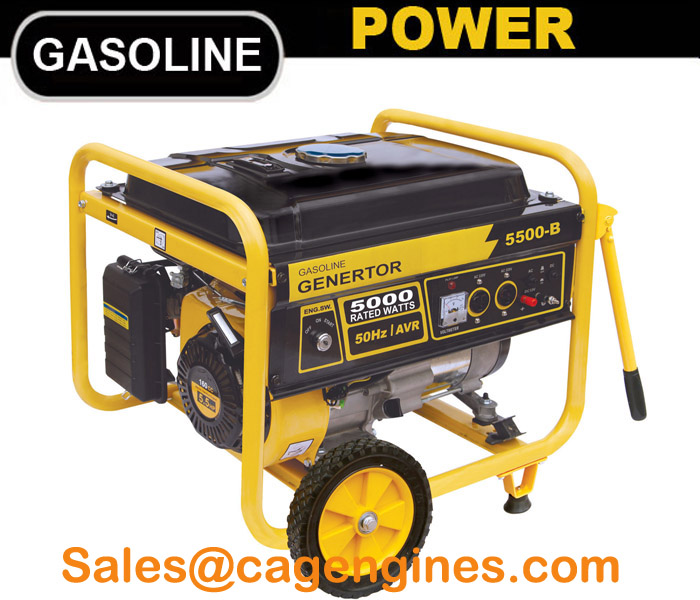
Source reliable wholesale gasoline generators from vetted suppliers and manufacturers across China and Asia. Designed for importers, distributors, and brands seeking scalable OEM and private-label production, our network delivers consistent performance, strict emissions compliance, and competitive bulk pricing for your target market.
Sourcing gasoline generators in volume requires navigating a complex landscape of engine durability, electrical output stability, and strict regional emissions regulations. Whether you are supplying commercial contractors, residential backup markets, or recreational users, the core challenge remains the same: balancing unit cost with the reliability of internal components. A generator that fails under load or fails customs due to missing emissions certificates is a liability.
Critical Specifications & Component Quality
The difference between a commercial-grade generator and a budget consumer model often lies hidden inside the alternator and engine block. When negotiating with manufacturers, you must dictate these specifications rather than accepting off-the-shelf defaults.
Alternator Winding: Copper vs. Aluminum
The most significant cost-saving measure factories employ is using Copper-Clad Aluminum (CCA) instead of 100% copper wire in the alternator. While CCA reduces weight and cost, it severely impacts thermal capacity and longevity under heavy loads.
| Specification | 100% Copper Winding | CCA (Aluminum) Winding |
|---|---|---|
| Conductivity & Efficiency | High efficiency, lower heat generation | Lower efficiency, higher operating temperatures |
| Durability Under Load | Excellent; handles surge loads without melting | Prone to overheating and failure during prolonged surges |
| Weight & Cost | Heavier and more expensive | Lighter and significantly cheaper |
Total Harmonic Distortion (THD)
For standard power tools, a THD of 15% to 20% is often acceptable. However, if your market demands generators for sensitive electronics, you must specify an inverter generator or a premium conventional alternator that keeps THD under 5%. Factories must tune the Automatic Voltage Regulator (AVR) and alternator design to achieve this, which increases the unit cost.
Need help verifying factory capabilities and technical specifications? We can guide your sourcing process.
Talk to our teamNavigating Emissions & Regulatory Compliance
Gasoline generators are heavily regulated. Importing non-compliant units can result in seized shipments and heavy fines. Top-tier Chinese manufacturers hold valid certificates, but the responsibility to verify them falls on the buyer.
- North America: The engine must meet Environmental Protection Agency (EPA) standards. For California, it must also pass the California Air Resources Board (CARB) regulations, which dictate stricter evaporative emissions standards.
- Europe: Engines must comply with Euro V emissions standards.
- Electrical Safety: CE, RoHS, and UL/ETL certifications are required depending on the destination market.
Do not accept a factory's word that a model is "EPA ready." You must verify the specific engine family number against the regulatory database. Engaging professional compliance and testing services ensures the specific units you order match the certified prototypes.
Manufacturing & Quality Control Deficiencies
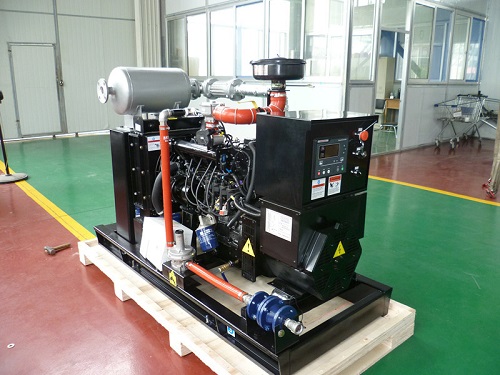
The assembly of a gasoline generator involves marrying a combustion engine with an electrical alternator. Quality is won or lost in the testing phase. Many mid-tier factories skip full-load run-in testing to speed up production lines.
To prevent high defect rates upon arrival, robust quality control must be implemented on the factory floor.
Pre-Shipment Inspection Focus Areas
- Load Bank Testing: Verify the unit can sustain its rated running wattage for at least 30 minutes without voltage drops.
- Surge Capacity: Test the starting wattage capability against the stated specification.
- Leak Detection: Inspect fuel lines, carburetor gaskets, and oil seals for micro-leaks after the run-in test.
- Vibration & Noise: Measure decibel output and check frame mounts for excessive vibration that could cause weld fatigue.
Before committing to a large order, conducting comprehensive factory audits is highly recommended to verify the manufacturer's testing equipment, assembly line organization, and engine sourcing partnerships.
Buying Mechanics: MOQ, Pricing, and Lead Times
Because generators are heavy, bulky items, purchasing mechanics are typically dictated by container utilization.
Pricing is highly volatile and tied directly to global copper and steel indexes, as well as the specific engine brand requested (e.g., generic Chinese engines vs. branded OEM engines). If you are developing a custom product line, leveraging established OEM/ODM services can help you negotiate better component pricing through the factory's existing supply chain leverage.
Ready to optimize your generator supply chain? Let's discuss your volume and margin targets.
Get a free consultationFrequently Asked Questions
Sourcing gasoline generators requires a strict adherence to technical specifications and a zero-tolerance policy for substandard components. By dictating your exact requirements for winding materials, emissions compliance, and load testing, you protect your brand from costly field failures and regulatory issues. If you need boots on the ground to enforce these standards, our team is ready to assist.
Get Sourcing Help for Gasoline Generators
Tell us your requirements and our experts will connect you with verified manufacturers.