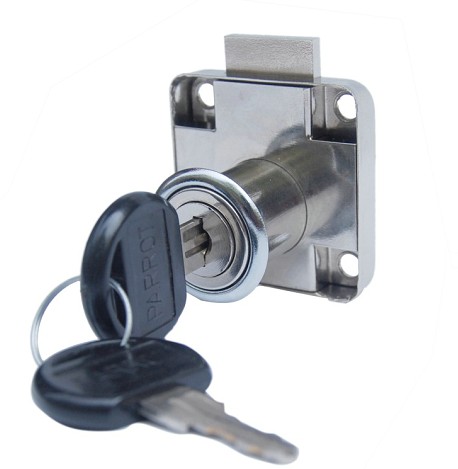
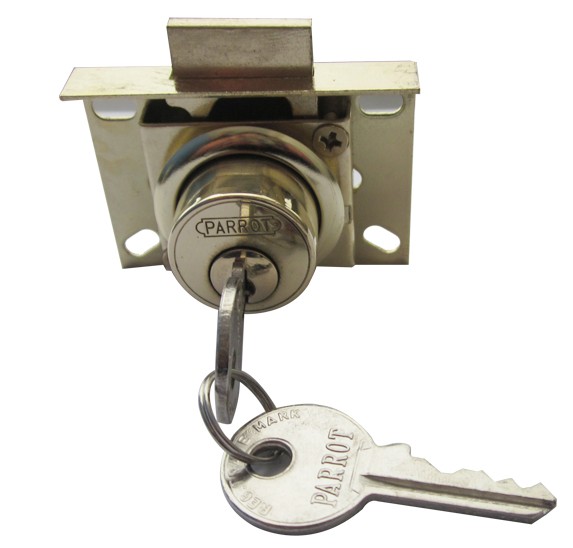
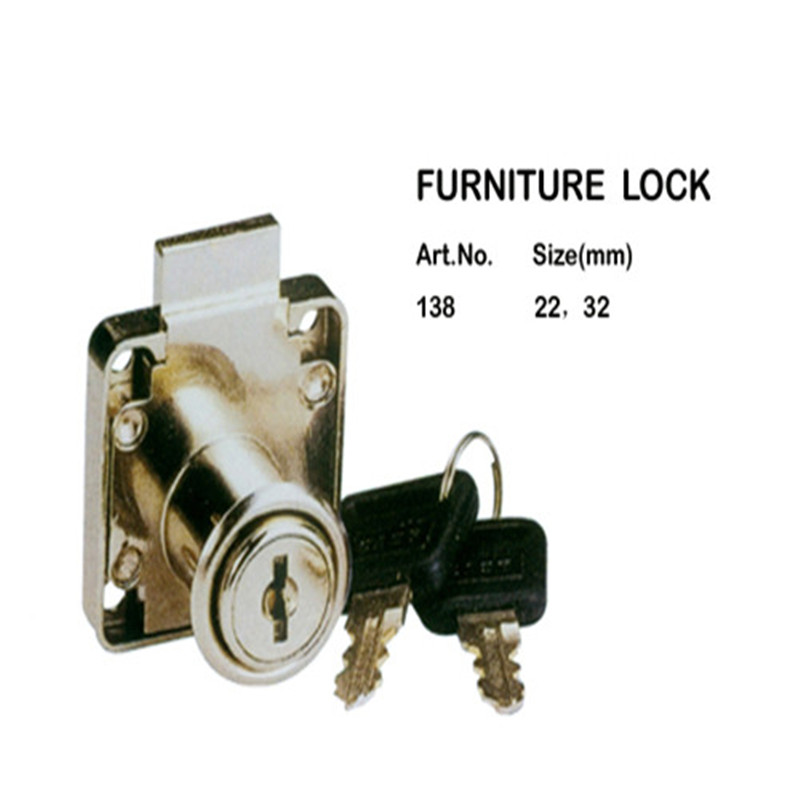
Furniture Locks
Source bulk furniture locks directly from vetted manufacturers and suppliers. Designed for importers, wholesale distributors, and furniture brands, our network supports high-volume orders, custom master key systems, and OEM/ODM hardware production. Secure reliable pricing and consistent quality for your supply chain today.
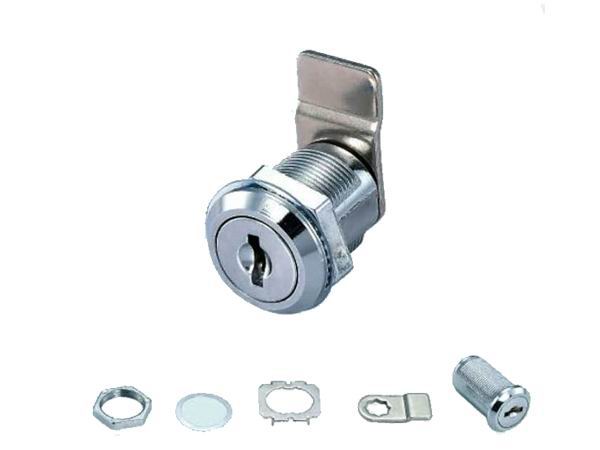
Sourcing furniture locks at scale requires balancing unit cost with mechanical reliability. Whether you are integrating cam locks into office steel cabinets, outfitting wooden desk drawers, or developing custom electronic RFID locks for modern casework, the core challenge remains consistent: securing hardware that withstands thousands of cycles without mechanism failure or finish degradation.
Key Specifications for High-Volume Orders
Specifying furniture locks goes beyond basic dimensions. The internal mechanism and material choices dictate both security level and lifespan.
| Material | Durability | Cost | Best Application |
|---|---|---|---|
| Zinc Alloy (Die-cast) | Moderate to High | Economical | Office desks, standard cabinets |
| Solid Brass | Very High | Premium | High-end furniture, marine environments |
| Cold Rolled Steel | High (Housing only) | Low | Industrial storage, lockers |
You must also define your keying requirements. Large commercial furniture deployments often require complex master key systems. Specify whether batches need to be Keyed Alike (KA), Keyed Different (KD), or Master Keyed (MK). If you require proprietary keyways or branded key bows, engaging OEM/ODM Services early ensures the factory can retool the cylinder molds accordingly without delaying your production schedule.
Need help designing a custom master key system or finding a reliable die-casting factory?
Talk to our hardware teamManufacturing Quality and Common Defects
Furniture lock production relies heavily on precision die-casting and surface finishing. Substandard temperature control during zinc alloy casting leads to porosity—microscopic air bubbles that weaken the cam or cylinder, causing the lock to snap under torque.
Surface treatment is another frequent failure point. Electroplating (such as chrome, nickel, or brass finishes) must meet specific thickness standards to prevent oxidation, especially for furniture destined for humid climates or coastal shipping routes.
Critical Inspection Points for Furniture Locks
- Cylinder tolerance: Ensure smooth key insertion and rotation with zero binding.
- Finish adhesion: Conduct cross-cut tape tests to verify plating stability.
- Torque resistance: Test the cam and tailpiece under maximum rotational force.
- Cycle testing: Verify the mechanism can withstand 10,000 to 50,000 cycles without failure.
To catch these issues before container loading, rigorous Quality Control & Inspection is mandatory. Testing should be conducted in-line during assembly and post-plating, rather than waiting until the final packaging stage.
Sourcing Regions and Factory Capabilities
The vast majority of global furniture lock production is concentrated in China, specifically within Guangdong province (Zhongshan, Foshan) and Zhejiang province (Wenzhou).
- Guangdong: Tends to focus on higher-end zinc alloy die-casting, complex master key systems, and emerging smart/RFID cabinet locks.
- Zhejiang: Often dominates the high-volume, cost-competitive market for standard cam locks and simple drawer locks.
Many trading companies present themselves as lock manufacturers. True manufacturers own their die-casting machines and assembly lines, whereas trading companies merely buy components and assemble. Conducting Factory Audits is the only reliable way to verify a supplier's true production capacity, tooling maintenance, and quality management systems (like ISO 9001).
Typical Pricing, MOQs, and Lead Times
Volume pricing for mechanical furniture locks is highly dependent on raw material costs (specifically zinc and brass market rates) and the complexity of the pin or wafer tumbler mechanism.
Struggling with inconsistent pricing or quality from your current hardware supplier?
Get a free consultationSourcing furniture locks at scale is an exercise in mechanical risk management. A lock that fails in the field damages the reputation of the entire furniture piece it sits in. By partnering with vetted die-casting facilities and enforcing strict tolerance checks, you can secure reliable hardware that performs flawlessly for years.
Get Sourcing Help for Furniture Locks
Tell us your requirements and our experts will connect you with verified manufacturers.