Fuel Tankers
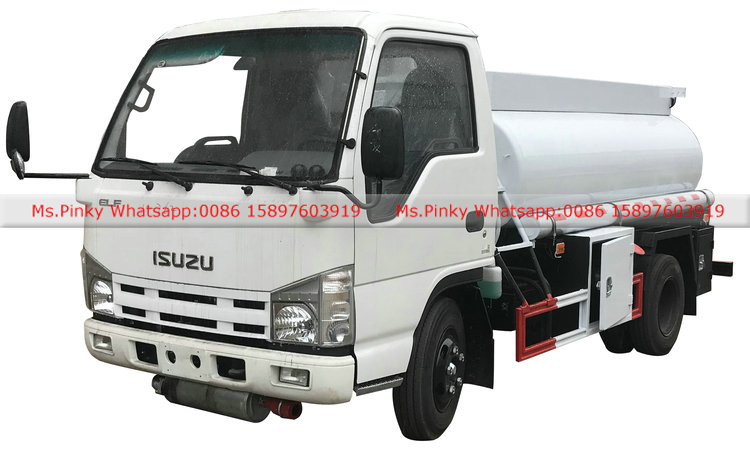
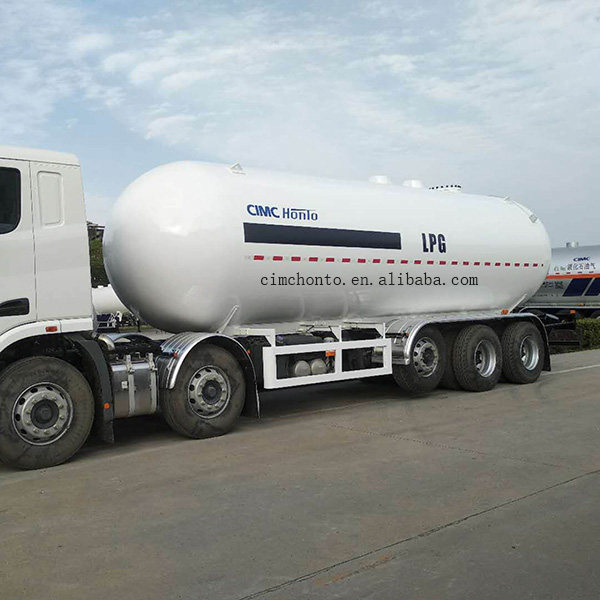
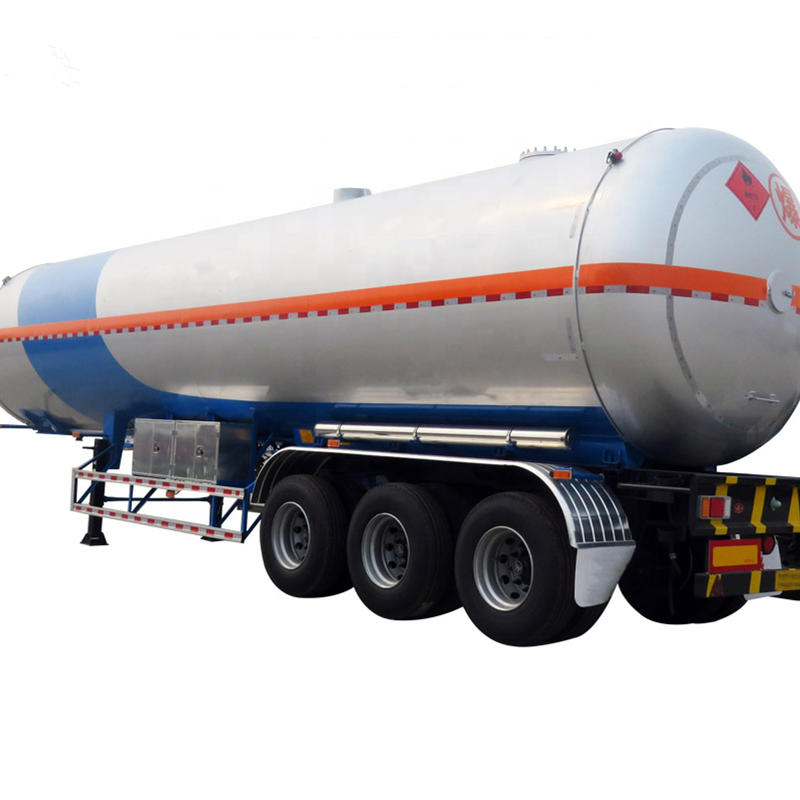
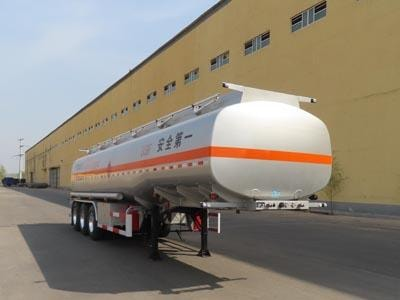
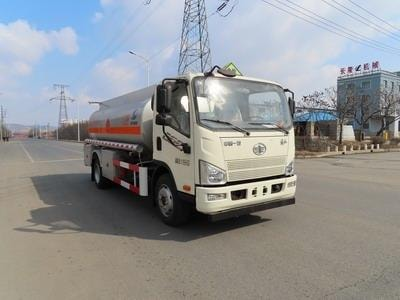
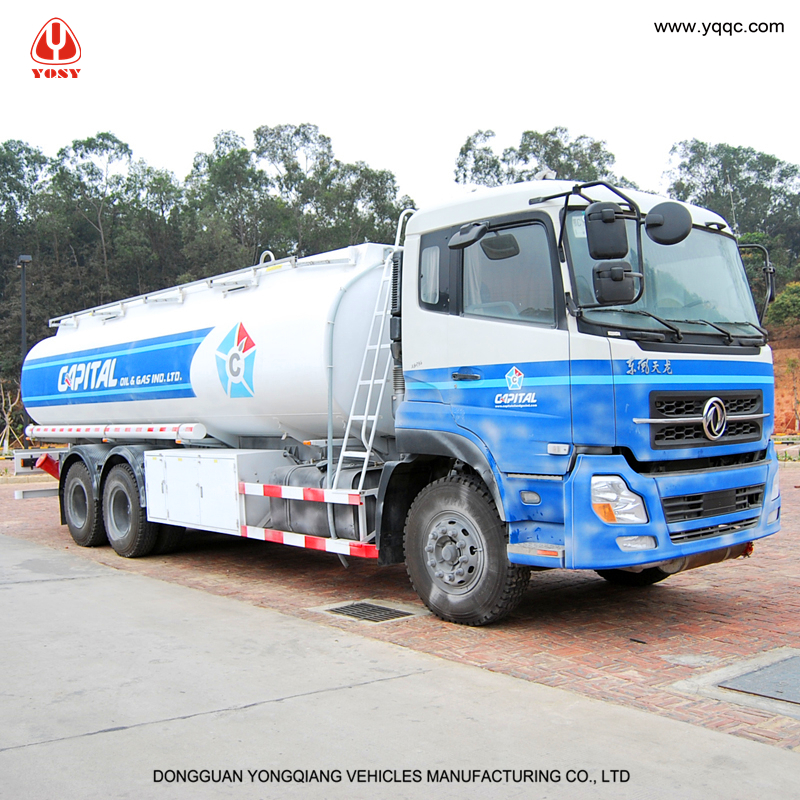
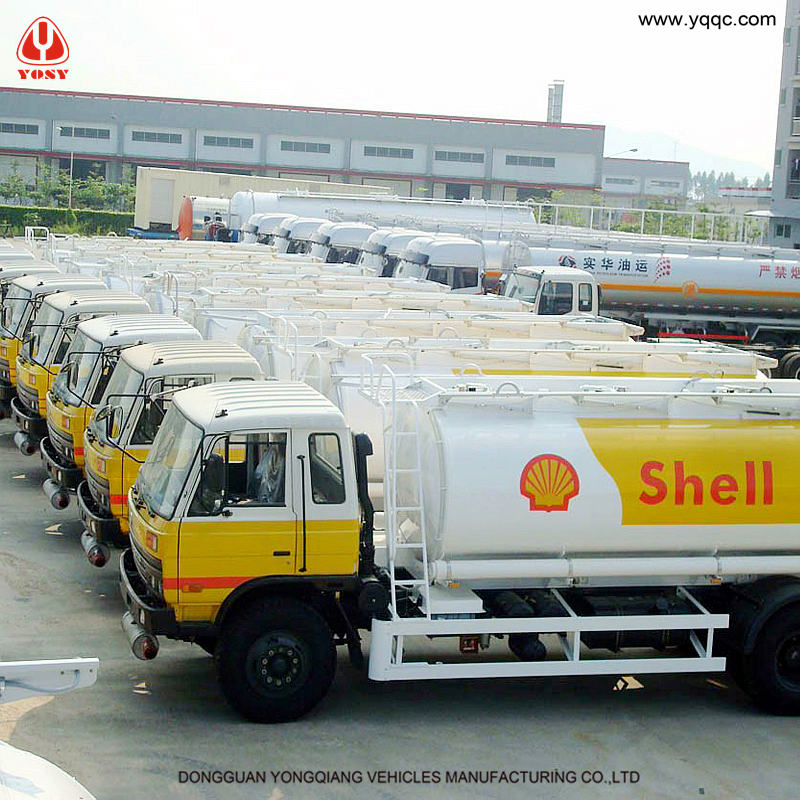
Source commercial-grade fuel tankers from vetted manufacturers and suppliers in Asia. Designed for logistics companies, regional distributors, and fleet procurement managers buying in volume, our network offers high-capacity liquid transport vehicles with custom configurations and strict regulatory compliance.
Sourcing fuel tankers in bulk requires balancing payload optimization with uncompromising hazardous materials (hazmat) safety standards. Whether you are expanding a regional logistics fleet or importing specialized dispensing trucks for distribution, procuring these vehicles directly from Asian manufacturers demands rigorous oversight of chassis integration, tank metallurgy, and pressure vessel compliance.
Tank Metallurgy and Core Specifications
The foundation of any fuel tanker is the tank body itself. Manufacturers typically offer three primary materials, each dictating the vehicle's tare weight, payload capacity, and lifecycle costs.
| Material | Weight & Payload | Corrosion Resistance | Typical Application |
|---|---|---|---|
| Carbon Steel (Q235/Q345) | Heavy / Standard payload | Requires epoxy coating | General diesel/petrol transport |
| Aluminum Alloy (5083/5454) | Light / Maximized payload | Excellent native resistance | Aviation fuel, high-frequency logistics |
| Stainless Steel (304/316L) | Medium to Heavy | Superior resistance | Corrosive chemicals, food-grade liquids |
Beyond material selection, buyers must specify the internal baffling system. Anti-surge baffles are critical for vehicle stability during transit. Ensure your supplier uses dished or corrugated baffles, adequately spaced (typically every 1.5 to 2 meters), with proper crawl holes for maintenance access.
Navigating complex vehicle specs and manufacturer capabilities? Let our sourcing experts streamline your procurement process.
Talk to our teamManufacturing Tolerances and Quality Control
Fuel tankers are rolling pressure vessels. A failure in manufacturing can result in catastrophic environmental and safety incidents. Quality is won or lost in the welding and testing phases on the factory floor.
When evaluating a manufacturer, you must verify their welding automation. Submerged Arc Welding (SAW) should be standard for longitudinal and circumferential tank seams, ensuring deep penetration and uniformity. Relying on manual welding for main seams is a major red flag for high-capacity tankers.
Because verifying these capabilities remotely is nearly impossible, conducting thorough Factory Audits is a vital step before placing a fleet order. Auditors should physically verify the factory's X-ray testing equipment and pressure testing bays.
Critical Factory-Level Inspections
- Radiographic (X-ray) testing of all main structural welds.
- Hydrostatic pressure testing (typically tested at 36 psi or higher) to verify seal integrity.
- API bottom-loading valve calibration and vapor recovery system pressure tests.
- Chassis-to-tank mounting bracket torque verification.
Pricing Drivers, MOQs, and Lead Times
Procuring heavy commercial vehicles requires careful capital planning. While purchasing directly from Chinese manufacturers (such as those integrating with Sinotruk, Shacman, or FAW chassis) offers significant cost advantages, buyers must understand the variables driving the final unit price.
Key Cost Variables
- Chassis Selection: The truck chassis accounts for a massive portion of the cost. Domestic Chinese brands offer the best ROI, but manufacturers can also mount tanks on imported European or Japanese chassis if required for your local service network.
- Dispensing and Loading Systems: Upgrading from standard top-loading to API-compliant bottom-loading systems with vapor recovery and advanced flow meters (like LC or FMC) will increase costs but improve turnaround times and safety.
- Customization: If you are developing specialized fleet vehicles, utilizing OEM/ODM Services allows for custom compartment sizing, bespoke pump cabinets, and factory-applied fleet branding.
Need accurate pricing and lead times for your specific fleet requirements? We can help you negotiate with top-tier manufacturers.
Get a free consultationLogistics and Export Considerations
Shipping fully assembled fuel tankers is logistically complex. They cannot be containerized via standard TEU/FEU methods. Buyers must rely on Roll-on/Roll-off (RoRo) vessels, Flat Rack containers, or bulk cargo ships. Coordinating this requires specialized Shipping & Freight expertise to manage port handling, marine insurance, and export customs clearance for heavy machinery.
Frequently Asked Questions
Strategic Sourcing for Heavy Transport
Successfully importing fuel tankers hinges on rigorous supplier selection, precise technical contracts, and uncompromising quality control before the vehicle ever reaches the port. By focusing on automated manufacturing processes and strict testing protocols, buyers can secure highly reliable fleet assets at highly competitive price points.
Get Sourcing Help for Fuel Tankers
Tell us your requirements and our experts will connect you with verified manufacturers.