Forestry Machinery
Source commercial-grade Forestry Machinery from vetted suppliers and manufacturers across Asia. Designed for importers, wholesalers, distributors, and equipment brands looking for reliable bulk purchasing or custom OEM production. Ensure rugged durability, certified safety compliance, and competitive pricing for your heavy-duty logging and land-clearing equipment needs.
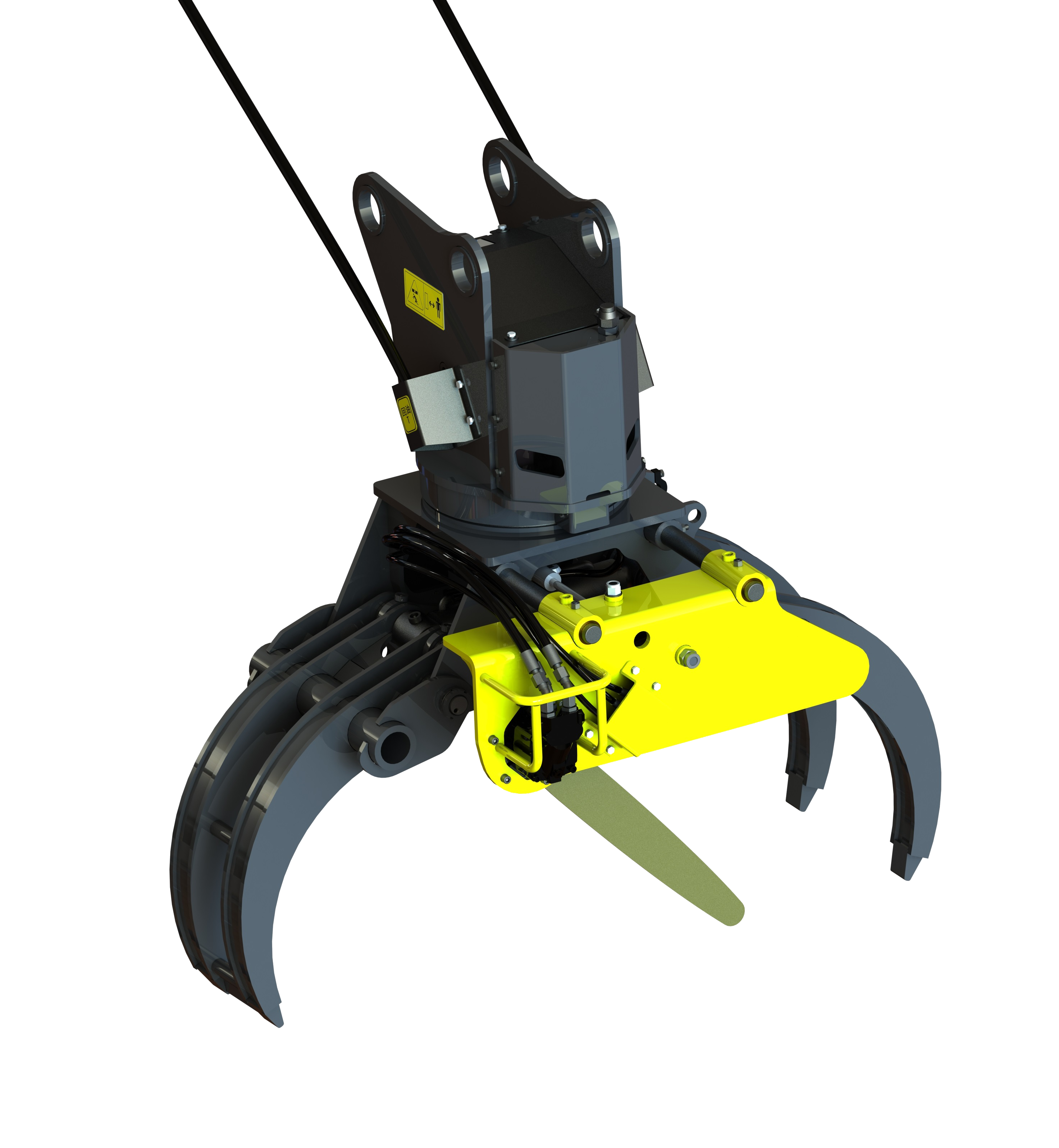
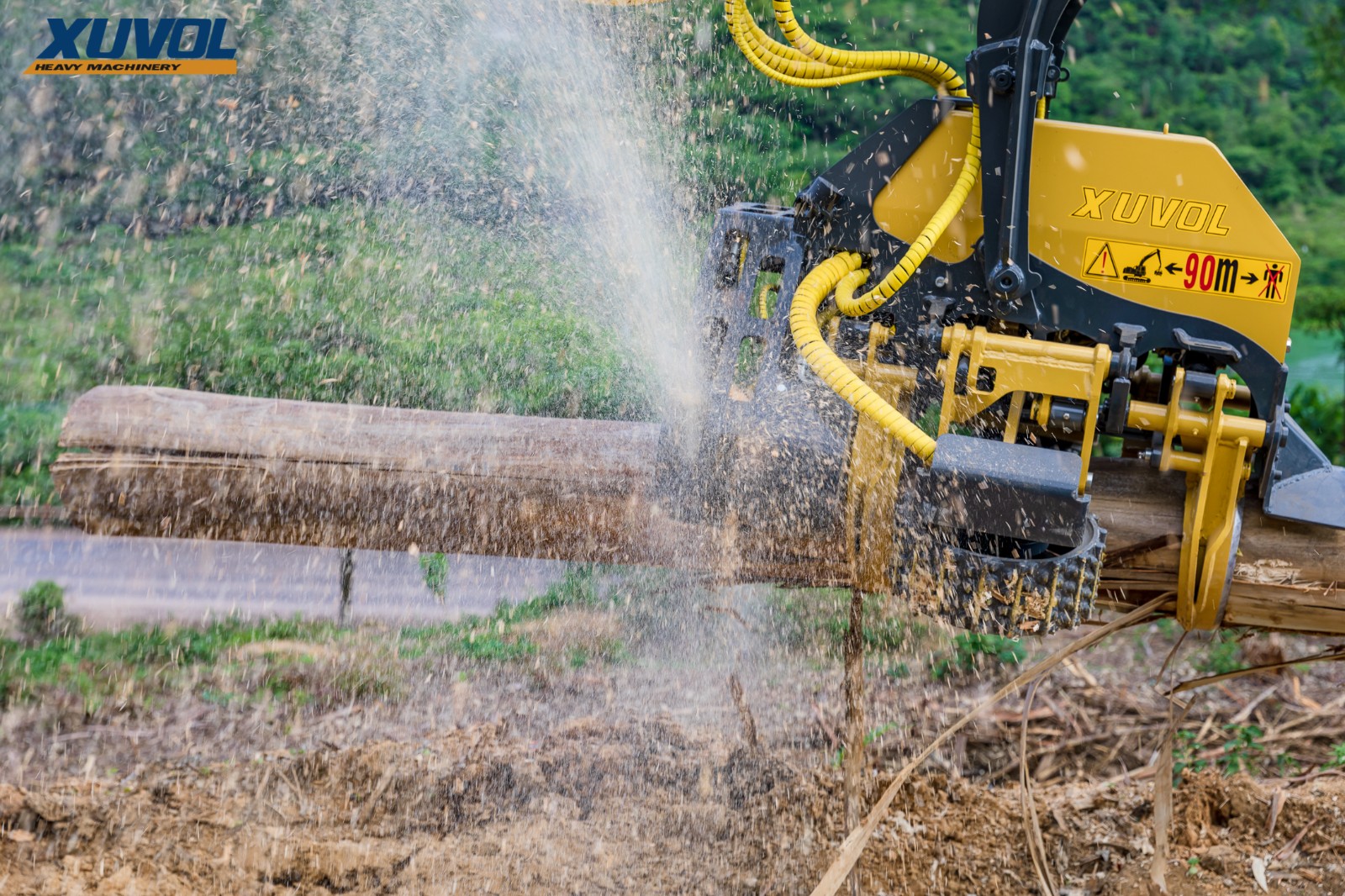
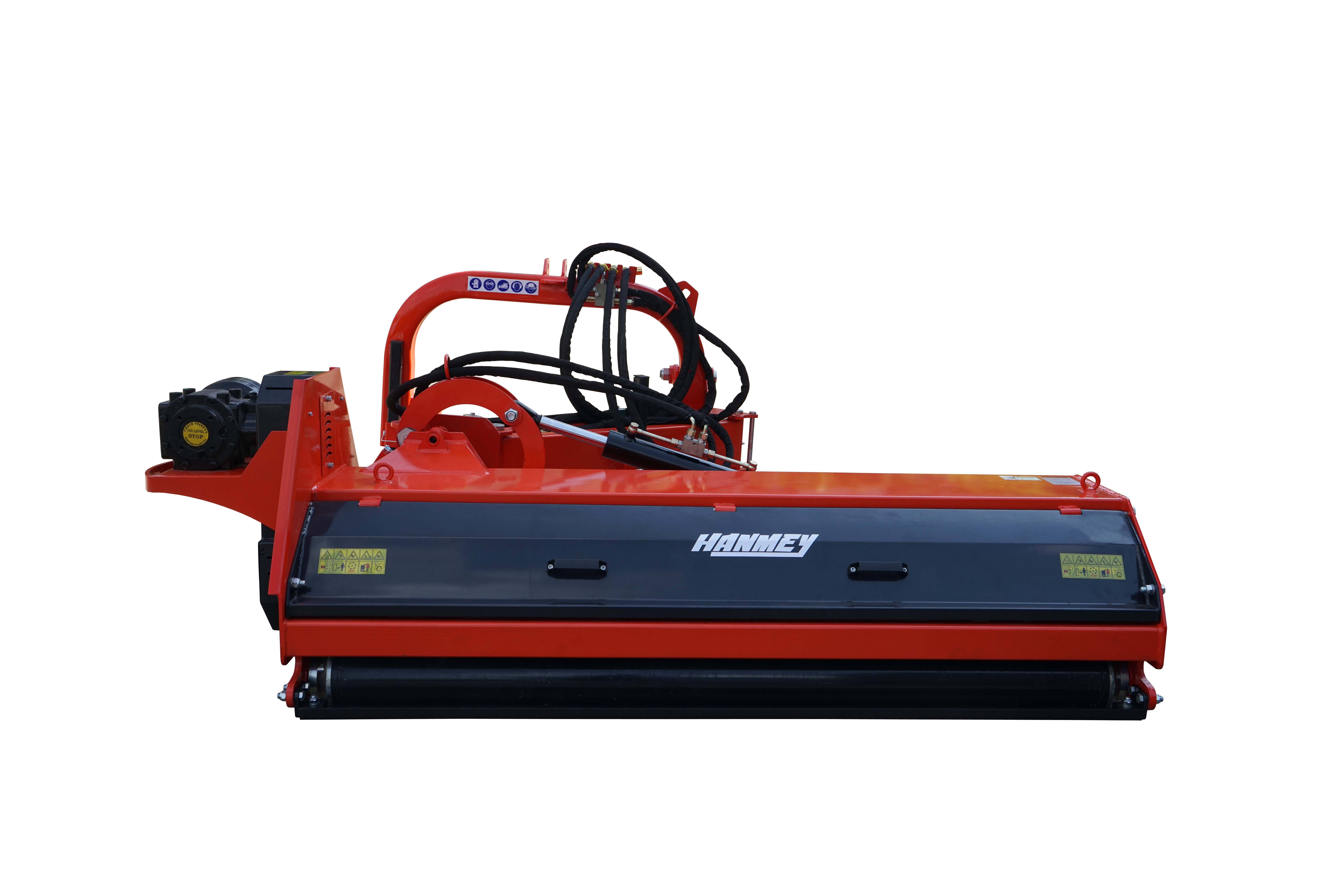
Sourcing forestry machinery—from log splitters and wood chippers to heavy-duty grapples and skidding winches—requires balancing aggressive price targets with uncompromising structural integrity. In commercial logging and land clearing, equipment failure is not just an operational delay; it is a severe safety hazard. For bulk buyers and equipment brands, the primary sourcing challenge is verifying that a factory's manufacturing capabilities match the harsh realities of the end-user's environment.
Critical Specifications: Steel and Hydraulics
The lifespan of forestry equipment is dictated by two primary factors: the grade of steel used in high-wear areas and the reliability of the hydraulic system under continuous peak loads. Many overseas manufacturers will default to standard carbon steel to reduce costs unless explicitly instructed otherwise.
When negotiating specifications, you must define the exact material requirements for load-bearing and abrasive contact points. Replacing standard Q345 steel with wear-resistant grades like NM400 (a common Hardox alternative) on grapple tines or chipper blades drastically improves field longevity. Similarly, hydraulic components are a common point of failure. Specifying imported or top-tier domestic valves and pumps prevents the catastrophic pressure losses common in budget machinery.
| Build Tier | Structural Steel | Hydraulic Components | Best Application |
|---|---|---|---|
| Standard / Light Duty | Q235 / Q345 | Standard domestic (unbranded) | Consumer / Light agricultural use |
| Commercial / Heavy Duty | NM400 / Wear-resistant alloys | Tier-1 domestic or imported (Danfoss/Rexroth) | Professional logging / High-cycle operations |
To ensure the factory actually uses the specified materials rather than cheaper substitutes, conducting rigorous factory audits before production and implementing stringent material verification is essential.
Need help verifying factory capabilities and material grades? Talk to our team about securing reliable heavy equipment manufacturers.
Discuss your machinery specsManufacturing Quality and Common Defects
Forestry machinery undergoes immense torsional stress and impact loading. A factory's welding standards are the difference between a machine that lasts a decade and one that fractures in its first season. Look for manufacturers utilizing robotic welding for consistent penetration on critical joints, backed by ultrasonic testing (UT) or magnetic particle inspection (MPI) on load-bearing seams.
Surface treatment is another frequent failure point. Forest environments are highly corrosive. Equipment should undergo shot blasting followed by a high-quality, UV-resistant powder coating or multi-layer polyurethane paint system to prevent premature rusting.
Key Focus Areas for In-Line and Pre-Shipment Inspection
- Hydraulic pressure retention testing (minimum 24-hour load hold without pressure drop)
- Non-destructive testing (NDT) on critical load-bearing welds and pivot points
- Powder coating thickness and cross-hatch adhesion testing
- Verification of safety guards, emergency stops, and operational decals
- Confirmation of CE, EPA, or local market compliance plating and documentation
Catching these issues requires professional quality control & inspection at the factory level, before the equipment is containerized. Re-welding or replacing hydraulic seals after the product has reached your domestic warehouse destroys your profit margins.
Customization and OEM/ODM Production
Many distributors and brands build their reputation by offering machinery tailored to specific regional forestry practices or tractor hitch standards (e.g., Category 1 vs. Category 2 3-point hitches, or Euro vs. Skid Steer quick attach). Asian manufacturers are highly capable of modifying existing designs or building entirely new attachments through OEM/ODM services.
When developing custom machinery, clearly document the expected hydraulic flow rates (GPM/LPM) and operating pressures of the host machines your equipment will pair with. Mismatched hydraulic requirements will result in sluggish performance or blown seals.
Pricing, MOQs, and Lead Times
Because forestry machinery is capital-intensive and physically large, purchasing dynamics differ significantly from lighter industrial goods.
Logistics play a massive role in your landed cost. Heavy, awkwardly shaped machinery often requires flat rack containers or meticulous packing in standard 40HQ containers to avoid transit damage and optimize space. Partnering with a team experienced in heavy machinery shipping and freight ensures your equipment arrives safely without incurring unnecessary shipping volume charges.
Ready to optimize your landed costs and secure reliable production? Talk to our team.
Get a sourcing assessmentFrequently Asked Questions
Securing reliable forestry machinery requires more than just finding a factory with a good catalog; it demands rigorous specification management, active quality control on the factory floor, and strategic logistics planning. By tightly controlling the sourcing process, you can deliver commercial-grade equipment that builds your brand's reputation in the field.
Get Sourcing Help for Forestry Machinery
Tell us your requirements and our experts will connect you with verified manufacturers.