Flow Sensors
Source industrial-grade flow sensors directly from vetted manufacturers and wholesale suppliers. Built for importers, distributors, procurement managers, and brands requiring reliable OEM and private-label production, our network delivers precision flow measurement solutions for liquid and gas applications at volume.
Procuring flow sensors in bulk requires balancing unit cost against long-term reliability. Whether you are integrating these components into industrial automation equipment, HVAC systems, or consumer appliances, a sensor failure in the field often costs exponentially more than the component itself. The core sourcing challenge lies in verifying a manufacturer's true calibration capabilities, their consistency in sourcing raw sensing elements (like Hall effect chips or ultrasonic transducers), and their adherence to strict material tolerances.
Critical Specifications for Bulk Procurement
When negotiating with suppliers, vague specifications lead to inconsistent production batches. You must define exact parameters for both the operating environment and the required electronic output.
Key parameters to define on your purchase order:
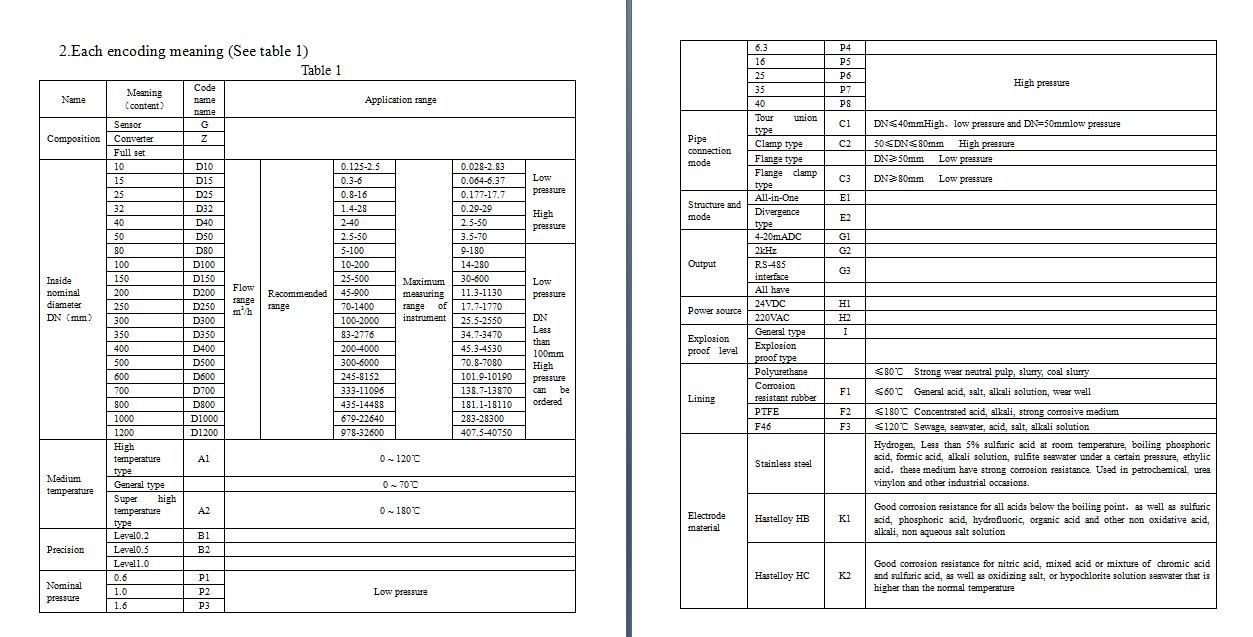
- Flow Range and Accuracy: Specify the minimum and maximum detectable flow rates, along with the acceptable error margin (e.g., plus or minus 2 percent of full scale).
- Wetted Materials: The materials touching the fluid dictate chemical compatibility and lifespan. Specify exact grades (e.g., 316L Stainless Steel, PTFE, PVDF, or food-grade POM) rather than generic terms like "plastic" or "stainless."
- Pressure and Temperature Ratings: Ensure the housing and seals (O-rings) are rated for your maximum operational extremes, not just nominal conditions.
- Output Signal: Match the sensor's electrical output to your control system.
| Signal Type | Typical Application | Sourcing Consideration |
|---|---|---|
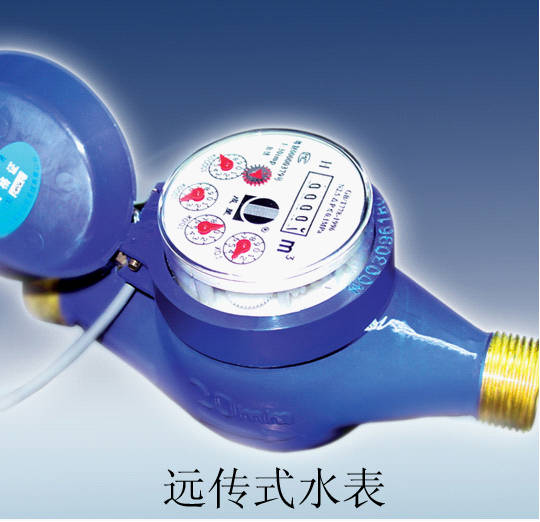
| Pulse / Frequency | Water meters, basic dispensing | Highly cost-effective, requires minimal signal conditioning. |
| Analog (4-20mA / 0-5V) | Industrial process control | Requires stable internal voltage regulation; susceptible to line noise if poorly shielded. |
| Digital (I2C / RS485) | Smart appliances, IoT devices | Higher unit cost; firmware integration and protocol testing are mandatory. |
Struggling to find a manufacturer that meets your exact technical specifications and material requirements? Let our engineers help you identify and vet the right factory.
Talk to our teamFactory Floor Realities: Where Quality is Won or Lost
Not all factories assembling flow sensors have the capability to manufacture them reliably. Many lower-tier suppliers purchase pre-assembled turbine or thermal mass modules and simply snap them into plastic housings. While this keeps costs low, it introduces severe risks regarding calibration consistency and leak prevention.
Before committing to a high-volume order, it is crucial to conduct thorough Factory Audits to verify the supplier's testing infrastructure. A reliable factory must have automated, multi-point flow calibration rigs. If they are manually testing sensors using a bucket and a stopwatch, their accuracy claims are effectively meaningless.
Critical Quality Control Checkpoints
- Verify the presence of automated fluid calibration test benches on the production line.
- Inspect the potting process for electronic PCBs to ensure true IP65 to IP68 water resistance.
- Confirm traceablity of raw sensing elements (e.g., sourcing original chips vs. domestic clones).
- Require burst-pressure testing data for the physical housings, especially for high-pressure industrial models.
- Check O-ring installation procedures to prevent pinching and micro-leaks.
Implementing rigorous Quality Control & Inspection prior to shipment is the only way to ensure that the batch matches the approved golden sample, particularly regarding signal stability across varying temperatures.
OEM/ODM and Customization Considerations
Off-the-shelf flow sensors rarely fit perfectly into proprietary equipment designs. Buyers frequently require custom thread sizes (NPT vs BSP), specific cable lengths, proprietary connectors, or modified flow-restriction profiles.
Engaging a factory for OEM/ODM Services requires clear documentation. If you are developing a custom housing, you will need to pay for new injection molds or CNC tooling. Ensure your manufacturing agreement clearly states that you own the IP and the molds once they are paid for. Furthermore, custom designs require extensive flow-dynamics testing, as changing the internal geometry of a pipe directly impacts the sensor's calibration curve.
Pricing Drivers, MOQs, and Production Lead Times
Flow sensor pricing is highly variable, driven primarily by the sensing principle (e.g., simple mechanical paddle-wheel vs. solid-state ultrasonic), housing material, and the precision of the internal electronics.
- Typical MOQs: Standard plastic water flow sensors often require MOQs of 1,000 to 3,000 units. High-end industrial stainless steel or ultrasonic sensors may have lower MOQs of 100 to 500 units. Custom OEM designs typically demand MOQs upwards of 5,000 units to justify tooling and setup costs.
- Pricing Variables: Upgrading from brass to 316L stainless steel can double the unit cost. Similarly, adding digital communication protocols (like Modbus/RS485) requires a more sophisticated onboard MCU, increasing the price by 20 to 40 percent compared to a simple pulse output.
- Lead Times: Standard models usually take 25 to 35 days to produce. Custom OEM runs, factoring in mold creation and calibration programming, can push lead times to 45 to 60 days.
Need accurate pricing, tooling estimates, and lead times for a custom flow sensor production run? We can help you negotiate directly with capable manufacturers.
Get a free consultationFrequently Asked Questions
Sourcing flow sensors effectively means looking past the unit price and evaluating the manufacturer's testing infrastructure. A supplier with rigorous, automated calibration and strict material controls will ultimately deliver a lower total cost of ownership by eliminating field failures and assembly-line bottlenecks.
Get Sourcing Help for Flow Sensors
Tell us your requirements and our experts will connect you with verified manufacturers.