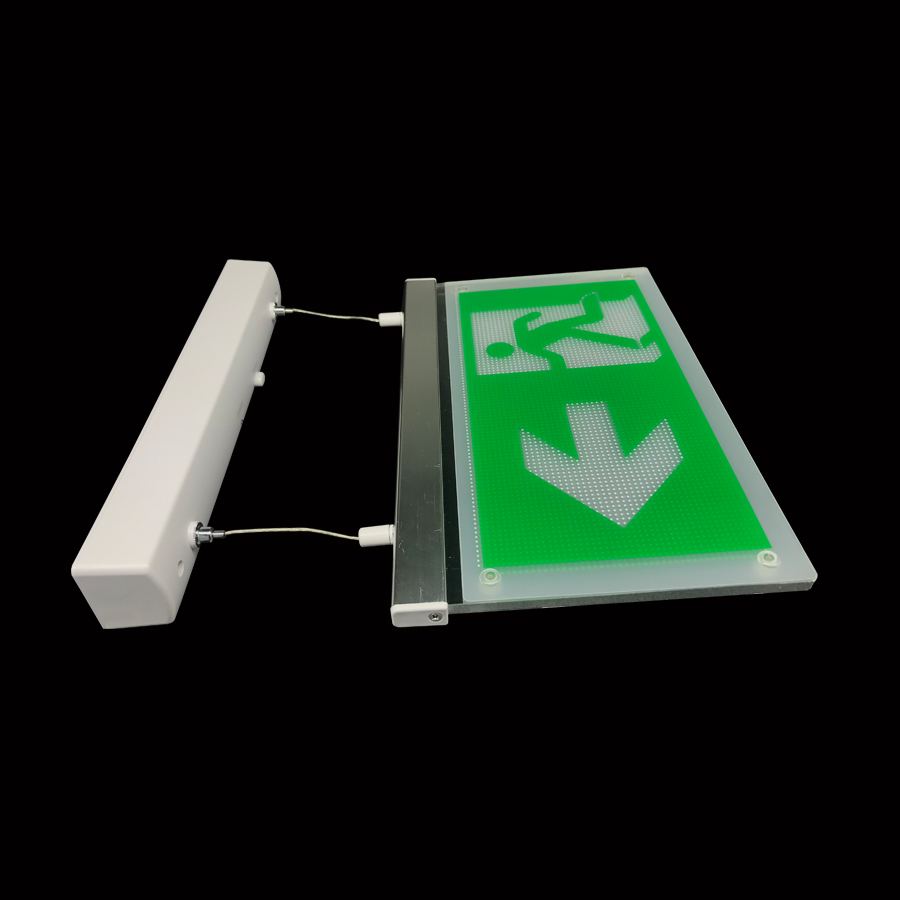
Fire Alarms
Source reliable commercial and residential fire alarms directly from vetted manufacturers. Designed for importers, wholesalers, distributors, and brands seeking OEM or private-label production in bulk. Secure competitive wholesale pricing on high-volume orders with strict adherence to global safety certifications and rigorous quality control.
Sourcing fire alarms at scale is fundamentally an exercise in risk management. Because these are critical life-safety devices, the gap between a compliant, reliable unit and a costly liability lies in the manufacturer's PCB assembly standards, sensor calibration accuracy, and strict adherence to regional certifications. For volume buyers, navigating the Asian manufacturing landscape requires looking past surface-level specifications to evaluate the factory's actual testing infrastructure.
Core Sensor Technologies and Specifications
The sensor is the heart of the alarm, dictating its response time and susceptibility to false alarms. When specifying units for your target market, the choice of sensor technology directly impacts both regulatory compliance and end-user satisfaction.
| Sensor Type | Best For | Manufacturing Complexity | Market Trend |
|---|---|---|---|
| Photoelectric (Optical) | Smoldering fires (furniture, wiring) | Moderate - requires precise optical chamber alignment | Becoming the global standard due to fewer false alarms |
| Ionization | Fast-flaming fires (paper, grease) | High - involves handling trace radioactive materials (Americium-241) | Declining; banned or restricted in some jurisdictions |
| Dual-Sensor | Comprehensive detection | High - requires complex algorithmic calibration on the PCB | Premium residential and commercial applications |
Beyond the sensor type, buyers must specify the power source. The market has shifted heavily toward 10-year sealed lithium battery models (often mandated by local housing codes) over traditional replaceable 9V battery units. If you are integrating smart capabilities (WiFi/Zigbee/Z-Wave), the power draw of the communication module must be carefully balanced against the battery's lifespan.
Need help verifying a manufacturer's technical capabilities and certification validity? Let our sourcing experts evaluate your potential suppliers.
Talk to our teamManufacturing Quality and Compliance
In fire alarm production, quality is won or lost during PCB assembly and sensor calibration. A factory producing life-safety equipment must have dedicated, climate-controlled clean rooms for optical chamber assembly to prevent dust contamination, which is a primary cause of false alarms.
Because the stakes are so high, factory audits are non-negotiable. You must verify that the supplier has the necessary in-house testing equipment, specifically standardized smoke tunnels, to calibrate sensitivity accurately.
Critical Factory-Floor Quality Checks
- Smoke Tunnel Calibration: Verifying response times across different obscuration levels.
- Sounder Output Testing: Ensuring the piezoelectric horn consistently exceeds 85dB at 3 meters.
- PCB Aging Tests: Running assembled boards at elevated temperatures to catch early component failure.
- Battery Load Testing: Confirming the voltage drop remains within acceptable limits under alarm conditions.
Certifications such as UL 217 (North America) or EN 14604 (Europe) are mandatory. However, many low-tier suppliers present "CE" marks that are self-certified or issued by non-accredited labs. Engaging professional compliance and testing services ensures the specific production run matches the "golden sample" that originally passed laboratory testing.
Pricing, MOQs, and Lead Times
Pricing for fire alarms is highly dependent on the sensor type, battery chemistry, and smart connectivity features. While basic 9V photoelectric alarms are heavily commoditized, 10-year sealed models and interconnected wireless units command higher margins.
If you are developing a proprietary smart alarm or require specific industrial design changes, leveraging OEM/ODM services is the standard route. Be prepared for longer initial lead times (up to 90 days) for the first production run to accommodate tooling, firmware debugging, and pilot testing.
Planning a large-scale import or developing a custom fire safety product? We can manage the supplier negotiations and quality control on your behalf.
Get a free consultationFrequently Asked Questions
Successfully sourcing fire alarms requires treating the manufacturer as a long-term compliance partner rather than just a vendor. Prioritize suppliers with transparent testing protocols and verifiable certifications over those simply offering the lowest unit cost. Thorough vetting and continuous quality oversight are the only ways to protect your brand and your end-users.
Get Sourcing Help for Fire Alarms
Tell us your requirements and our experts will connect you with verified manufacturers.