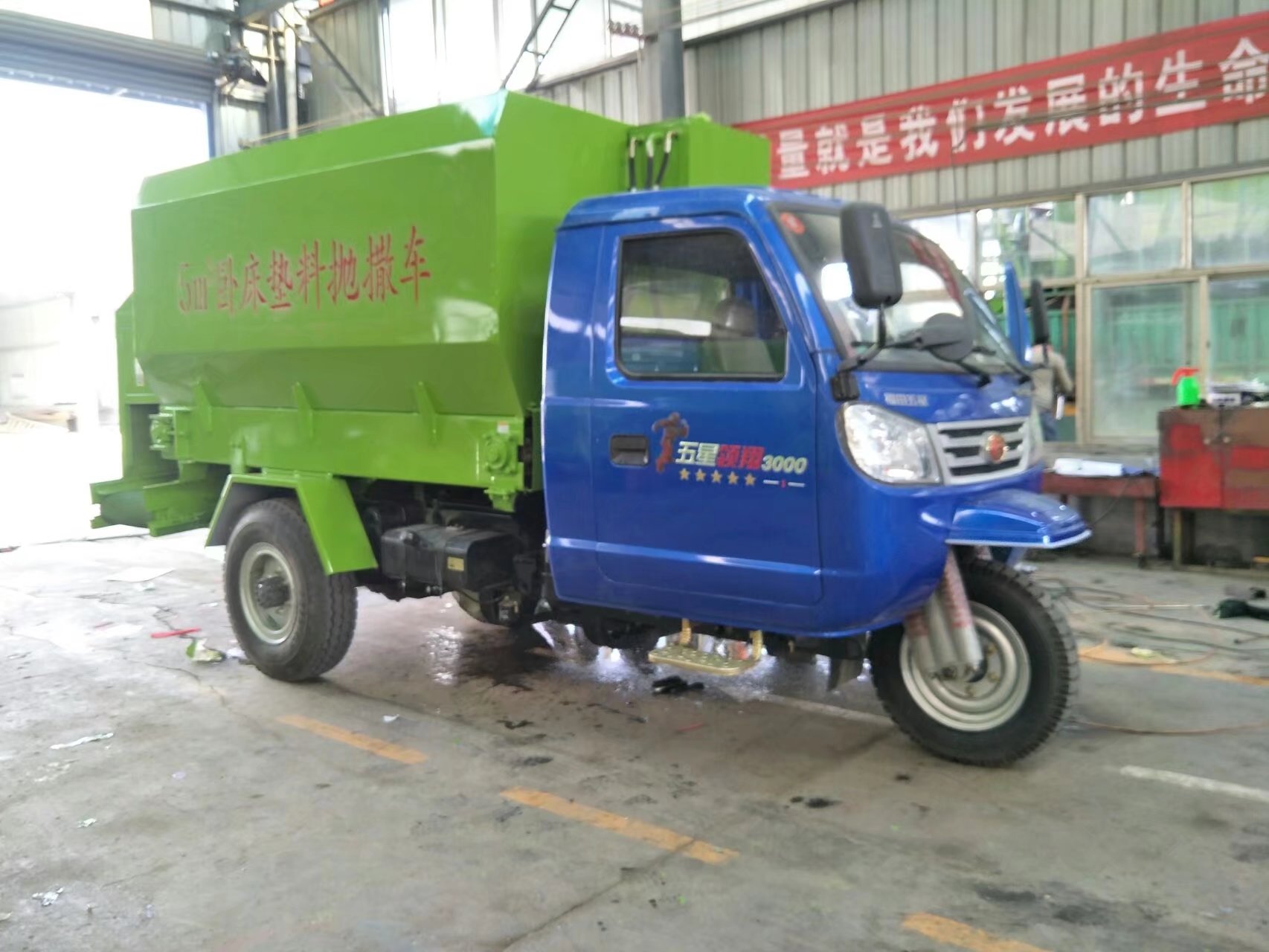
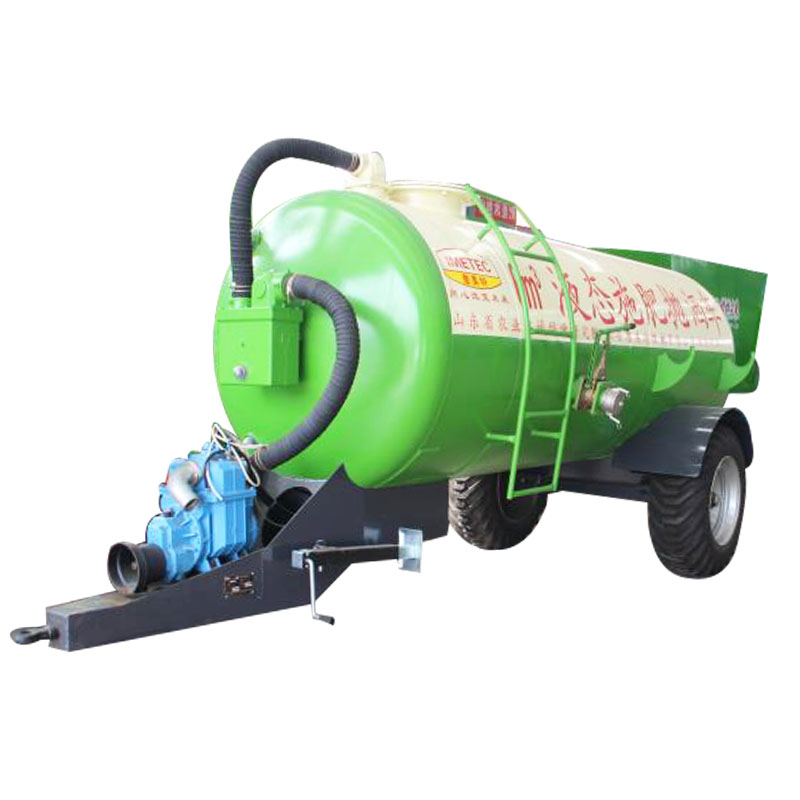
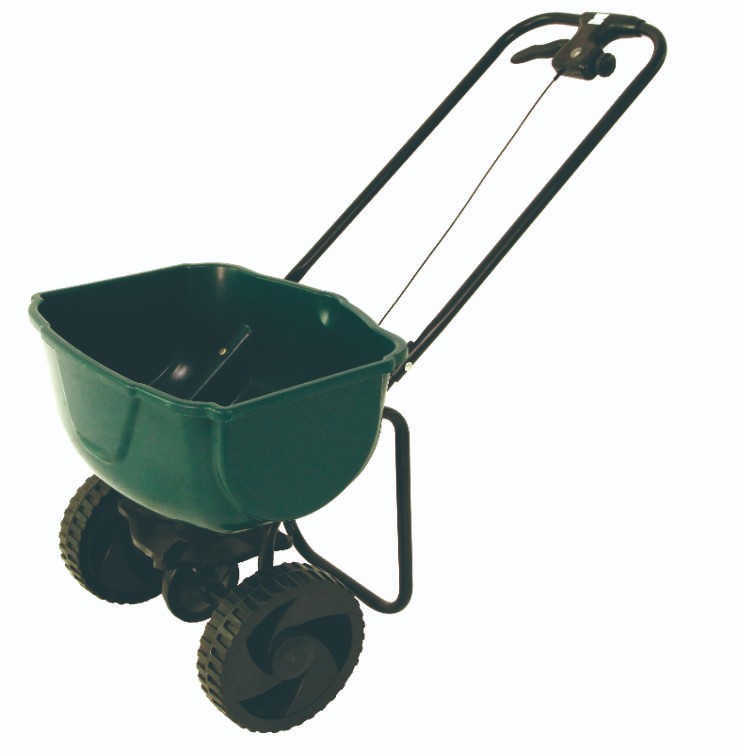
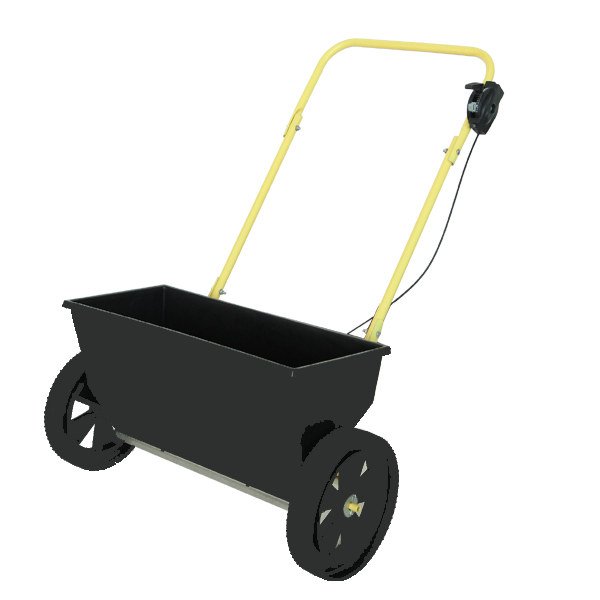
Fertilizer Spreaders
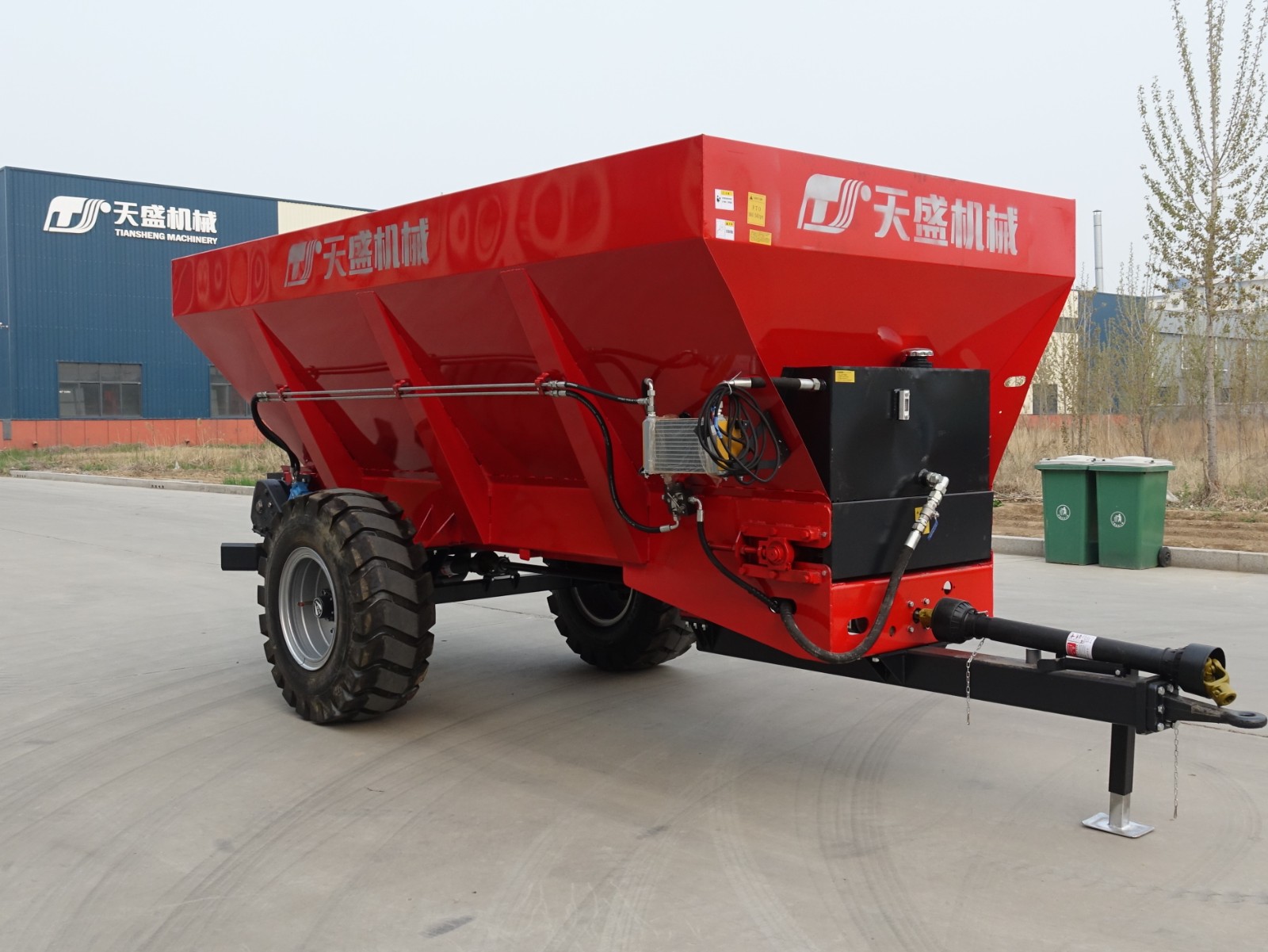
Source commercial-grade fertilizer spreaders directly from vetted manufacturers and suppliers. We connect agricultural machinery importers, wholesale distributors, and brands with reliable factories for bulk orders and OEM production. Secure competitive pricing on durable spreaders built for precision agriculture and heavy-duty field use.
Sourcing agricultural fertilizer spreaders in volume requires a strict focus on material durability and mechanical reliability. Because fertilizers are inherently corrosive, the alloys, plastics, and coatings chosen by your manufacturer will dictate the equipment's lifespan. For importers and distributors, balancing these technical specifications with cost-effective manufacturing is the key to maintaining healthy margins and minimizing warranty claims.
Critical Specifications and Material Selection
When negotiating with suppliers, the bill of materials (BOM) is your primary lever for controlling quality. Off-the-shelf models often cut corners on unseen components, so you must specify your requirements clearly before production begins.
Hopper Materials
The hopper dictates the unit's weight, capacity, and resistance to chemical degradation.
| Hopper Material | Corrosion Resistance | Impact Tolerance | Typical Application |
|---|---|---|---|
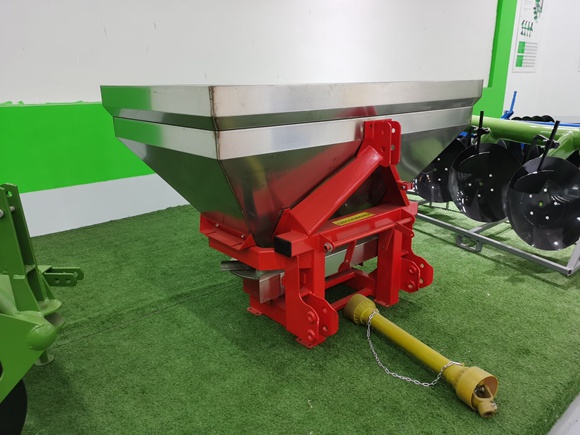
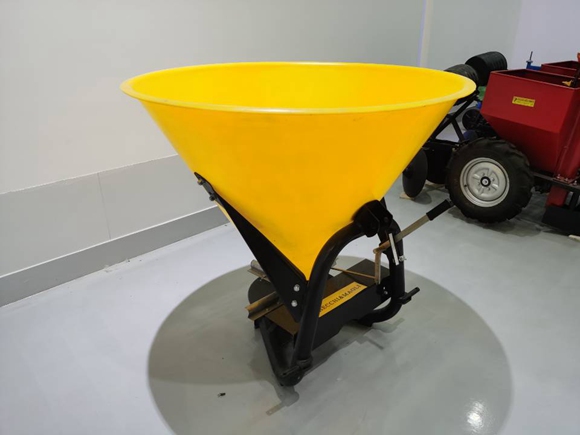
| HDPE (High-Density Polyethylene) | Excellent | High (flexes under impact) | Walk-behind, ATV, and light tractor units |
| 304 Stainless Steel | High (requires passivation) | Moderate (prone to denting) | Commercial PTO-driven tractor spreaders |
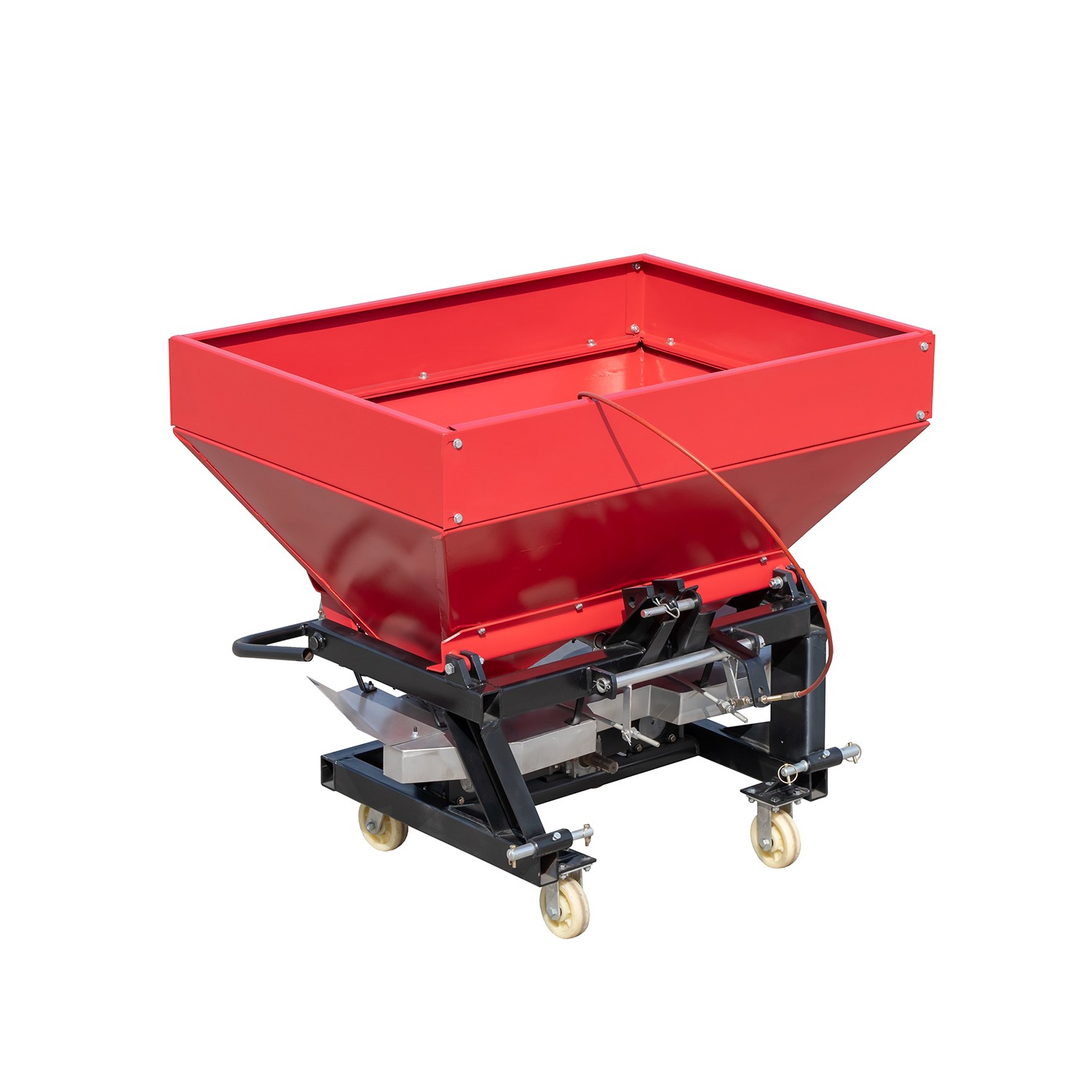
| Powder-Coated Carbon Steel | Low to Moderate | High | Budget agricultural models (high maintenance) |
Drivetrain and Gearbox Quality
The gearbox is the most common point of failure in broadcast spreaders. Specify fully enclosed gearboxes with aluminum alloy casings rather than cheap plastic housings. Internally, insist on brass or hardened steel gears rather than nylon, especially for units with a capacity over 50 kilograms. Bearings must be sealed (e.g., RS or 2RS designations) to prevent fine fertilizer dust from grinding down the moving parts.
Need help verifying a manufacturer's technical capabilities and component sourcing? Merhein can audit factories on your behalf.
Talk to our teamManufacturing and Quality Control Checkpoints
Asian manufacturers offer excellent value in agricultural machinery, but consistency across production runs requires active oversight. Frame welding and surface treatment are the two areas where poor factory practices will ruin a product.
If the tubular steel frame is not properly prepped before coating, rust will form under the paint within months. Ensure your factory uses a multi-stage pretreatment process (sandblasting or chemical etching) followed by a UV-resistant powder coat or hot-dip galvanizing.
Implementing robust Quality Control & Inspection protocols is non-negotiable.
Pre-Shipment Inspection Focus Areas
- Agitator clearance: Verify the agitator pin does not scrape the hopper base.
- Gate linkage: Test the flow-control lever for smooth operation and secure locking.
- Coating thickness: Measure powder coat thickness using a mil gauge (target 60 to 80 microns).
- Gearbox sealing: Inspect the input/output shaft seals for proper seating.
- Hardware: Confirm all bolts and nuts are 304 stainless steel or heavily zinc-plated.
Customization and OEM Production
For brands looking to differentiate, modifying existing factory molds or developing custom units is highly viable. OEM/ODM Services allow you to specify custom hopper colors, branded flow-control dials, and upgraded pneumatic tires. If you are developing a proprietary spread-pattern deflector, ensure you establish clear ownership of the tooling and molds in your manufacturing agreement.
Pricing, MOQs, and Lead Times
Order volumes and production timelines vary significantly based on the size of the spreader and the level of customization.
Pricing is heavily influenced by global steel and resin commodity rates. Lock in your BOM and pricing structure early, and factor in container utilization. Spreaders are bulky; working with factories that optimize their packaging (e.g., nesting hoppers or shipping knocked-down units) will drastically reduce your freight cost per unit.
Struggling to negotiate favorable MOQs or optimize your container loads? Let our sourcing experts manage the process.
Get a free consultationFrequently Asked Questions
Successfully importing agricultural equipment requires tight coordination between factory floors and international freight networks. By specifying the right materials upfront and managing the assembly process closely, you can secure durable, high-margin machinery. When you are ready to move your goods, establishing reliable Shipping & Freight channels ensures your inventory arrives on schedule for the agricultural season.
Get Sourcing Help for Fertilizer Spreaders
Tell us your requirements and our experts will connect you with verified manufacturers.