Fencing, Trellis & Gates
Source high-quality fencing, trellis, and gates from vetted manufacturers and wholesale suppliers. Designed for importers, distributors, and brands seeking reliable OEM and private-label production, our factory-direct network ensures consistent quality, competitive volume pricing, and scalable manufacturing.
Sourcing fencing, trellis panels, and gates in bulk requires balancing material durability against severe freight constraints. Because these products are inherently high-volume, poor container optimization or substandard weatherproofing can wipe out your margin before the goods even reach your distribution center. Success in this category depends on specifying the right material grades, verifying surface treatments, and partnering with factories capable of precision manufacturing at scale.
Material Specifications and Manufacturing Standards
The core value of any boundary or garden structure lies in its resistance to environmental degradation. Whether you are sourcing for residential landscaping or commercial security, the technical specifications must match the target climate.
Metal Fencing and Gates (Steel & Aluminum)
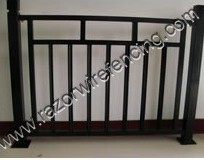
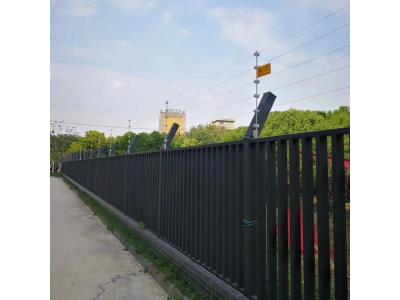
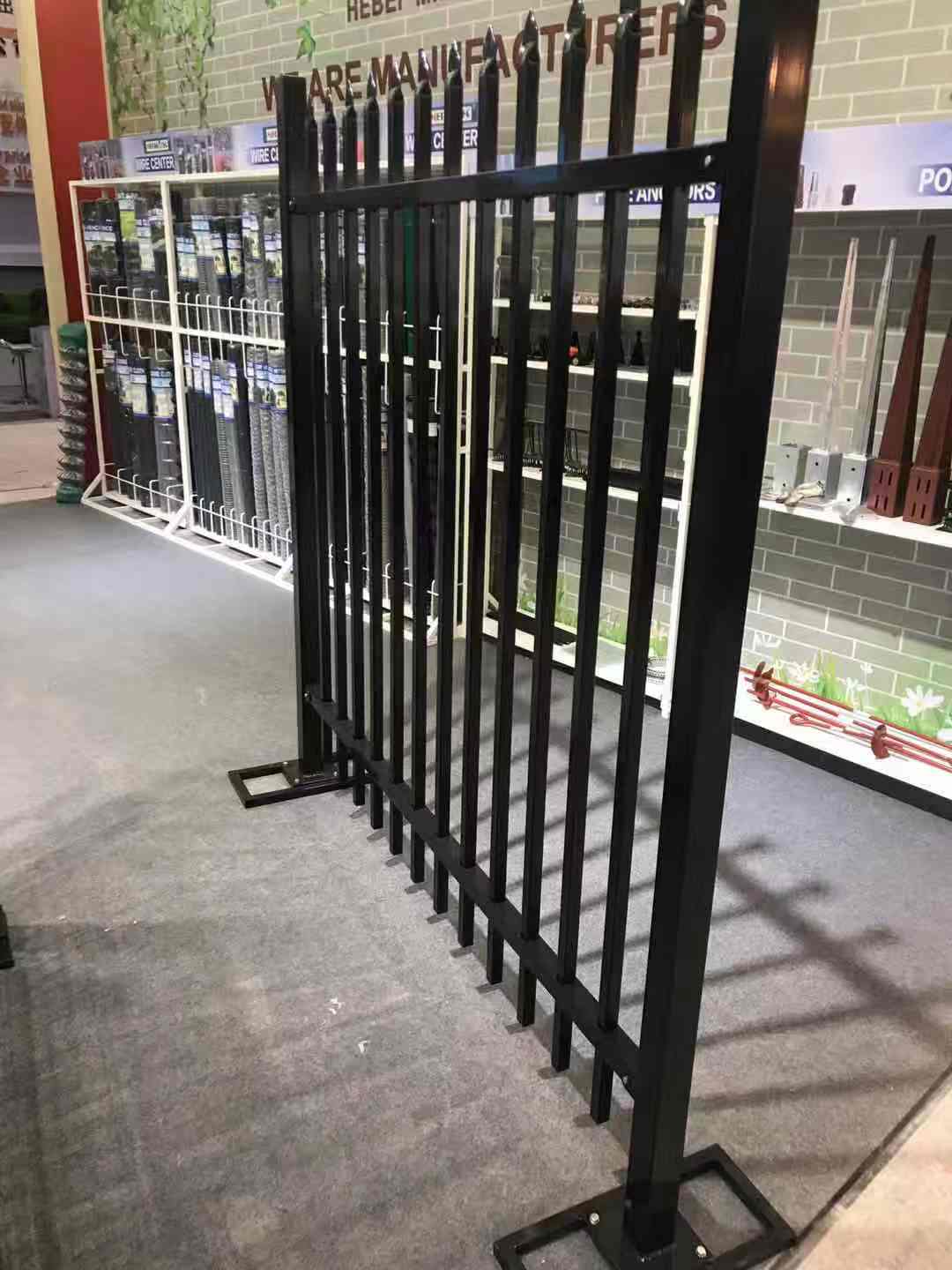
For tubular steel or wrought-iron style gates, the critical factor is rust prevention. Raw steel must be properly pre-treated. Specify hot-dip galvanization with a minimum zinc coating weight of 130 to 275 grams per square meter, depending on your market's requirements. For aluminum products, alloy 6063-T5 is the industry standard for extrusion, offering the right balance of tensile strength and formability.
Surface finishing dictates the lifespan of metal fences. Powder coating should be applied at a thickness of 60 to 80 microns. If the factory's pre-treatment process (like sandblasting or phosphating) is inadequate, the powder coat will flake within a year.
| Material Type | Key Specification | Primary Manufacturing Risk |
|---|---|---|
| Tubular Steel | Hot-dip galvanized, 60-80μm powder coat | Incomplete internal pipe coating leading to hidden rust |
| Aluminum Extrusion | 6063-T5 alloy, architectural grade finish | Weak weld points if not TIG welded correctly |
| WPC (Composite) | High-density polyethylene (HDPE) + wood fiber | Inconsistent extrusion causing warping or color fading |
| Timber / Wood | Kiln-dried to under 18 percent moisture | Improper pressure treatment leading to early rot |
Need help verifying factory capabilities for custom fencing designs?
Discuss your product specsWood Plastic Composite (WPC)
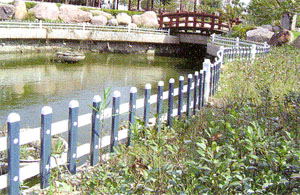
WPC fencing has captured significant market share due to its low maintenance. However, formulation is everything. A standard reliable mix is typically 60 percent wood fiber, 30 percent HDPE, and 10 percent chemical additives (UV stabilizers, colorants, and anti-fungal agents). If a supplier cuts costs by reducing UV stabilizers, the fencing will chalk and fade rapidly. Utilizing reliable OEM/ODM Services ensures your proprietary formulations and extrusion profiles are strictly adhered to.
Quality Control on the Factory Floor
Catching defects after a container of gates has shipped is a costly mistake. Fencing products require rigorous mechanical and visual inspections before packaging.
Critical Pre-Shipment Inspection Points
- Weld Integrity: Inspect for continuous, slag-free welds on all load-bearing gate joints.
- Coating Adhesion: Perform cross-hatch adhesion testing on powder-coated surfaces.
- Dimensional Tolerance: Verify panel widths and post hole alignments (tolerance should be tight, typically within 2mm).
- Moisture Content: For timber trellis, ensure core moisture is below 18 percent to prevent warping in transit.
- Hardware Inclusion: Verify all hinges, latches, and drop rods match the BOM and are corrosion-resistant.
Implementing professional Quality Control & Inspection at the factory ensures that these parameters are verified using calibrated equipment, not just visual guesswork.
Pricing, MOQs, and Logistics Reality
Because fencing and trellis products are bulky, freight efficiency often dictates product design and supplier selection. "Knocked-down" (KD) or flat-pack designs are essential for maximizing container space. Fully welded gate panels ship poorly, often resulting in containers that "cube out" (reach volume capacity) while remaining far below their weight limits.
When negotiating pricing, clarify exactly what is included. Does the price cover the fence panel, posts, caps, and mounting hardware, or just the panel? Furthermore, optimizing your packaging for international Shipping & Freight is critical; custom steel pallets or reinforced crates are necessary to prevent heavy metal gates from crushing lower layers during ocean transit.
Struggling with high landed costs due to poor container utilization?
Get a freight & sourcing analysisFrequently Asked Questions
Sourcing fencing, trellis, and gates profitably is an exercise in supply chain precision. From validating extrusion formulations to engineering flat-pack packaging that cuts freight costs in half, success requires active management at the factory level. Relying on verified production partners ensures your products withstand both the elements and the rigors of international shipping.
Get Sourcing Help for Fencing, Trellis & Gates
Tell us your requirements and our experts will connect you with verified manufacturers.