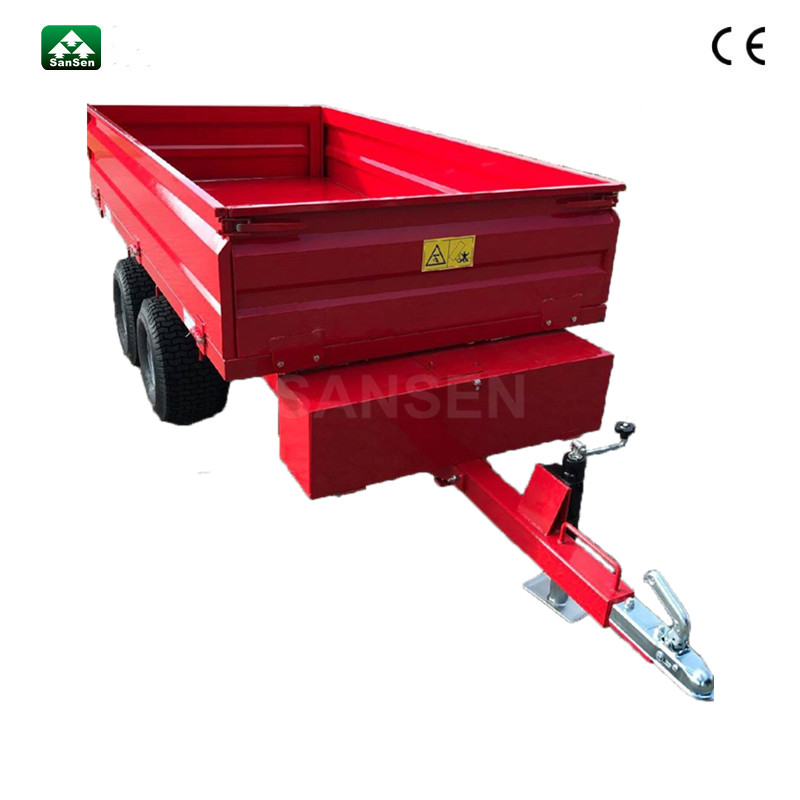
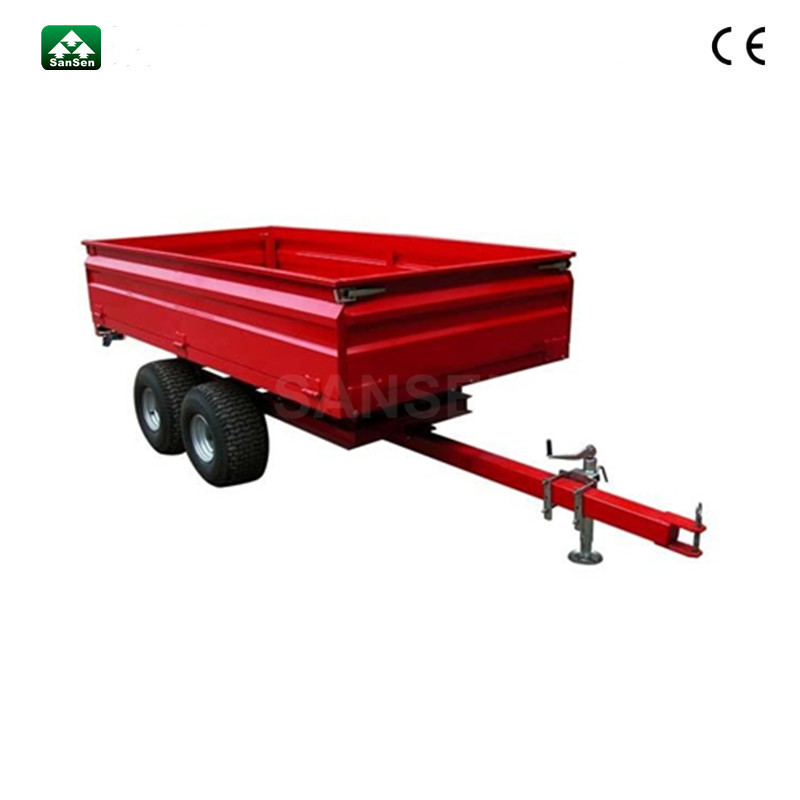
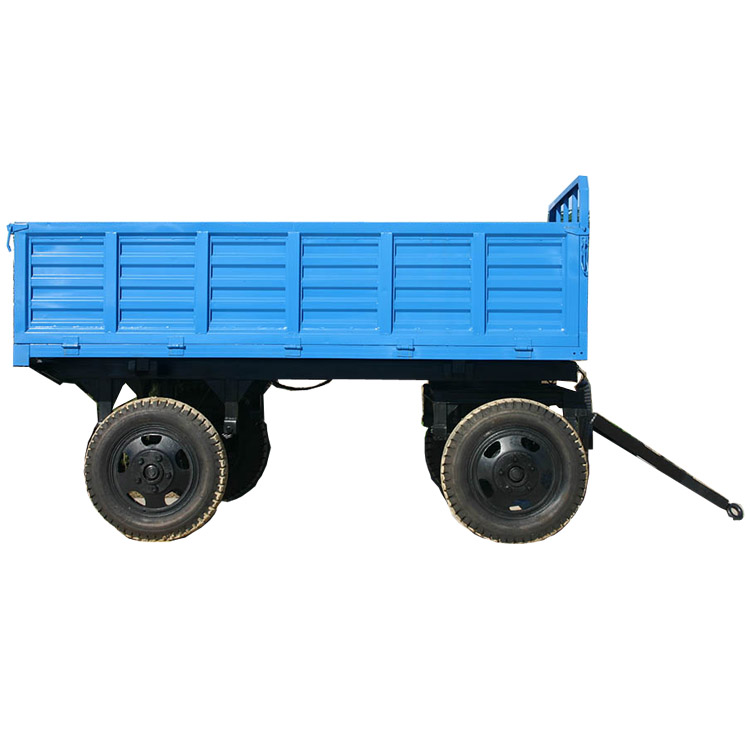
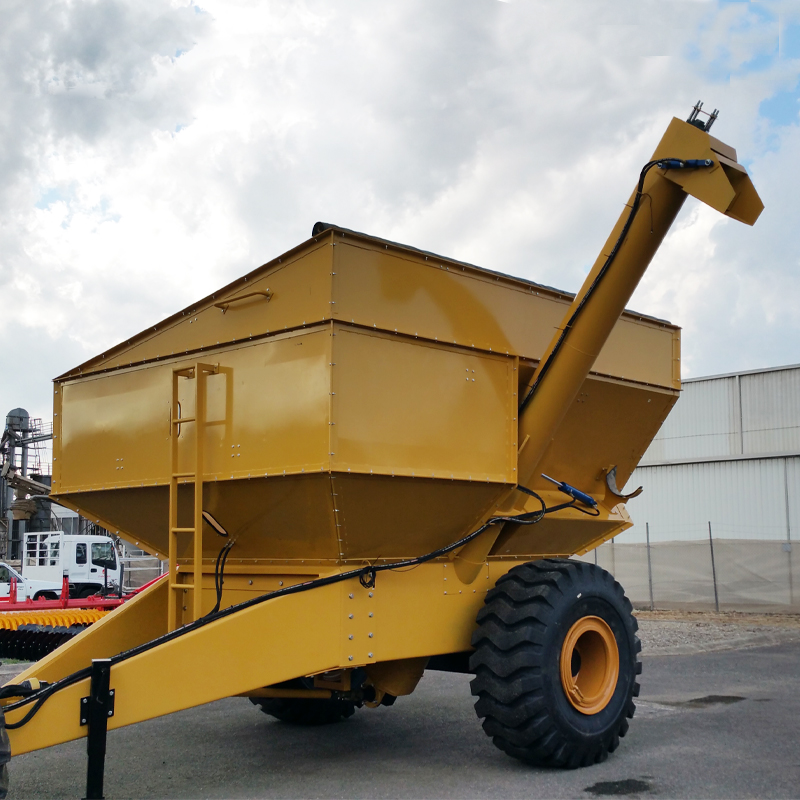
Farm Trailers
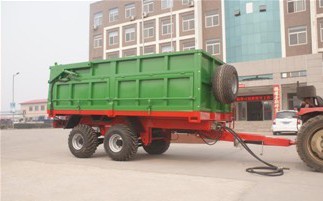
Source heavy-duty farm trailers from vetted suppliers and manufacturers across Asia. Designed for agricultural importers, equipment distributors, and brands seeking reliable OEM production, our network delivers bulk manufacturing with strict quality control. Secure competitive pricing on durable trailers built to your exact specifications.
Sourcing agricultural trailers at scale requires a careful balance between raw material costs and structural integrity. In the field, a failed chassis weld or an undersized axle on a fully loaded grain or tipping trailer doesn't just cause operational downtime—it creates severe safety and liability risks. For importers and distributors, the challenge lies in identifying manufacturers who do not cut corners on steel grades, hydraulic components, or surface treatments to artificially lower unit prices.
Core Specifications and Material Standards
When evaluating a manufacturer's technical capabilities, you must look beyond top-level load ratings. The longevity of a farm trailer is dictated by the quality of its structural steel and the precision of its fabrication.
Most reputable factories utilize Q235 carbon steel for standard utility applications, while heavy-duty tipping and forage trailers require Q345 (or equivalent high-tensile steel) for the main chassis beams to prevent deformation under dynamic loads.
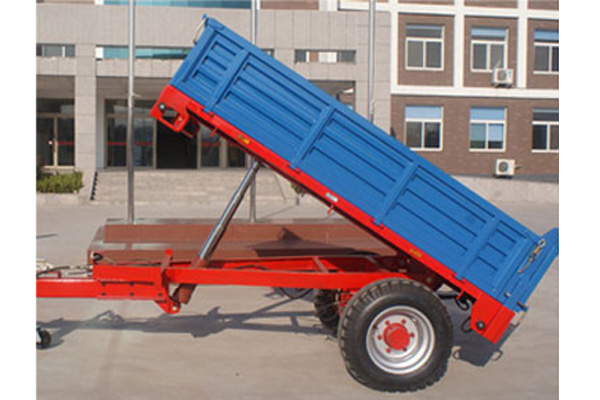
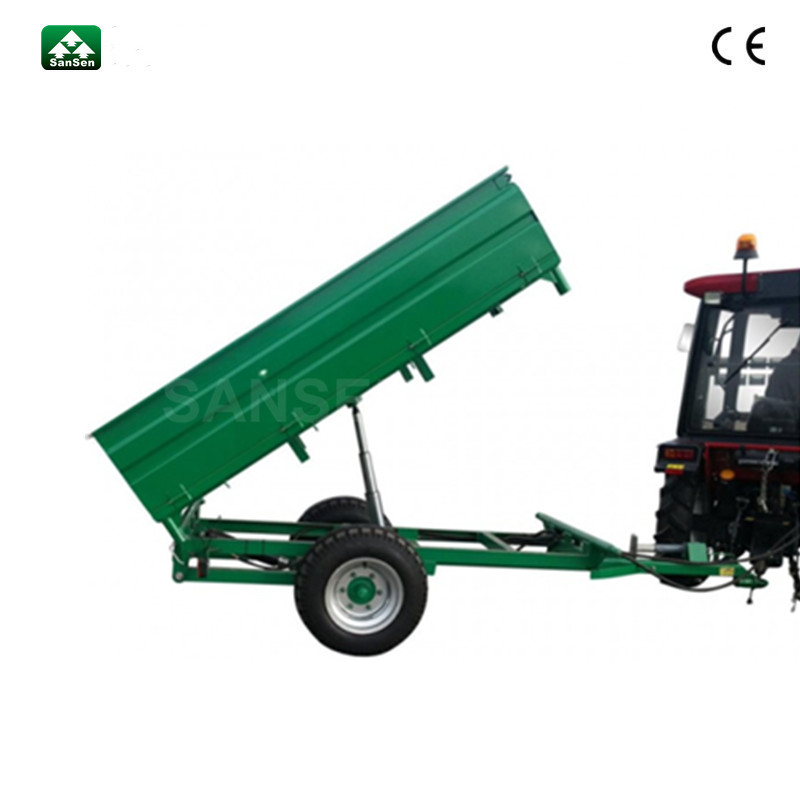
You must also clearly specify the hydraulic tipping mechanisms (if applicable). Single-acting multi-stage telescopic cylinders must be rated for pressures well above the maximum payload to account for uneven weight distribution during offloading.
Struggling to verify the engineering standards of overseas trailer manufacturers? Let us handle the factory vetting and technical specification alignment for your next bulk order.
Talk to our teamSurface Treatment: Protecting the Investment
Agricultural environments are highly corrosive. Exposure to manure, chemical fertilizers, and constant moisture means the surface treatment applied at the factory is critical. Do not accept basic alkyd paints for professional-grade equipment.
| Treatment Type | Corrosion Resistance | Relative Cost | Ideal Application |
|---|---|---|---|
| Polyurethane Paint | Moderate | Low | General dry-climate utility hauling |
| Powder Coating | High | Medium | Standard agricultural use, high UV exposure |
| Hot-Dip Galvanizing | Maximum | High | Manure spreaders, silage, coastal regions |
Manufacturing Quality Control & Assembly
Quality is won or lost on the factory floor, specifically in the welding and alignment bays. Inconsistent penetration on structural welds will lead to catastrophic failure under load. Implementing rigorous Quality Control & Inspection protocols is non-negotiable before these units are packed for export.
Critical Factory-Level Inspections
- Weld Integrity: Check for continuous, slag-free MIG/MAG welds on all stress points and A-frames.
- Axle Alignment: Ensure tandem or tridem axles are perfectly parallel to prevent uneven tire wear and tracking issues.
- Hydraulic Pressure Testing: Cylinders and hoses must be tested at maximum rated pressure for a sustained period to check for seal leaks.
- Braking Systems: Verify the installation and responsiveness of hydraulic or pneumatic air brake systems, ensuring compliance with your target market.
For brands looking to develop proprietary designs, partnering with a factory that offers robust OEM/ODM Services is essential. A capable supplier will have an in-house engineering team to adjust chassis dimensions, drawbar heights, and suspension setups (leaf spring vs. bogie) to match your specific market requirements.
Logistics, MOQs, and Shipping Realities
Farm trailers are high-volume, low-density cargo. Shipping them fully assembled (Completely Built Up, or CBU) is financially unviable for most importers due to wasted container space.
To maintain healthy margins, trailers must be shipped Semi-Knocked Down (SKD) or Completely Knocked Down (CKD). This requires the manufacturer to have excellent packaging protocols to prevent scratching and ensure all bolts, pins, and hydraulic fittings are accurately kitted. Coordinating this complex movement of heavy equipment requires experienced Shipping & Freight management to optimize container loads and handle customs clearance efficiently.
Typical MOQs: Factories generally set Minimum Order Quantities based on container utilization rather than unit count. A standard MOQ is typically one 40ft High Cube (40HQ) container. Depending on the trailer size and the SKD breakdown, this could mean anywhere from 4 to 20 units per order.
Need help optimizing your trailer designs for SKD container shipping? We can help you maximize container space and reduce your landed costs without compromising on assembly quality.
Get a free consultationBuyer FAQ
Successfully sourcing farm trailers means looking past the initial unit price and calculating the true landed cost—factoring in steel quality, SKD shipping efficiency, and the long-term reliability of the equipment in the field. Careful supplier selection and unyielding quality oversight are the only ways to build a profitable, reputation-enhancing agricultural machinery supply chain.
Get Sourcing Help for Farm Trailers
Tell us your requirements and our experts will connect you with verified manufacturers.