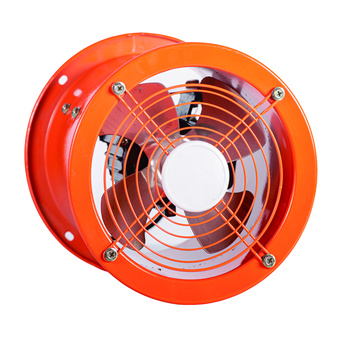
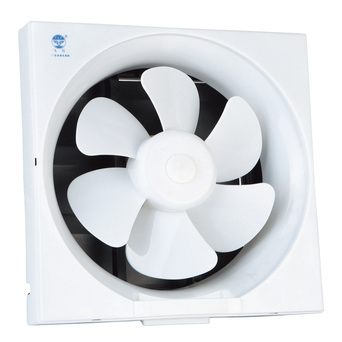
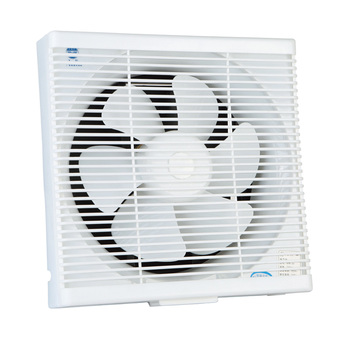
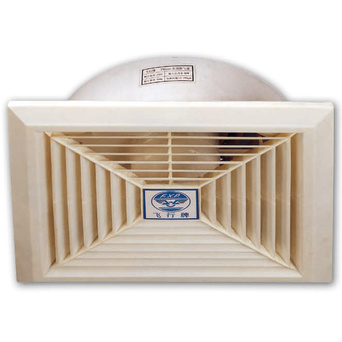
Exhaust Fans
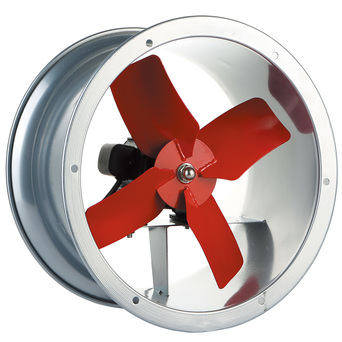
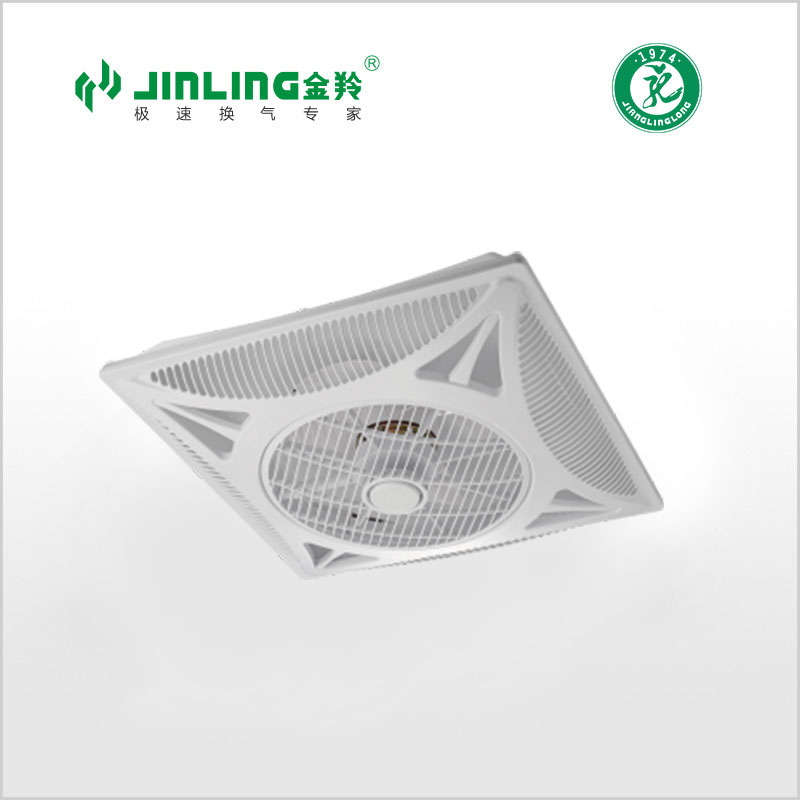
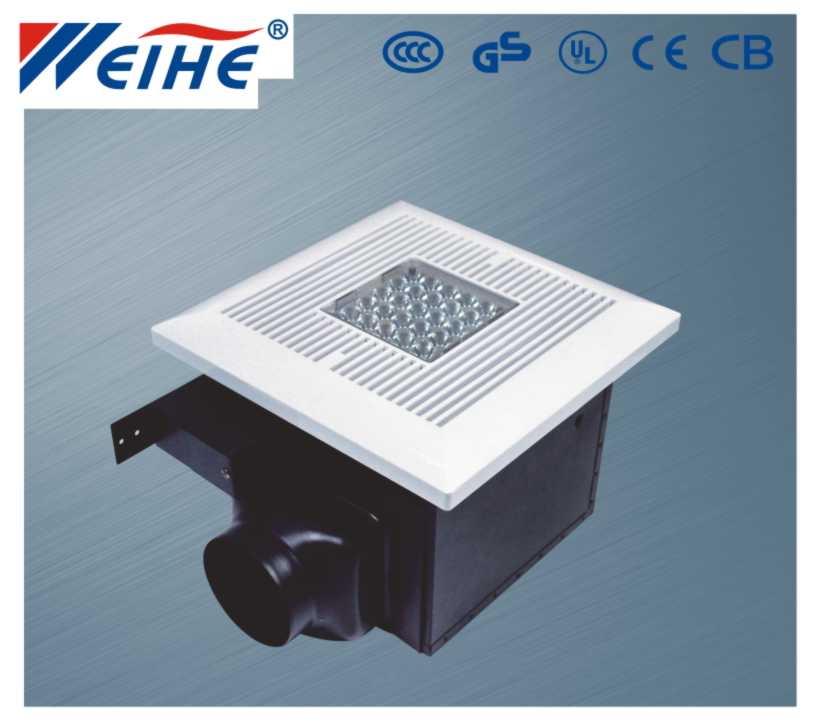
Source commercial and residential exhaust fans from vetted manufacturers and wholesale suppliers across Asia. Built for importers, HVAC distributors, and appliance brands requiring reliable OEM and private-label production, our network delivers high-volume ventilation solutions tailored to your market's compliance and performance standards.
Sourcing exhaust fans at scale requires balancing motor durability, airflow efficiency, and strict market compliance. For wholesale buyers and OEM brands, the challenge lies in identifying manufacturers capable of delivering consistent acoustic performance and motor longevity across high-volume production runs. A factory's off-the-shelf sample might perform well, but maintaining that standard across thousands of units requires tight control over component sourcing and assembly tolerances.
Core Specifications: Motors, Airflow, and Acoustics
The heart of any exhaust fan is the motor, which dictates both the unit's lifespan and its acoustic profile. When defining specifications with a supplier, you must be explicit about the motor technology and the exact testing conditions for airflow (CFM or CMH) and noise (Sones or dB). Failing to lock in these specs often results in factories substituting cheaper, lower-grade copper-clad aluminum (CCA) windings instead of pure copper.
| Motor Technology | Energy Efficiency | Acoustic Performance | Typical Application |
|---|---|---|---|
| AC Shaded Pole | Low | Moderate to High Noise | Budget Residential |
| AC Capacitor Run | Medium | Moderate | Standard Commercial |
| Brushless DC (BLDC) | High | Ultra-Quiet | Premium / Smart Home |
Airflow metrics can also be easily manipulated by factories testing units without static pressure resistance. Ensure your supplier provides performance curves that show CFM delivery at standard static pressure points (e.g., 0.1 and 0.25 inches of water gauge) rather than just free-air delivery.
Struggling to find a supplier that meets your exact motor and acoustic requirements? Let us connect you with vetted factories.
Talk to our teamManufacturing Tolerances and Defect Control
Quality is won or lost on the factory floor during impeller balancing and housing assembly. Even a premium BLDC motor will vibrate and generate excessive noise if the fan blades are poorly balanced or if the plastic housing lacks structural rigidity.
When conducting Factory Audits before placing an order, pay close attention to the supplier's testing infrastructure. A reliable manufacturer will have an anechoic chamber for noise testing and automated balancing machines for impellers.
Critical Factory-Floor Checks
- Verify the use of pure copper motor windings (reject copper-clad aluminum).
- Confirm the presence of automated dynamic balancing for all fan impellers.
- Check for thermal overload protection integration in the motor assembly.
- Ensure housing plastics use virgin ABS or PP to prevent long-term brittleness.
- Review end-of-line electrical safety testing (Hipot, earth continuity, leakage current).
Implementing rigorous Quality Control & Inspection protocols before shipment is essential. Inspectors should randomly sample units to verify that the acoustic performance matches the approved golden sample and that there is no resonant vibration during operation.
Navigating Compliance and Certification
Ventilation equipment is heavily regulated for both electrical safety and energy performance. Depending on your target market, you will need specific certifications.
- North America: Requires UL or ETL listing for safety, and often HVI (Home Ventilating Institute) certification for airflow and sound ratings. Energy Star certification is critical for premium models.
- Europe: CE marking is mandatory, along with strict adherence to RoHS directives and ErP (Energy-related Products) ecodesign requirements.
- Australia/New Zealand: SAA certification is required for electrical safety.
Never take a factory's certification claims at face value. Always verify the certificates against the issuing body's database, or utilize professional Compliance & Testing services to ensure the specific components used in your batch are fully covered by the documentation.
MOQs, Pricing Drivers, and Lead Times
Pricing in the exhaust fan category is highly dependent on motor type, housing material, and order volume. Upgrading from a standard AC motor to a BLDC motor significantly impacts unit cost but allows for smart-home integration and premium retail positioning.
For brands looking to develop unique grill designs or integrate custom smart sensors (humidity, motion), utilizing OEM/ODM Services allows for product differentiation. Keep in mind that custom tooling for new plastic injection molds will add 30 to 45 days to your initial development timeline and require upfront tooling investments.
Need to negotiate better pricing or lower MOQs for your next ventilation order? We can help structure your supply chain.
Get a free consultationFrequently Asked Questions
Sourcing reliable exhaust fans is fundamentally an exercise in risk management and specification control. By locking down motor materials, enforcing strict acoustic tolerances, and verifying compliance documentation, you can build a highly profitable and reliable product line. Having boots on the ground to enforce these standards ensures your brand reputation remains intact.
Get Sourcing Help for Exhaust Fans
Tell us your requirements and our experts will connect you with verified manufacturers.