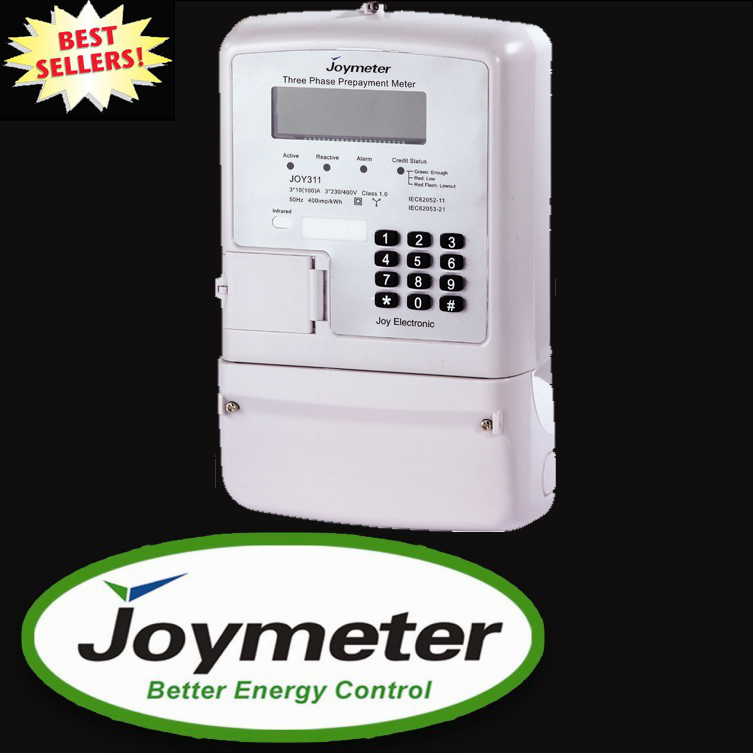
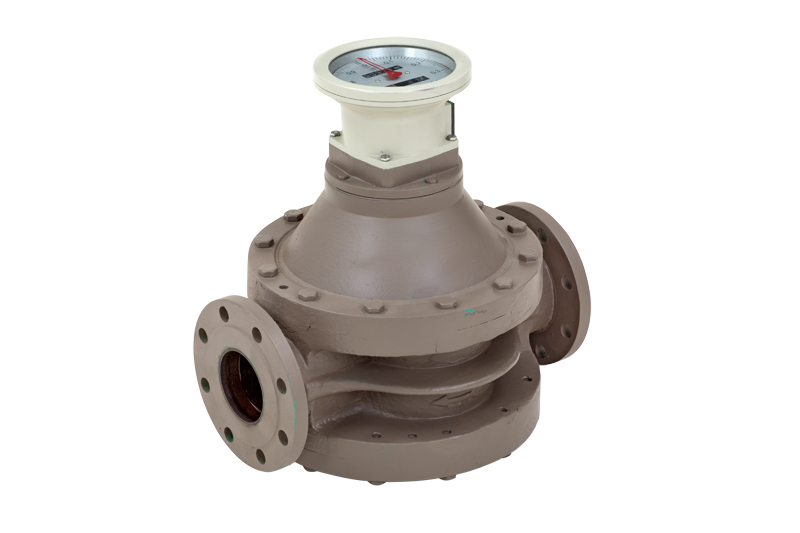
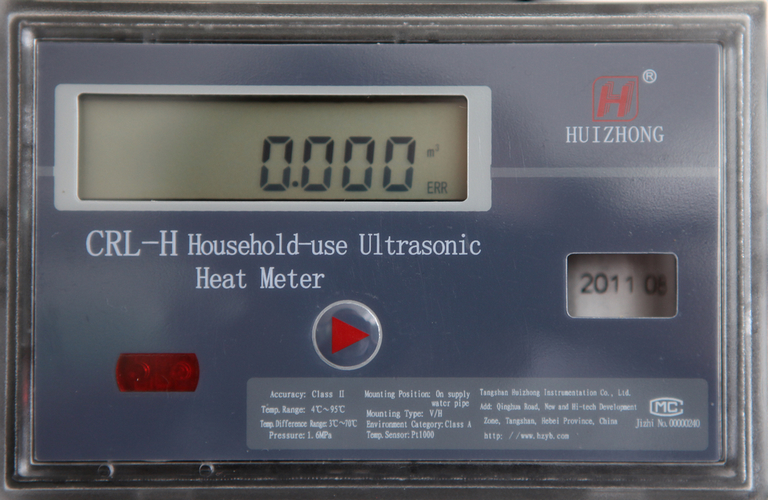
Energy Meters
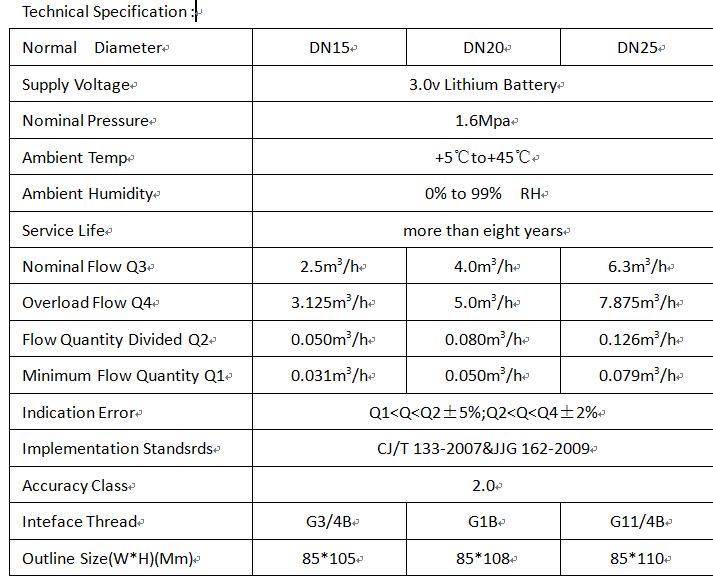
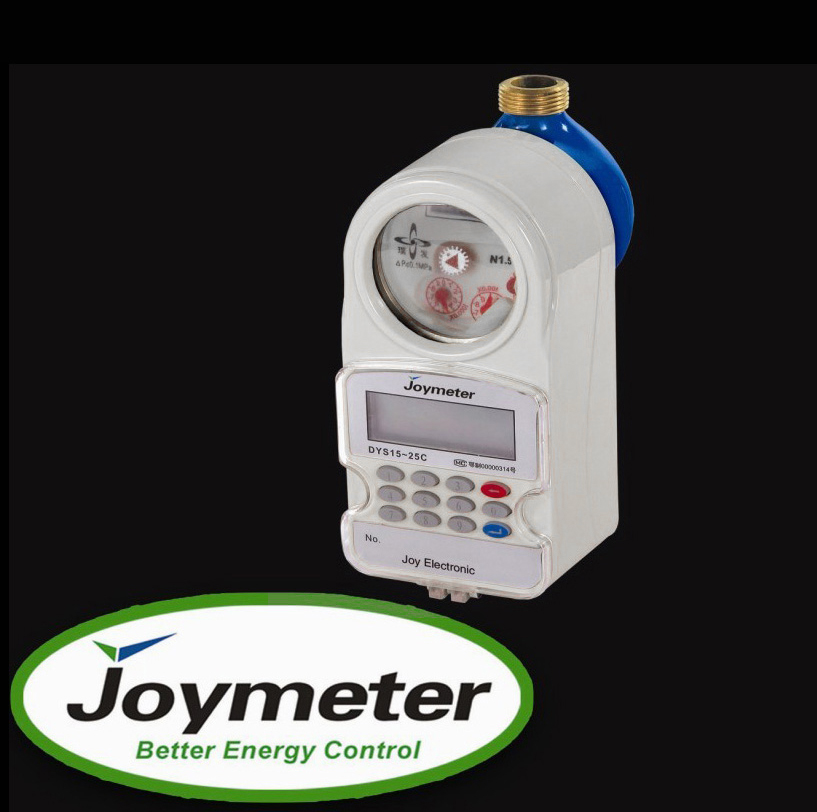
Source high-accuracy energy meters from vetted manufacturers and wholesale suppliers across Asia. Built for electrical equipment distributors, utility contractors, and brands seeking OEM production, our network delivers reliable, compliant metering solutions at scale.
Sourcing commercial and industrial energy meters requires navigating strict accuracy classes, evolving communication protocols, and regional grid compliances. The primary sourcing challenge is identifying a factory that doesn't just assemble off-the-shelf components, but maintains rigorous, documented calibration standards throughout the production lifecycle.
Key Specifications for Bulk Procurement
When specifying energy meters for wholesale or OEM production, the bill of materials and internal architecture dictate both the unit cost and the target market. Buyers must clearly define the following parameters with their supplier:
- Accuracy Class: Standard sub-metering typically requires Class 1.0 (IEC 62053-21) for active energy. Billing and heavy industrial applications demand Class 0.5s or 0.2s (IEC 62053-22).
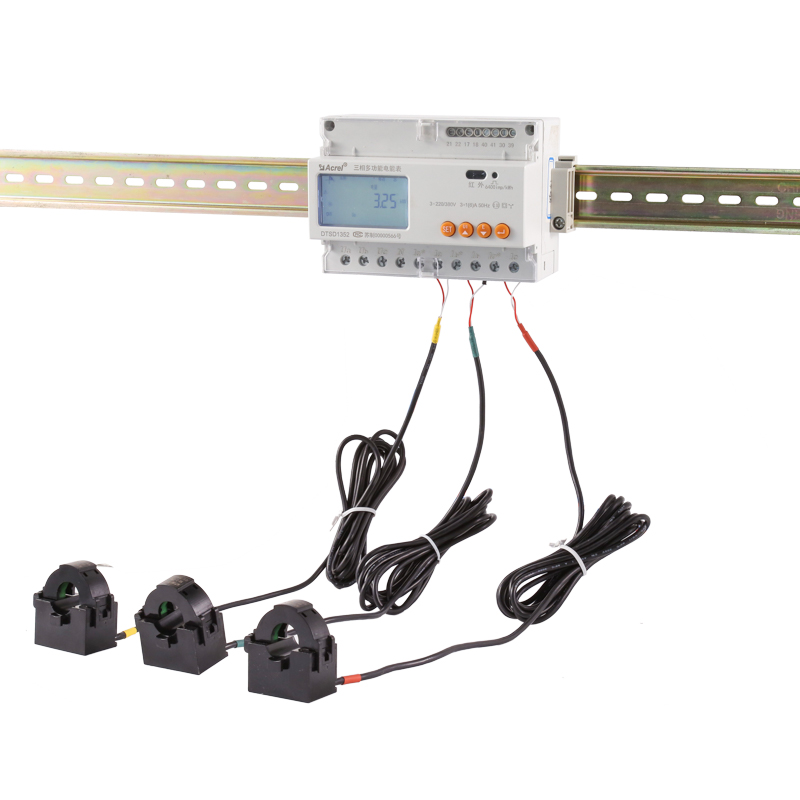
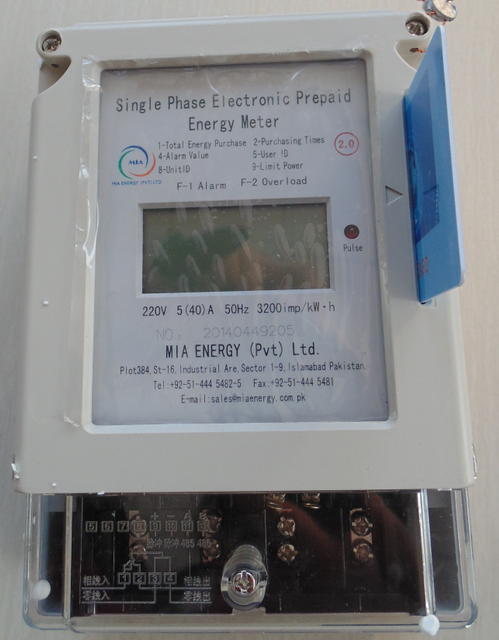
- Measurement Type: Single-phase versus three-phase (3P3W or 3P4W).
- Communication Interfaces: Modern smart meters require stable integration. Specify the exact protocol: Modbus RTU (RS485), M-Bus, Wi-Fi, or LPWAN (LoRaWAN, NB-IoT).
- Tariff Capabilities: Multi-tariff (TOU - Time of Use) functionality requires real-time clocks (RTC) with high-quality backup batteries (e.g., lithium coin cells with a 10-year lifespan).
| Connection Type | Typical Current Range | Primary Application |
|---|---|---|
| Direct Connect | Up to 100A | Residential and light commercial sub-metering |
| CT Operated | 1A or 5A secondary | Industrial panels, heavy machinery, main incomers |
Manufacturing Quality and Calibration
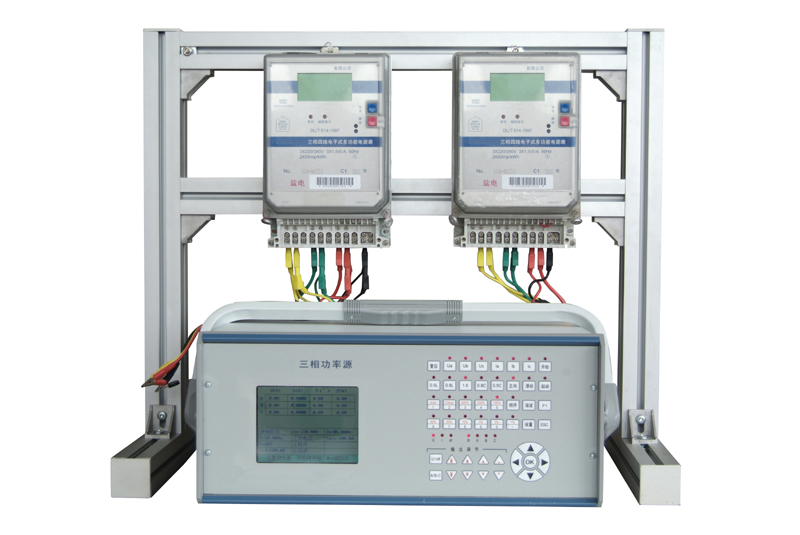
The critical failure point in energy meter manufacturing is drift over time or calibration failure under load. High-tier manufacturers invest heavily in automated calibration test benches. If a factory relies entirely on manual calibration, consistency across a bulk order will suffer.
Need to verify a factory's calibration equipment before placing a bulk order? Our engineering team can help assess supplier capabilities.
Get a free consultationTo ensure long-term reliability, rigorous quality control must be implemented on the factory floor.
Critical Factory-Floor QC Checks
- Verification of aging room procedures (typically 48 to 72 hours at elevated temperatures).
- Automated calibration testing at multiple load points (e.g., 5%, 100%, and maximum current).
- Dielectric strength and impulse voltage testing.
- RTC accuracy verification to prevent tariff drift.
- Inspection of conformal coating on PCBs for environmental protection.
Furthermore, if you are importing into Europe, you must ensure the factory can produce meters compliant with the Measuring Instruments Directive (MID). Navigating compliance and testing is essential, as non-compliant meters cannot be legally used for billing purposes in many jurisdictions.
Sourcing Hubs and Supplier Vetting
The vast majority of global energy meter production is concentrated in China, specifically in Zhejiang province (around Wenzhou and Yueqing) and Guangdong province (Shenzhen for smart/IoT metering). While Wenzhou offers highly competitive pricing for standard DIN-rail and panel meters, Shenzhen excels in advanced communication modules.
Because the barrier to entry for assembling basic meters is low, conducting thorough factory audits is non-negotiable. You must verify that the supplier actually owns their SMT (Surface Mount Technology) lines and calibration rigs, rather than outsourcing the core metrology components.
Pricing, MOQs, and Lead Times
Unit costs in this category vary wildly based on accuracy class, certifications, and smart features.
- Typical MOQs: For standard, unbranded off-the-shelf units, MOQs often sit between 100 and 300 pieces. For OEM/ODM orders requiring custom firmware, bespoke communication protocols, or specific housing colors, expect MOQs of 500 to 1,000 units.
- Lead Times: Standard production runs typically take 30 to 45 days. However, if custom MID certification or specific telecom operator approvals (for NB-IoT) are required, the initial product development phase can add several months.
- Cost Drivers: The inclusion of certified communication modules (like a licensed LoRaWAN chip) and MID-certified metrology components will significantly increase the base cost compared to a simple pulse-output meter.
Ready to negotiate pricing and secure reliable production for your next energy meter order? Let our sourcing experts manage the factory negotiations.
Talk to our teamFrequently Asked Questions
Procuring energy meters requires a strict focus on metrology standards and component longevity. By thoroughly vetting a manufacturer's calibration infrastructure and enforcing rigid pre-shipment testing, buyers can secure highly reliable metering solutions without compromising their margins.
Get Sourcing Help for Energy Meters
Tell us your requirements and our experts will connect you with verified manufacturers.