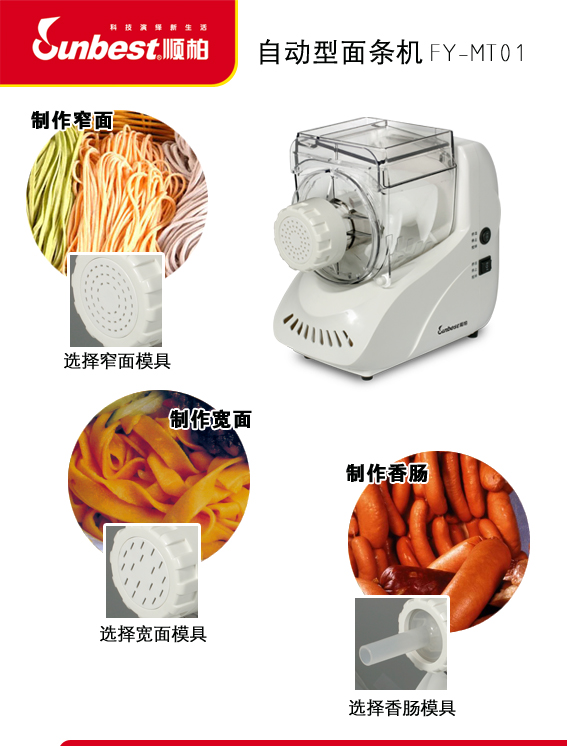
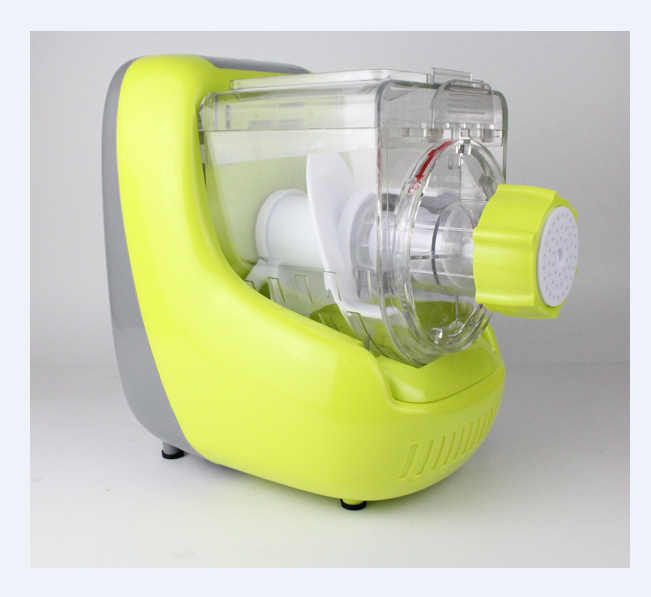
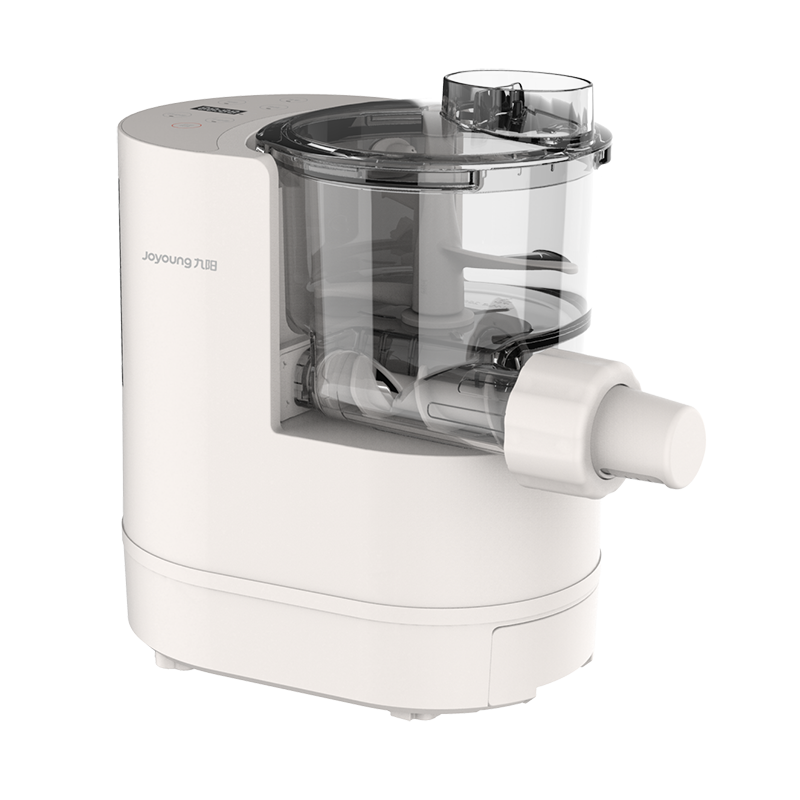
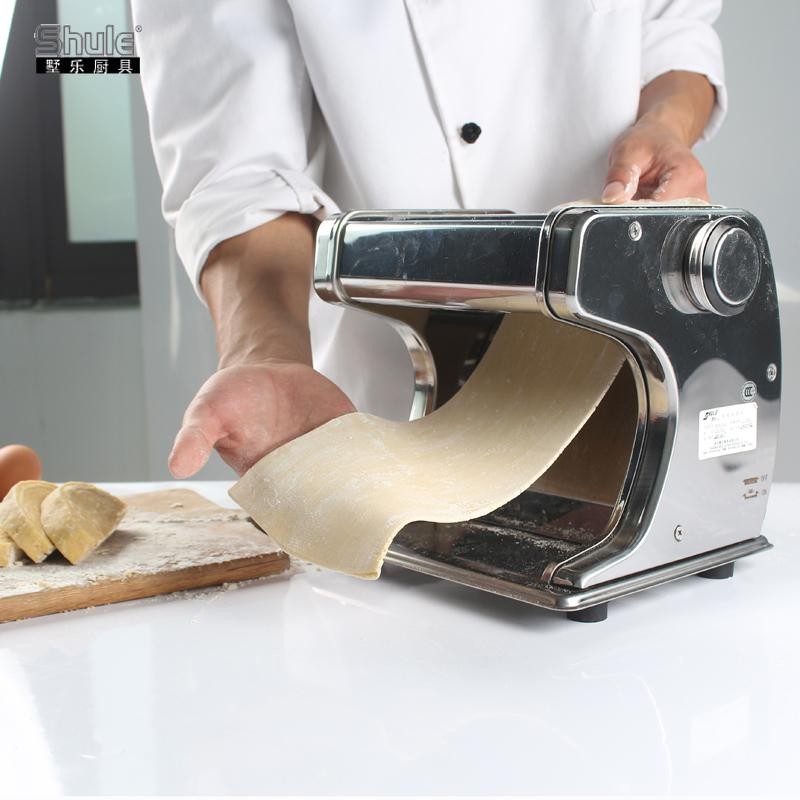
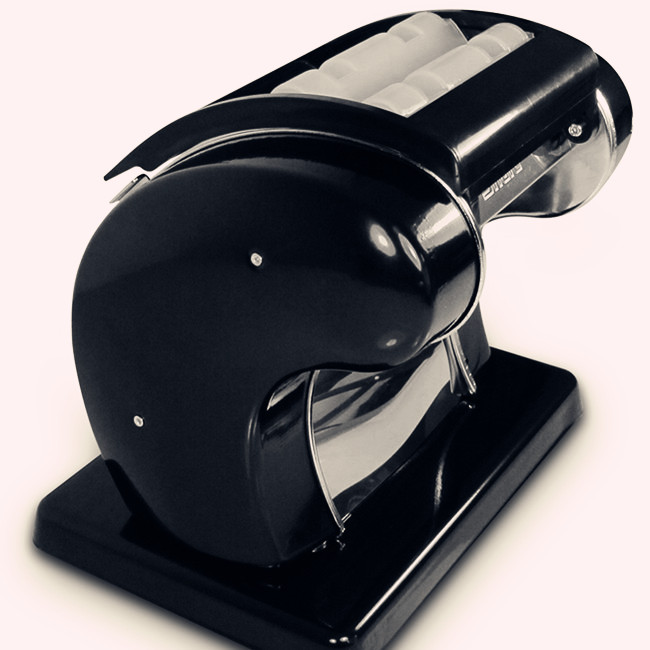
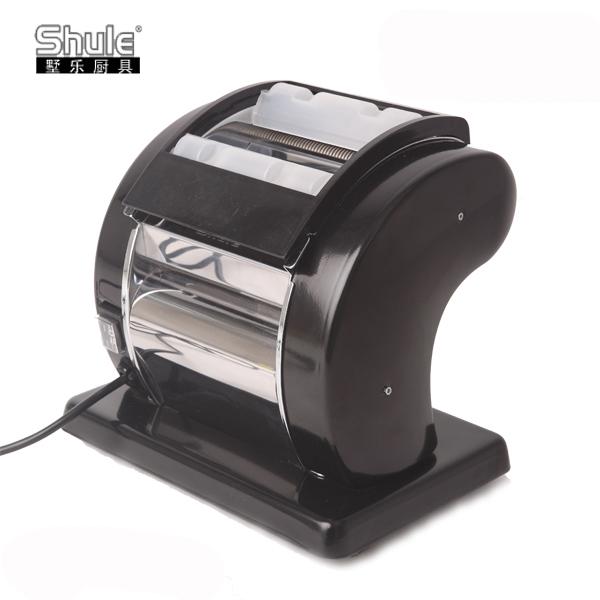
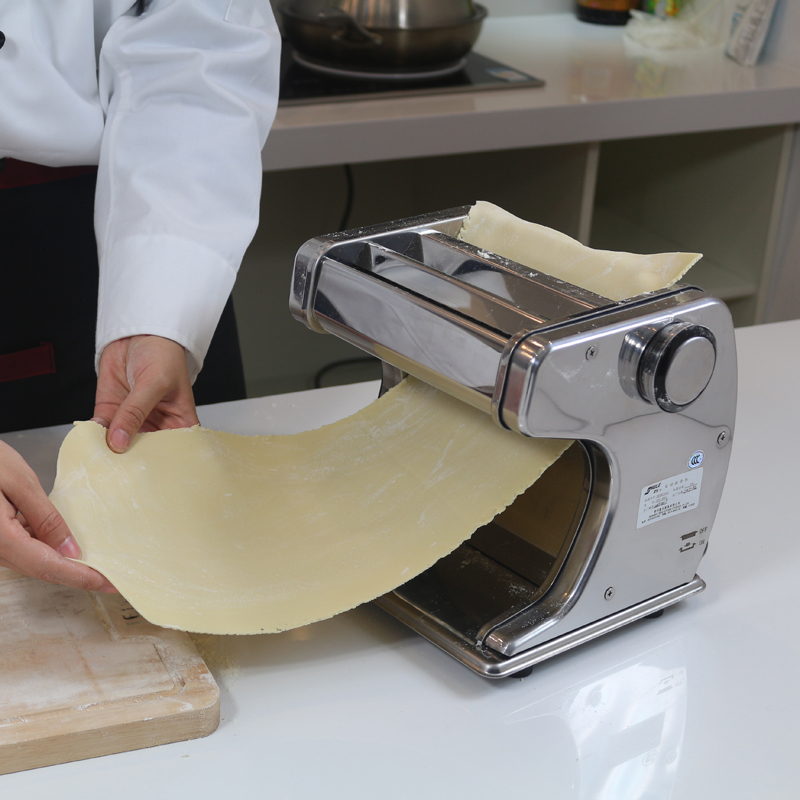
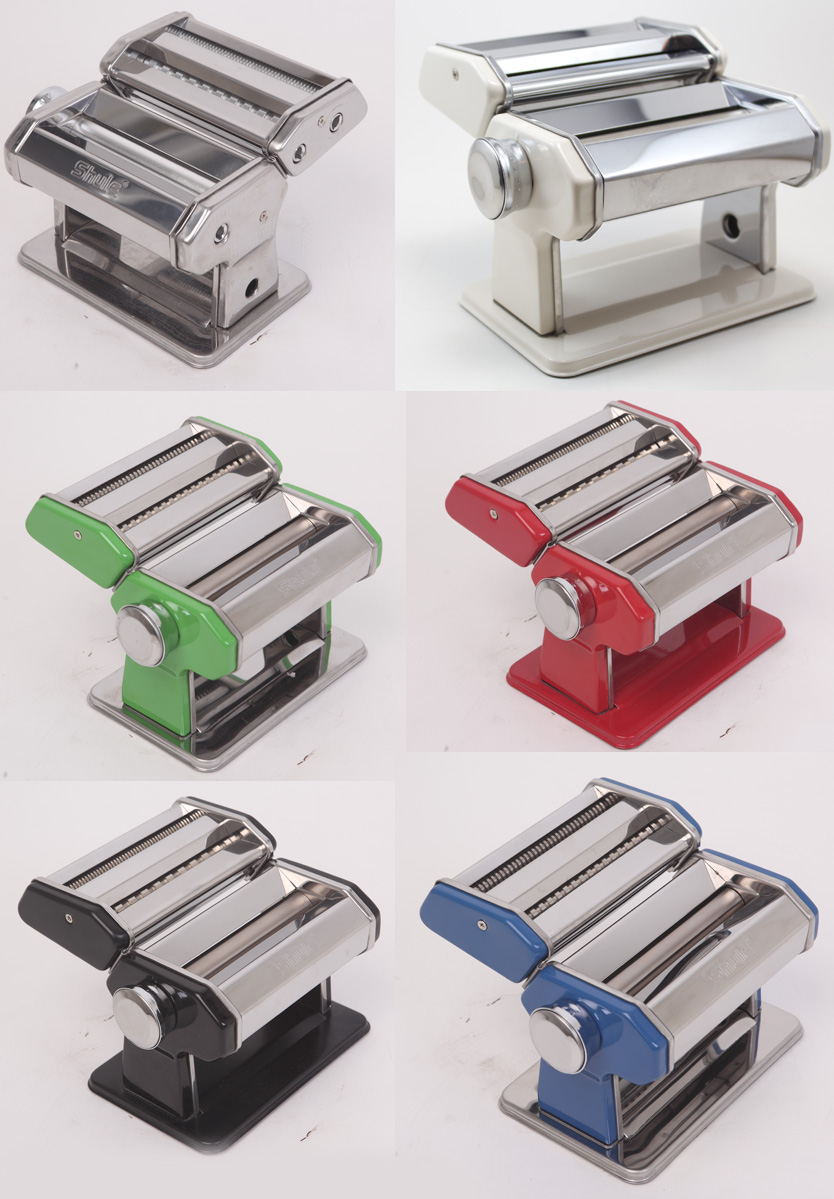
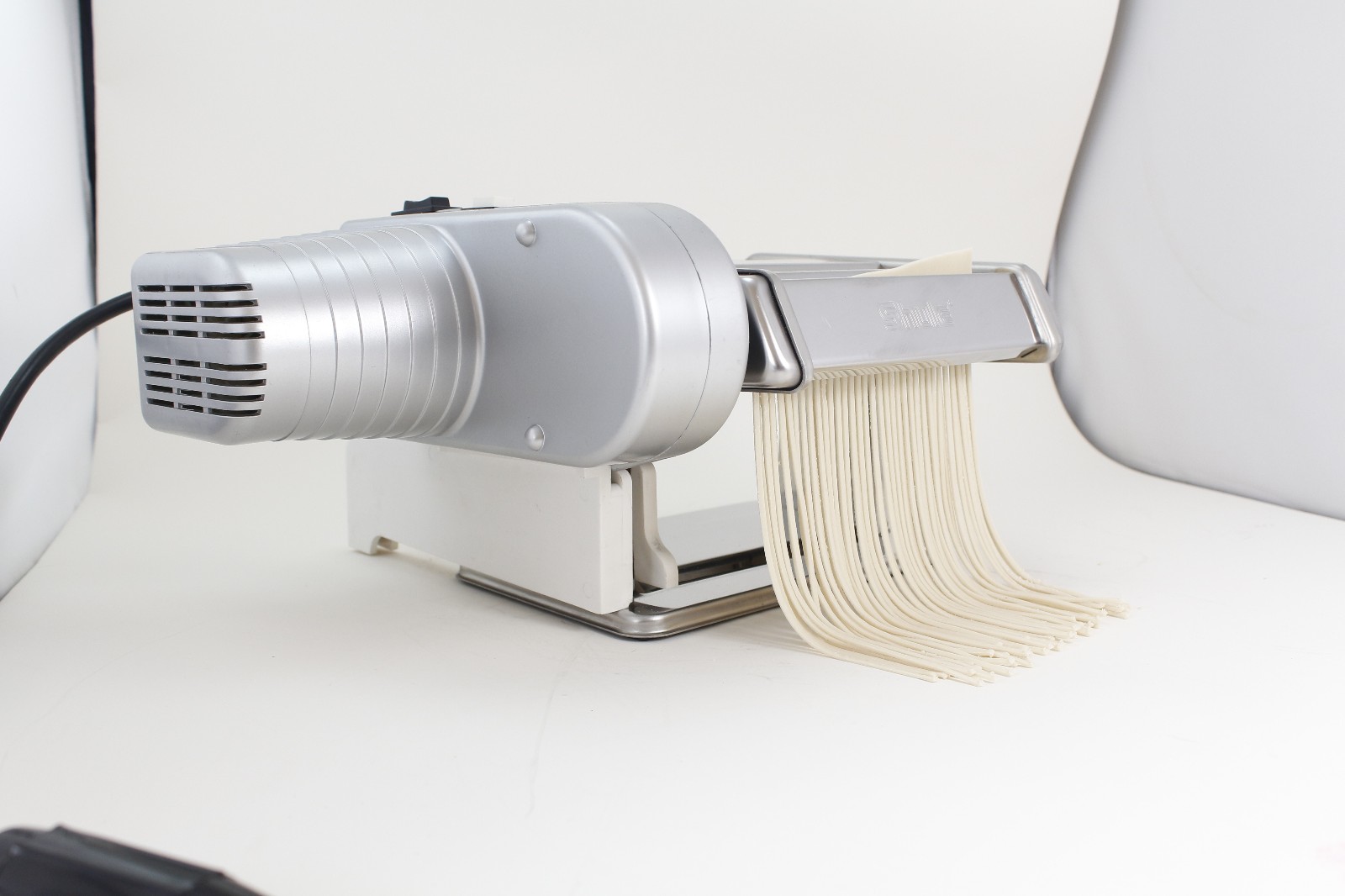
Electric Noodle & Pasta Makers
Source Electric Noodle & Pasta Makers from vetted manufacturers and suppliers. This catalog is built for importers, distributors, and appliance brands seeking bulk wholesale orders or custom OEM/ODM production. Partner directly with reliable factories for scalable, high-quality manufacturing.
Sourcing electric noodle and pasta makers at scale requires balancing motor durability, extrusion force, and strict food-contact compliance. The core manufacturing challenge lies in the drivetrain: the machine must reliably process low-hydration, stiff doughs without stalling the motor or stripping internal gears, all while maintaining a compact footprint for the consumer kitchen.
Core Specifications: Motors and Extrusion Force
The performance of an electric pasta maker hinges on its motor type and gear reduction system. Unlike standard blenders that rely on high-speed rotation, pasta makers require high torque at low speeds to force dough through tight shaping dies.
| Specification | Standard Wholesale Unit | Premium OEM Build |
|---|---|---|
| Motor Type | AC Motor (Brushed) | DC Motor (Brushless / High Torque) |
| Operating Noise | 65 to 75 dB | Under 60 dB |
| Gear Material | Nylon / POM | Metal alloy primary gears |
| Extrusion Force | Approx. 1000N | Over 1500N |
When evaluating factory prototypes, pay close attention to the stall torque. Factories often cut costs by utilizing undersized AC motors paired with all-plastic gearboxes. While this reduces the BOM (Bill of Materials) cost, it leads to high failure rates when end-users attempt to extrude vegetable-infused or gluten-free doughs, which are notoriously dense.
Need help verifying motor specifications and supplier capabilities before committing to a bulk order?
Talk to our teamFood Contact Materials and Compliance
Because the mixing chamber, auger, and shaping discs are under high pressure and in direct contact with wet ingredients, material selection is heavily regulated. Standard plastics can degrade or leach chemicals under the mechanical stress of extrusion.
- Mixing Chamber & Auger: Premium units utilize Tritan (for high transparency and impact resistance) or POM (Polyoxymethylene) for the auger due to its excellent dimensional stability and wear resistance.
- Shaping Discs: Typically POM or reinforced nylon. If you are utilizing OEM/ODM Services to design custom pasta shapes, ensure the tooling accounts for the specific shrinkage rates of these food-grade plastics.
- Regulatory Compliance: Units destined for the US market must pass FDA food contact testing, while European imports require LFGB certification. LFGB is significantly more stringent regarding heavy metal migration and sensory testing.
Coordinating proper Compliance & Testing through accredited third-party labs is essential before mass production begins, as failing a customs inspection for non-compliant food-contact materials results in immediate rejection.
Quality Control on the Assembly Line
Defects in electric pasta makers often manifest under load, meaning standard visual inspections are insufficient. A rigorous Quality Control & Inspection protocol must include functional stress testing.
Dough Hydration Stress Test
Running the machine with a 30 percent hydration dough to verify the motor does not stall and the thermal overload protection functions correctly.
Die Extrusion Tolerance
Inspecting the extruded pasta for tearing or jagged edges, which indicates micro-burrs on the plastic shaping discs from poor injection molding.
Lid Interlock Verification
Ensuring the magnetic or mechanical safety switch immediately cuts power when the mixing lid is opened during operation.
Water Ingress Protection
Testing the control panel and motor housing joints to ensure liquid spills during ingredient loading do not short the PCB.
Pricing, MOQs, and Production Lead Times
Understanding the standard commercial terms in the small kitchen appliance sector helps in planning your supply chain and negotiating effectively.
Pricing is heavily dictated by the motor type, the inclusion of built-in auto-weighing scales (which require precision load cells), and the number of shaping dies included in the box. Custom tooling for proprietary pasta shapes will add upfront costs and extend the initial lead time by 20 to 30 days.
Optimize your unit costs and streamline your appliance supply chain with expert sourcing support.
Get a free consultationBuyer FAQ
Successfully importing electric pasta makers requires a deep understanding of the mechanical forces at play and strict oversight of the materials used. By partnering with factories that prioritize robust gearboxes and compliant food-grade plastics, you can mitigate return rates and build a reliable appliance brand.
Get Sourcing Help for Electric Noodle & Pasta Makers
Tell us your requirements and our experts will connect you with verified manufacturers.