Dump Trucks
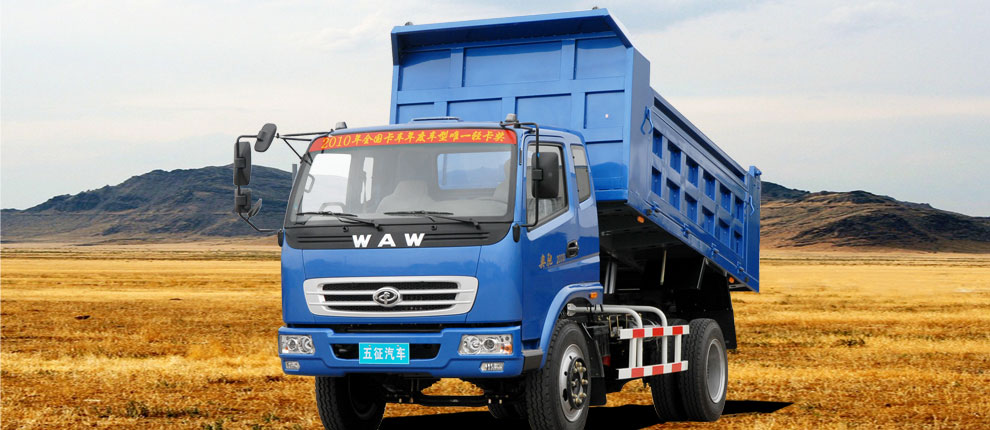
Source high-performance dump trucks directly from vetted manufacturers and assembly plants. Designed for heavy-duty importers, commercial vehicle distributors, and procurement managers, our wholesale catalog features reliable configurations for construction, mining, and municipal applications.
Sourcing commercial dump trucks requires balancing payload capacity, drivetrain reliability, and strict adherence to regional emission standards. For commercial fleet distributors and heavy machinery importers, securing vehicles directly from established assembly plants ensures competitive unit economics, provided the technical specifications align perfectly with the target market's regulatory and operational demands.
Core Specifications and Drive Configurations
The foundation of any dump truck procurement is matching the chassis and drive configuration to the operating environment. Over-specifying increases initial capital expenditure and fuel consumption, while under-specifying leads to premature drivetrain failure in off-road or mining conditions.
Key specification parameters include:
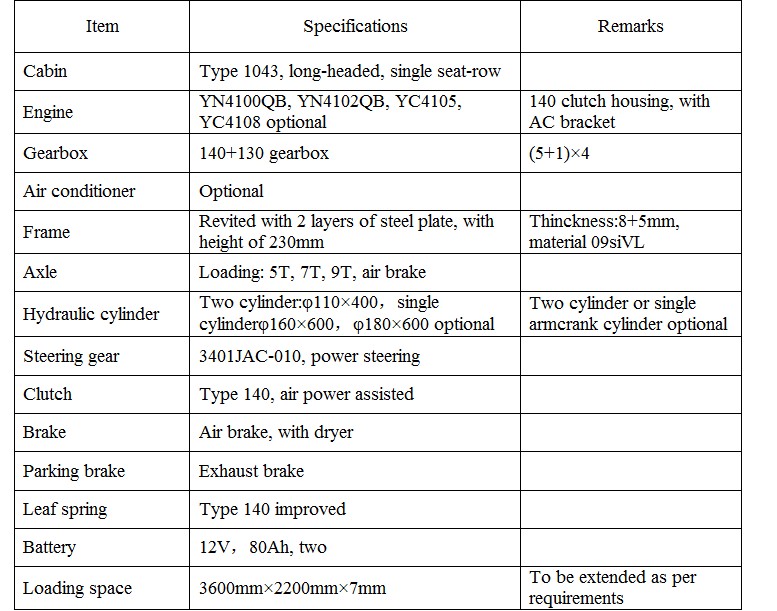
- Engine and Drivetrain: Typically ranging from 290 HP for urban transport to over 420 HP for heavy mining operations. Recognized engine platforms (such as Weichai, Cummins, or Sinotruk) paired with robust transmissions (like FAST gearboxes) dictate long-term reliability.
- Hydraulic Lifting System: The tipping mechanism is a frequent point of failure if poorly specified. Front-lifting systems (often utilizing HYVA cylinders or high-tier domestic equivalents) offer better stability for long cargo boxes compared to middle-lifting configurations.
- Cargo Box Construction: Thickness and material grade of the tipper box (e.g., Q345B high-tensile steel or HARDOX for mining) must be verified. A standard configuration might use 8mm floor and 6mm side walls, but heavy-duty applications require up to 12mm floors.
| Drive Configuration | Typical Payload | Gross Vehicle Weight (GVW) | Primary Application |
|---|---|---|---|
| 4x2 | 10 - 15 Tons | Up to 18 Tons | Urban construction, light materials |
| 6x4 | 20 - 30 Tons | 25 - 33 Tons | Standard construction, highway transport |
| 8x4 | 30 - 45 Tons | 31 - 50 Tons | Heavy mining, large-scale earthmoving |
Need help navigating drivetrain specifications or verifying manufacturer credentials? Our engineering and sourcing teams can ensure your heavy machinery orders meet exact operational requirements.
Talk to our teamManufacturing Quality and Component Verification
Assembly quality separates top-tier manufacturers from unreliable suppliers. While many factories source major components (engines, axles, cabins) from the same tier-1 automotive suppliers, the integration, welding, and chassis reinforcement are where quality is won or lost.
Executing comprehensive Factory Audits before placing an order is non-negotiable. You must assess the manufacturer's frame-pressing capabilities, robotic welding lines, and paint shop quality (electrophoretic coating is standard for rust prevention).
Critical Pre-Shipment Inspection Points
- Hydraulic system stress test: Verify smooth PTO (Power Take-Off) engagement and lifting under simulated load.
- Weld penetration and consistency on the tipper box and sub-frame joints.
- Chassis alignment and suspension bracket integrity.
- Electrical system and pneumatic brake line routing (checking for abrasion risks).
- Verification of VIN plates and engine serial numbers against export documentation.
To prevent receiving vehicles with hydraulic leaks or misaligned chassis, rigorous Quality Control & Inspection must be conducted on the factory floor before the vehicles are driven to the port.
Homologation and Market Compliance
Importing commercial vehicles involves strict regulatory compliance. The most critical factor is the emission standard. Many developing markets in Africa, the Middle East, and Southeast Asia still accept Euro II or Euro III engines, which are easier to maintain and more tolerant of lower-quality diesel. However, importing into Europe, parts of Latin America, or Oceania requires Euro V or Euro VI compliance, necessitating complex exhaust after-treatment systems (SCR, DPF).
Additionally, buyers must confirm whether the target market requires Left-Hand Drive (LHD) or Right-Hand Drive (RHD). While LHD is standard in China, most major manufacturers can produce RHD configurations, though this may impact lead times and require specific Compliance & Testing documentation (such as e-Mark, DOT, or GCC certifications).
Lead Times, MOQs, and Heavy Freight
Unlike consumer goods, dump trucks have low Minimum Order Quantities (MOQs) but highly complex logistics.
Shipping heavy commercial vehicles requires specialized freight forwarding. The most common and secure method is Ro-Ro (Roll-on/Roll-off) shipping, where the trucks are driven directly onto the vessel. If Ro-Ro capacity is constrained, flat rack containers or bulk cargo vessels are alternatives. Coordinating these shipments, managing port handling to prevent damage, and handling customs clearance requires experienced Shipping & Freight management.
Logistics for heavy vehicles can be volatile. Let our team secure reliable Ro-Ro vessel space and manage your export documentation to ensure smooth port clearance.
Get a free consultationFrequently Asked Questions
When sourcing dump trucks, the initial unit price is only one part of the equation. Total cost of ownership—driven by component reliability, payload efficiency, and maintenance downtime—will ultimately determine the profitability of the fleet. Partnering with a sourcing team that understands automotive engineering and international freight ensures your investment delivers reliable performance in the field.
Get Sourcing Help for Dump Trucks
Tell us your requirements and our experts will connect you with verified manufacturers.