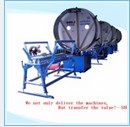
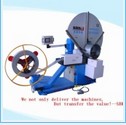
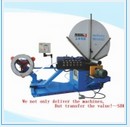
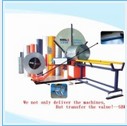
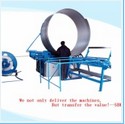
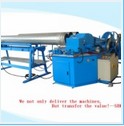
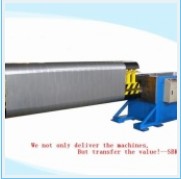
Duct Making Machines
Source industrial-grade duct making machines from vetted suppliers and manufacturers. Designed for importers, wholesalers, and specialized machinery distributors, our network provides bulk purchasing and OEM manufacturing solutions to meet exact production line specifications and international compliance standards.
Sourcing HVAC duct manufacturing equipment requires balancing automation complexity with long-term mechanical reliability. Whether you are procuring high-volume auto duct lines, spiral tube formers, or specialized lock forming machines, the primary challenge lies in verifying the supplier's ability to integrate heavy-duty metallurgy with precise, stable electronic control systems.
Core Specifications for Duct Production Lines
When evaluating manufacturers, the distinction between a machine that runs for a decade and one that suffers constant downtime usually comes down to component selection and material capacities. Buyers must clearly define the operational parameters before requesting quotations.
- Sheet Metal Capacity: Standard machines are typically calibrated for galvanized steel ranging from 0.4mm to 1.2mm. If your end-users process stainless steel, the machine requires hardened rollers and upgraded hydraulics, as stainless steel demands significantly higher shear and forming force.
- Operating Speed: A standard auto duct line should comfortably maintain a feeding speed of 15 to 20 meters per minute.
- Control Systems (PLC & HMI): The brain of the machine dictates precision. Top-tier Chinese manufacturers will utilize genuine PLC systems from brands like Siemens, Mitsubishi, or Delta, paired with reliable servo motors (e.g., Yaskawa).
Need help verifying if a factory's technical specifications meet your market's heavy-duty requirements? Let our engineering sourcing team review your requirements.
Discuss your machinery specs| Component | Standard Export Grade | Premium / Heavy-Duty Grade |
|---|---|---|
| Rollers & Blades | GCr15 steel | Cr12MoV (Quenched & Tempered) |
| Control System | Domestic PLC / Stepper Motors | Mitsubishi/Siemens PLC / Servo Motors |
| Hydraulic System | Standard domestic valves | Rexroth or equivalent imported valves |
| Frame Construction | Standard welded steel | Heavy steel plate with stress-relief annealing |
Manufacturing Integrity and Quality Control
The visual appearance of industrial machinery can be deceiving. A fresh coat of industrial paint can hide poor weld penetration or lightweight frame construction that will warp under continuous vibration.
Before committing to a high-value machinery order, conducting thorough Factory Audits is essential. You must verify that the supplier actually mills their own frames and assembles the machines in-house, rather than just acting as a trading company marking up equipment from smaller, undocumented workshops.
Factory Acceptance Testing (FAT) Checklist
Do not authorize final payment until a comprehensive Factory Acceptance Test has been completed. Proper Quality Control & Inspection for duct making machines should always include:
- Continuous run test: Operating the machine for 2 to 4 hours non-stop to monitor hydraulic temperature and servo motor stability.
- Tolerance verification: Measuring the diagonal dimensions of the finished rectangular ducts to ensure strict 90-degree angles.
- Lock seam integrity test: Checking the tightness and uniformity of Pittsburgh locks or snap locks on the formed metal.
- Electrical safety check: Verifying grounding, emergency stop responsiveness, and wire routing compliance.
Buying Mechanics: Lead Times, MOQs, and Cost Drivers
Procuring industrial machinery operates on different fundamentals than standard consumer goods.
Pricing Drivers
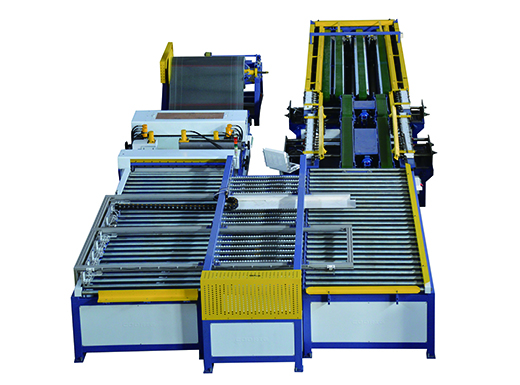
The cost of duct making machinery is highly variable. A basic standalone lock forming machine may cost a few thousand dollars, while a fully automated Duct Line V (which handles uncoiling, leveling, beading, notching, folding, and shearing) can require a six-figure investment. Price fluctuations between suppliers for the seemingly same machine are almost always tied to the origin of the electronic components and the grade of steel used in the forming rollers.
Logistics and Shipping
Duct making machines are heavy, oversized cargo. A full auto duct line will typically require a dedicated 40ft High Cube container, and sometimes Open Top or Flat Rack containers depending on the uncoiler configuration. Coordinating the loading process, securing the machinery against maritime vibration, and managing the customs documentation requires experienced Shipping & Freight management to avoid port delays or transit damage.
Managing cross-border machinery procurement requires strict oversight from factory floor to final delivery. Speak with our sourcing experts to streamline your next equipment purchase.
Talk to our teamFrequently Asked Questions
Securing reliable duct making machines requires looking past the spec sheet and scrutinizing the factory's engineering practices, component supply chain, and quality control rigor. By validating these critical areas before the deposit is paid, buyers can secure high-performance equipment that delivers decades of profitable operation.
Get Sourcing Help for Duct Making Machines
Tell us your requirements and our experts will connect you with verified manufacturers.