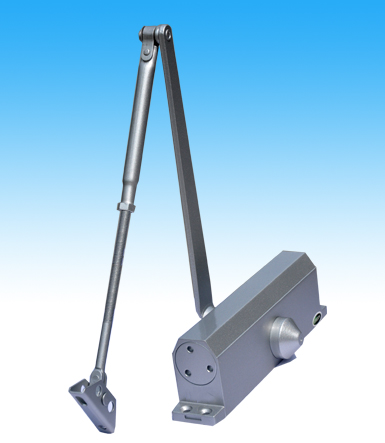
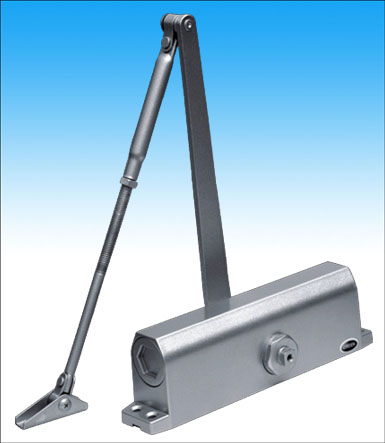
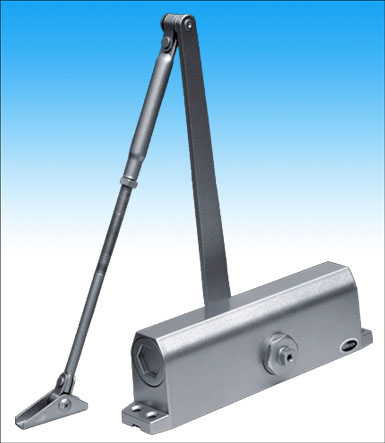
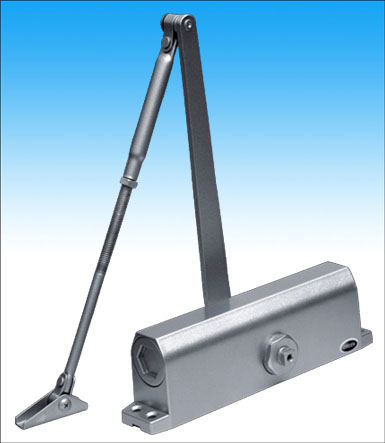
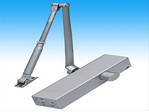
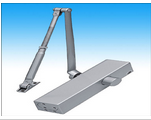
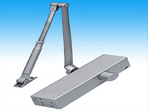
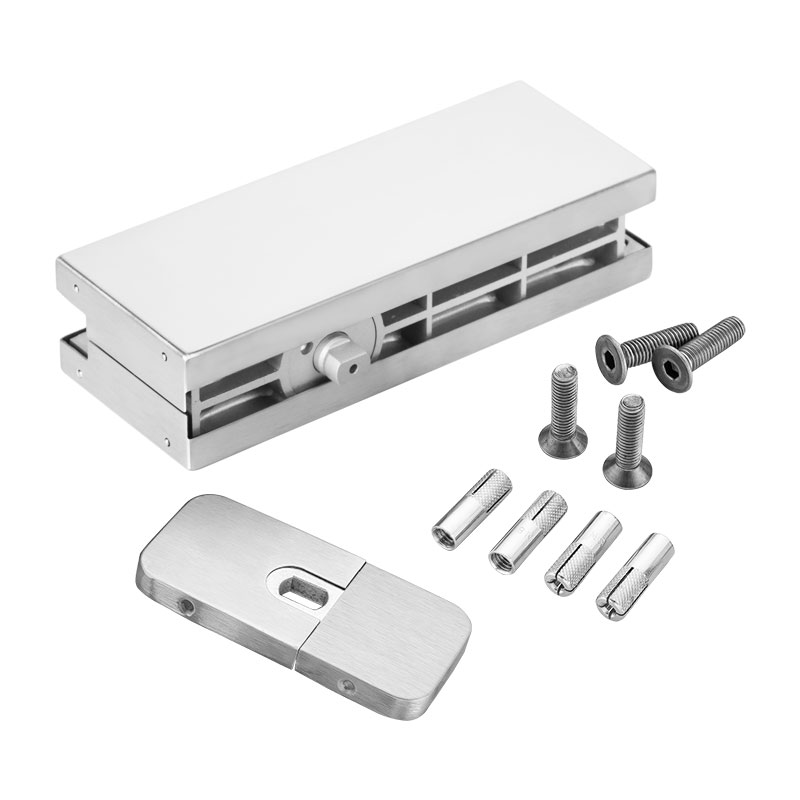
Door Closers
Source commercial and residential door closers directly from vetted manufacturers and suppliers. Designed for importers, wholesalers, distributors, and hardware brands seeking reliable OEM and private-label production in high volumes. Ensure compliance with international fire safety and durability standards.
Sourcing door closers at scale requires balancing unit cost with stringent lifecycle and safety requirements. A door closer is fundamentally a hydraulic machine; its reliability depends entirely on the precision of its internal cylinder, the resilience of its spring steel, and the thermal stability of its hydraulic fluid. For commercial hardware buyers, importing substandard units risks massive liability, especially when fire safety compliance is involved.
Core Specifications and Manufacturing Standards
When evaluating a factory's capability, the bill of materials and machining tolerances separate premium architectural hardware from budget residential units.
Critical Components to Verify
- Body Casting: High-silicon aluminum alloy (ADC12) or cast iron for commercial grades to withstand high internal hydraulic pressures.
- Spring Steel: Oil-tempered silicon chrome steel to prevent fatigue over millions of cycles.
- Hydraulic Fluid: Thermostatically stable oil rated for temperature extremes (typically -45 to 50 degrees Celsius) to prevent seasonal adjustment issues.
- Seals and O-Rings: High-grade nitrile or fluoroelastomer to prevent leaks under continuous pressure spikes.
- Pinion and Rack: Heat-treated carbon steel for wear resistance during rack-and-pinion engagement.
Need to verify a supplier's raw material sourcing and machining tolerances? Let us handle the technical vetting.
Talk to our teamCertifications and Compliance
Door closers are life-safety devices. A factory's claims must be backed by verifiable, third-party testing. If you are importing to North America or Europe, specific certifications are non-negotiable.
| Standard | Region | Key Requirements |
|---|---|---|
| ANSI/BHMA A156.4 | North America | Grade 1 (2 million cycles), Grade 2 (1 million), Grade 3 (500,000) |
| UL 10C / UL 228 | North America | Positive pressure fire tests; mandatory for fire doors |
| CE EN 1154 | Europe | Classification based on usage category, test cycles (500,000), and door mass |
| CE EN 1634 | Europe | Fire resistance and smoke control tests |
Navigating these standards requires rigorous oversight. Utilizing professional Compliance & Testing services ensures your production batch actually meets the standards claimed on the manufacturer's datasheet.
Quality Control on the Factory Floor
The most common defect in imported door closers is hydraulic leakage, which usually stems from poor CNC machining of the cylinder bore or debris left inside the chamber during assembly.
Effective Quality Control & Inspection must involve both in-line checks and pre-shipment verification. Inspectors should look for:
- Torque Testing: Verifying opening force meets ADA compliance (under 5 lbs for interior doors in the US).
- Sweep and Latch Speeds: Ensuring dual-valve adjustments are responsive and do not bypass.
- Leakage Under Stress: Subjecting random samples to accelerated cycle tests and thermal shock to check O-ring integrity.
If you are developing a custom architectural line, leveraging OEM/ODM Services allows you to specify these quality checkpoints directly in your manufacturing agreement.
Typical Pricing, MOQs, and Lead Times
Unit costs are driven by the weight of the metal casting, the grade of the internal components, and the finish (e.g., painted vs. plated architectural covers). Tooling costs for custom covers or specific arm designs typically range from $1,500 to $4,000, depending on complexity.
Struggling to find a manufacturer that meets both your target price and strict ANSI/CE requirements? We can help you source the right factory.
Get a free consultationBuyer FAQ
Successfully importing commercial door closers requires looking past the polished exterior to verify the engineering and machining quality inside the cylinder. Partnering with experienced sourcing professionals ensures your supply chain delivers consistent, compliant hardware that protects your brand's reputation in the field.
Get Sourcing Help for Door Closers
Tell us your requirements and our experts will connect you with verified manufacturers.