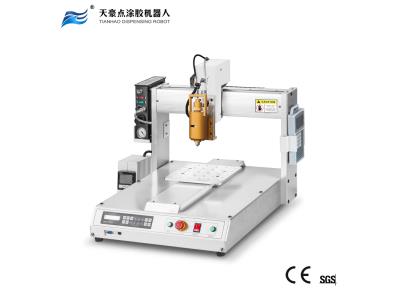
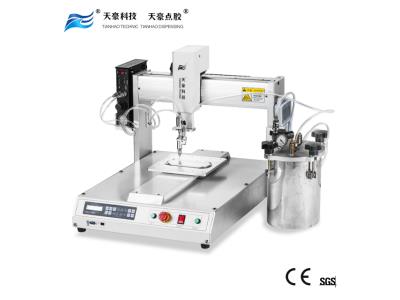
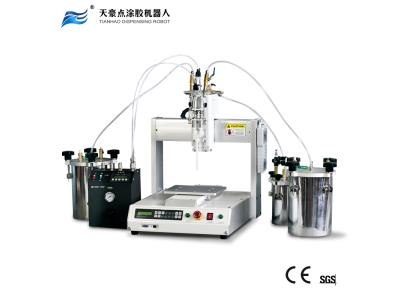
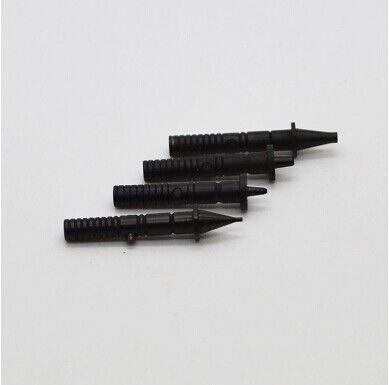
Dispensing Machines
Source industrial dispensing machines from vetted suppliers and manufacturers. Designed for importers, distributors, and electronics brands seeking reliable automated fluid dispensing solutions, our network supports bulk wholesale orders and custom OEM production to meet exact assembly line requirements.
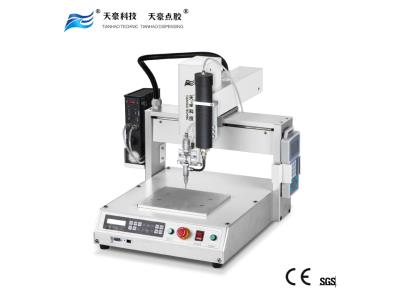
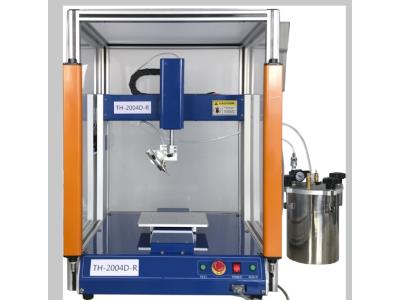
Sourcing dispensing machines for electronics production requires balancing motion precision, fluid compatibility, and seamless integration into existing SMT or assembly lines. Whether you are procuring standalone desktop units for batch PCB potting or inline robotic gantries for high-speed underfill and conformal coating, the manufacturer's core engineering—particularly in motion control and valve technology—dictates the machine's long-term reliability.
Core Specifications and Valve Selection
The most critical decision when specifying a dispensing machine is matching the valve technology to the fluid's viscosity and the required volumetric accuracy. Electronics assembly typically involves solder pastes, thermal greases, UV adhesives, and cyanoacrylates, each demanding specific handling to avoid stringing, tailing, or curing inside the nozzle.
| Valve Technology | Ideal Viscosity | Speed & Precision | Primary Electronics Use |
|---|---|---|---|
| Time-Pressure (Pneumatic) | Low to Medium | Standard precision, moderate speed | General potting, temporary masking |
| Auger (Archimedes Screw) | Medium to High (Pastes) | High precision, slower speed | Solder paste, thermal grease (TIM) |
| Piezoelectric Jetting | Low to Medium | Ultra-high speed, non-contact | Flip-chip underfill, SMD adhesives |
| Positive Displacement | Varying (Two-part epoxies) | High volumetric accuracy | Two-component (2K) potting |
Beyond the valve, the motion platform (the gantry) determines positional repeatability. Standard electronics applications require 3-axis (X-Y-Z) interpolation, while complex 3D assemblies may require 4-axis or 5-axis systems to dispense at angles. Look for systems utilizing closed-loop servo motors with linear encoders rather than open-loop stepper motors, as servos prevent skipped steps during continuous high-speed operation.
Need help vetting manufacturers for high-precision assembly equipment? Let us handle the technical qualification.
Talk to our teamEvaluating Manufacturer Capabilities
Not all automated equipment assemblers have the in-house CNC machining capabilities necessary to produce rigid, vibration-free gantry frames. High vibration during dispensing leads to inconsistent dot sizes and poor line continuity. When assessing potential suppliers, you must look past the spec sheet and examine their manufacturing and calibration processes. Conducting thorough Factory Audits is essential before committing to a capital equipment purchase.
Key Factory Evaluation Criteria
- Gantry construction: Ensure bases are made from heavy cast iron or thick-walled welded steel, not lightweight extruded aluminum.
- Software ownership: Verify if the factory develops its own motion control software or relies on third-party generic controllers.
- Vision system integration: Assess their ability to integrate CCD cameras for fiducial recognition and automatic alignment.
- Calibration equipment: Check if they use laser interferometers to map and compensate for X-Y axis deviations before shipment.
Quality Control and Pre-Shipment Testing
Defects in dispensing equipment often only become apparent when the machine is running at full speed with actual production fluids. Catching issues at the factory floor prevents costly downtime upon installation. Implementing a rigorous Quality Control & Inspection protocol is critical.
Dry Run Motion Testing
Run the machine at maximum specified velocity for 48 hours to check for servo faults, overheating, or excessive vibration.
Positional Repeatability Verification
Use dial indicators or laser measurement to confirm the dispensing head returns to the exact X-Y-Z zero point (typically requiring under 0.02mm variance).
Fluid Dispense Profiling
Test the machine using a dummy fluid of similar viscosity to the intended application. Measure dot consistency, line weight, and check for valve dripping.
Software & I/O Validation
Verify that CAD/Gerber file imports function correctly and that SMEMA communication ports for inline conveyor integration are active.
Typical Pricing, MOQs, and Lead Times
Unlike consumer goods, industrial dispensing machines are built-to-order capital equipment. Pricing is highly dependent on the working area, the number of axes, the inclusion of automated optical inspection (AOI) / vision systems, and the specific valve technology integrated.
Desktop 3-axis systems with basic pneumatic dispensers are highly commoditized and cost-effective. In contrast, inline conformal coating machines or high-speed piezo jetting systems represent a significant capital investment.
Optimize your capital equipment sourcing and negotiate better terms with vetted automation suppliers.
Get a free consultationFrequently Asked Questions
Procuring dispensing machines requires a clear understanding of the fluid mechanics and motion control requirements specific to your assembly line. By focusing on the supplier's engineering depth and enforcing strict pre-shipment performance testing, you can secure equipment that delivers reliable, repeatable results shift after shift.
Get Sourcing Help for Dispensing Machines
Tell us your requirements and our experts will connect you with verified manufacturers.