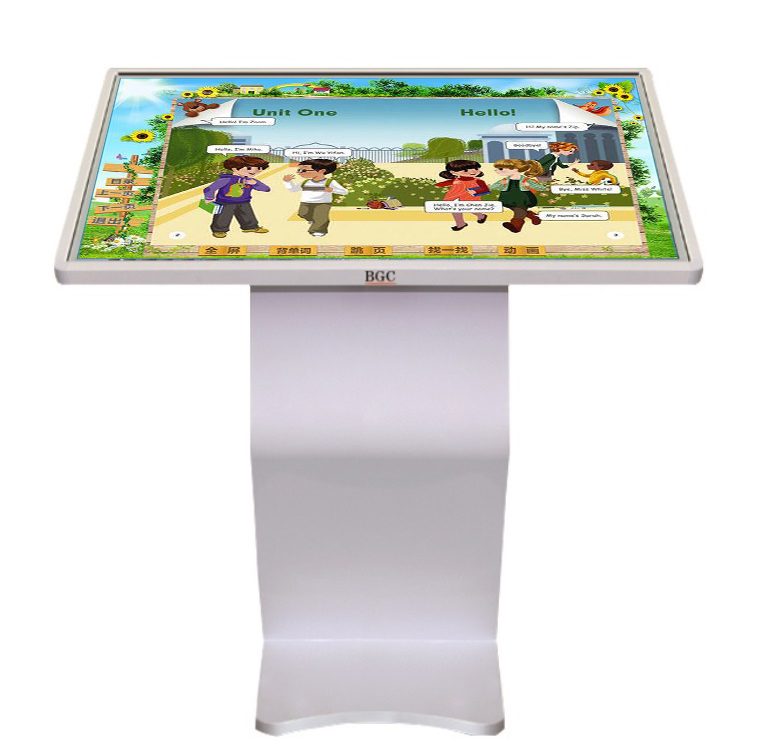
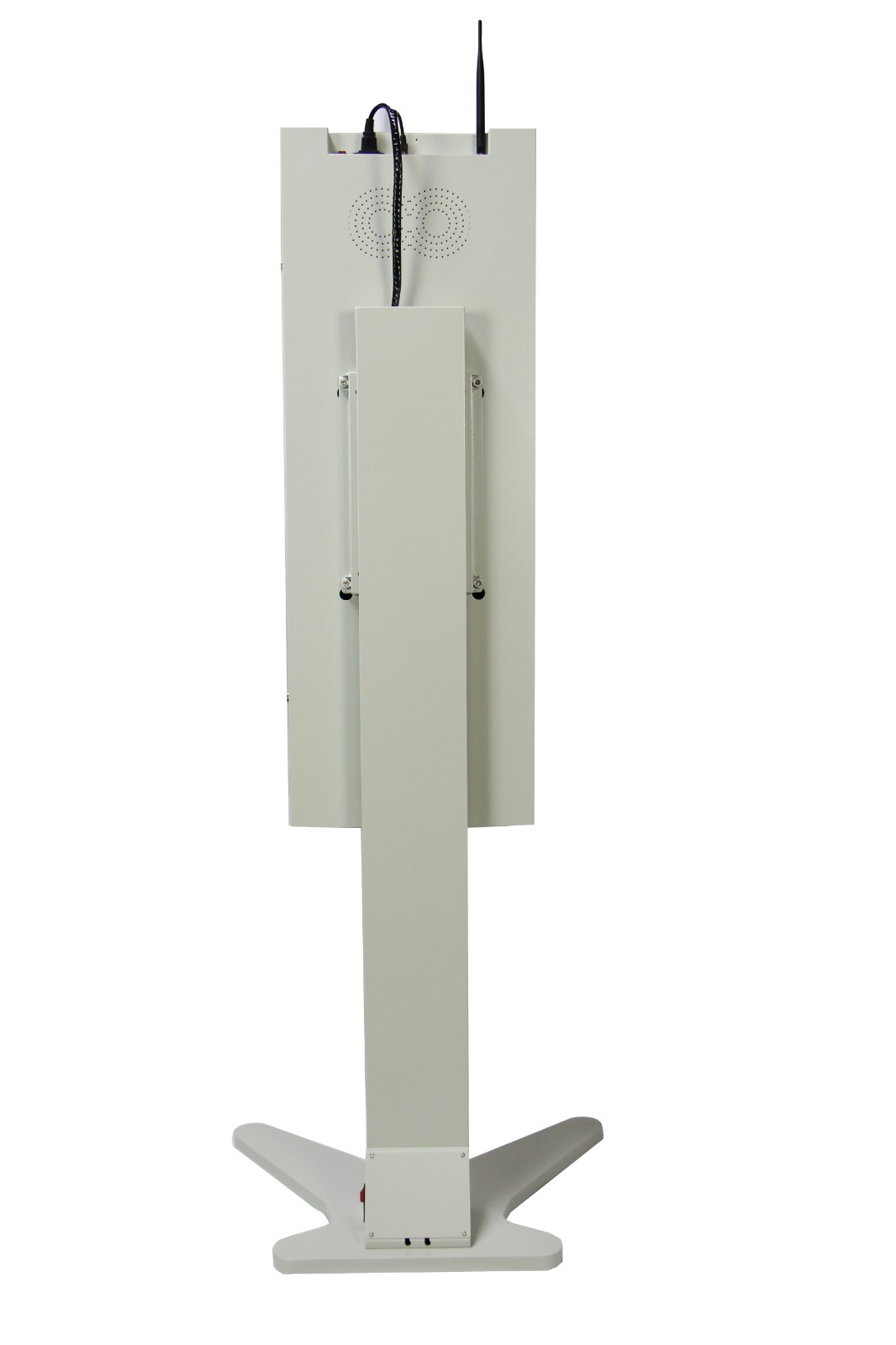
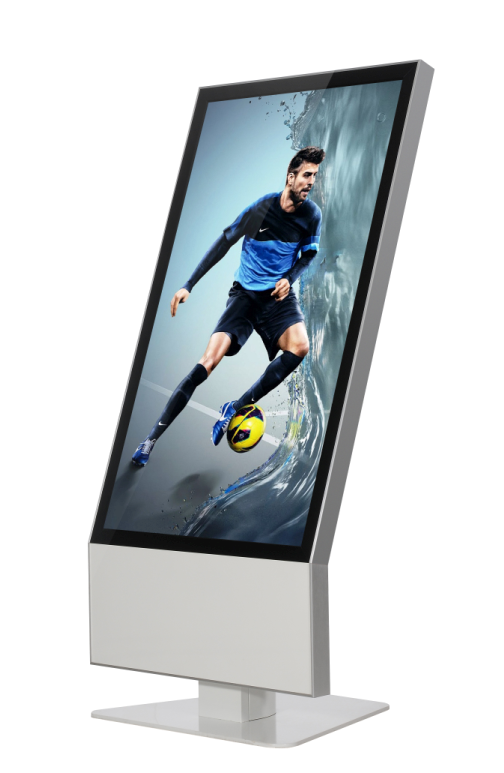
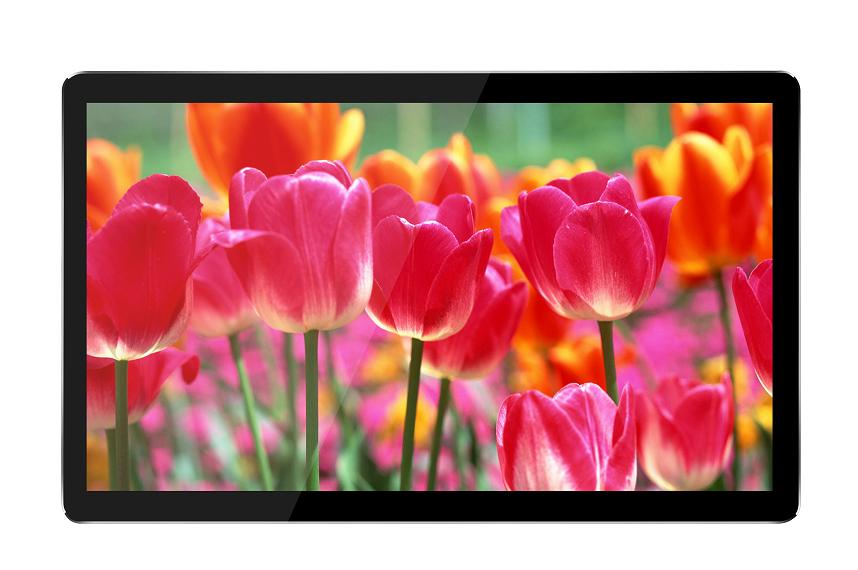
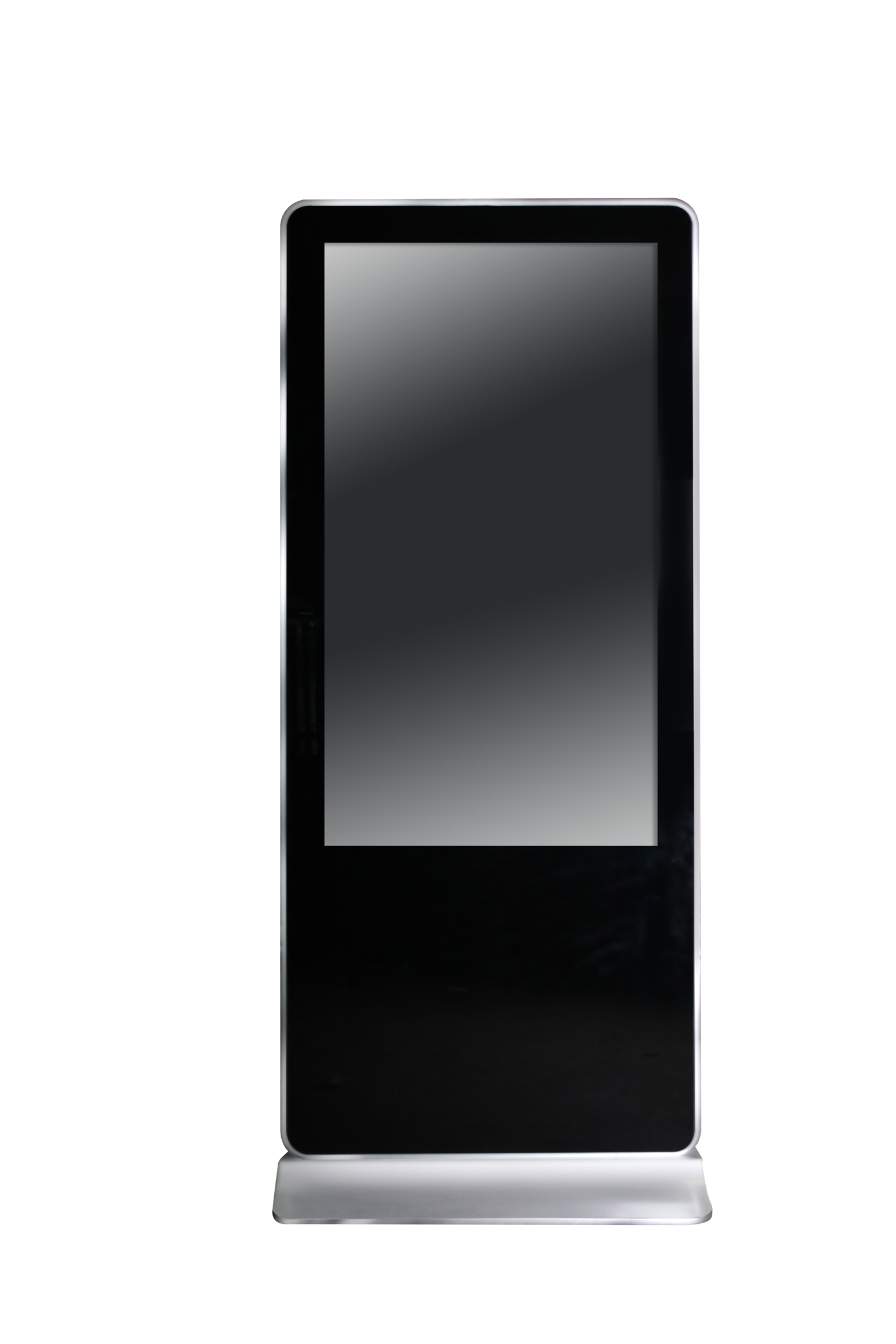
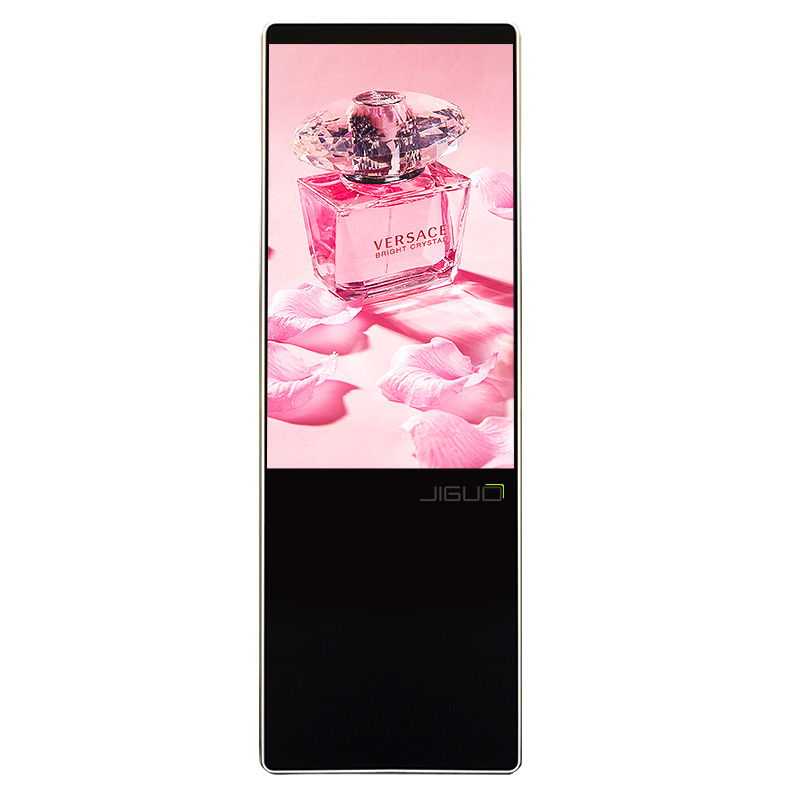
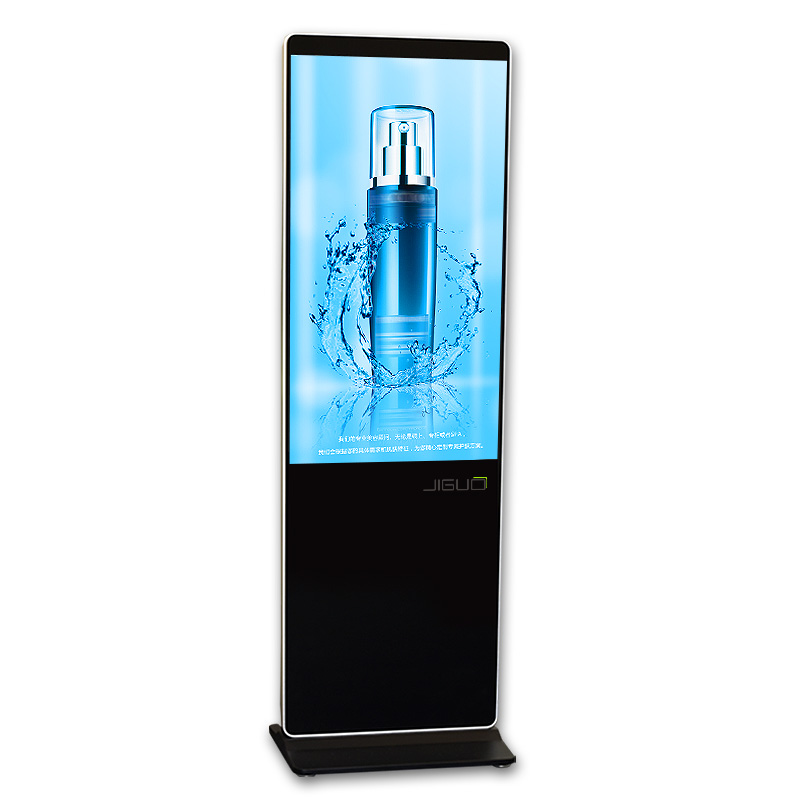
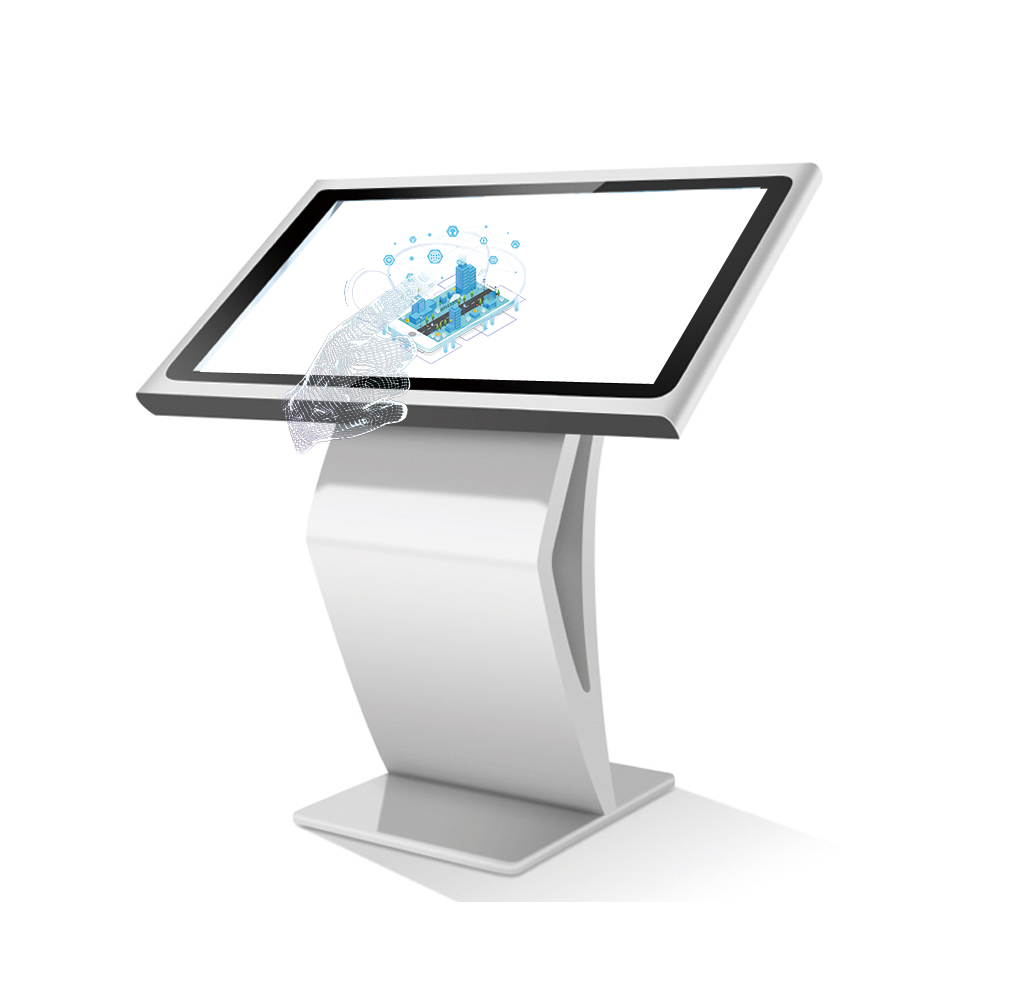
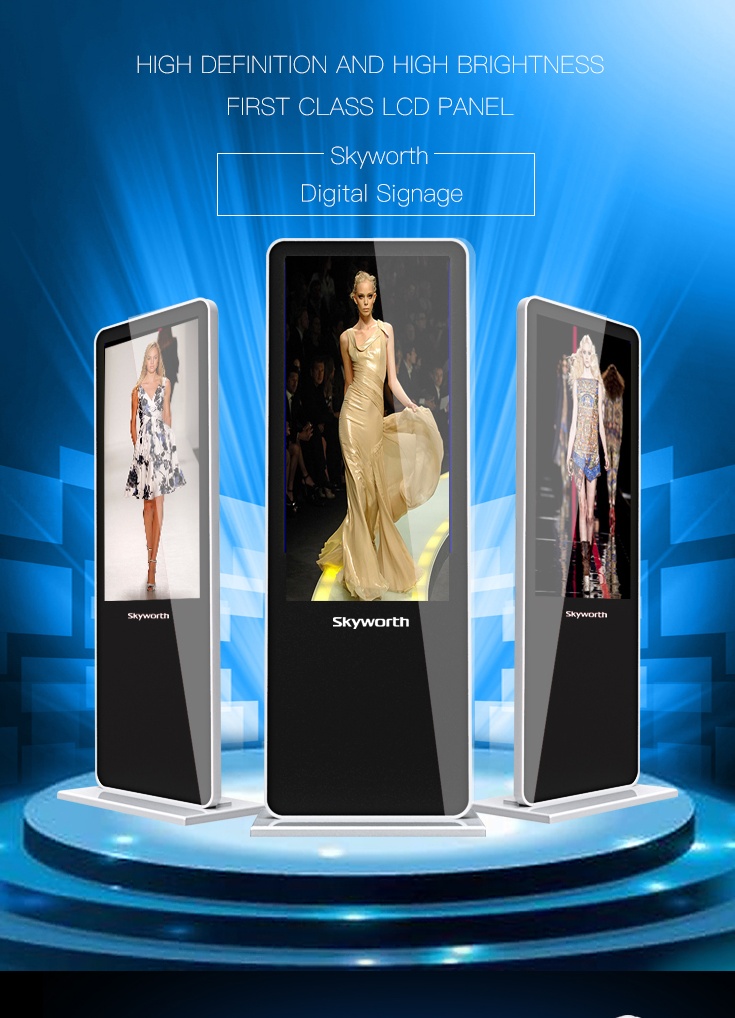
Digital Signage Displays
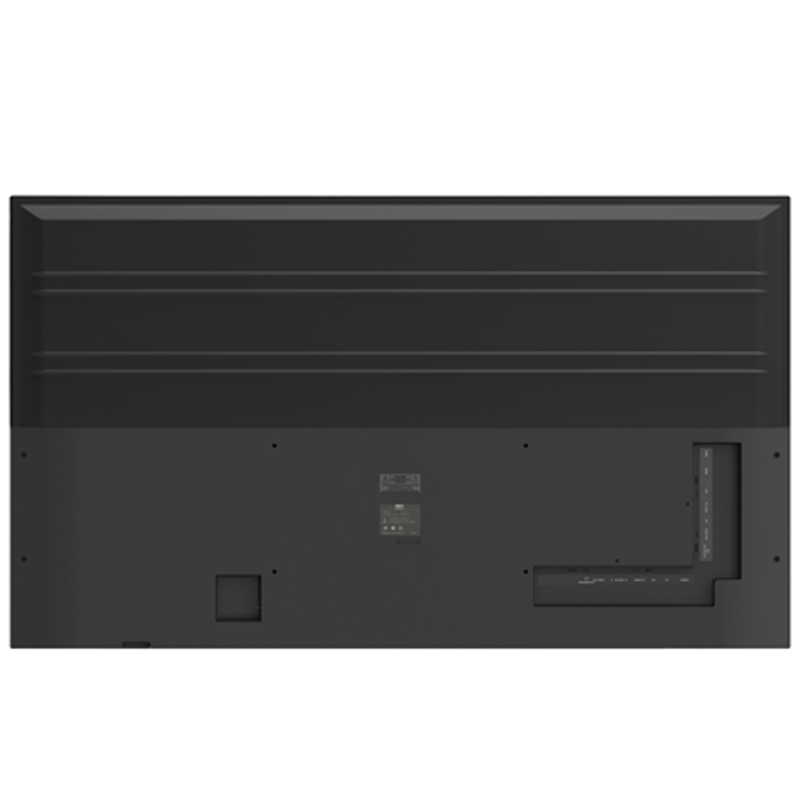
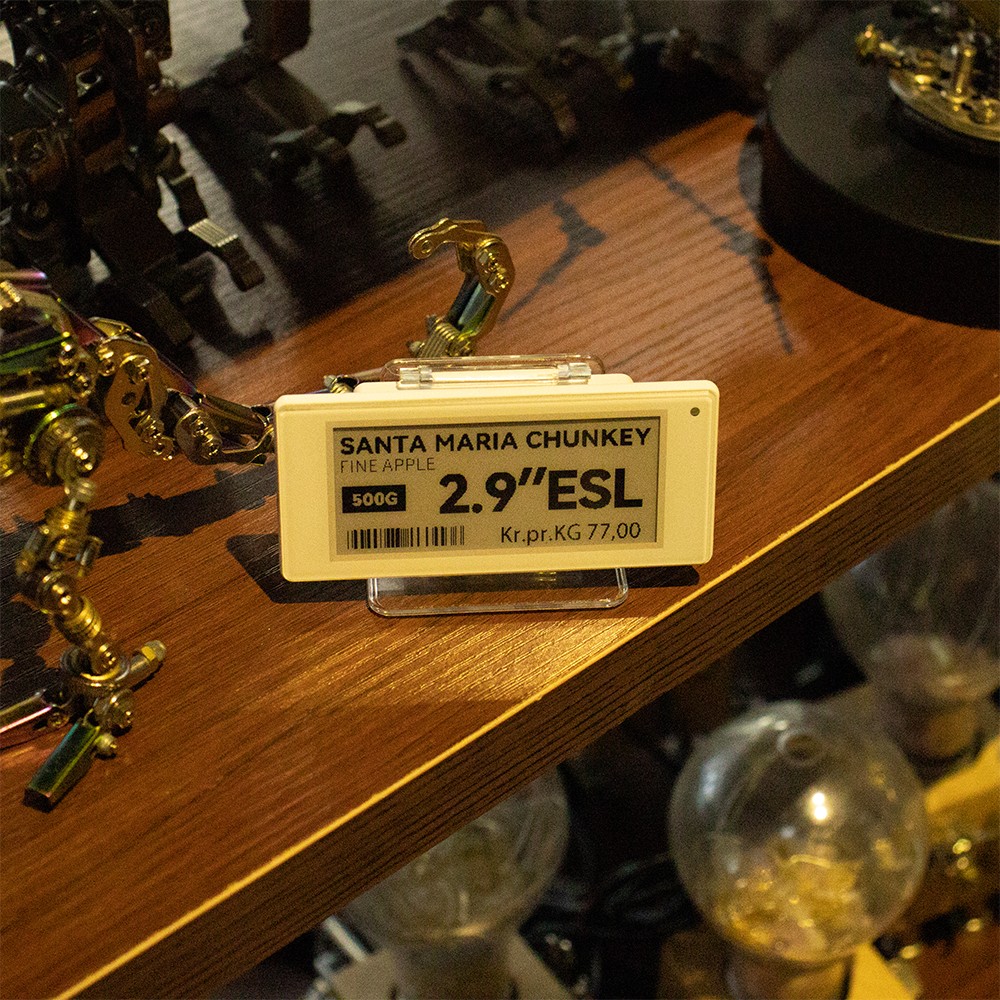
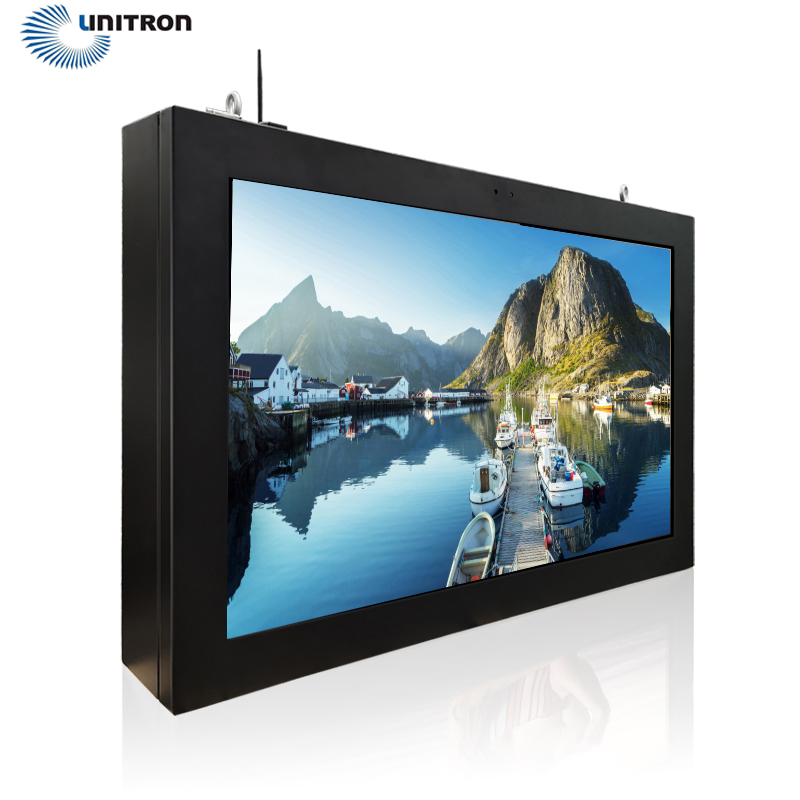
Source commercial-grade Digital Signage Displays directly from vetted manufacturers and wholesale suppliers. Designed for importers, distributors, and brands seeking reliable OEM/ODM production, this selection covers high-brightness, interactive, and large-format panels built for continuous operation and bulk deployment.
Sourcing commercial digital signage displays requires balancing panel longevity, thermal management, and specific environmental requirements. Unlike consumer televisions, commercial displays must handle extended operation—often 24/7—without image retention or component failure. Navigating the supplier landscape means distinguishing between assemblers using B-grade commercial panels and true manufacturers capable of consistent, enterprise-grade production.
Specifying Commercial-Grade Panels
The core of any digital signage unit is the LCD or LED module. When negotiating with manufacturers, specifying the exact panel grade and operating parameters is critical to preventing premature failure in the field.
- Brightness (Nits): Standard indoor displays typically range from 350 to 500 nits. High-ambient light environments require 700 to 1,000 nits, while full outdoor or window-facing displays must exceed 2,500 nits to remain readable under direct sunlight.
- Duty Cycle: Consumer panels are rated for a few hours a day. Commercial signage must be explicitly rated for either 16/7 or 24/7 continuous operation, which requires advanced thermal dissipation and industrial-grade power supplies.
- Panel Technology: IPS (In-Plane Switching) and VA (Vertical Alignment) are common, but for outdoor use, high-TNI (nematic isotropic temperature) liquid crystals are required to prevent the screen from blacking out under solar load.
| Environment | Brightness Required | Typical IP Rating | Thermal Management |
|---|---|---|---|
| Standard Indoor | 350 - 500 nits | IP20 | Passive cooling |
| Window-Facing | 1,000 - 2,500 nits | IP5x | Active fans / High-temp LC |
| Full Outdoor | Over 2,500 nits | IP65 or higher | HVAC / Advanced active cooling |
Struggling to verify panel grades and thermal designs from overseas suppliers? Our engineering team can help you validate specifications and source the right components for your deployment.
Get a free consultationManufacturing Variances and Quality Control
The assembly of digital signage displays involves integrating delicate optical layers, mainboards, and power systems into robust enclosures. Quality control at the factory level is where long-term reliability is secured. Relying solely on final inspection is risky; you need visibility into the production line.
Common production issues include uneven backlight bleeding, improper sealing leading to dust ingress, and poorly applied thermal interfaces. Conducting thorough factory audits before placing high-volume orders ensures the supplier has cleanroom facilities for panel handling and rigorous burn-in testing protocols.
Critical Pre-Shipment Inspection Points
- Burn-in testing verification (minimum 48 to 72 hours at elevated temperatures).
- Uniformity and color calibration checks across the entire panel.
- Thermal imaging to detect hotspots on the power supply and mainboard.
- Ingress protection (IP) verification for outdoor-rated enclosures.
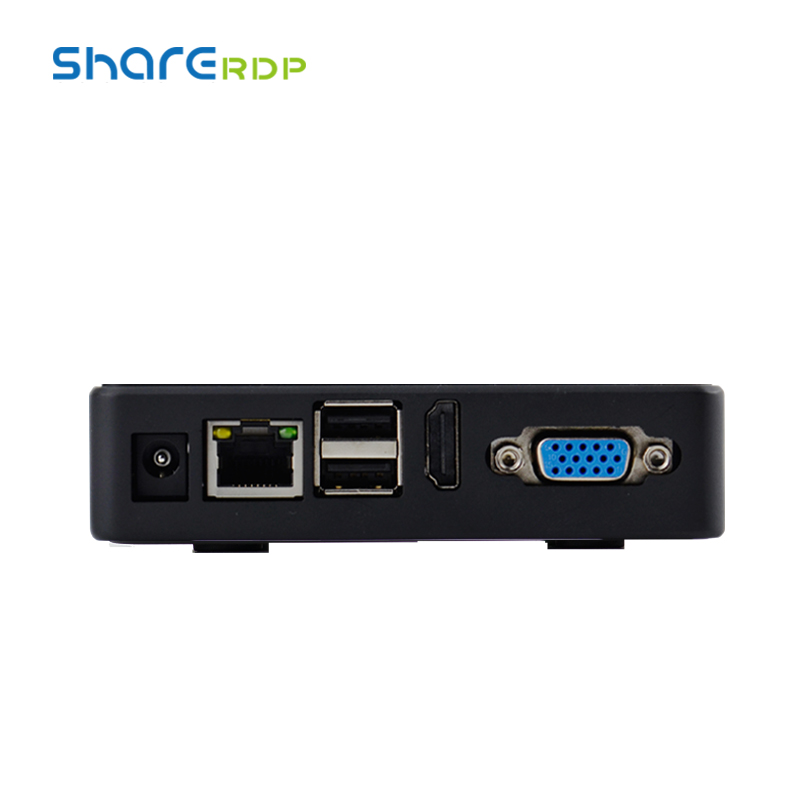
- Media player boot stability and port functionality (HDMI, DP, RJ45).
OEM/ODM Customization and Integration
For brands and integrators, standard off-the-shelf units rarely meet exact project requirements. Partnering with a manufacturer for OEM/ODM services allows for deep customization. This includes custom bezel designs, specialized anti-glare or anti-reflective glass treatments, and integrated System-on-Chip (SoC) media players running specific Android or Windows builds.
Ensure your supplier has in-house R&D capabilities to design custom controller boards and enclosures without compromising thermal efficiency. Specifying the exact RAM, storage, and processor architecture of the internal media player during the quoting phase prevents underpowered units that struggle with high-bitrate video or complex HTML5 content.
MOQs, Pricing Drivers, and Lead Times
Pricing for digital signage is highly volatile, driven primarily by the cost of the raw LCD/LED glass and the complexity of the enclosure.
Volume orders often allow for negotiated component upgrades, such as swapping a standard power supply for an industrial Mean Well unit, without significantly impacting the unit cost. However, custom tooling for unique enclosures or specialized touch overlays will increase upfront costs and extend lead times.
Need accurate pricing and lead times for a custom digital signage rollout? Let us negotiate with vetted manufacturers on your behalf.
Talk to our teamFrequently Asked Questions
Successfully importing commercial digital signage requires strict oversight of component selection, thermal design, and factory assembly processes. A rigorous approach to supplier vetting and inline quality control is the only way to ensure your deployed network remains operational and visually striking for years. If you are scaling your hardware procurement, expert sourcing support can protect your margins and your reputation.
Get Sourcing Help for Digital Signage Displays
Tell us your requirements and our experts will connect you with verified manufacturers.