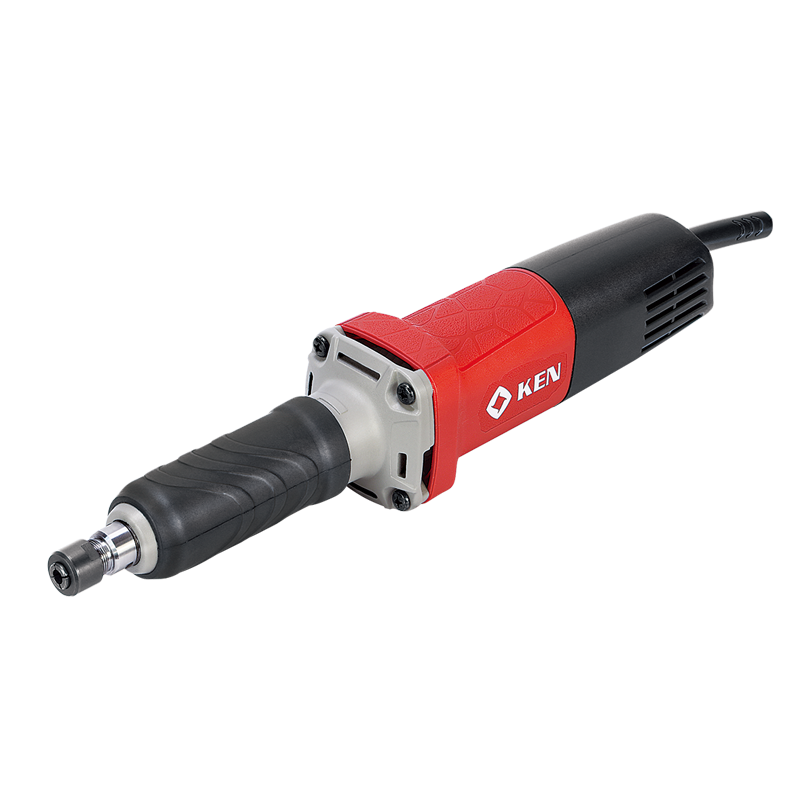
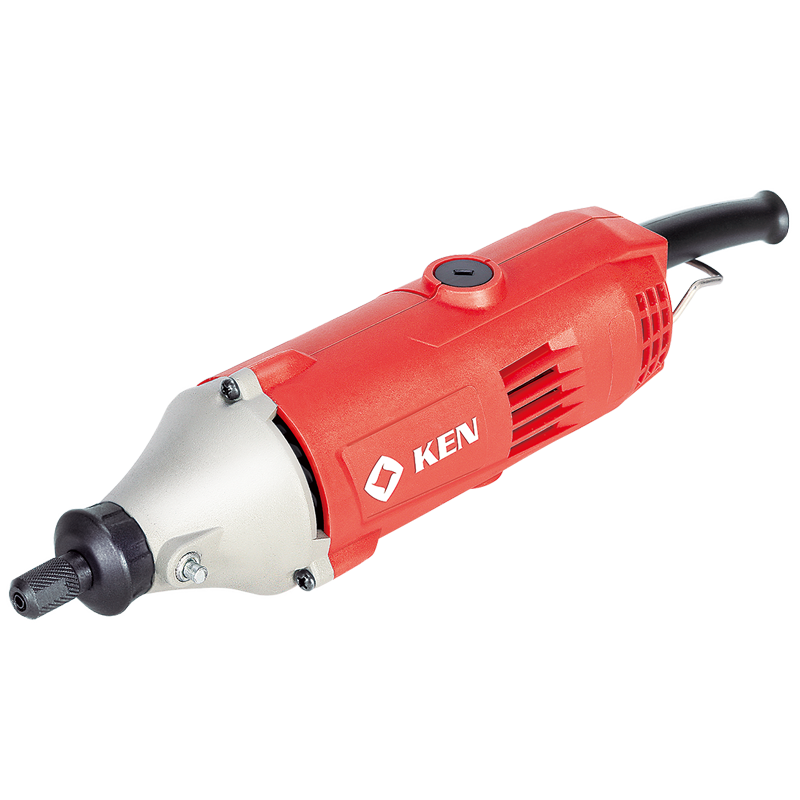
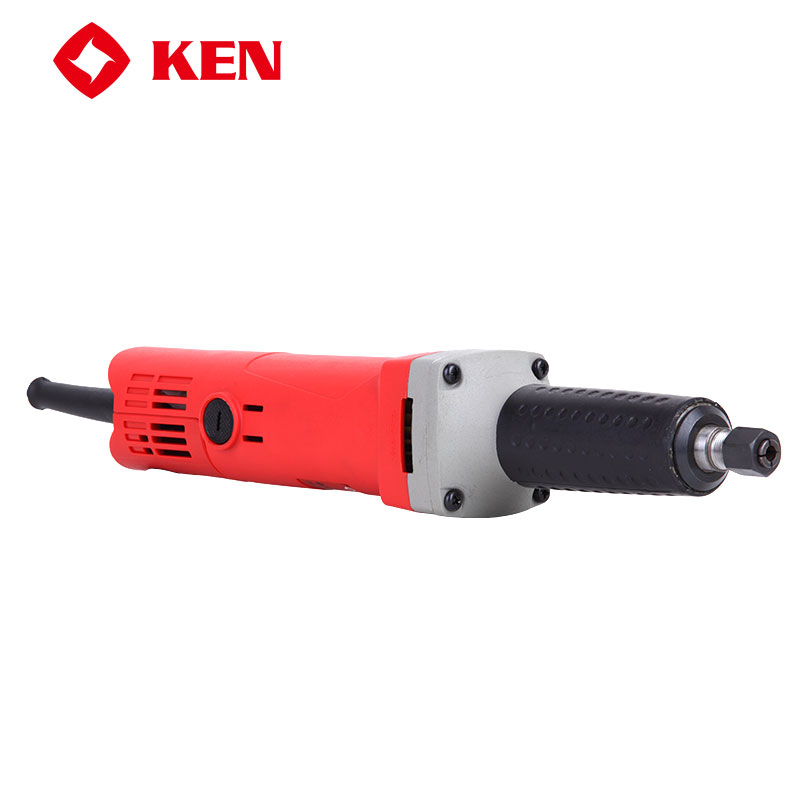
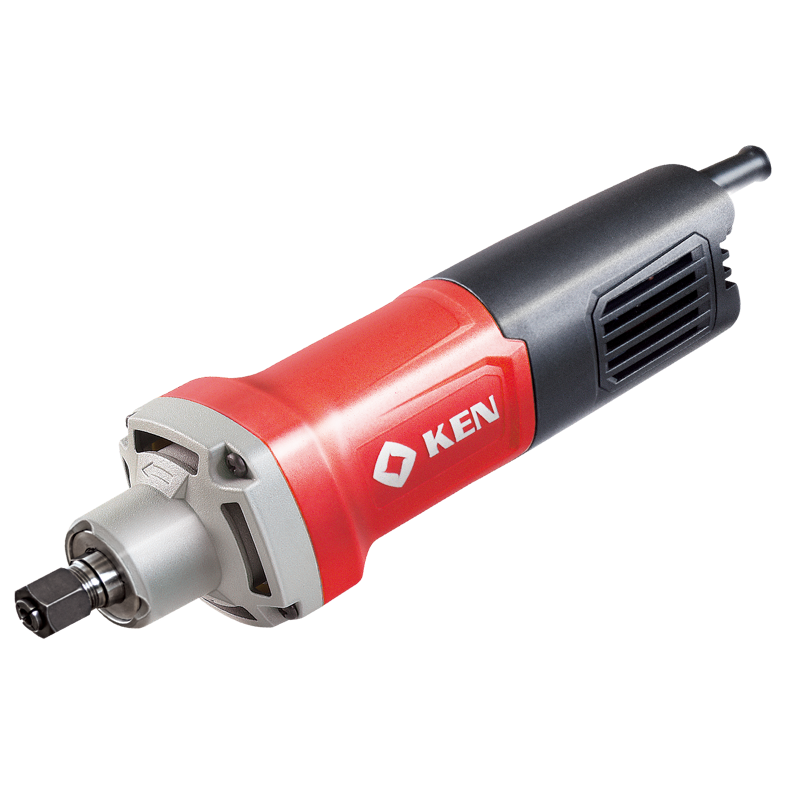
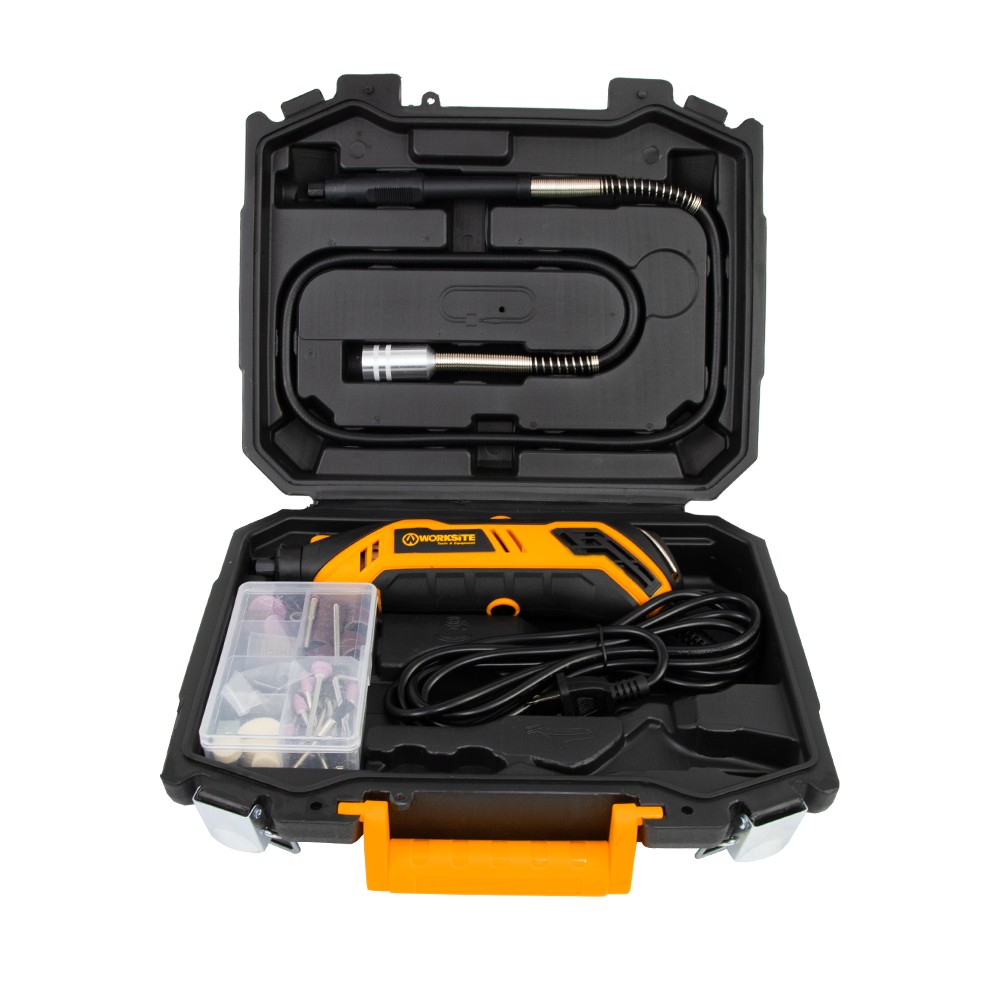
Die Grinders
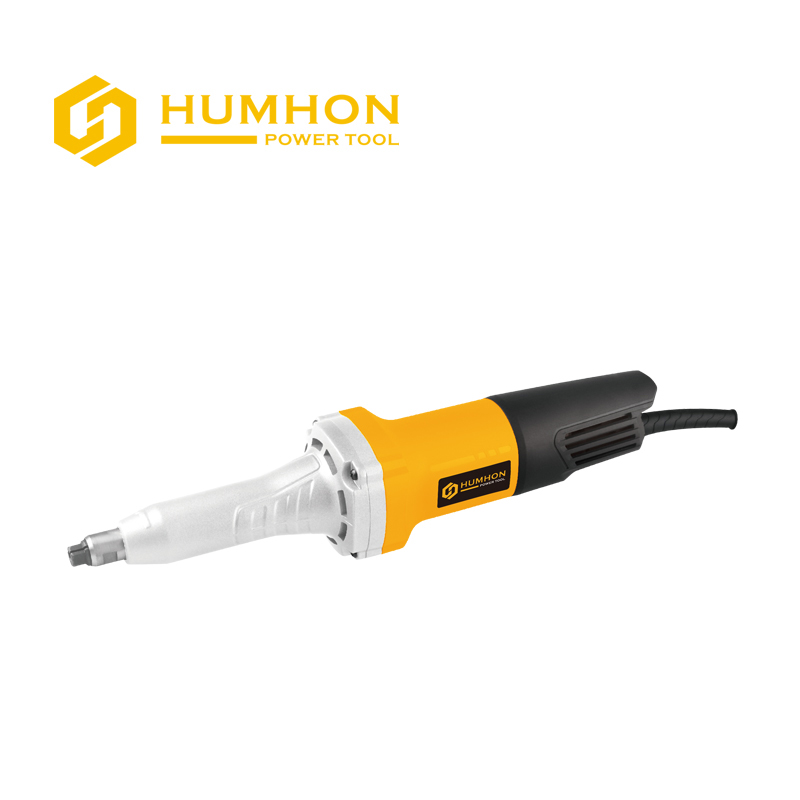
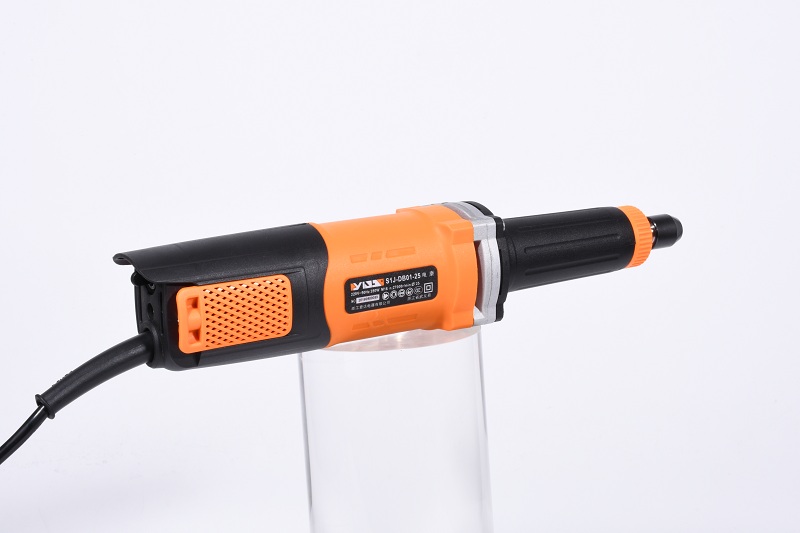
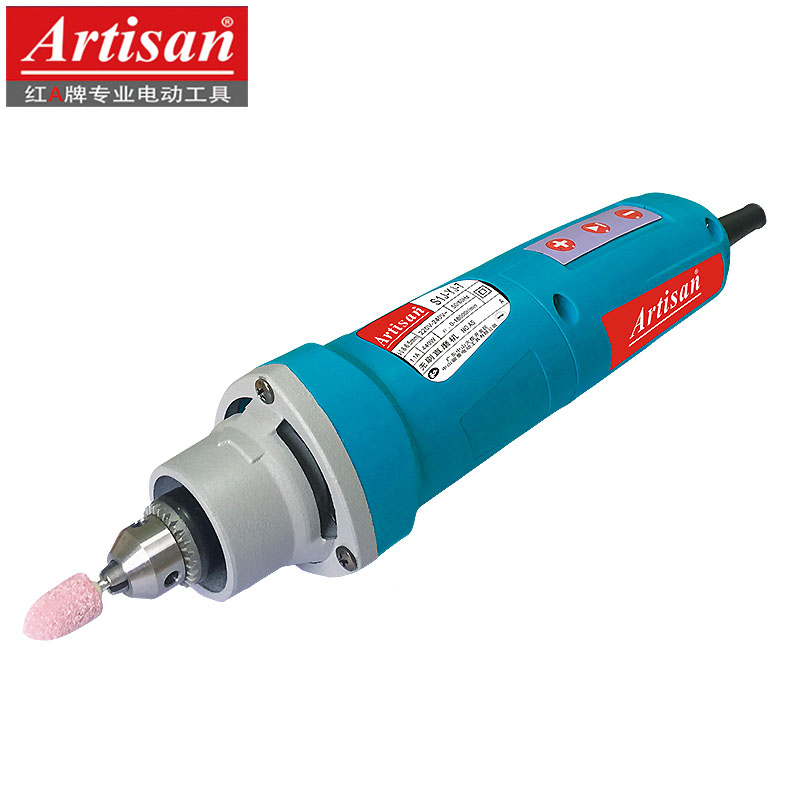
Source high-performance die grinders directly from vetted manufacturers and wholesale suppliers. Built for tool importers, industrial distributors, and brands requiring reliable OEM and private-label production, our network delivers precision engineering, compliance-ready components, and competitive bulk pricing.
Sourcing die grinders at scale requires navigating a highly fragmented market of power tool manufacturers across Asia. Because these tools operate at extremely high speeds, the difference between a professional-grade grinder and a consumer-grade unit lies entirely in the internal engineering: motor winding density, dynamic rotor balancing, and bearing quality. Specifying the right components is critical to ensuring the tool survives heavy industrial or automotive use without overheating or suffering from excessive runout.
Core Specifications for OEM Production
When ordering die grinders in bulk, generic catalog specifications are rarely sufficient. To avoid receiving underpowered or vibrating units, you must define strict tolerances with your manufacturing partner, especially if you are utilizing OEM/ODM Services for a private-label line.
Key Component Drivers
- Motor Type & Armature: For electric models, specify 100 percent copper windings. Cheaper units often mix aluminum, which drastically reduces the tool's duty cycle. For cordless variations, brushless (BLDC) motors are now the industry standard for professional lines, requiring specific controller board (PCBA) programming.
- Bearings: Die grinders rely heavily on their bearings due to high radial loads and speeds. Specify branded, dust-sealed bearings (e.g., NSK, C&U, or equivalent) rather than generic carbon steel alternatives.
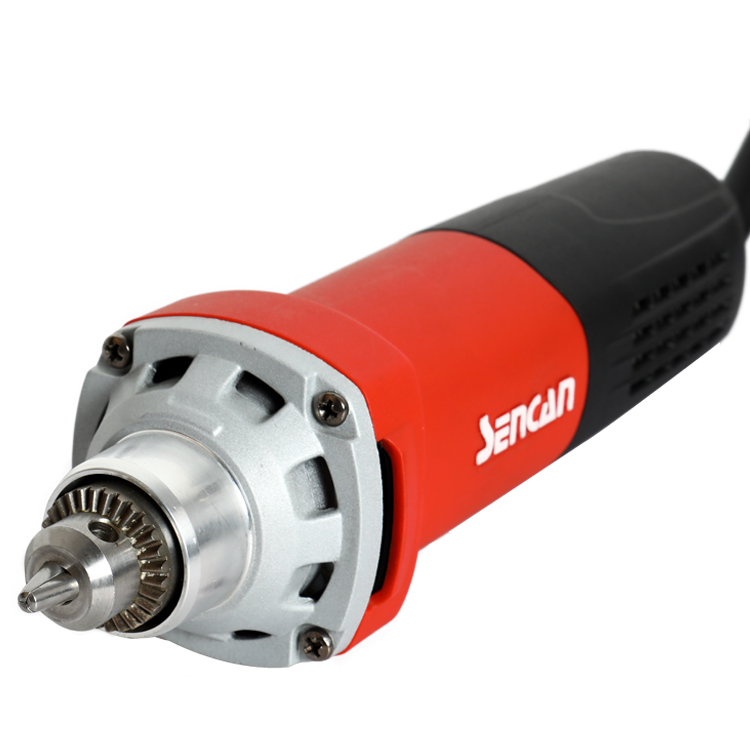
- Collet Precision: The collet (typically 1/4-inch, 1/8-inch, 6mm, or 8mm) must be precision-machined. Poor collet concentricity causes vibration, which accelerates bearing wear and ruins the user's workpiece.
Need help standardizing your power tool specifications? Let us negotiate the technical details with capable manufacturers.
Talk to our teamQuality Control & Factory Verification
The power tool manufacturing hubs in Zhejiang and Jiangsu provinces are dense with assemblers, but true manufacturers with in-house motor winding and balancing capabilities are fewer. Verifying a factory's testing equipment is a crucial part of the sourcing process.
A reliable manufacturer should perform dynamic balancing on every rotor and high-voltage (hipot) testing on every assembled unit. Implementing rigorous Quality Control & Inspection protocols is non-negotiable.
Pre-Shipment Inspection Checklist for Die Grinders
- Collet runout measurement using a dial indicator (must be under specified tolerance).
- Continuous load testing to monitor housing temperature and heat dissipation.
- Hipot testing to ensure electrical insulation safety.
- Teardown inspection to verify bearing brands and copper winding density.
- Switch endurance testing (minimum 10,000 cycles for professional models).
Furthermore, market entry requires strict adherence to regional safety standards. Ensure your supplier can provide valid test reports for CE/EMC, RoHS, or UL/ETL, or work with a partner who can manage Compliance & Testing through accredited third-party labs.
Pricing, Lead Times, and MOQs
Die grinder pricing is highly elastic, driven primarily by the motor architecture and housing materials.
| Tool Class | Typical MOQ | Est. Unit Cost | Key Features |
|---|---|---|---|
| Corded Electric (DIY/Light) | 1,000 - 2,000 | $12 - $18 | Standard bearings, basic ABS housing |
| Corded Electric (Pro) | 500 - 1,000 | $22 - $35 | Sealed bearings, high-temp copper, reinforced nylon |
| Cordless Brushless (Bare Tool) | 500 - 1,000 | $35 - $60+ | BLDC motor, advanced PCBA, vibration damping |
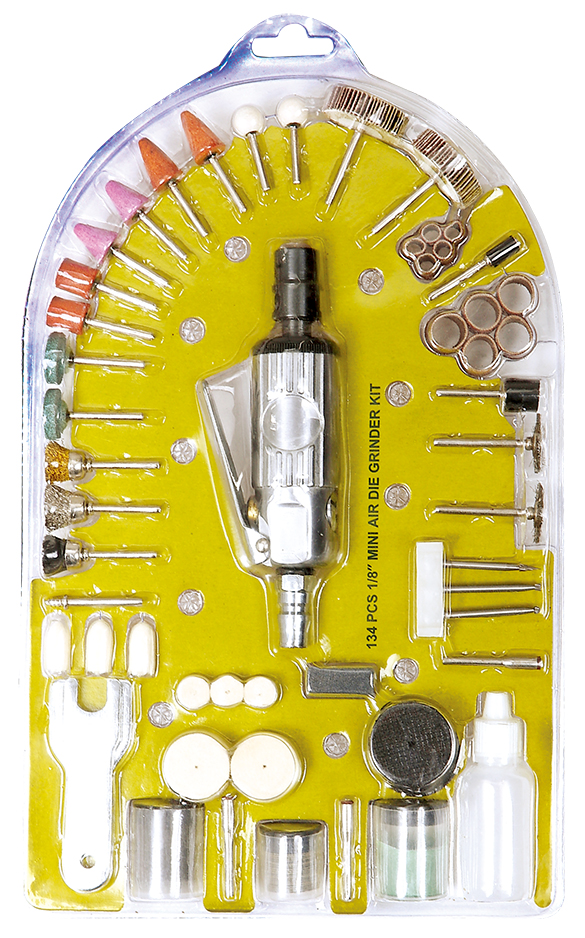
| Pneumatic (Air) | 500 - 1,000 | $15 - $40 | Machined aluminum body, high-grade rotor vanes |
Note: Prices are estimates based on standard market rates and fluctuate with raw material costs (copper, aluminum, plastics).
Lead times for standard OEM orders typically range from 45 to 60 days, accounting for raw material procurement, injection molding for custom housings, and final assembly. If you are developing custom molds for a unique ergonomic grip, add 30 to 45 days to your initial timeline for tooling and sample approval.
Ready to scale your power tool inventory? We manage the entire process from factory sourcing to final delivery.
Get a free consultationFrequently Asked Questions
Selecting the right factory means looking past the showroom and examining their supply chain, assembly lines, and testing equipment. Conducting thorough Factory Audits before placing your first high-volume order is the most effective way to separate genuine manufacturers from trading companies and ensure consistent, professional-grade quality.
Get Sourcing Help for Die Grinders
Tell us your requirements and our experts will connect you with verified manufacturers.