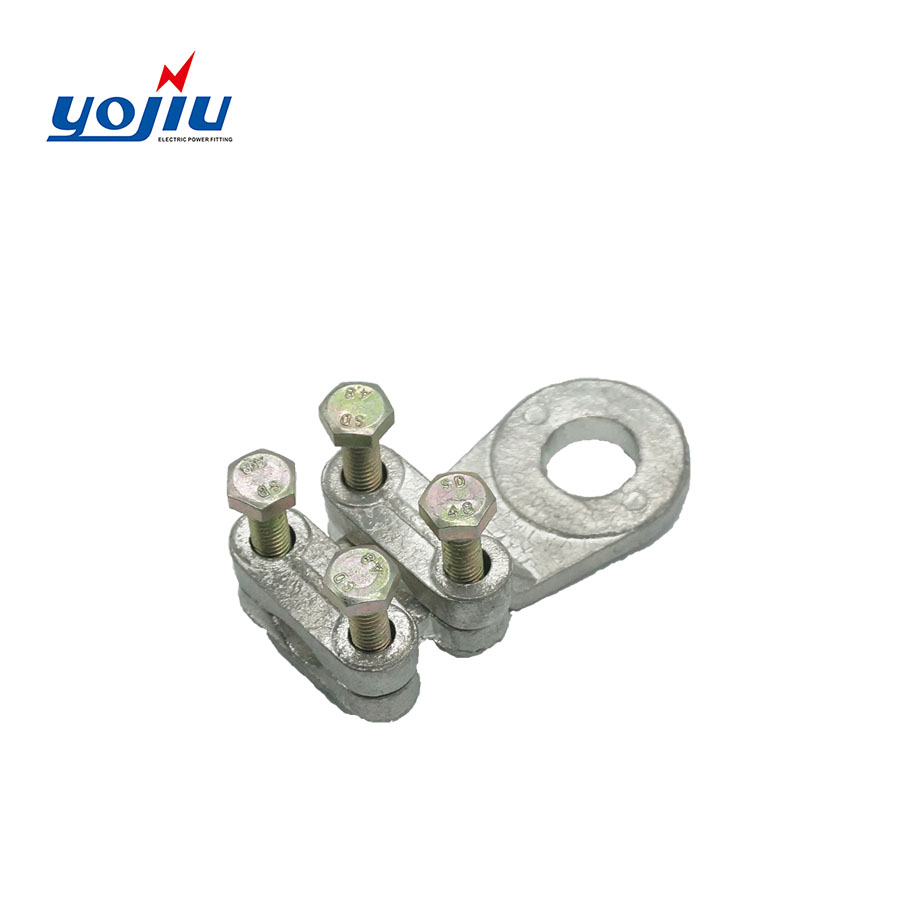
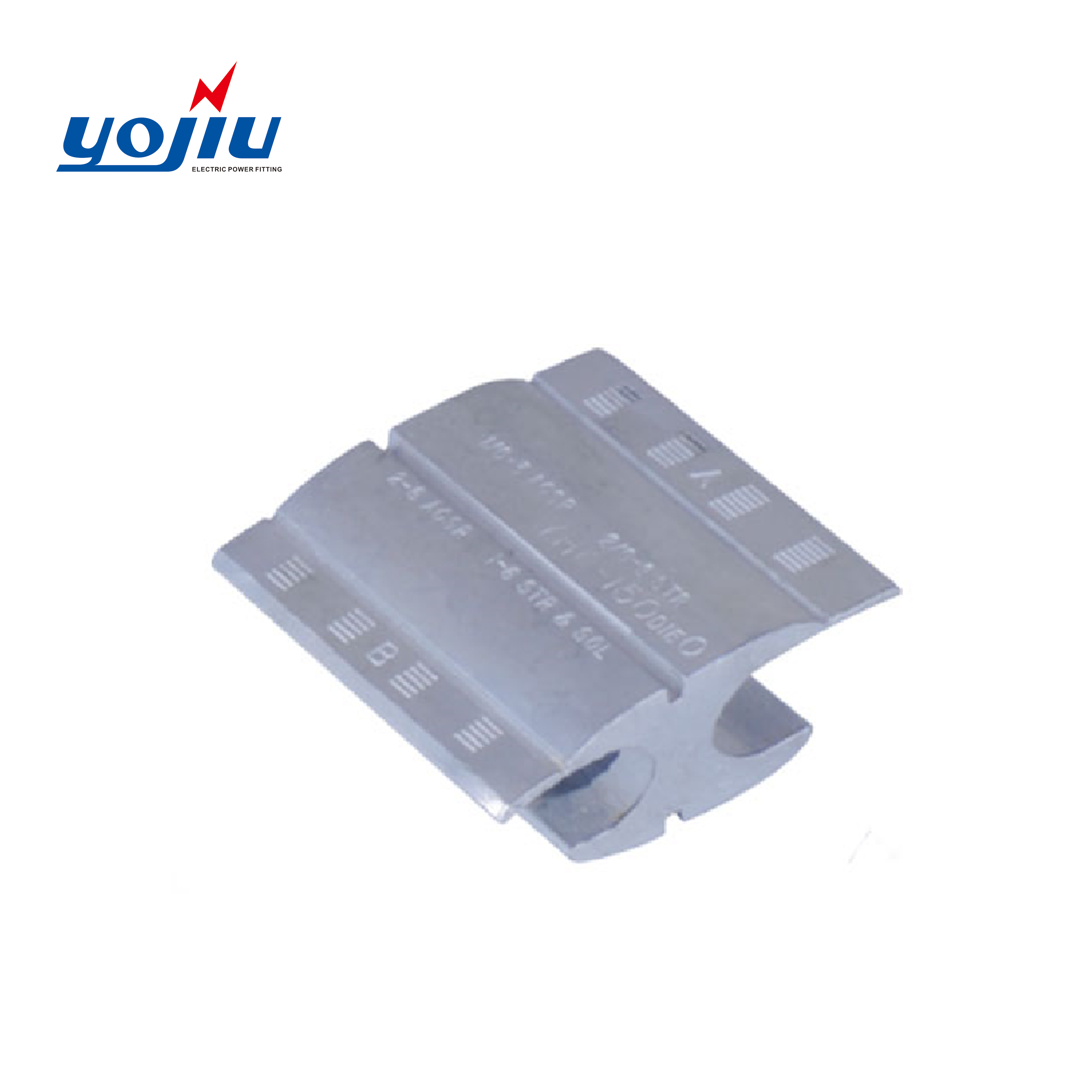
Connectors
Source industrial and commercial-grade connectors from vetted manufacturers and wholesale suppliers. Designed for importers, distributors, and brands requiring reliable OEM production, our network delivers high-volume electrical components built to precise specifications and international compliance standards.
Sourcing electrical connectors in high volumes requires balancing strict mechanical tolerances, electrical performance, and unit costs. Whether you are procuring standard board-to-board components for consumer electronics or ruggedized, environmentally sealed interconnects for industrial applications, the core challenge remains the same: ensuring consistent contact resistance and mating durability across millions of units. A minor deviation in stamping precision or plating thickness can lead to catastrophic failure in the field.
Critical Specifications and Material Selection
The reliability of any connector is fundamentally dictated by its raw materials. Buyers must clearly specify the contact base metal, the plating stack-up, and the housing polymer to match the application's thermal and mechanical demands.
Contact Materials
The base metal determines the connector's conductivity, spring properties, and resistance to stress relaxation at elevated temperatures.
| Base Metal | Conductivity | Durability | Typical Application |
|---|---|---|---|
| Brass | Good | Moderate | Low-cost consumer electronics |
| Phosphor Bronze | Moderate | Excellent | High-fatigue, repeated mating cycles |
| Beryllium Copper | Excellent | Superior | High-current, high-temperature environments |
Plating and Housing
Plating is rarely just a single layer. A standard high-reliability contact involves a nickel underplate (to prevent base metal migration) topped with gold or tin. Gold plating thickness must be specified in microinches (e.g., 3u" for flash, up to 30u" or 50u" for telecom/military grades). Specifying "gold plated" without a thickness requirement is a common sourcing error that leads to rapid wear and oxidation.
For the housing, ensure the polymer meets the required flammability rating (typically UL94V-0). Liquid Crystal Polymer (LCP) is mandatory for surface-mount components that must survive reflow soldering temperatures, while PBT or PA66 (Nylon) are cost-effective choices for wave soldering or wire-to-board applications.
Struggling to lock down the exact material specifications for your application? Let our engineers review your requirements and match you with a capable manufacturer.
Get a free consultationManufacturing Tolerances and Quality Control
Connector manufacturing involves high-speed progressive die stamping for the contacts and precision injection molding for the housings. The difference between a tier-one supplier and a substandard factory lies in their tooling maintenance and automated assembly capabilities.
When auditing a factory's production line, pay close attention to how they handle the insertion of contacts into the housing. Manual assembly often results in bent pins or inconsistent retention force. Automated insertion machines with inline vision inspection are essential for high-volume reliability.
To prevent defective batches from shipping, rigorous Quality Control & Inspection protocols must be enforced. Your inspection checklist should include specific mechanical and electrical tests.
Essential Connector QC Checks
- Insertion and extraction force testing (verified against mating cycle requirements)
- Contact resistance measurement (typically required to remain under 30 milliohms)
- Dielectric withstanding voltage (DWV) and insulation resistance testing
- Plating thickness verification using X-ray fluorescence (XRF)
- Solderability testing (especially for components stored for extended periods)
Furthermore, ensure the factory can provide documentation for Compliance & Testing, including RoHS, REACH, and relevant UL or CE certifications.
Custom Tooling and OEM Production
If standard off-the-shelf connectors do not meet your footprint or environmental requirements, custom tooling is required. Developing a custom interconnect involves designing the stamping dies for the pins and the injection molds for the housing.
When utilizing OEM/ODM Services for custom connectors, clarity on tooling ownership is paramount. Ensure your contract explicitly states that you own the molds and dies upon final payment, preventing the factory from holding your production hostage or selling your proprietary design to competitors.
Pricing, MOQs, and Lead Times
Connector pricing is highly sensitive to raw material costs (especially copper and gold) and production volume.
Because unit costs are often measured in fractions of a cent, suppliers enforce high Minimum Order Quantities (MOQs) to justify setting up the stamping and molding machines. If a supplier offers unusually low MOQs or prices significantly below market average, it is a strong indicator of compromised plating thickness or recycled housing plastics. Conducting thorough Factory Audits before placing a high-volume order is the best defense against these hidden quality fades.
Need reliable pricing and lead times for high-volume connector production? We negotiate directly with vetted manufacturers to secure competitive terms.
Talk to our teamFrequently Asked Questions
Securing a reliable supply chain for connectors means looking past the unit price and scrutinizing the manufacturer's tooling, materials, and automated quality controls. When you are ready to scale production without compromising on electrical performance, professional sourcing support ensures your specifications are met on every single batch.
Get Sourcing Help for Connectors
Tell us your requirements and our experts will connect you with verified manufacturers.