Connecting Elements
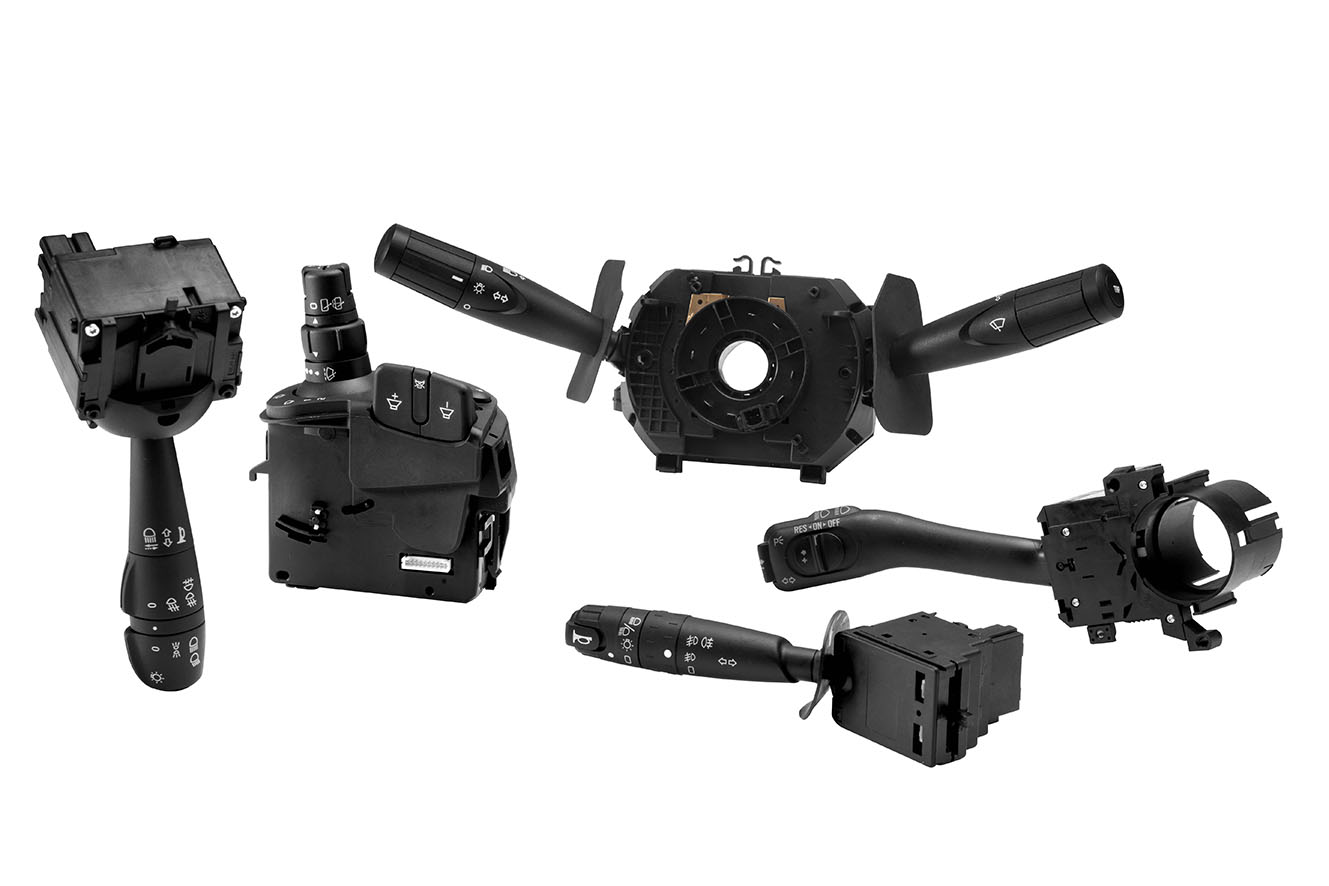
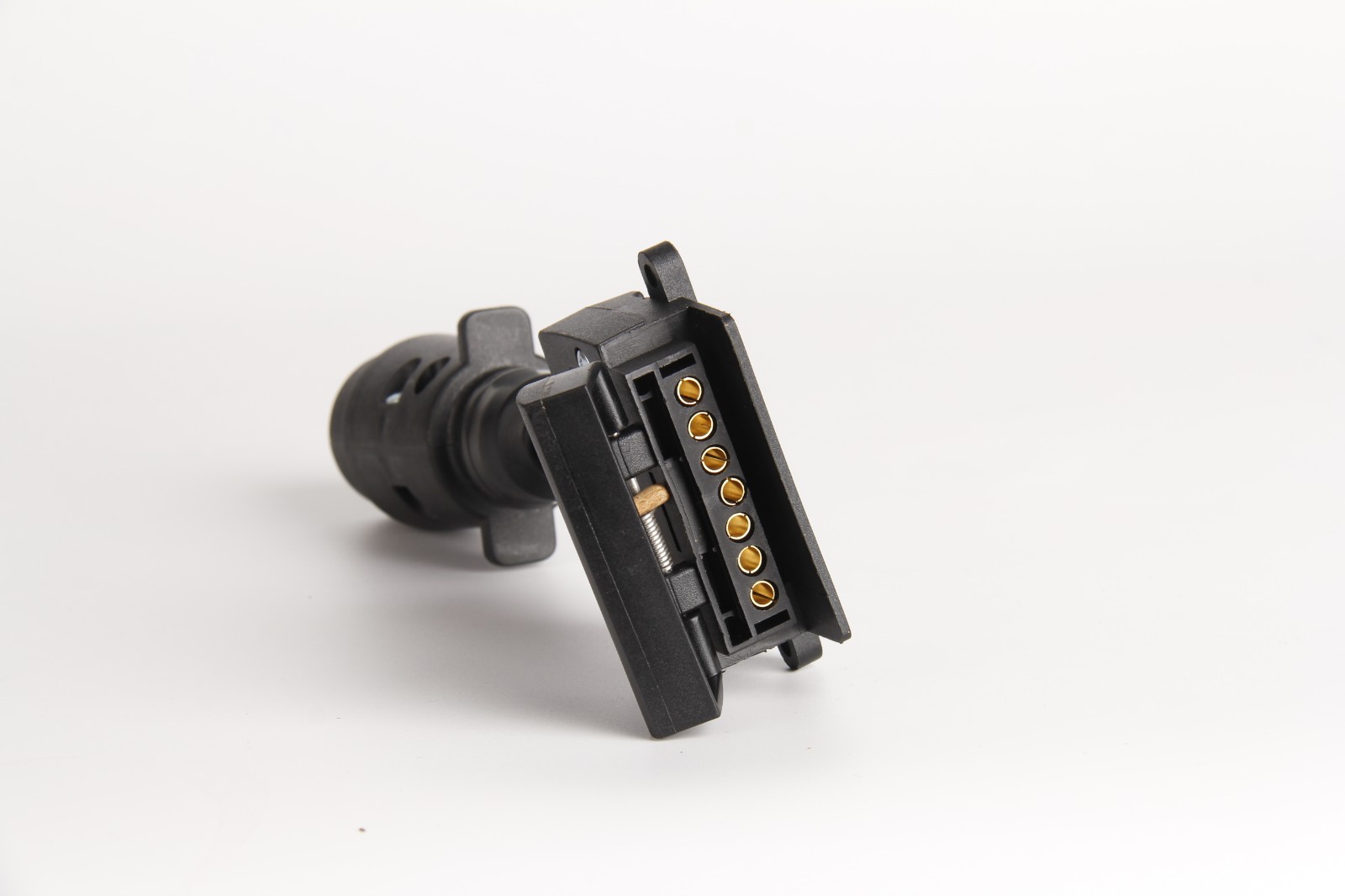
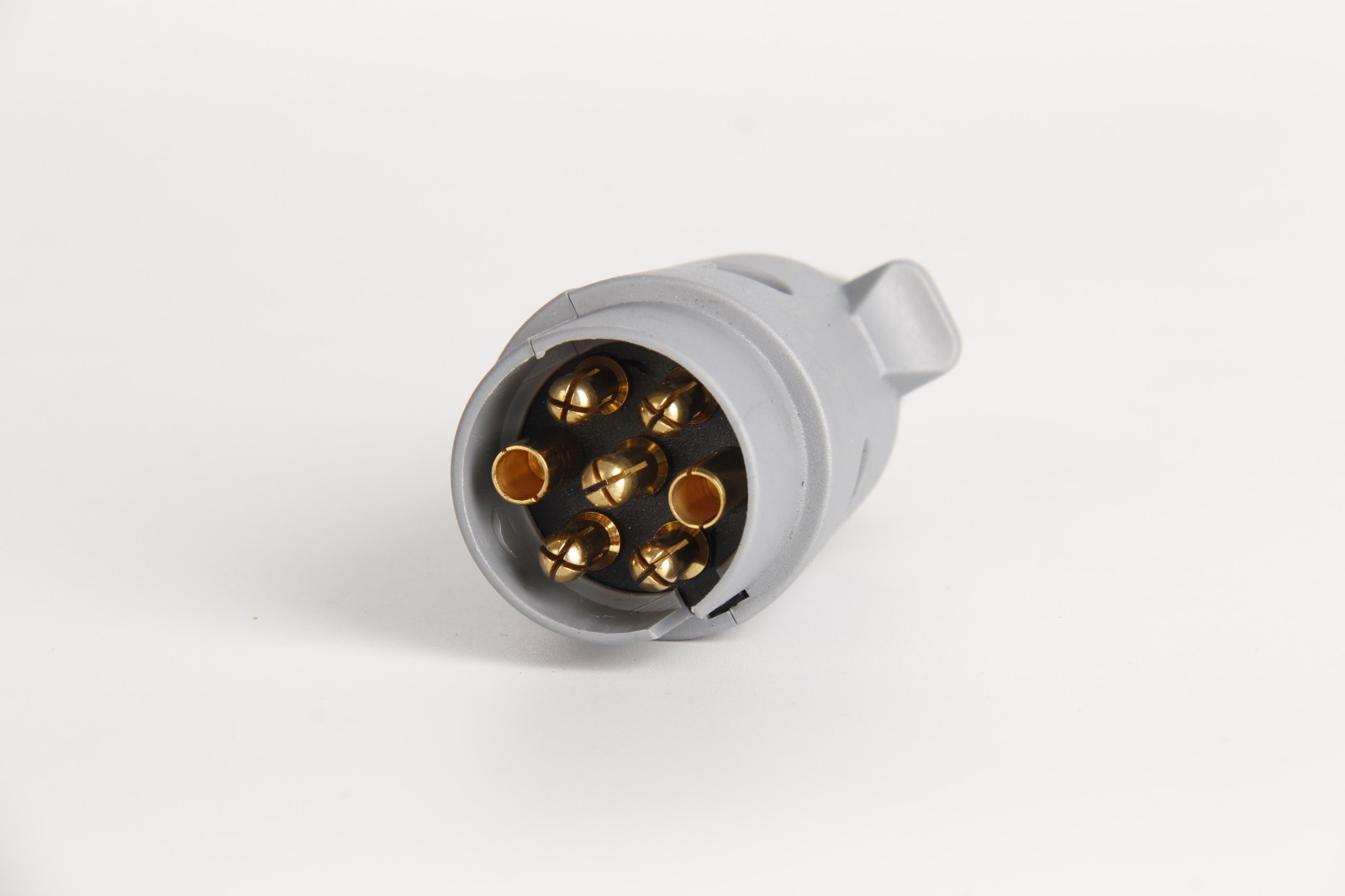
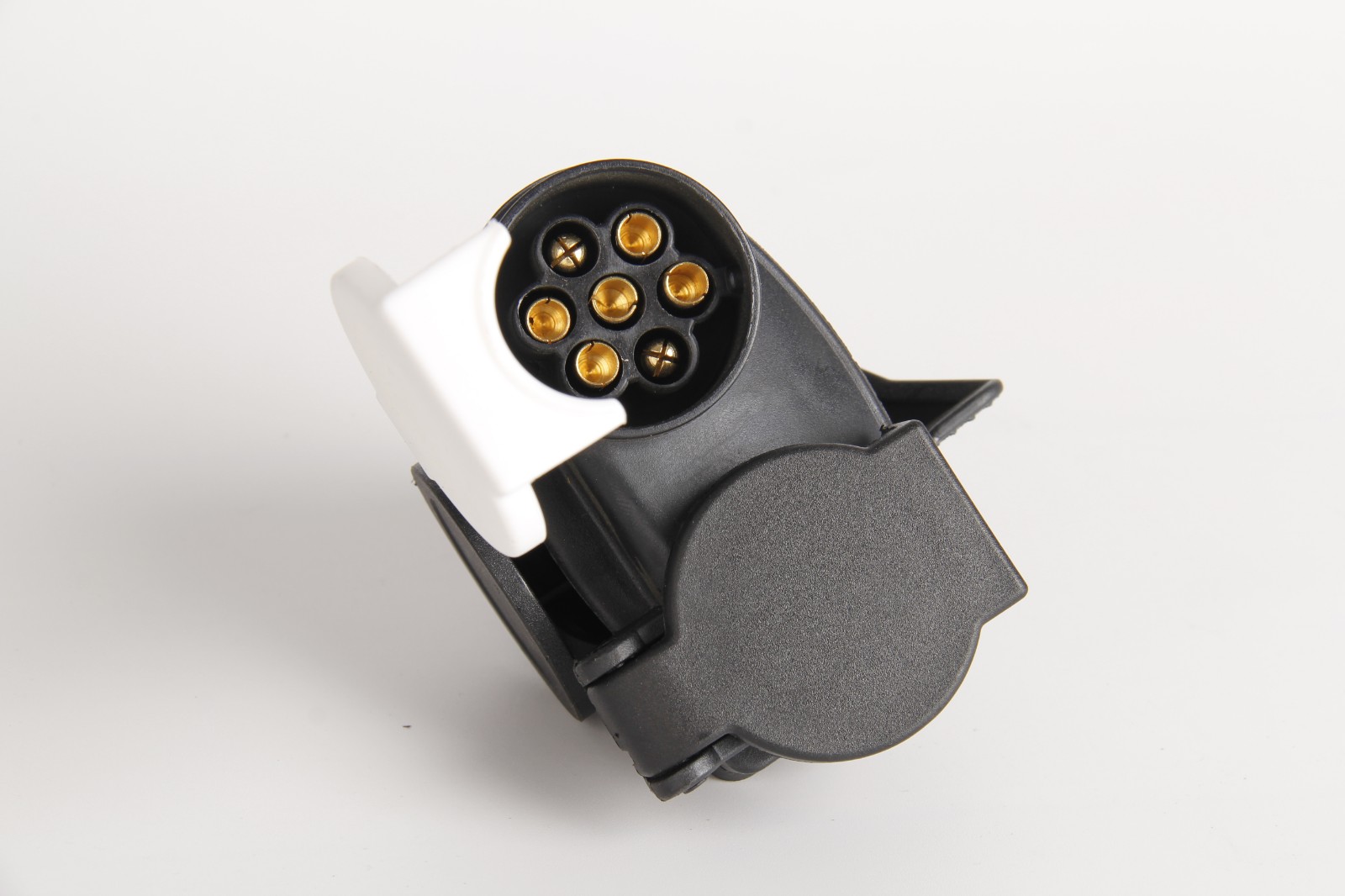
Source high-quality automotive connecting elements from vetted manufacturers and wholesale suppliers. Built for importers, distributors, and brands requiring reliable OEM production, our catalog features robust electrical connectivity solutions designed for demanding aftermarket and factory applications.
Automotive electrical connecting elements carry the lifeblood of modern vehicles. Whether you are sourcing terminals, splice connectors, or heavy-duty busbars, a single failure under vibration or thermal stress can compromise an entire wire harness. Buying these components in volume requires strict attention to raw material purity, plating thickness, and housing tolerances, ensuring every batch meets the rigorous demands of automotive environments.
Core Specifications and Material Selection
When negotiating with manufacturers, the bill of materials dictates both your unit cost and long-term reliability. Housing materials must withstand engine bay temperatures and chemical exposure, while the metal contacts dictate conductivity and mating longevity.
| Plating Material | Typical Application | Cost Profile | Durability |
|---|---|---|---|
| Tin Plating | Standard cabin electronics, low vibration | Low | Susceptible to fretting corrosion over time |
| Silver Plating | High-current applications, EV power lines | Medium | Excellent conductivity, resists high temperatures |
| Gold Plating | Sensors, airbags, low-current signals | High | Superior corrosion resistance, high mating cycles |
For housings, glass-filled Polybutylene Terephthalate (PBT) or Polyamide 66 (PA66) are standard, but the exact glass-fiber ratio (often 15 to 30 percent) must be specified to balance rigidity with the flexibility needed for locking lances.
Need help verifying a manufacturer's material certifications and production capabilities? We can audit suppliers to ensure they meet your exact technical specifications.
Talk to our teamManufacturing Tolerances and Quality Control
The production of connecting elements involves high-speed progressive die stamping for the metal terminals and precision injection molding for the plastic housings. Quality is won or lost in the maintenance of these molds and dies. Worn tooling leads to plastic flash that prevents proper mating, or terminal burrs that damage wire strands during crimping.
Before committing to a high-volume order, it is critical to verify the supplier's quality management system. Automotive buyers should look for IATF 16949 certification as a baseline. To ensure consistent output, executing rigorous Factory Audits is essential to confirm that the supplier actually performs in-line testing rather than relying solely on end-of-line sorting.
Critical Pre-Shipment Testing Requirements
- Terminal Extraction Force: Verifying locking lances hold the terminal securely in the housing.
- Dielectric Withstanding Voltage: Ensuring insulation between adjacent contacts under load.
- Salt Spray Testing: Minimum 48 to 96 hours to validate plating integrity against corrosion.
- Thermal Shock Resistance: Cycling from -40°C to +125°C to test material expansion rates.
- Voltage Drop Testing: Measuring contact resistance across mated pairs.
Catching defects like poor crimp geometry or insufficient plating thickness before the goods leave the factory is paramount. Implementing independent Quality Control & Inspection protocols ensures your shipment complies with standards like USCAR-2 or LV214.
Pricing, MOQs, and Lead Times
Because connecting elements are produced on highly automated, high-speed lines, manufacturers rely on large runs to offset setup times. Standard off-the-shelf connectors will have lower minimums, while custom tooling requires significant upfront investment and higher volume commitments.
If you are developing proprietary connectors for a specific aftermarket application, partnering with a supplier capable of robust OEM/ODM Services is crucial. Ensure your manufacturing agreement clearly dictates who owns the custom injection molds and stamping dies once production is complete.
Managing complex automotive supply chains requires precision. Let us handle supplier negotiation, quality control, and logistics for your connectivity components.
Get a free consultationBuyer FAQ
When sourcing connecting elements, the unit price is only a fraction of your total cost of ownership. A poorly manufactured terminal that causes intermittent electrical faults will cost exponentially more in warranty claims and brand damage than the fractions of a cent saved on the production line. Focus your sourcing efforts on suppliers with transparent quality systems and verifiable testing capabilities.
Get Sourcing Help for Connecting Elements
Tell us your requirements and our experts will connect you with verified manufacturers.