Condensers and Components
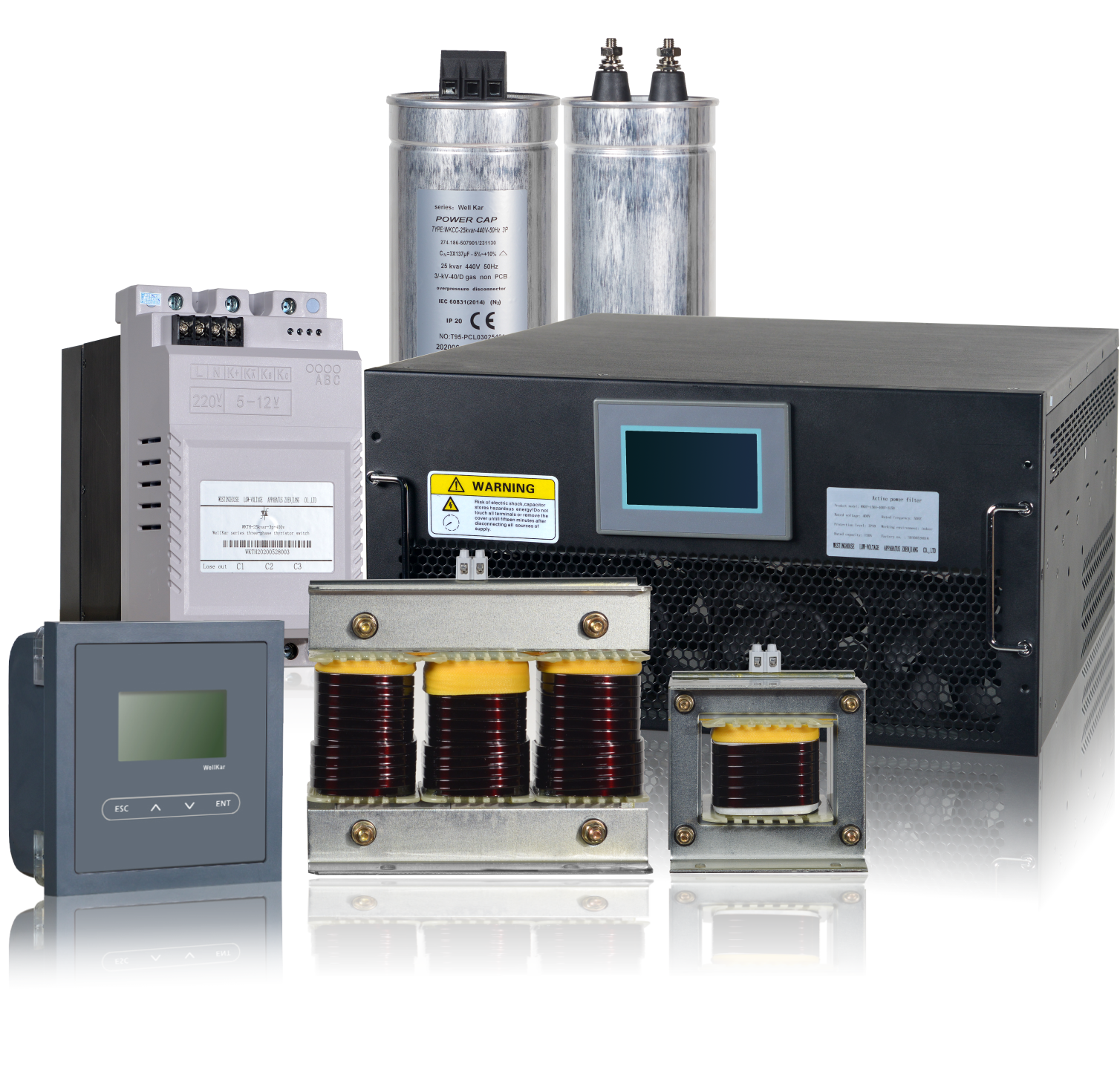
Source industrial-grade Condensers and Components from vetted suppliers and manufacturers. Designed for electrical equipment distributors, utility procurement managers, and OEM brands, our network provides bulk access to reliable reactive power compensation units, high-voltage capacitors, and essential internal components for transmission and distribution systems.
Sourcing condensers (power capacitors) and their sub-components for transmission and distribution networks requires rigorous attention to dielectric performance, thermal stability, and long-term reliability. Whether you are procuring complete high-voltage capacitor banks for power factor correction or sourcing individual components like bushings, enclosures, and metalized films for OEM assembly, the stakes are high. Component failure in T&D applications leads to unacceptable network downtime and severe safety risks.
Specifying Power Condensers and Critical Components
When communicating requirements to manufacturers, precision in your technical specifications dictates the quality of the final product. High-voltage condensers rely on a complex interplay of materials to manage electrical stress and heat dissipation.
Dielectric Systems and Impregnation
The core of any power condenser is its dielectric system. Most modern utility-grade units utilize a combination of biaxially oriented polypropylene (BOPP) film and high-purity aluminum foil. The quality of the winding process directly impacts the partial discharge characteristics of the condenser.
Equally critical is the impregnation fluid. Specify non-PCB, environmentally compliant insulating oils with high dielectric strength and excellent gas-absorbing properties. The impregnation process must occur under high vacuum to eliminate microscopic air pockets, which are the primary cause of premature insulation failure.
Need to verify a supplier's high-vacuum impregnation capabilities? Let our sourcing engineers evaluate their production lines.
Talk to our teamComponent Tolerances and Sealing
If you are sourcing sub-components for final assembly, dimensional accuracy and material purity are paramount.
Critical Component Specifications
- Bushings: Must specify creepage distance based on the target pollution level (e.g., heavy or very heavy marine/industrial environments).
- Enclosures: Typically stainless steel or cold-rolled steel with heavy-duty anti-corrosion treatments (hot-dip galvanizing or specialized powder coating).
- Discharge Resistors: Internal resistors must be rated to reduce residual voltage to under 50V within 5 minutes of disconnection.
- Sealing Systems: Specify high-grade nitrile or silicone gaskets engineered to withstand extreme temperature cycling without leaking insulating fluid.
Manufacturing and Quality Control
The manufacturing of T&D condensers leaves no room for process variation. Cleanroom conditions are required during the winding of the dielectric elements to prevent dust or moisture contamination.
Before accepting a shipment, rigorous Quality Control & Inspection is mandatory. Routine testing should align with IEC 60871 or IEEE 18 standards.
Key factory acceptance tests (FAT) must include:
- Capacitance and Output Measurement: Ensuring the unit meets the rated reactive power.
- Tangent Delta (Loss Factor) Measurement: Verifying the efficiency of the dielectric system; values should typically be under 0.0002 for modern all-film capacitors.
- Voltage Withstand Tests: Applying elevated AC or DC voltages between terminals and to the casing to verify insulation integrity.
- Sealing Tests: Thermal cycling followed by leak detection to ensure long-term hermetic sealing.
Relying solely on supplier-provided test reports carries significant risk. Conducting independent Factory Audits ensures the manufacturer actually possesses the high-voltage testing bays and calibrated equipment necessary to perform these evaluations accurately.
Sourcing Mechanics: MOQs, Lead Times, and Pricing
Procurement parameters vary significantly depending on whether you are sourcing complete condenser units or raw components.
Pricing is heavily indexed to the global commodities market, specifically aluminum (for foils and casings), crude oil derivatives (for BOPP film and insulating fluids), and copper. When negotiating long-term supply contracts, establishing a clear bill of materials and tying pricing to specific raw material indices helps stabilize costs.
Struggling with inconsistent lead times or opaque pricing structures? We can help stabilize your T&D component supply chain.
Get a free consultationFrequently Asked Questions
Successfully importing high-voltage condensers requires looking past the initial unit price to evaluate the manufacturer's engineering depth and quality control infrastructure. Engaging a partner for comprehensive Product Sourcing ensures your supply chain is built on verified technical competence, protecting your downstream clients from costly network failures.
Get Sourcing Help for Condensers and Components
Tell us your requirements and our experts will connect you with verified manufacturers.