Concrete Batching Plants
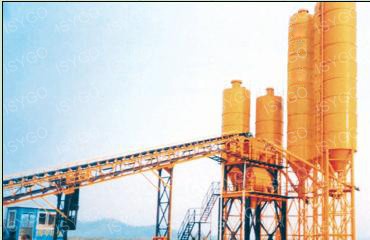
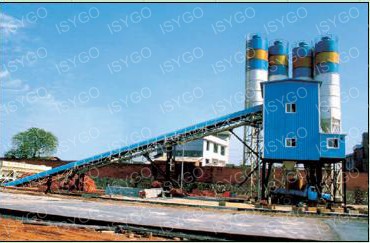
Source heavy-duty Concrete Batching Plants from vetted manufacturers and suppliers in China and Asia. Designed for equipment importers, regional distributors, and large-scale construction procurement managers, our wholesale sourcing solutions ensure high-efficiency mixing, structural durability, and reliable bulk delivery.
Sourcing concrete batching plants requires navigating a complex matrix of production capacity, structural durability, and component reliability. For equipment distributors and large-scale construction contractors, the challenge is not simply finding a manufacturer. It is ensuring the plant delivers consistent mix quality under continuous heavy load, survives harsh site conditions, and can be shipped cost-effectively across the globe.
Core Specifications and Configurations
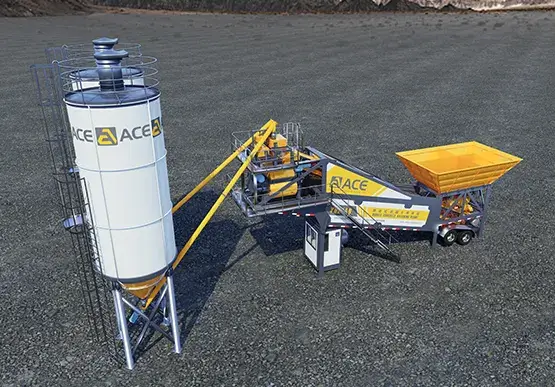
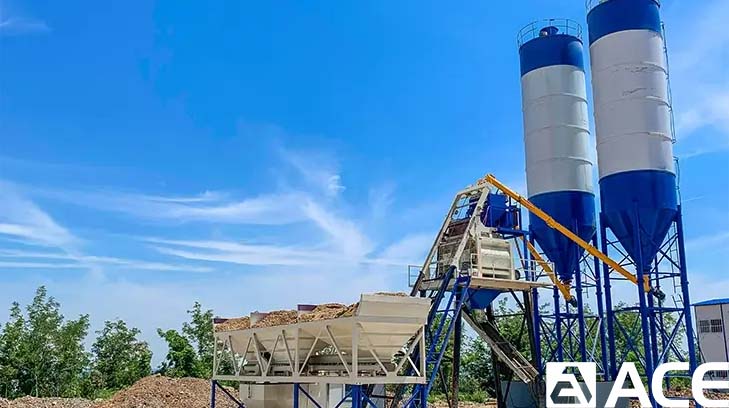
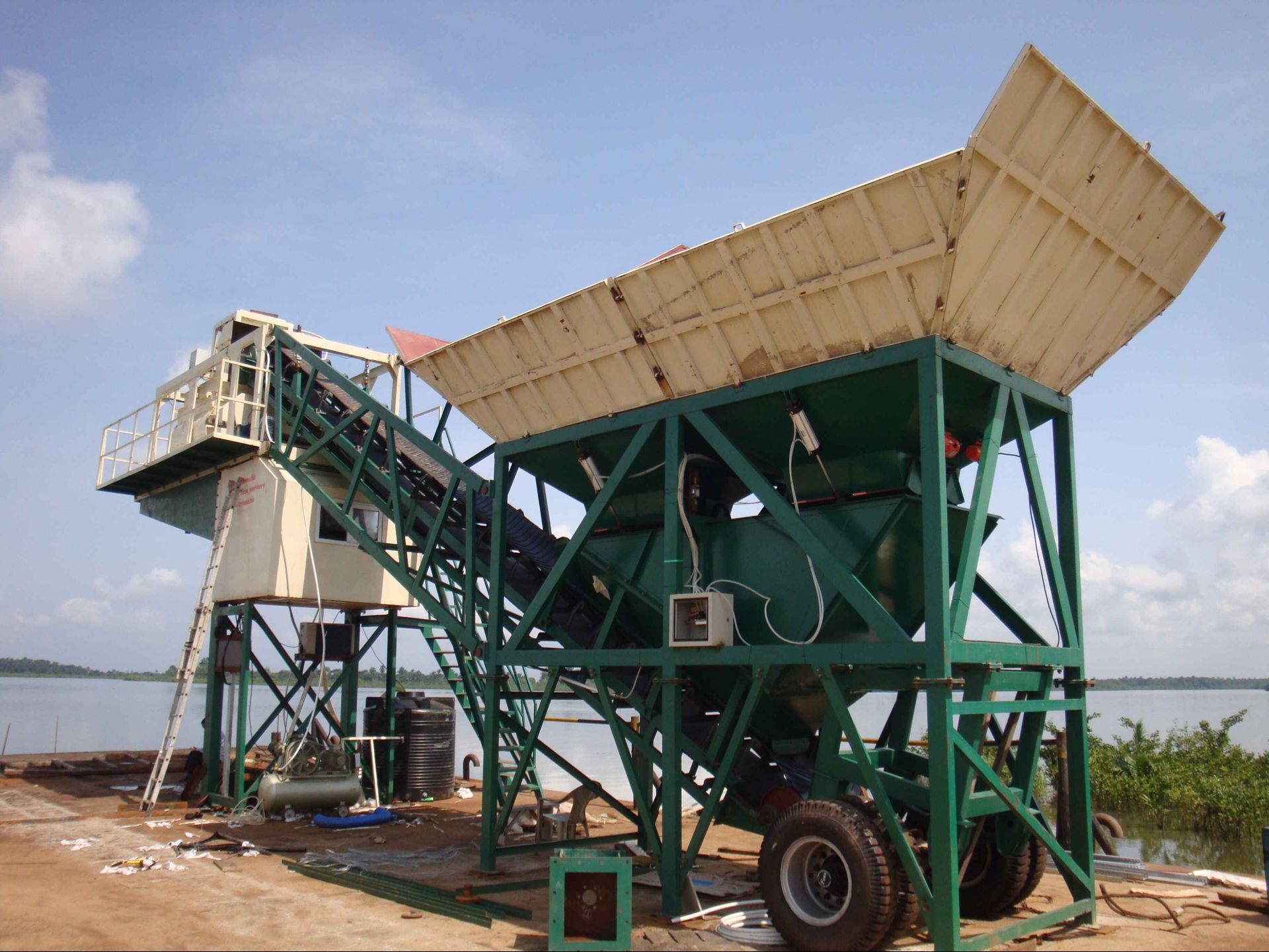
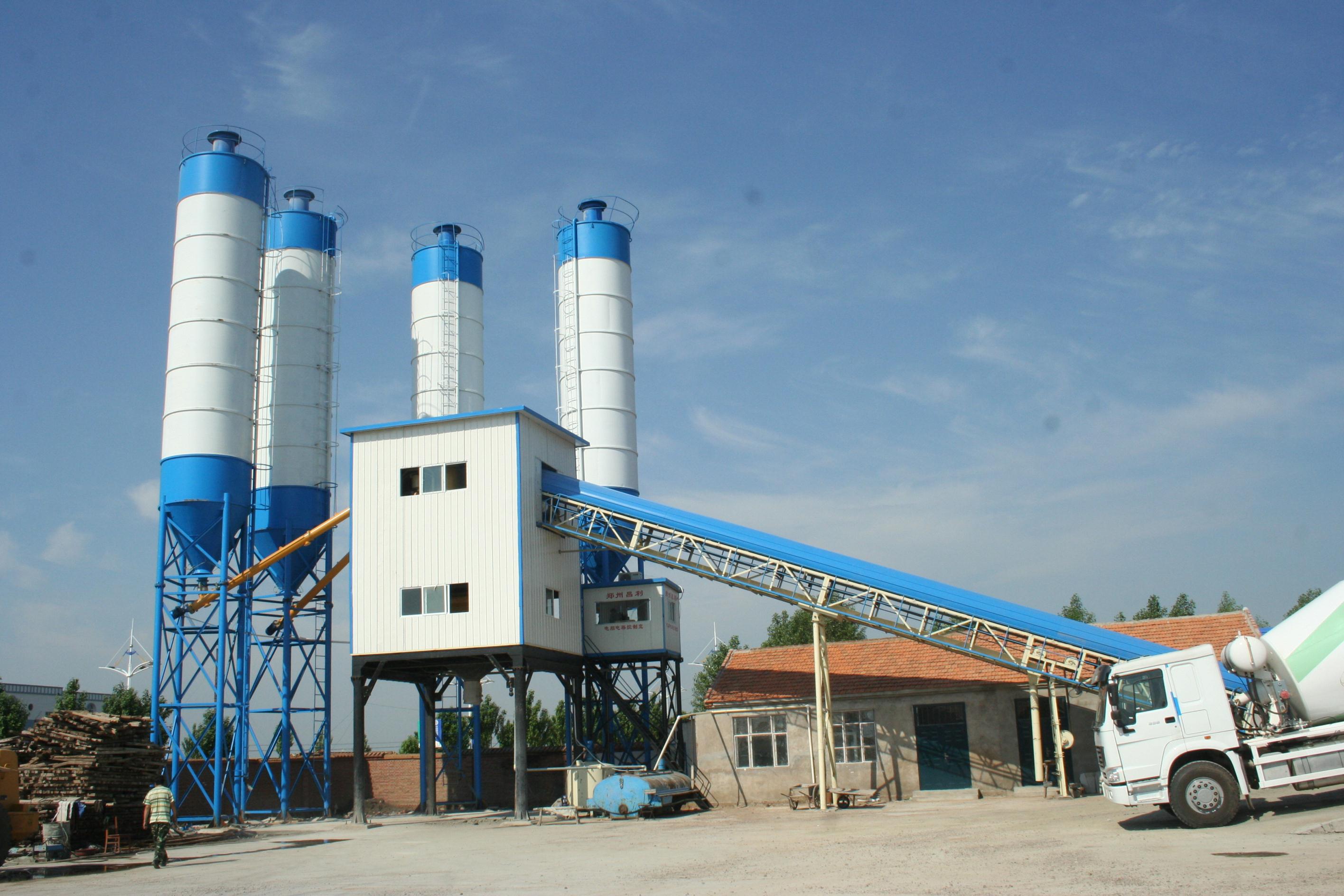
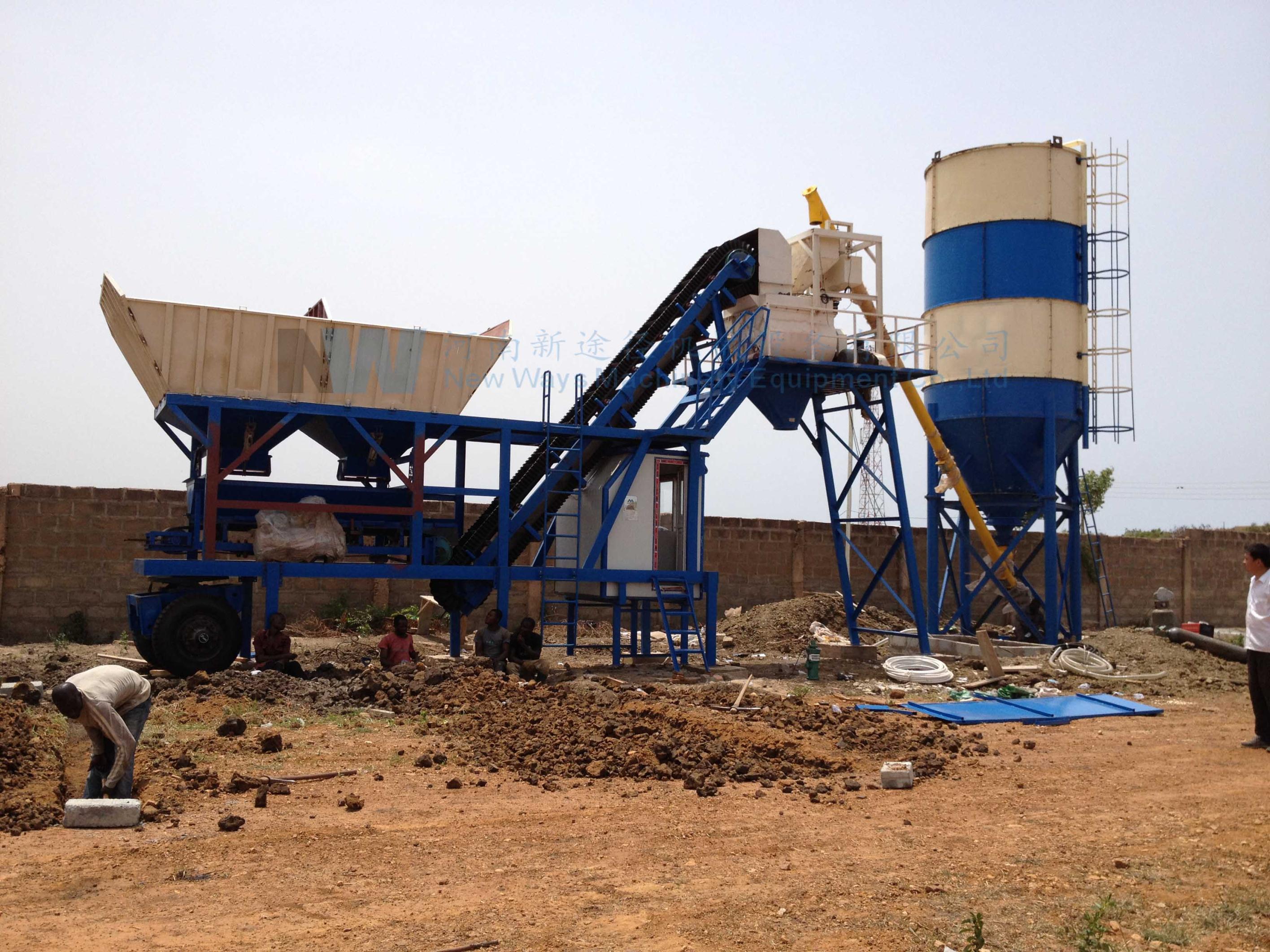
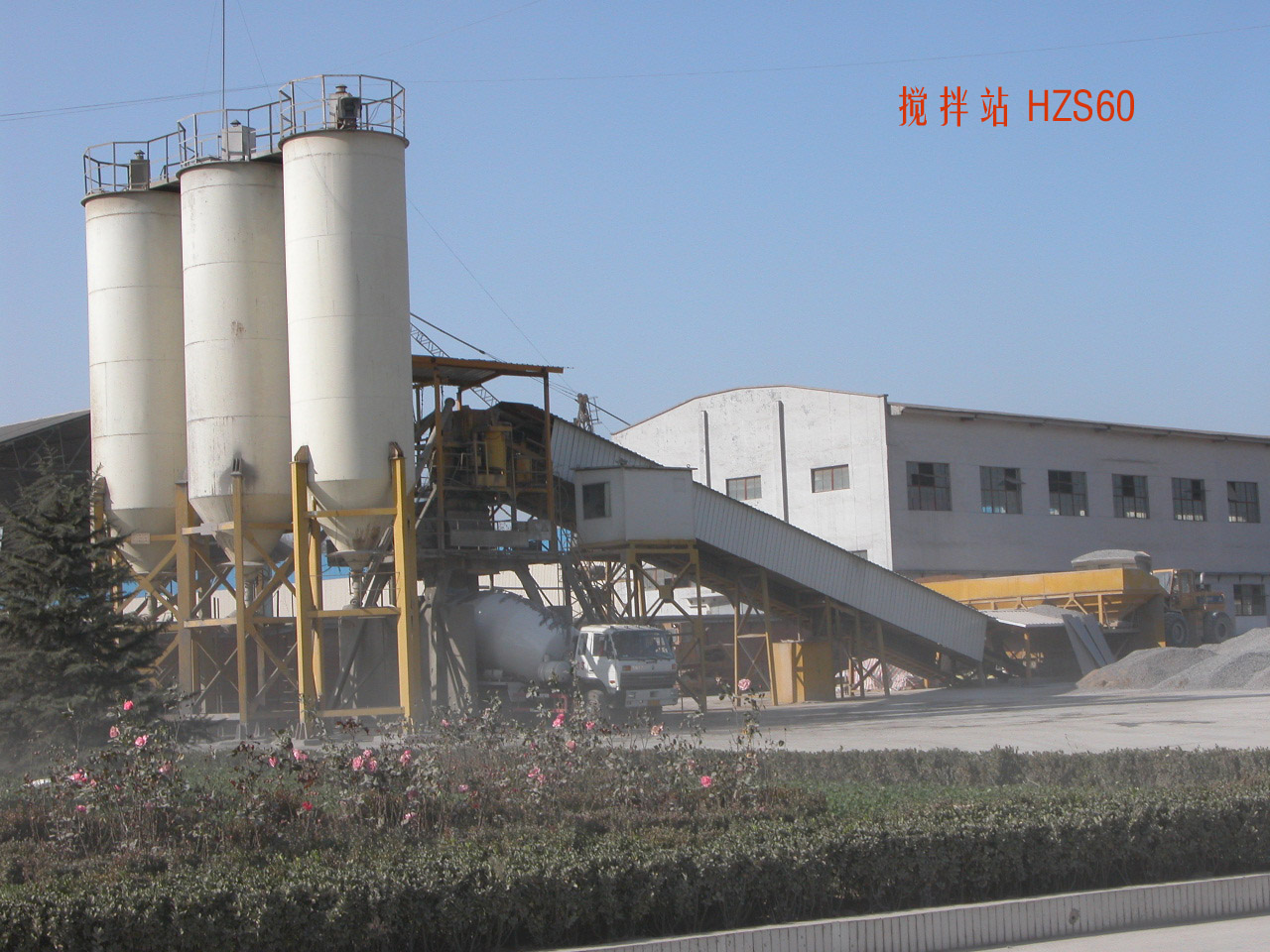
When specifying a plant for import, the theoretical production capacity (measured in cubic meters per hour, or m³/h) is the baseline. Common models range from HZS25 (25 m³/h) for small temporary sites to HZS240 (240 m³/h) for major commercial ready-mix operations.
However, the heart of the plant is the mixer itself. The mixer type dictates the quality of the concrete and the maintenance lifecycle of the equipment.
| Mixer Type | Primary Application | Wear Resistance | Maintenance Profile |
|---|---|---|---|
| Twin-Shaft Compulsory | Ready-mix, general construction | High (Ni-Hard cast iron liners) | Standard access, regular liner checks |
| Planetary | Precast, high-performance concrete | Very High | Complex gearbox maintenance |
| Drum / Reversible | Small rural projects, temporary sites | Moderate | Low maintenance, easy access |
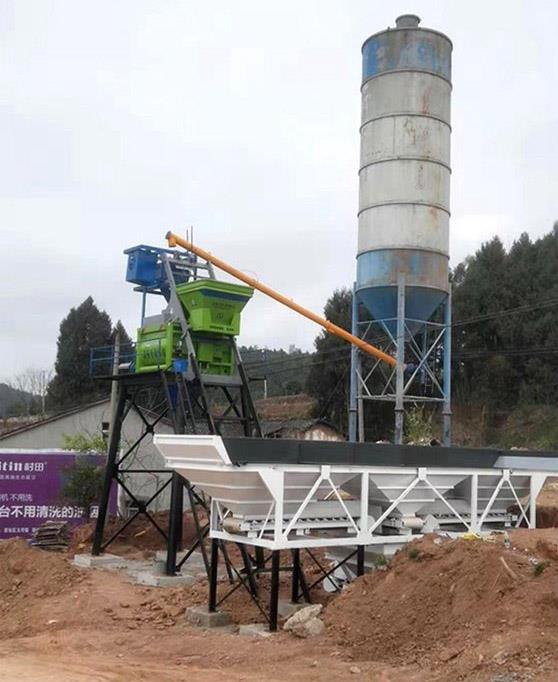
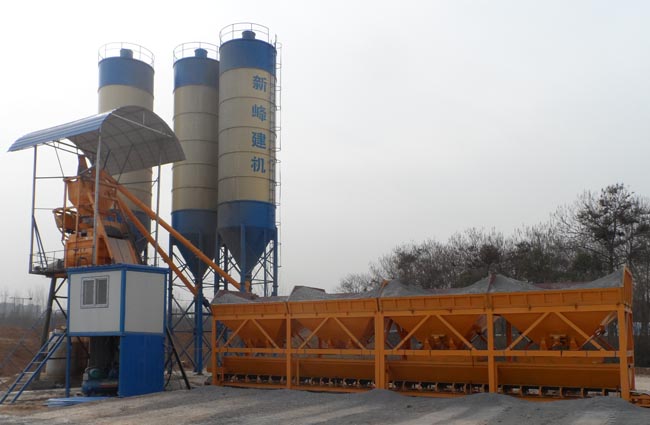
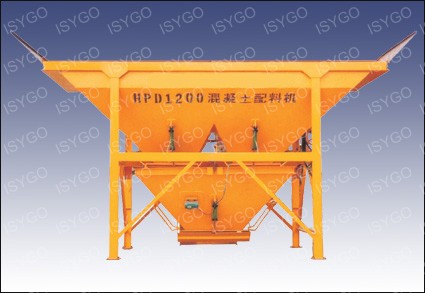
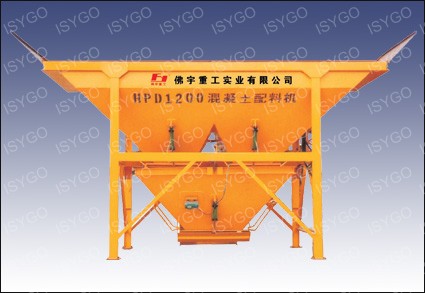
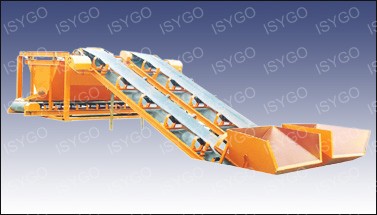
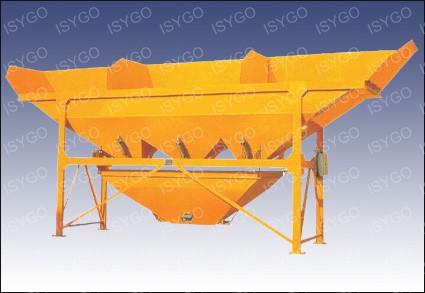
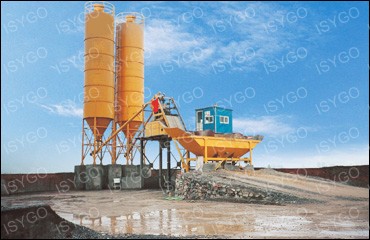
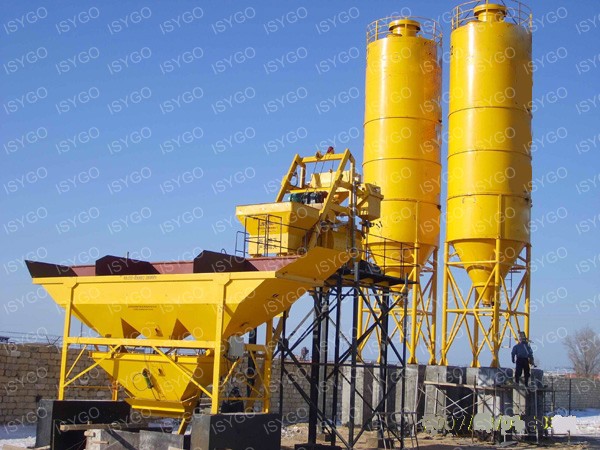
Beyond the mixer, buyers must specify the aggregate batching system (hopper vs. belt conveyor), cement silo capacity (typically 50 to 200 tons), and the control system. Modern plants utilize PLC-based fully automatic controls. Ensure the manufacturer uses internationally recognized electrical components (such as Siemens, Schneider, or Omron) to guarantee local replacement availability in your market.
Navigating heavy machinery specifications can be complex. Let us help you align your technical requirements with the right manufacturing partner.
Talk to our teamManufacturing Standards and Quality Control
The structural integrity of a batching plant is entirely dependent on the factory's steel fabrication standards. Inferior steel grades or poor welding will lead to structural fatigue under the intense vibration of daily operation.
Look for manufacturers utilizing Q345 (equivalent to S355) high-strength manganese steel for the main chassis and mixer supports, rather than the cheaper Q235 mild steel. Welding should ideally be performed by robotic systems or certified welders using submerged arc welding techniques to ensure deep penetration and flaw-free seams.
To mitigate the risk of importing substandard heavy machinery, rigorous on-site Factory Audits are essential before placing a deposit. You must verify the supplier's actual fabrication capabilities, not just their assembly process.
Critical Factory Verification Points
- Steel processing capabilities (laser cutting, CNC bending machines)
- Shot blasting facilities for rust removal prior to painting
- Paint quality (epoxy zinc-rich primer and polyurethane topcoat)
- In-house testing of the pneumatic and weighing systems prior to teardown
- CE or UL certification validity for electrical control cabinets
Implementing comprehensive Quality Control & Inspection during the pre-shipment phase is critical. Once a 100-ton plant is disassembled and packed into containers, discovering a missing sensor or a warped conveyor frame upon arrival in your country will cause catastrophic project delays.
Logistics, MOQs, and Lead Times
Unlike consumer goods, the Minimum Order Quantity (MOQ) for concrete batching plants is universally one set. However, the lead times and shipping logistics are highly complex.
Shipping a medium-to-large batching plant (e.g., HZS90 or HZS120) requires multiple 40HQ containers. Oversized components, such as fully welded cement silos or large twin-shaft mixers, may require Open Top (OT) or Flat Rack (FR) containers, which significantly increases freight costs.
Many buyers opt for bolted cement silos instead of welded ones specifically to reduce shipping volume. Coordinating this requires expert Shipping & Freight management to consolidate the load efficiently and handle the Out of Gauge (OOG) cargo requirements at both origin and destination ports.
Need to optimize container loading and freight costs for heavy machinery? We manage the entire logistics chain from factory floor to your site.
Get a free consultationFrequently Asked Questions
When importing concrete batching plants, the upfront FOB price is only a fraction of the total cost of ownership. The true value is found in the reliability of the mixer, the accuracy of the weighing system, and the efficiency of the logistics. Partnering with a specialized sourcing team ensures your heavy equipment procurement is executed with technical precision and commercial security.
Get Sourcing Help for Concrete Batching Plants
Tell us your requirements and our experts will connect you with verified manufacturers.