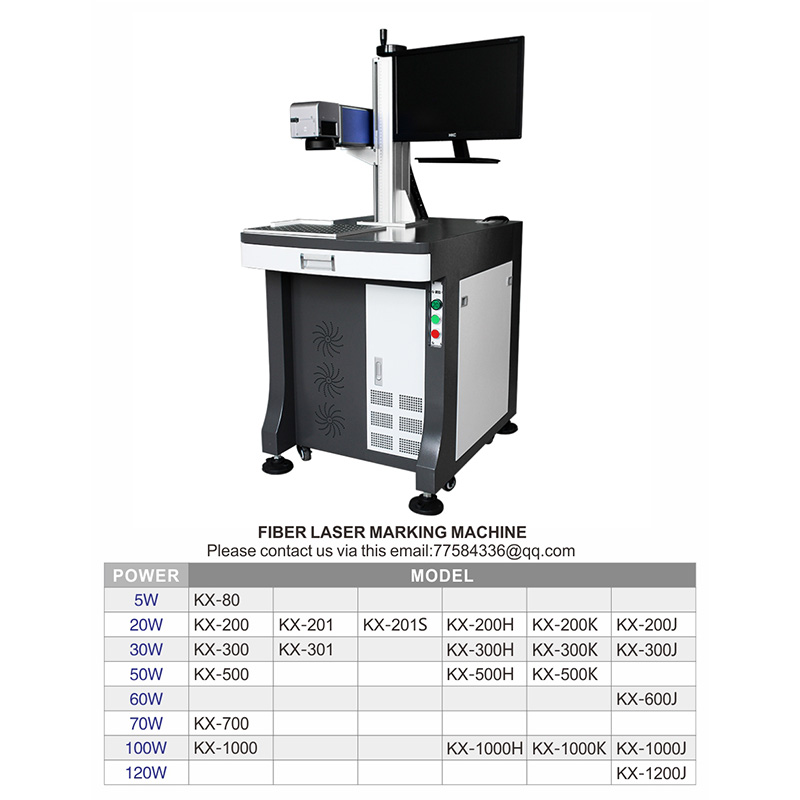
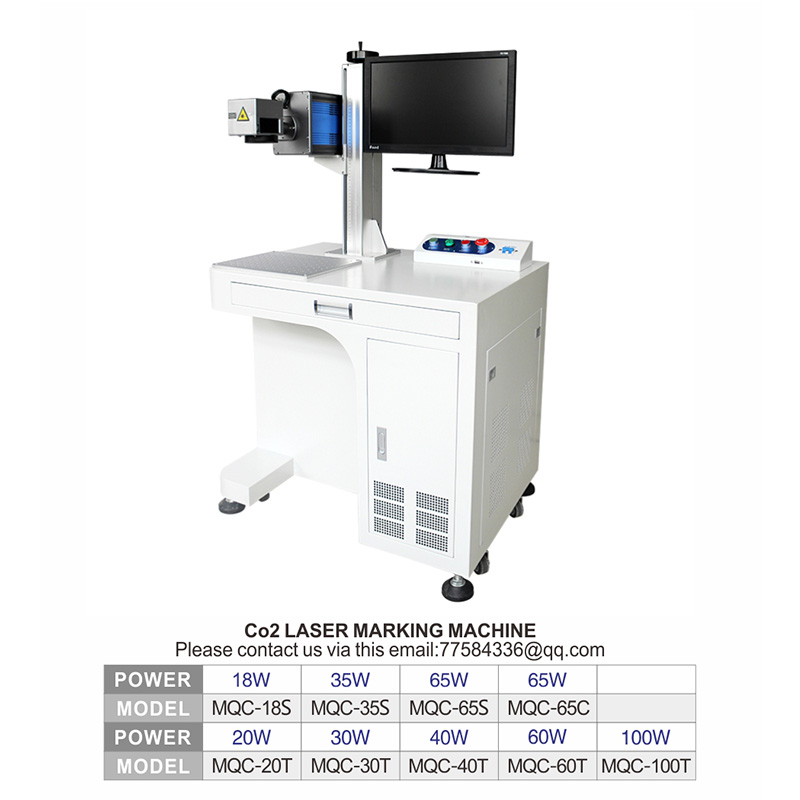
Components and Accessories for Other Materials Processing
Source high-quality components and accessories for other materials processing from vetted manufacturers and wholesale suppliers. Designed for importers, distributors, and brands requiring OEM production, our network delivers precision-engineered parts for specialized machinery, ensuring durability and exact tolerances at scale.
Processing specialized materials—such as advanced composites, technical ceramics, glass, or stone—demands machine-tool components engineered for extreme abrasion resistance and thermal stability. Sourcing these specialized accessories in bulk requires navigating a complex landscape of metallurgical standards, coating technologies, and precise dimensional tolerances. Buying off-the-shelf components without verifying the underlying manufacturing processes often leads to premature tool wear, poor surface finishes, and costly machine downtime.
Critical Specifications for Specialized Processing
Standard metalworking components rarely survive the abrasive environments of composite or ceramic processing. When sourcing accessories like specialized tool holders, clamping fixtures, or custom extraction nozzles, you must dictate strict technical parameters to your manufacturing partner.
Key specifications to define include:
- Runout Tolerance: For high-speed processing of brittle materials like glass or ceramics, spindle and tool holder runout must typically remain under 0.005mm to prevent micro-fractures in the workpiece.
- Dynamic Balancing: Components rotating at high RPMs must be dynamically balanced, usually to a minimum of G2.5 at 25,000 RPM, to minimize vibration.
- Surface Hardness and Coatings: Base materials often require case hardening (e.g., HRC 58-62) and specialized coatings (like Diamond-Like Carbon or TiAlN) to withstand abrasive dust.
| Component Feature | Standard Metalworking | Specialized/Abrasive Processing |
|---|---|---|
| Base Material | 40Cr or 20CrMnTi | High-grade Carbide or Stainless Steel |
| Balancing Standard | G6.3 at 15,000 RPM | G2.5 at 25,000+ RPM |
| Dust Protection | Standard labyrinth seals | Positive air pressure & dual-sealed bearings |
Need to verify a factory's precision machining capabilities before placing a bulk order?
Talk to our teamManufacturing Risks and Quality Control
The quality of a machine-tool accessory is won or lost during heat treatment and final grinding. Many lower-tier suppliers skip critical tempering cycles to save time, resulting in components that are brittle or prone to warping under thermal stress. Furthermore, specialized coatings require rigorous surface preparation; poor adhesion will cause the coating to flake off during the first use.
To mitigate these risks, comprehensive Quality Control & Inspection is essential. Inspectors must verify dimensional accuracy using coordinate measuring machines (CMM) and test coating thickness and adhesion before the batch leaves the factory.
Pre-Shipment Inspection Checklist for Processing Accessories
- Verify runout tolerances using dial indicators on a calibrated test mandrel.
- Confirm dynamic balancing certification for high-speed rotating parts.
- Perform Rockwell hardness testing (HRC) on critical wear surfaces.
- Check thread gauges for all clamping and mounting interfaces.
- Inspect coating adhesion and thickness using X-ray fluorescence (XRF).
If you are developing proprietary components for a specific machine platform, utilizing professional OEM/ODM Services ensures your intellectual property is protected while translating your CAD designs into manufacturable, cost-effective realities. Always conduct thorough Factory Audits to confirm the supplier actually owns the 5-axis CNC grinding centers required for this level of precision, rather than outsourcing to unverified sub-tier workshops.
Pricing, Lead Times, and MOQs
Procurement economics for specialized processing components depend heavily on the level of customization and the specific materials used. Standardized accessories (like common dust extraction shrouds or standard tool holder tapers) offer economies of scale, while custom-engineered fixtures require higher initial tooling investments.
When negotiating pricing, ensure the quotation explicitly details the steel grade, balancing standard, and coating type. A price that seems too good to be true usually indicates a substitution of inferior base materials or skipped balancing processes.
Optimize your procurement strategy and secure reliable production for your specialized components.
Get a free consultationFrequently Asked Questions
Successfully sourcing components and accessories for other materials processing requires looking past the initial unit price and focusing on the supplier's metallurgical expertise and quality control infrastructure. Partnering with a specialized sourcing team ensures your specifications are met, risks are mitigated, and your supply chain remains resilient.
Get Sourcing Help for Components and Accessories for Other Materials Processing
Tell us your requirements and our experts will connect you with verified manufacturers.