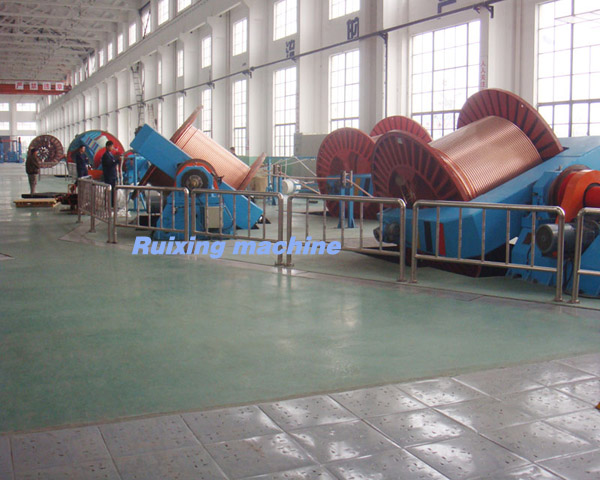
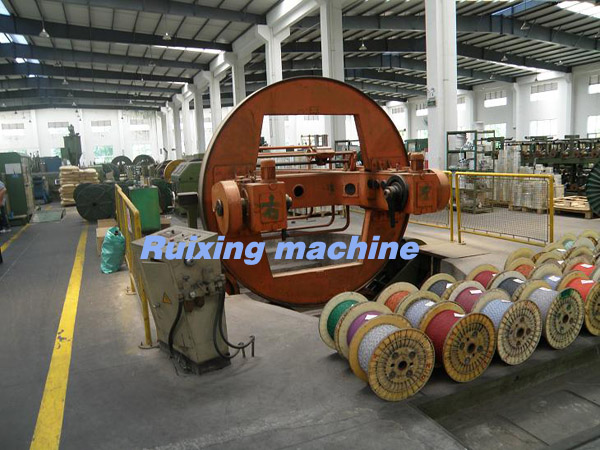
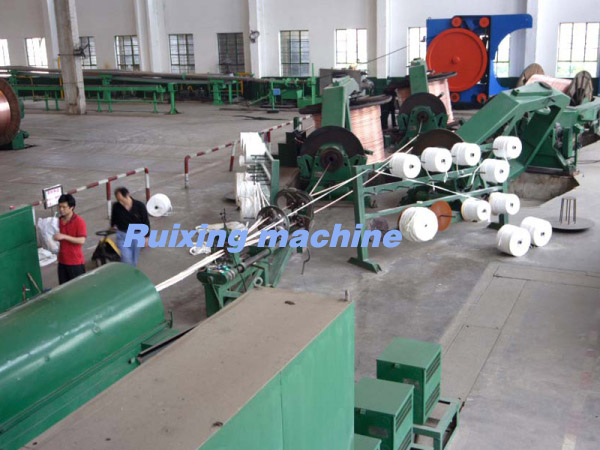
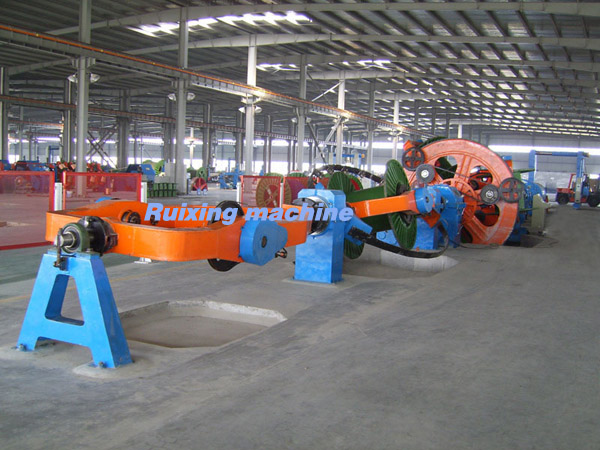
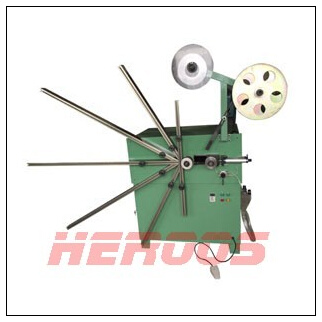
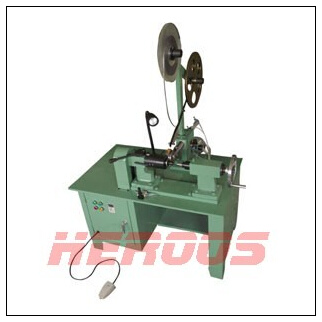
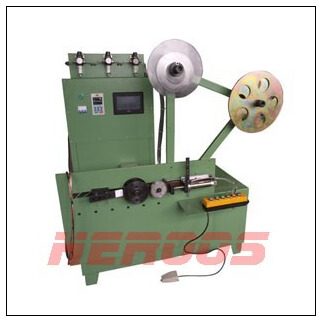
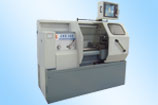
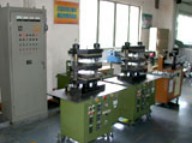
Coil Winding Machines
Source industrial coil winding machines directly from vetted manufacturers and suppliers. Designed for importers, distributors, and manufacturers seeking reliable OEM or wholesale production, our catalog covers high-speed, multi-spindle, and CNC winding equipment for transformers, motors, and inductors.
Sourcing coil winding machinery requires balancing precision with production throughput. Whether you are equipping a facility for transformer manufacturing, stator winding, or voice coil production, the primary challenge is ensuring long-term mechanical stability and consistent tension control under continuous operation. Sourcing these machines from overseas manufacturers demands a strict focus on component origin, structural rigidity, and software reliability.
Critical Specifications for Production Scaling
When communicating with manufacturers, vague requirements lead to underpowered or inaccurate machinery. You must define the exact parameters of your winding applications to ensure the factory configures the machine with the correct motors, guides, and tensioners.
Essential Specifications to Define
- Wire Diameter Range: Specified in mm or AWG; dictates the required tensioner capacity and guide pulley sizing.
- Spindle Count & Pitch: Determines throughput. Pitch (distance between spindles) dictates the maximum coil diameter.
- Maximum Winding Speed: Typically 2,000 to 10,000 RPM. High speeds require heavier frames to dampen vibration.
- Traverse Stroke & Accuracy: Defines the maximum dimensions of the bobbin and the precision of the wire lay.
Tension Control Systems
Tension control is the most critical variable in coil winding. Inconsistent tension causes wire stretching (altering resistance) or loose coils (reducing efficiency and structural integrity).
| Tensioner Type | Best For | Cost Impact |
|---|---|---|
| Mechanical Friction | Thick wire, basic applications | Low |
| Magnetic | General purpose, medium precision | Moderate |
| Electronic / Servo | Ultra-fine wire, high precision | High |
Need help verifying a manufacturer's technical capabilities before placing a bulk machinery order?
Talk to our teamComponent Architecture & Factory Evaluation
The visual appearance of a winding machine tells you very little about its lifespan. The difference between a machine that lasts ten years and one that requires constant maintenance lies in the internal architecture.
When evaluating suppliers, pay close attention to the brands of the critical components. Reliable Chinese manufacturers will typically use Japanese or Taiwanese servo motors (e.g., Panasonic, Yaskawa, Delta) and reputable PLCs. Machines built with unbranded domestic stepper motors will struggle with positioning accuracy over time. Because machinery factories often assemble components rather than manufacturing them all in-house, conducting thorough Factory Audits is essential to verify their supply chain and assembly standards.
Quality Control & Inspection Points
Machinery defects are expensive to fix once the equipment leaves the factory. Implementing strict Quality Control & Inspection protocols prior to shipment is non-negotiable.
Critical Tolerance: Spindle Runout
Spindle runout must be strictly measured. For high-speed applications, runout should be under 0.02mm. Excessive runout causes vibration, uneven winding, and premature bearing failure.
Key inspection points include:
- Traverse Mechanism: Verify the use of precision ball screws rather than standard lead screws to ensure smooth, accurate wire guiding.
- Controller Software: Test the CNC interface for language translation accuracy (English is standard, but poor translations can cause operator error) and program memory retention during power cycles.
- Vibration Testing: Run the machine at maximum RPM unloaded to check for frame resonance and bearing noise.
Pricing Drivers, Lead Times, and MOQs
Industrial machinery sourcing operates on different parameters than consumer goods. Pricing is highly dependent on the number of spindles, the level of automation (e.g., auto-loading/unloading, auto-taping), and component brands.
Because winding machines are heavy and sensitive to moisture, proper crating and logistics planning are crucial. Vacuum-sealed foil packaging inside ISPM-15 certified wooden crates is standard to prevent rust during sea transit. Coordinating this requires experienced Shipping & Freight management to ensure the machinery arrives calibrated and ready for installation.
Planning a heavy machinery shipment? Let us help you manage the logistics and quality assurance.
Get a free consultationFrequently Asked Questions
Sourcing coil winding machines successfully comes down to rigorous specification management and verifying that the factory's component choices match your production demands. By focusing on mechanical tolerances and reliable control systems upfront, you secure equipment that delivers consistent yields for years.
Get Sourcing Help for Coil Winding Machines
Tell us your requirements and our experts will connect you with verified manufacturers.