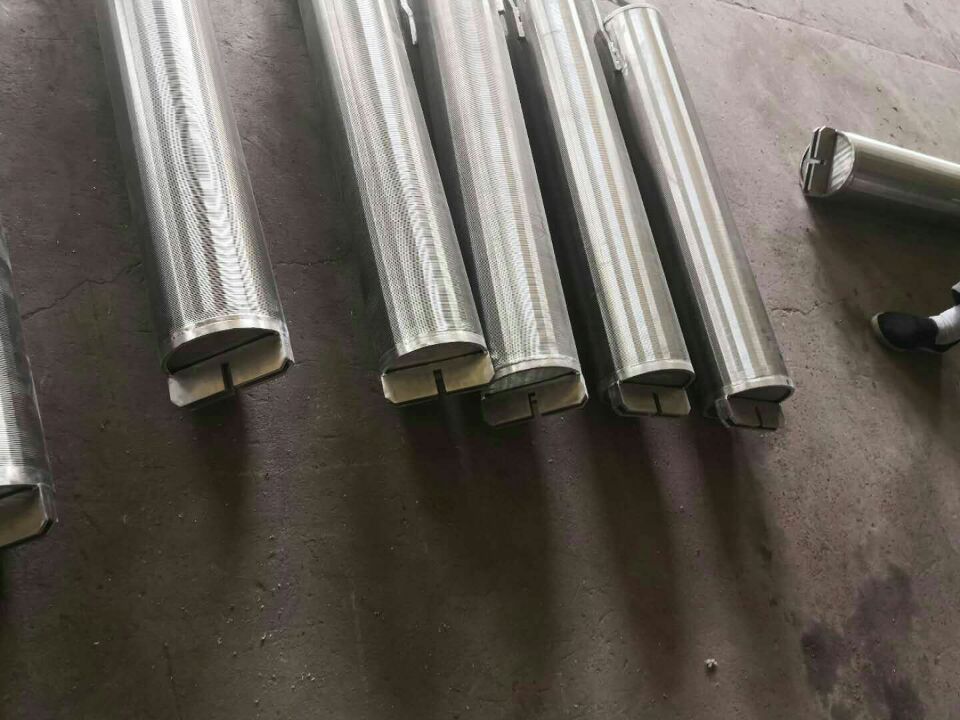
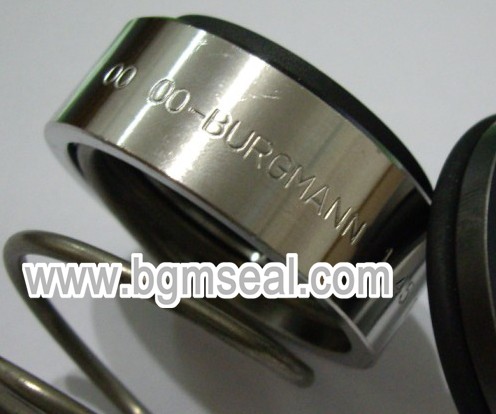
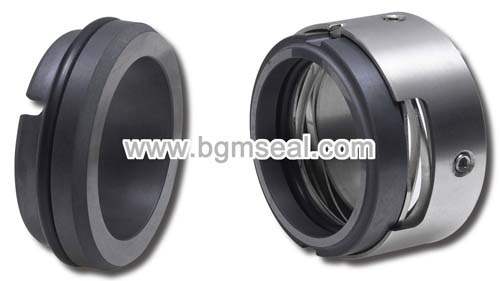
Chemical Machinery Parts
Source industrial-grade Chemical Machinery Parts from vetted manufacturers and suppliers in China and across Asia. Designed for procurement managers, specialized distributors, and equipment builders sourcing in bulk or seeking custom OEM production. Secure reliable, high-tolerance components built for aggressive chemical environments.
Sourcing components for chemical processing equipment requires navigating a zero-margin-for-error environment. Whether you are procuring bulk replacement parts for distribution or commissioning custom components for proprietary machinery, the core challenge remains the same: verifying that the factory's material integrity and machining tolerances match your specifications. A supplier substituting 304 stainless for 316L, or failing to achieve the required surface finish, can lead to catastrophic equipment failure, contamination, or rapid corrosion.
To build a resilient supply chain for chemical machinery parts, buyers must move beyond surface-level factory claims and rigorously qualify manufacturing capabilities, material traceability, and quality control frameworks.
Material Selection and Specification Requirements
The foundation of any chemical machinery component—from reactor agitators to pump housings and specialized seals—is its material composition. Operating environments often involve high pressures, extreme temperatures, and highly corrosive media, making precise material specification non-negotiable.
When drawing up specifications for your supplier, ensure you explicitly define the following:
- Metallurgy and Alloys: Standard applications typically require 316L Stainless Steel for its molybdenum content, which resists pitting. For highly aggressive environments, specify Duplex stainless steels, Hastelloy, or Titanium.
- Polymer Linings and Seals: If sourcing lined components, specify the exact grade of PTFE, PFA, or FEP. Define the lining thickness and the bonding method used to adhere the polymer to the metal substrate.
- Surface Finish (Ra): Chemical processing often requires smooth surfaces to prevent residue buildup and localized corrosion. Specify exact Roughness Average (Ra) values, typically Ra 0.4 to Ra 0.8 micrometers for standard chemical applications.
- Machining Tolerances: Clearly state dimensional tolerances on your CAD files, especially for mating parts like mechanical seals or flange connections, which often require tolerances under 0.01mm.
Need to verify a factory's machining capabilities? Let Merhein audit your potential suppliers and validate their technical competence before you place an order.
Talk to our teamManufacturing Processes and Factory Qualification
The method used to produce the part dictates the type of factory you need to source from. A facility excelling in CNC machining of billet steel may lack the capability to produce high-quality investment castings for complex pump impellers.
| Manufacturing Process | Typical Applications | Key Sourcing Challenges |
|---|---|---|
| CNC Machining | Shafts, custom fittings, mechanical seals | Maintaining tight tolerances; tooling wear with hard alloys like Hastelloy. |
| Investment Casting | Pump housings, complex impellers, valve bodies | Porosity control; ensuring consistent wall thickness and cooling rates. |
| Forging | High-pressure flanges, heavy-duty structural parts | Grain structure alignment; managing internal stresses post-forging. |
When evaluating a manufacturer for OEM/ODM Services, it is critical to assess their in-house capabilities versus what they outsource. Machining is often kept in-house, but heat treatment, passivation, or specialized PTFE lining might be subcontracted. Every outsourced step introduces a potential point of failure in quality control. Conducting comprehensive Factory Audits is the most effective way to map a supplier's true production ecosystem.
Critical Quality Control and Testing Protocols
In the chemical machinery sector, visual inspections are insufficient. Defects are often microscopic or internal. Establishing a rigorous testing protocol with your supplier—and verifying it through independent third-party inspection—is essential.
Essential QC Checks for Chemical Machinery Parts
- Positive Material Identification (PMI): Use XRF analyzers to confirm the exact alloy composition matches the Mill Test Certificate (MTC).
- Non-Destructive Testing (NDT): Specify ultrasonic or radiographic (X-ray) testing for cast parts to detect internal voids or porosity.
- Dye Penetrant Inspection (DPI): Detect surface-breaking defects on welded or cast components.
- Hydrostatic Pressure Testing: For pressure-retaining parts like valve bodies, tested at 1.5x the maximum allowable working pressure.
- Dimensional Verification: CMM (Coordinate Measuring Machine) reports to confirm critical tolerances.
Implementing robust Quality Control & Inspection protocols prior to shipment ensures that non-compliant parts never leave the factory floor, protecting your downstream assembly lines or end-users.
Sourcing Mechanics: MOQs, Pricing, and Lead Times
Pricing and lead times for chemical machinery parts are highly variable, driven primarily by raw material costs (which fluctuate with global nickel and chromium markets) and the complexity of the manufacturing process.
Pricing Drivers
- Material Grade: The jump from 316L to Hastelloy C276 can increase raw material costs exponentially. Ensure your supplier is quoting the exact grade requested.
- Tooling Costs: Investment casting and forging require upfront tooling investments. Negotiate tooling ownership terms clearly in your manufacturing agreement.
- Testing Requirements: Extensive NDT or third-party Compliance & Testing (such as ASME or PED certification) will add to the unit cost but is necessary for liability mitigation.
Struggling to negotiate favorable tooling terms or verify raw material costs? Merhein's sourcing experts can manage the commercial negotiations on your behalf.
Get a free consultationBuyer FAQ
Procuring chemical machinery parts at scale requires a deep understanding of metallurgy, machining, and international supply chain dynamics. By enforcing strict material verification and auditing production processes, buyers can secure high-performance components that withstand the rigors of the chemical industry. If you require on-the-ground expertise to manage supplier vetting, quality control, and logistics, a dedicated sourcing partner can streamline the process and mitigate your operational risk.
Get Sourcing Help for Chemical Machinery Parts
Tell us your requirements and our experts will connect you with verified manufacturers.