Cement Mixer Trucks
Source heavy-duty cement mixer trucks directly from vetted manufacturers and wholesale suppliers in China and across Asia. Designed for commercial importers, heavy machinery distributors, and fleet procurement managers, our network provides reliable, high-capacity mixing solutions for demanding construction and infrastructure projects.
Sourcing cement mixer trucks at scale requires balancing payload capacity, chassis reliability, and hydraulic performance. For commercial fleets and distributors, the stakes are high: a single hydraulic failure or premature drum wear can halt a construction project and severely impact your reputation. Successfully procuring these vehicles overseas means rigorously specifying components and verifying assembly standards long before the trucks reach the port.
Core Specifications: Chassis and Capacity
The foundation of any mixer truck is the alignment between the chassis drive system and the drum capacity. Overloading a lighter chassis leads to structural failure, while over-specifying drive systems inflates capital costs unnecessarily.
| Chassis Drive | Typical Drum Capacity | Engine Power Requirement |
|---|---|---|
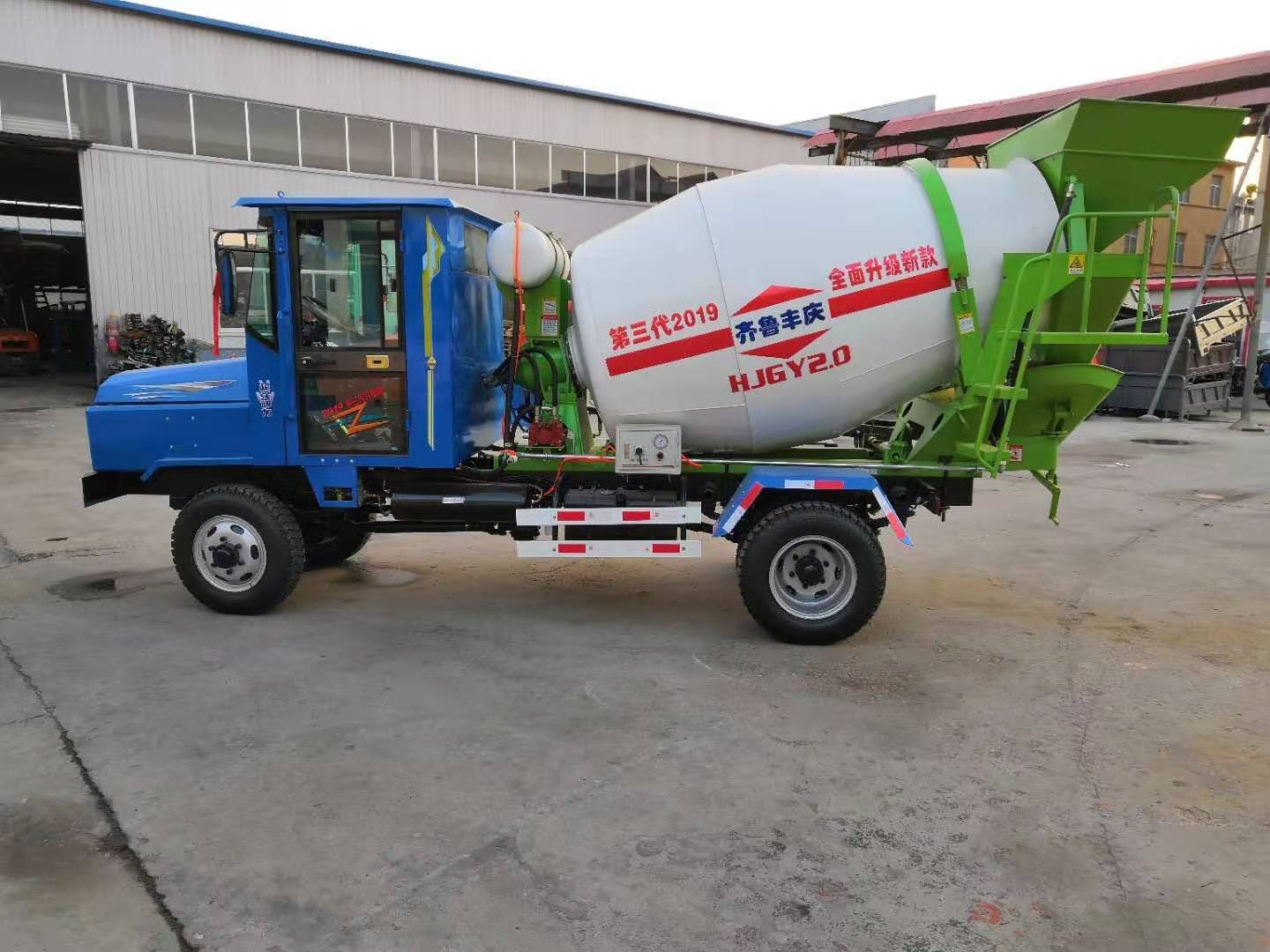
| 4x2 (Light/Urban) | 3 to 6 cbm | 130 to 160 HP |
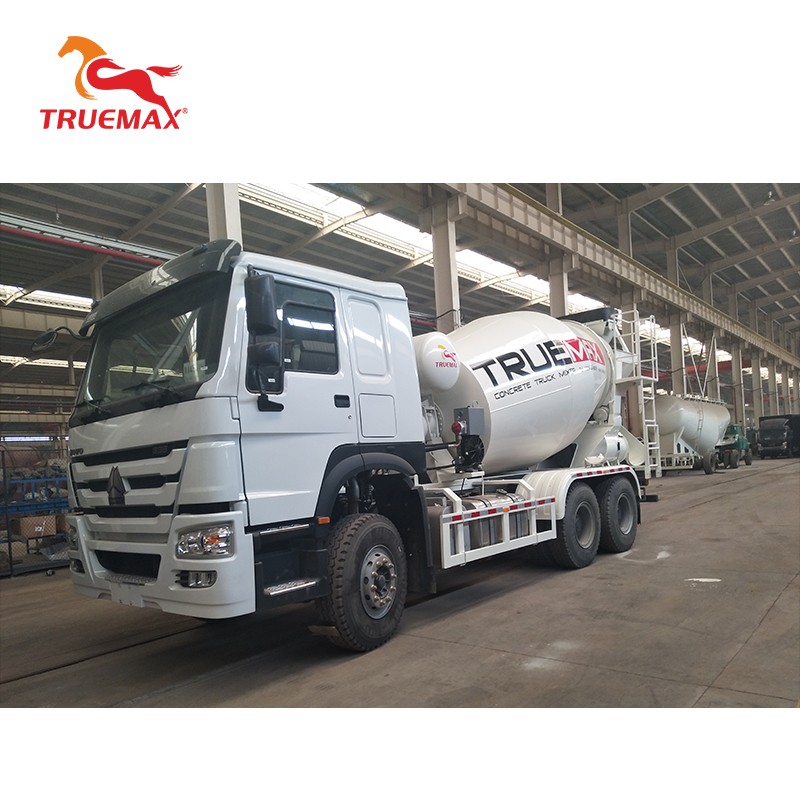
| 6x4 (Standard Commercial) | 8 to 10 cbm | 290 to 380 HP |
| 8x4 (Heavy Infrastructure) | 12 to 16 cbm | 380 to 420 HP |
When negotiating with manufacturers, you must also specify the emission standard required for your target market (e.g., Euro III for certain emerging markets, up to Euro VI for strictly regulated regions). Supplying a non-compliant engine will result in immediate customs rejection.
Manufacturing Standards and Component Selection
The mixing drum and the hydraulic system are the two critical wear points on the vehicle. High-quality manufacturers use high-tensile, wear-resistant steel (such as Q345, Q520, or proprietary alloys like T520JJ) for the drum body and internal mixing blades. Standard mild steel will degrade rapidly under the abrasive friction of wet concrete.
The hydraulic system—comprising the pump, motor, and reducer—is the beating heart of the truck. While Chinese manufacturers produce capable domestic hydraulics, many buyers opt to specify imported, globally recognized brands (such as Rexroth, Eaton, or Sauer-Danfoss) for these specific components to ensure reliability and ease of local servicing.
Need help verifying technical capabilities on the factory floor? Let our sourcing engineers handle the heavy lifting.
Talk to our teamCritical Quality Control Checks
Catching defects in heavy machinery after shipment is catastrophically expensive. Implementing robust Quality Control & Inspection protocols at the factory is non-negotiable.
Pre-Shipment Inspection Focus Areas
- Weld Integrity: Verify automated submerged arc welding on all drum seams to prevent stress fractures.
- Hydraulic Pressure Testing: Ensure the pump and motor maintain consistent pressure under simulated load without leaks.
- Blade Angle Calibration: Check the internal spiral blades for exact pitch to ensure efficient discharge with under 1 percent residual rate.
- Paint and Coating: Measure primer and topcoat thickness to ensure adequate anti-corrosion protection against harsh alkaline concrete.
Relying on a supplier's internal QC report is a risk. Independent Factory Audits are essential to confirm that the supplier actually has the heavy machining equipment and assembly lines they claim, rather than just acting as a trading company assembling parts in a shed.
Buying Mechanics: Pricing, MOQs, and Lead Times
Because these are high-value capital goods, the purchasing dynamics differ significantly from consumer products.
Shipping and Logistics
Transporting heavy trucks requires specialized logistics. Depending on the size of the truck and the destination port's capabilities, vehicles are typically shipped via Ro-Ro (Roll-on/Roll-off) vessels, bulk cargo ships, or on Flat Rack containers. Ro-Ro is generally the safest and most efficient method, as the trucks are simply driven onto the ship, protected from the elements, and driven off at the destination. Coordinating oversized freight requires experienced Shipping & Freight management to navigate port handling fees and specialized customs documentation.
Struggling with complex Ro-Ro logistics or oversized freight consolidation? We can streamline your heavy machinery supply chain.
Get a free consultationBuyer FAQ
Procuring heavy commercial vehicles overseas is a complex orchestration of engineering verification, component specification, and specialized logistics. By maintaining strict oversight over the hydraulic components, steel grades, and chassis integration, you can secure reliable assets that deliver long-term value to your fleet or distribution network.
Get Sourcing Help for Cement Mixer Trucks
Tell us your requirements and our experts will connect you with verified manufacturers.