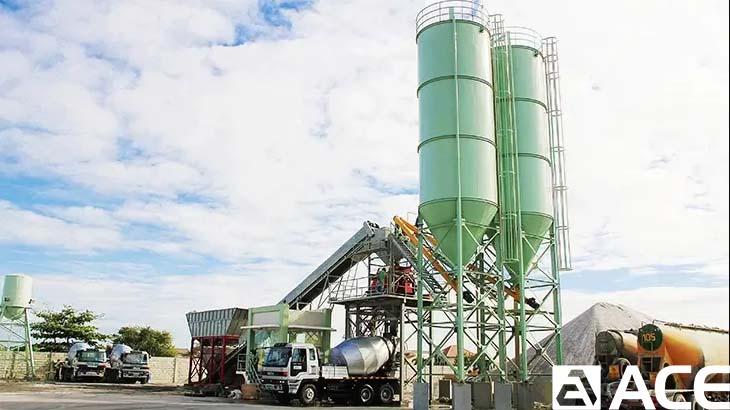
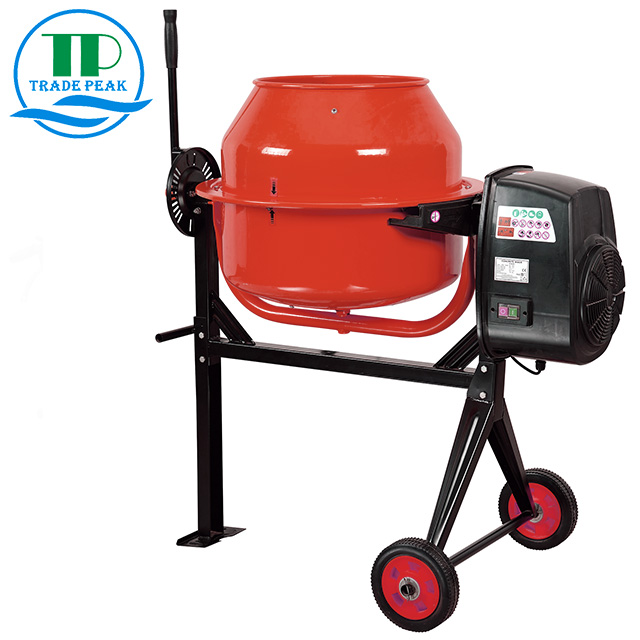
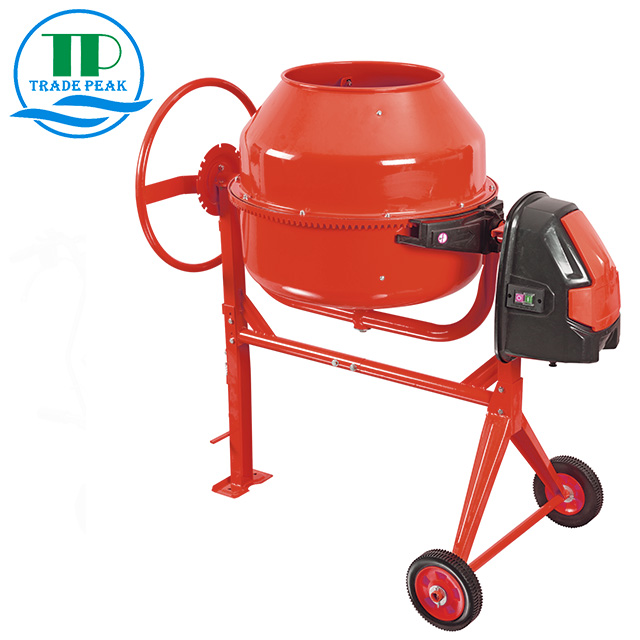
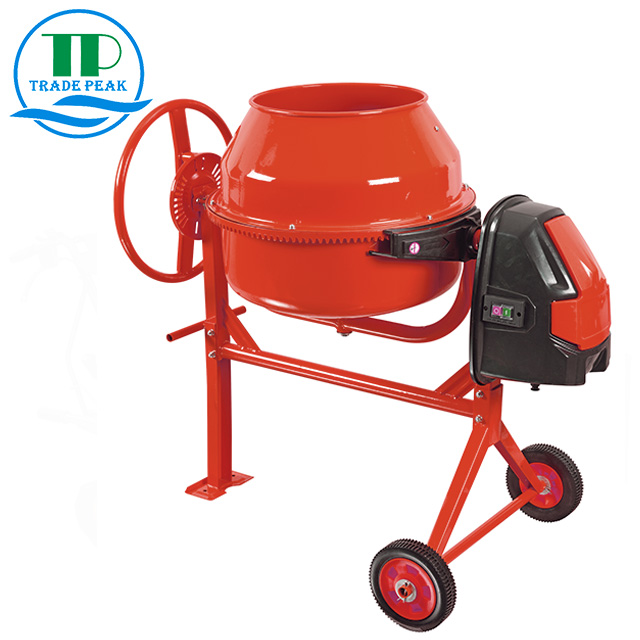
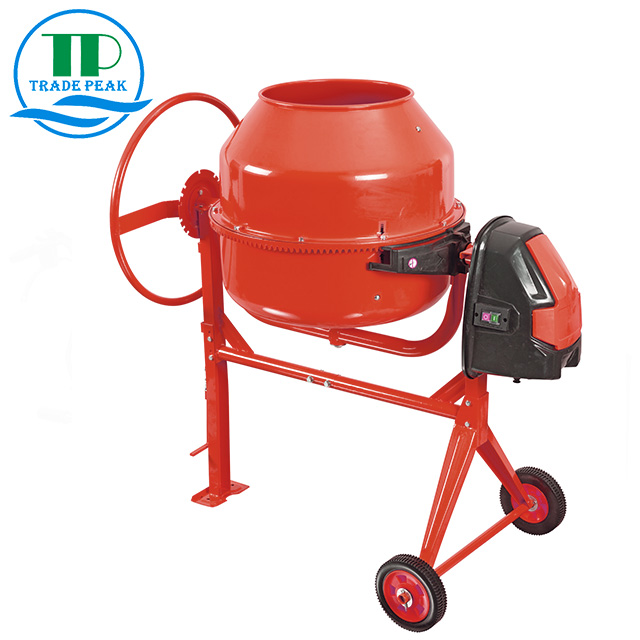
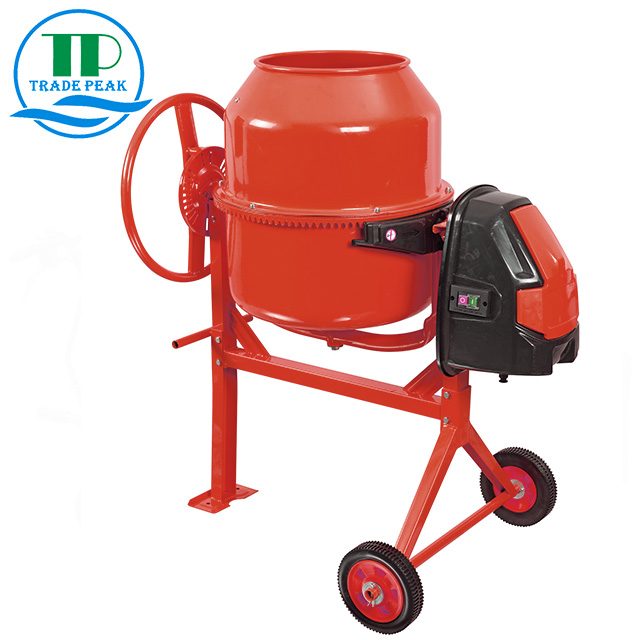
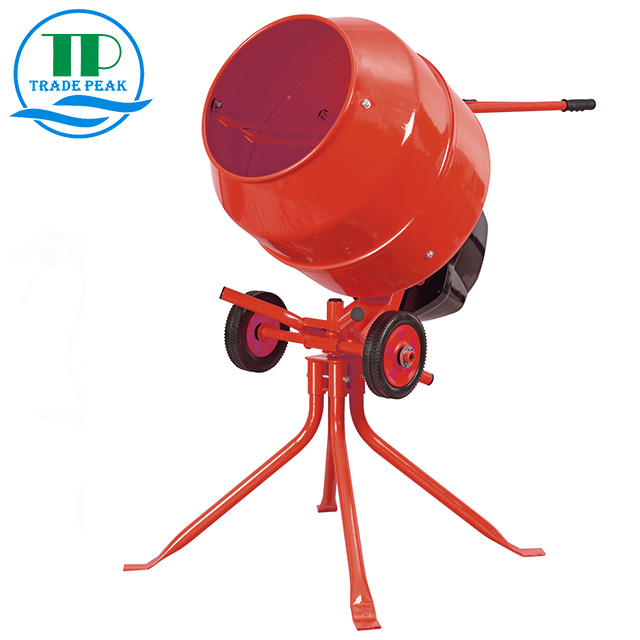
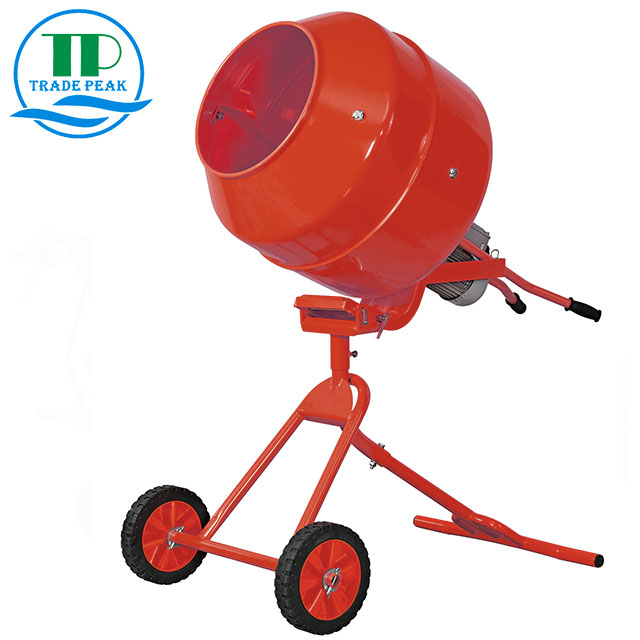
Cement Making Machinery
Source industrial-grade Cement Making Machinery from vetted suppliers and manufacturers across Asia. Designed for procurement managers, distributors, and engineering firms looking for reliable bulk purchasing or OEM production, ensuring high-capacity performance and strict compliance with international heavy machinery standards.
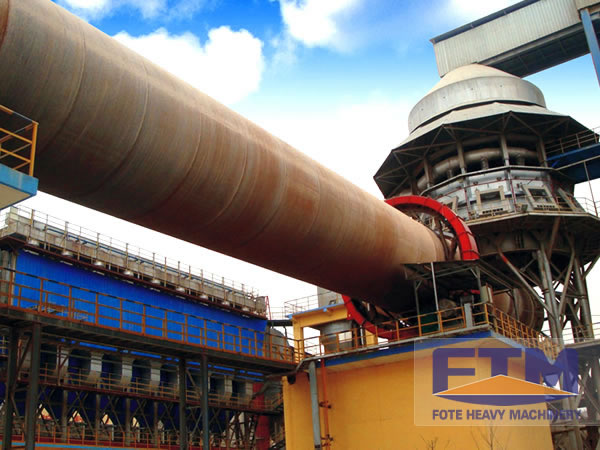
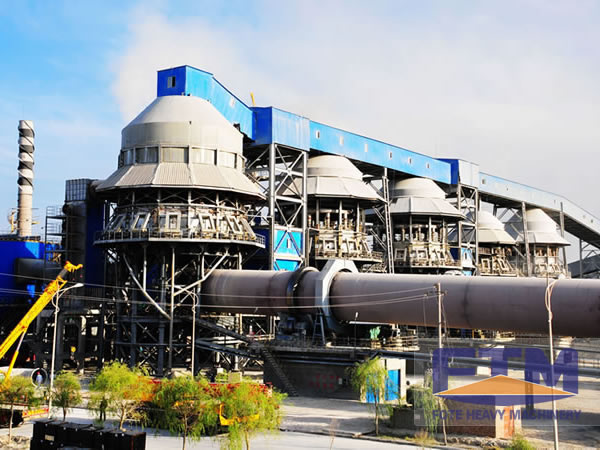
Procuring cement making machinery—whether you are sourcing individual crushers and ball mills or commissioning a complete rotary kiln production line—requires rigorous technical vetting. Heavy industrial machinery demands precise engineering, robust materials, and exacting quality control to ensure continuous, high-yield operation in harsh environments. Navigating the manufacturer landscape in Asia means separating capable industrial fabricators from trading companies that lack in-house engineering support.
Critical Equipment Specifications
When evaluating suppliers, the technical specifications must align exactly with your desired production capacity (measured in Tons Per Day, or TPD) and the raw material characteristics. Over-specifying drives up capital expenditure, while under-specifying leads to rapid wear and production bottlenecks.
| Equipment Type | Critical Specifications | Key Wear Materials |
|---|---|---|
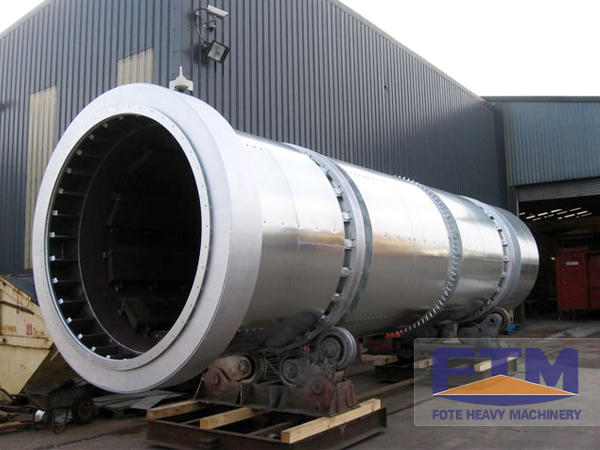
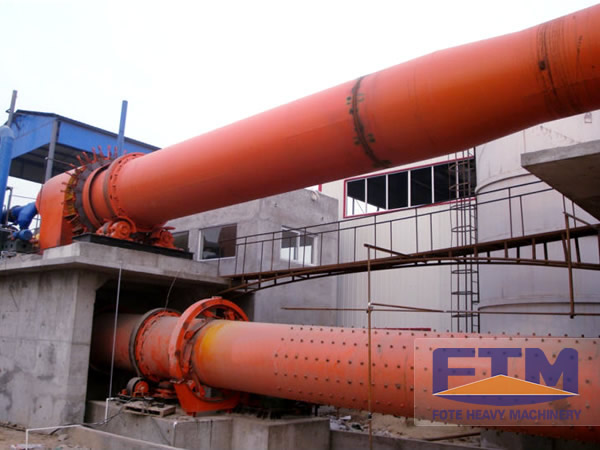
| Rotary Kilns | Diameter, Length, Inclination angle, TPD capacity | Q235/Q345 boiler steel, Refractory brick lining |
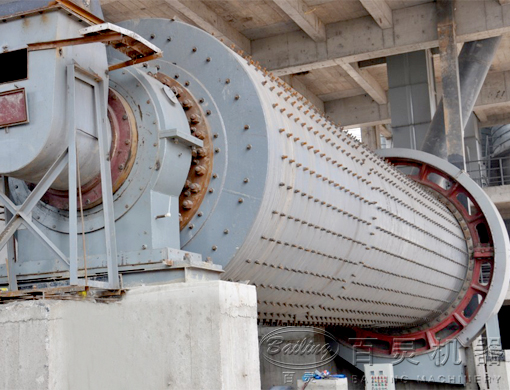
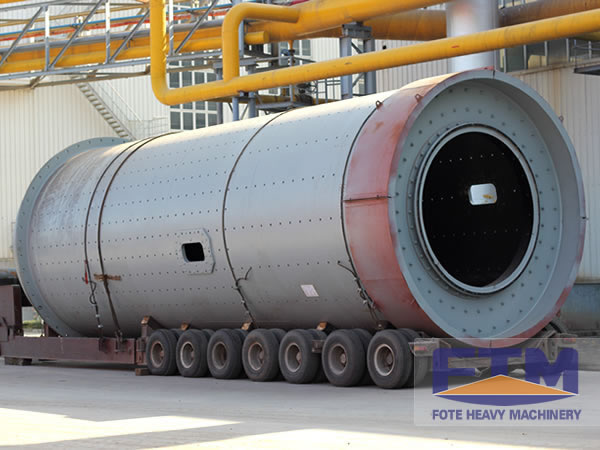
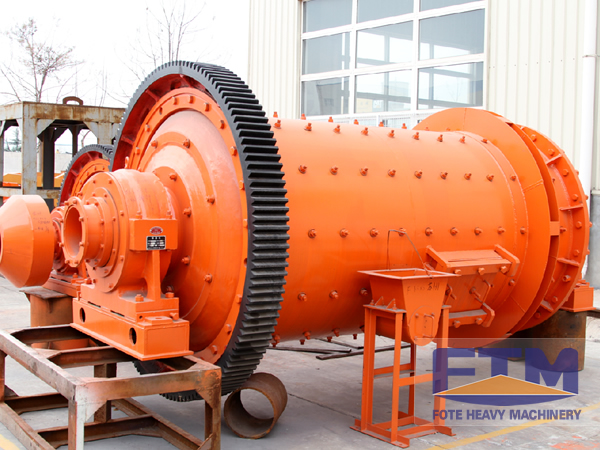
| Ball Mills | Motor power (kW), RPM, Grinding media load | High-manganese steel liners, Forged steel balls |
| Crushers | Feed opening size, Max output size, RPM | High-chrome alloy hammers, Manganese steel jaws |
Beyond the structural steel, the electrical and control systems are frequent points of failure in budget machinery. Specify motor brands (or equivalent efficiency classes), PLC control architectures, and localized voltage requirements early in the negotiation.
Need help verifying technical specifications and supplier capabilities? Let's discuss your machinery requirements.
Talk to our teamManufacturing Quality and Factory Vetting
The longevity of cement machinery is dictated on the factory floor. Welding quality on high-stress components like rotary kilns and mill shells is non-negotiable. Substandard welding leads to micro-fractures under dynamic loads, causing catastrophic failures during operation.
Relying solely on a supplier's spec sheet is risky. Conducting thorough factory audits is essential to verify their fabrication capabilities, machining precision, and assembly testing facilities.
Key Inspection Points for Heavy Machinery
- Verify ultrasonic or X-ray testing reports for critical welding seams.
- Confirm dynamic balancing tests are performed on all large rotating equipment.
- Inspect motor and gearbox certifications (CE, UL, or regional equivalents).
- Check the precision of gear machining and alignment for kiln drives and mills.
- Review the factory's in-house heat treatment processes for wear-resistant parts.
Implementing strict quality control protocols, including in-line inspections during fabrication and final pre-shipment testing (often involving a dry run of the motors and gearboxes), protects your investment before the machinery ever leaves the port.
Buying Mechanics: Lead Times, MOQs, and Logistics
Purchasing heavy industrial equipment involves different mechanics than standard wholesale goods. Production is almost always built-to-order based on specific capacity requirements.
Pricing is highly variable, driven by raw steel costs, motor specifications, and the inclusion of auxiliary systems (like dust collectors and control panels).
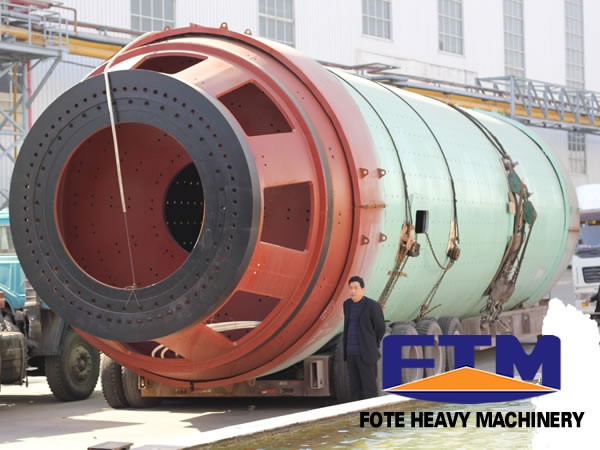
Furthermore, logistics for cement machinery are complex. Oversized components like kiln shells and large mill drums cannot fit into standard shipping containers. They require flat-rack containers, open-top containers, or break-bulk shipping. Coordinating this requires specialized shipping & freight expertise to manage heavy-lift loading, secure lashing, and complex customs documentation.
Managing heavy machinery procurement and logistics requires deep expertise. Partner with us to streamline your sourcing process.
Get a free consultationFrequently Asked Questions
Sourcing heavy cement production machinery is an exercise in risk management and technical precision. Success depends on rigorous supplier vetting, uncompromising quality control during fabrication, and expert handling of oversized logistics. By managing these variables tightly, you can secure high-performance equipment that delivers decades of reliable operation.
Get Sourcing Help for Cement Making Machinery
Tell us your requirements and our experts will connect you with verified manufacturers.