Cement
Source high-grade cement from vetted suppliers and manufacturers across Asia. Designed for bulk importers, construction distributors, and procurement managers, our network provides reliable, high-volume production. Secure competitive wholesale pricing and consistent quality for your commercial masonry supply chain.
Sourcing Commercial-Grade Cement in Bulk
Sourcing cement internationally is an exercise in balancing freight economics with strict structural compliance. For high-volume buyers, the challenge isn't just finding a manufacturer; it is ensuring that every shipment meets regional compressive strength standards while navigating the logistical hurdles of moving a low-margin, high-weight, and moisture-sensitive commodity. Success requires rigorous supplier vetting, precise specification, and highly optimized logistics.
Defining Specifications and Compressive Strength
When negotiating with cement factories, specifying the correct grade and standard is non-negotiable. Whether you require Ordinary Portland Cement (OPC) or blended variants (incorporating slag, fly ash, or pozzolan), the material must align with your destination market's regulatory framework, such as ASTM C150 in the Americas or EN 197-1 in Europe.
The primary metric for buyers is compressive strength, typically measured in Megapascals (MPa) at 28 days.
| Grade (EN Standard) | 28-Day Strength | Primary Application | Setting Time Profile |
|---|---|---|---|
| CEM I 32.5 | Over 32.5 MPa | General masonry, plastering | Standard |
| CEM I 42.5 | Over 42.5 MPa | Structural concrete, precast | Standard to Rapid |
| CEM I 52.5 | Over 52.5 MPa | High-strength infrastructure | Rapid |
Beyond strength, buyers must specify the Blaine fineness (surface area) and the maximum allowable limits for magnesia, sulfur trioxide, and loss on ignition.
Navigating regional cement standards and supplier verification can be complex. Let us help you streamline your procurement and secure reliable factory allocations.
Talk to our teamFactory Production and Quality Control Checkpoints
The quality of cement is won or lost in the kiln and the grinding mill. The ratio of clinker to gypsum, the quality of the raw limestone, and the precision of the grinding process dictate the final product's performance.
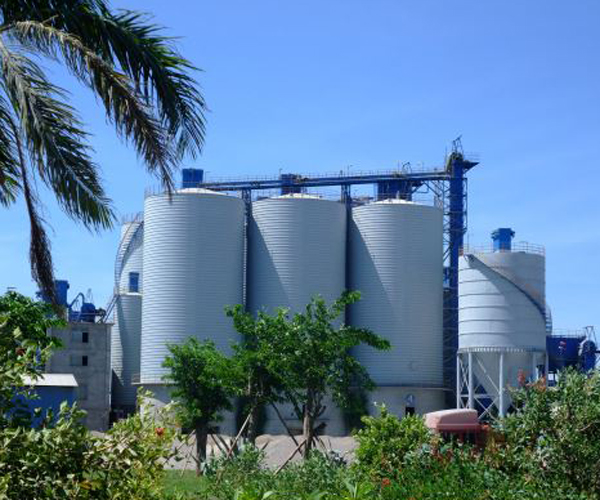
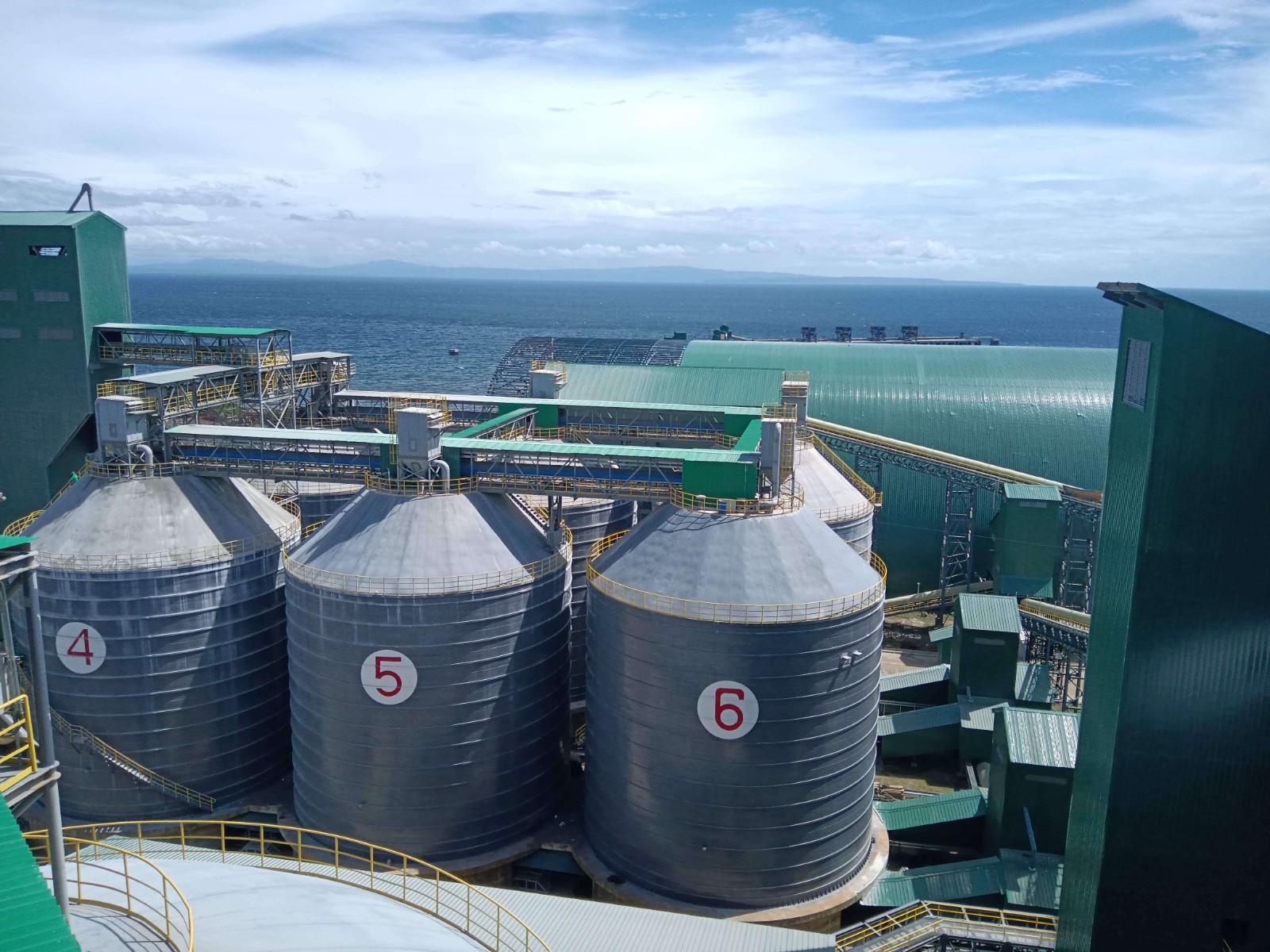
When evaluating potential suppliers, factory audits are essential to verify production capacity, silo storage conditions, and internal quality management systems. A factory with poor silo maintenance risks pre-hydration of the cement before it even reaches the packaging line.
Critical Factory Verification Points
- Clinker production capacity vs. grinding capacity (ensures they aren't outsourcing grinding to unvetted mills).
- On-site laboratory capabilities for daily testing of setting time, soundness, and strength.
- Storage infrastructure: Condition of silos and moisture-control protocols.
- Packaging line automation and precision of bag sealing.
To mitigate risk, utilize independent compliance and testing services to pull samples prior to shipment. This ensures the batch meets your specified ASTM or EN standards before it is loaded onto a vessel.
Packaging, Logistics, and Freight Economics
Cement has an exceptionally high weight-to-value ratio, making freight the most critical component of your landed cost. Furthermore, cement is highly hygroscopic; exposure to humidity will ruin the shipment.
Buyers typically specify one of three packaging methods:
- 50kg Bags: Multi-wall paper or woven polypropylene (PP) bags with an inner polyethylene (PE) liner. Often palletized and shrink-wrapped.
- Jumbo Bags (FIBC): 1-ton to 1.5-ton bags with heavy-duty PE liners, ideal for mechanized handling at destination ports.
- Bulk Pneumatic: Shipped loose in specialized bulk carrier vessels (only viable for massive, continuous import operations).
Optimizing shipping and freight is paramount. Depending on your volume, you must model the cost difference between shipping via standard TEU containers versus chartering breakbulk vessels.
Pricing, MOQs, and Lead Times
Wholesale pricing for cement fluctuates based on global energy costs (coal/petcoke used in kilns), raw material availability, and freight rates. Because of the scale of production, Minimum Order Quantities (MOQs) are high.
Need to optimize your landed costs for bulk cement shipments? Our logistics and sourcing experts can model your freight and procurement strategy.
Get a free consultationFrequently Asked Questions
When sourcing cement, the factory gate price is only a fraction of the equation. Success depends on rigorous quality verification and a highly efficient logistics strategy to ensure the product arrives dry, compliant, and at a competitive landed cost. Partnering with experienced sourcing professionals ensures these variables are managed from the factory floor to your destination port.
Get Sourcing Help for Cement
Tell us your requirements and our experts will connect you with verified manufacturers.